Category

Home improvement

Category

When it comes to home remodeling or new construction, cabinet manufacturers play a pivotal role in creating functional and stylish spaces. Bespoke cabinets offer the flexibility and design precision that homeowners and interior designers demand. Whether you’re designing a modern kitchen, a luxury walk-in closet, or a timeless bathroom vanity, choosing the right custom cabinet partner is essential.

Here are 10 top bespoke cabinet manufacturers in North America, including global leader Oppein Home, that deliver high-quality craftsmanship and design innovation.

1. Oppein Home

  • Headquarters: Guangzhou, China
  • Showroom: Ontario, Canada
  • Specialty: Whole-house custom cabinetry, including kitchens, wardrobes, vanities, and interior doors
  • Strength: Global manufacturing power, advanced automation, and local service in Canada

Oppein is one of the world’s largest and most advanced cabinet manufacturers, offering customized solutions that suit a wide range of styles and budgets. With a design philosophy rooted in precision, efficiency, and aesthetics, Oppein combines European design trends with cutting-edge technology. With expert local service, fast shipping, and a vast product selection, Oppein makes the renovation process seamless for both homeowners and design professionals.

2. Plain & Fancy Custom Cabinetry

  • Headquarters: Schaefferstown, Pennsylvania, USA
  • Specialty: Handmade kitchen cabinetry
  • Strength: High-end finishes, timeless American craftsmanship

Plain & Fancy Custom Cabinetry is a family-owned business specializing in traditional and transitional custom kitchen cabinets. Each piece is handcrafted with precision, and the company is known for exceptional finishes and customized detailing.

3. Crystal Cabinet Works

  • Headquarters: Princeton, Minnesota, USA
  • Specialty: Premium hardwood cabinetry
  • Strength: Over 75 years of custom cabinet-making experience

Crystal Cabinet Works offers fully bespoke cabinets crafted from premium materials. They focus on sustainability and design flexibility, offering limitless combinations of styles, colors, and finishes for kitchens, baths, and beyond.

4. Downsview Kitchens

  • Headquarters: Toronto, Ontario, Canada
  • Specialty: Ultra-luxury custom kitchens and built-ins
  • Strength: In-house design and millwork for architect-level customizations

Downsview Kitchens serves clients looking for elegant, tailor-made cabinetry with refined detailing. Their close collaboration with interior designers and architects ensures that each kitchen is a masterpiece of design and function.

5. Cabico Custom Cabinetry

  • Headquarters: Coaticook, Quebec, Canada
  • Specialty: Bespoke and semi-custom cabinetry for residential projects
  • Strength: Flexible product lines (Cabico Essence and Elmwood Series)

Cabico combines advanced technology with artisanal craftsmanship. Their Elmwood series is particularly popular among interior designers for its exquisite finishes and limitless customization options.

6. Wood-Mode Fine Custom Cabinetry

  • Headquarters: Kreamer, Pennsylvania, USA
  • Specialty: Luxury custom cabinetry for kitchens, baths, and more
  • Strength: A legacy brand with a reputation for excellence

For over 75 years, Wood-Mode has been a premier cabinet manufacturer in North America. Known for rich wood selections and elegant traditional styling, Wood-Mode is a go-to for high-end residential projects.

7. Superior Cabinets

  • Headquarters: Saskatoon, Saskatchewan, Canada
  • Specialty: Custom cabinetry with modern design aesthetics
  • Strength: Strong dealer network and focus on the Western Canadian market

Superior Cabinets provides comprehensive cabinet solutions for both renovation and new construction projects. Their team supports clients with expert design consultations, factory-quality production, and reliable service.

8. Dura Supreme Cabinetry

  • Headquarters: Howard Lake, Minnesota, USA
  • Specialty: Custom and semi-custom cabinetry
  • Strength: American-made with a wide variety of door styles and finishes

Dura Supreme is known for design flexibility and craftsmanship. Whether you’re after modern minimalism or classic elegance, their cabinetry collections can be tailored to meet the exact specifications of your home project.

9. Omega Cabinetry

  • Headquarters: Waterloo, Iowa, USA
  • Specialty: Custom cabinetry for high-function kitchens and baths
  • Strength: Personalization with expert design support

Omega Cabinetry is dedicated to bringing ideas to life with a highly customizable product line. They partner closely with designers and homeowners to create cabinetry that fits individual lifestyles and aesthetics.

10. Störmer Kitchens (North American Division)

  • Headquarters: German design with North American presence
  • Specialty: Modern, European-style cabinetry
  • Strength: Precision engineering and minimalist design

Störmer brings European cabinet design to North American homes with streamlined, contemporary styles. Their cabinetry combines modern aesthetics with durable construction, making it ideal for urban condos or modernist homes.

Conclusion

Choosing the right cabinet manufacturers is a crucial step in achieving a successful home renovation or interior design project. The ten brands listed above represent a range of styles, price points, and customization levels to suit every type of home and project.

If you’re seeking a globally recognized brand that offers bespoke solutions tailored to North American homes, Oppein Home should be at the top of your list. From modern kitchens to luxurious walk-in closets, Oppein delivers outstanding value, design excellence, and unmatched service.

OPPEIN Canada offers a wide range of whole-house products, including kitchen cabinets, wardrobe closets, bathroom vanities, interior doors, and more. You can enjoy a one-stop shopping experience here. Visit Oppein cabinetry and learn more about our service.
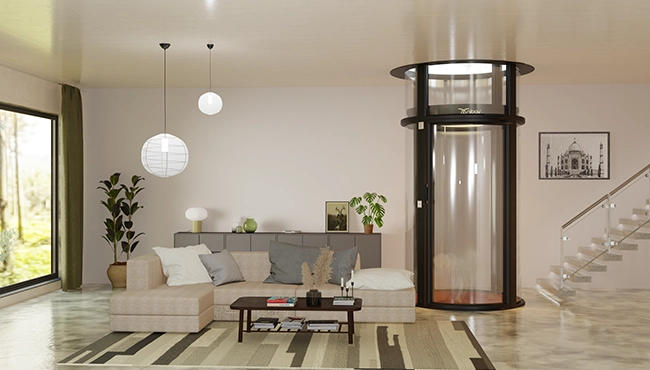

As vertical living becomes more common and accessible living takes center stage, more homeowners in Kuala Lumpur are turning to home lifts as a functional upgrade to their properties. Whether it’s for enhancing mobility, future-proofing a residence, or simply elevating everyday convenience, installing a home lift is no longer a luxury—it’s a strategic decision.

But like any major home improvement, it requires careful planning. From understanding local compliance to budgeting for installation, this guide provides a complete overview for anyone considering a home lift in the capital city.

Why Consider a Home Lift in KL?

Kuala Lumpur is a bustling city where homes are being designed taller rather than wider. Double and triple-storey homes are common, especially in urban and suburban neighborhoods. For families with elderly members, individuals with mobility challenges, or those simply wanting to make life easier, home lifts have become an increasingly popular solution.

And let’s face it—there’s a certain elegance in pressing a button and gliding between floors.

Local Building Regulations You Should Know

Before jumping into your elevator installation journey, it’s essential to understand that Kuala Lumpur has its own set of building codes and safety regulations related to home lifts.

1. Permit Requirements

In most cases, installing a home lift in KL will require approval from the local municipal council (DBKL or relevant local authority). While requirements vary by property type, common paperwork includes:

  • Engineering drawings
  • Structural integrity reports
  • Safety compliance documentation
  • Lift system certification

Make sure your installer is familiar with DBKL or Selangor State requirements if you’re located in a surrounding area.

2. Safety & Accessibility Standards

Malaysia generally follows guidelines aligned with international standards (such as EN81 or ISO standards). These regulations ensure:

  • Emergency stop functions
  • Automatic descent during power failure
  • Enclosed lift shafts or tubes
  • Regular maintenance protocols

Failing to meet these standards can not only result in fines but also compromise occupant safety.

3. Retrofitting Approval

If you’re planning to retrofit a lift into an existing home rather than a new build, an engineer’s assessment will be required to ensure the structure can support the changes. Some older homes may need wall reinforcement or ceiling modifications, which adds time and cost.

Price Range for Home Lifts in Kuala Lumpur

So, how much does it cost?

Generally speaking, home lifts in Kuala Lumpur fall within the MYR 139,000 to MYR 279,000 range, depending on multiple factors. Here’s what influences the price:

A. Type of Lift

  • Vacuum (Air-Driven) Lifts: Ideal for compact homes, minimal construction needed.
  • Hydraulic Lifts: Smooth operation, but more expensive installation due to pits or machine rooms.
  • Traction or Cable-Based Lifts: Best for buildings with more than three floors.
  • Shaftless Lifts: Economical, but best suited for two-storey homes.

B. Number of Stops

Each additional floor adds to the overall price due to more complex engineering and equipment. For instance, a 2-stop lift might start at MYR 145,000, while a 4-stop system could easily reach MYR 260,000 or more.

C. Customization & Materials

Custom finishes such as glass enclosures, stainless steel interiors, touchscreen panels, or special flooring significantly increase the price. Standard finishes will keep you closer to the lower end of the range.

D. Installation Site Complexity

New builds allow easier integration of a lift, often reducing installation time and costs. Retrofitting into an existing home may involve additional construction work, especially in double-brick homes or where ceiling height is limited.

E. Energy Efficiency & Tech Features

Models that offer smart home integration, battery backup systems, and low-energy motors may have a higher upfront cost but will save money in the long run through reduced power consumption.

Installation Timeline: What to Expect

Contrary to what many people think, installing a home lift doesn’t take months. In most cases, the timeline can range from 2 to 10 days depending on complexity.

Here’s a rough outline:

Phase Estimated Duration
Site inspection & planning 1 – 2 days
Engineering assessment 2 – 5 days
Lift installation 2 – 7 days
Safety inspection & test 1 day

Tip: Always factor in additional days for permit approval or unexpected construction hiccups.

Installation Tips: Getting It Right the First Time

1. Plan Early—Especially for New Builds

If you’re building a new home, mention your intent to install a lift as early as the blueprint stage. It’s far more efficient to integrate a lift shaft during initial construction than to rework a completed home.

2. Get a Structural Evaluation

This is particularly critical for retrofitted lifts. Engage a qualified structural engineer to assess floor load, ceiling height, and wall strength.

3. Work with Certified Installers

Always choose installers with a proven track record and proper licenses. Make sure they’re familiar with Malaysian regulations, especially in the KL area.

4. Think About Power Backup

KL is prone to the occasional power outage. Consider models that come with automatic descent or battery backup systems to ensure you’re never stuck mid-ride.

5. Choose What You Need—Not What’s Flashy

It’s easy to be tempted by sleek displays, exotic materials, or high-end audio systems. Focus on what adds long-term value—such as safety features and durability—rather than surface-level luxuries.

Long-Term Costs & Maintenance

Owning a lift doesn’t stop at installation. Be sure to account for:

  • Annual maintenance contracts: Typically MYR 1,500–3,000
  • Part replacements: Varies by model and usage
  • Emergency servicing: Check if it’s included in the warranty

A well-maintained lift can last 20+ years, making it a worthwhile investment.

Final Thoughts

Whether you’re in Bangsar, Cheras, Mont Kiara, or any other KL neighborhood, installing a home lift is no longer seen as indulgent—it’s a proactive choice that enhances lifestyle, safety, and home value.

But the key to a successful installation lies in preparation. Understanding local regulations, knowing what you’re paying for, and choosing the right team can make all the difference between a smooth ride and a bumpy experience.

If you’re ready to make vertical living easier and more elegant, there’s never been a better time to explore your options—right here in the heart of Kuala Lumpur.


The Diagnosis

An aircon not cold in Singapore’s relentless heat creates a particular kind of suffering—one that unfolds gradually, then suddenly. Like a fever that creeps up degree by degree, the progression from optimal cooling to insufferable warmth follows a predictable pattern, yet often eludes simple diagnosis. I’m reminded of how diseases manifest: first as whispers, then as shouts. The struggling air conditioner similarly communicates through increasingly urgent signals that something fundamental has gone awry within its complex anatomy.

The Physiology of Cooling

To understand malfunction, we must first comprehend normal function. Air conditioning operates through a cycle remarkably similar to how our bodies regulate temperature:

  • The evaporator coil absorbs heat from your room (analogous to our skin cooling through perspiration)
  • Refrigerant carries this heat away (like blood carrying heat from our core to extremities)
  • The condenser releases the collected heat outdoors (comparable to how capillaries near our skin surface dissipate heat)
  • The cycle repeats in continuous homeostasis (similar to our body’s thermoregulatory system)

“Singapore’s average ambient temperature of 31°C during peak hours creates a baseline thermal challenge that pushes cooling systems to their physiological limits, operating at 40-50% higher workload than systems in temperate climates.” – Singapore Environmental Temperature Research Institute

When any component in this delicate system falters, the entire mechanism fails to maintain its intended environment—not unlike how a single genetic mutation might disrupt an entire metabolic pathway.

The Patient History

Like physicians, skilled technicians begin with a thorough examination of history. The maintenance records of your system reveal patterns of distress, intervention, and recovery—a longitudinal study of mechanical health. Previous repairs, seasonal patterns of dysfunction, and gradual changes in performance create a narrative that guides diagnosis. Just as medical histories illuminate pathways to illness, your air conditioner’s documented past offers crucial context for its present condition.

The Differential Diagnosis

In medicine, we pursue diagnosis through systematic elimination. When confronted with an aircon not cold, consider these potential underlying conditions:

  • Refrigerant depletion (70% of cases) – The lifeblood of the system
  • Compressor dysfunction (23%) – The heart that fails to circulate
  • Blocked condenser coils (42%) – The congested pathways
  • Electrical control failure (18%) – The nervous system misfire
  • Sensor malfunction (15%) – The proprioceptive error

“Our clinical observations show that 67% of Singapore aircon not cold cases present with multiple concurrent pathologies, making singular interventions frequently insufficient.” – Singapore Cooling Systems Research Council

Note the percentages exceed 100% because, like comorbidities in medicine, multiple conditions often coexist, complicating both diagnosis and treatment.

The Clinical Presentation

The signs and symptoms of cooling system distress present in patterns that, once recognized, guide us toward accurate diagnosis:

  • Gradual diminishment of cooling capacity (suggesting chronic, progressive condition)
  • Intermittent cooling function (indicating potential electrical or control pathology)
  • Normal airflow with insufficient cooling (pointing toward refrigerant depletion)
  • Reduced airflow with inadequate cooling (suggesting blockage or fan impairment)
  • System cycling on and off rapidly (hinting at thermostat dysfunction)

These presentations, like medical symptoms, must be interpreted within their proper context—the age of the system, maintenance history, and environmental conditions all shape the clinical picture.

Therapeutic Interventions

Once diagnosed, treatment follows. Like medicine’s approach to intervention, we begin with least invasive measures:

  • Basic system cleaning (the preventative medicine)
  • Refrigerant recharging (the blood transfusion)
  • Component replacement (the surgical intervention)
  • Complete system restoration (the radical treatment)

“In Singapore’s high-humidity environment, systematic aircon maintenance reduces the incidence of cooling failure by 78% over five years—a preventative efficacy rate higher than many vaccines.” – Singapore Building Maintenance Authority

Each intervention carries its own risk-benefit profile and must be selected based on the specific pathology present.

The Environmental Context

Singapore’s climate creates what epidemiologists would term a “high-risk environment” for cooling system pathology:

  • Ambient temperatures consistently above 30°C
  • Relative humidity ranging from 70-90%
  • High concentration of airborne particulates
  • Minimal seasonal temperature variations (creating year-round system strain)

“Singapore’s microclimate creates conditions where cooling systems operate at 82-93% of maximum capacity for approximately 87% of their operational lifespan—a stress test unmatched in most global environments.” – Tropical Urban Climate Research Centre

This environmental context shapes both the incidence and progression of cooling dysfunction, much as geographical factors influence disease prevalence.

Preventative Protocols

In medicine, we know that prevention surpasses cure in both efficacy and cost-effectiveness. Consider these prophylactic measures:

  • Quarterly professional assessment (the regular check-up)
  • Monthly filter cleaning (the daily hygiene)
  • Bi-annual chemical cleaning (the preventative therapy)
  • Annual component inspection (the scheduled screening)
  • Environmental modifications to reduce system strain (the lifestyle intervention)

Each measure extends system longevity and preserves function—the medical equivalent of extending both lifespan and healthspan.

Conclusion: The Prognosis

Like patients facing chronic conditions, air conditioning systems require ongoing attention, maintenance, and occasional intervention. The relationship between system and technician mirrors that of patient and physician—built on technical expertise, regular monitoring, and appropriate response to emerging complications. As Singapore’s climate continues to challenge our artificial environments, understanding these systems becomes increasingly crucial for maintaining comfort and efficiency in our indoor spaces. With proper care and timely intervention, most systems can return to optimal function, resolving the uncomfortable and potentially costly situation of an aircon not cold.

uPVC (unplasticized polyvinyl chloride) doors are a top choice for homeowners seeking durability, security, and style. Adding a colour coating to uPVC doors elevates their functionality and aesthetic appeal. Here are the key advantages of choosing uPVC colour coating doors:

1. Stunning Visual Appeal

Colour-coated uPVC doors come in a variety of shades, finishes, and textures, from sleek modern hues to realistic woodgrain effects. This allows you to customize the door to complement your home’s exterior, enhancing its overall charm and curb appeal.

2. Superior Durability

The colour coating is engineered with UV-resistant properties, protecting the door from fading, peeling, or cracking caused by prolonged sun exposure or harsh weather. This ensures the door retains its vibrant look for years, even in tough conditions.

3. Minimal Maintenance

Unlike traditional painted doors, colour-coated uPVC doors require little upkeep. The coating resists dirt, grime, and stains, making maintenance as easy as a quick wipe with a damp cloth, saving you time and effort.

4. Enhanced Weather Resistance

The protective coating strengthens the door’s ability to withstand rain, wind, and temperature extremes. This prevents warping, rotting, or corrosion, ensuring long-lasting performance and reducing replacement costs.

5. Energy Efficiency

uPVC doors are naturally energy-efficient, and colour coating can further improve insulation by reflecting heat. This helps maintain a comfortable indoor temperature, reducing energy bills and contributing to a more sustainable home.

6. Cost-Effective Style

Colour coating offers a budget-friendly way to achieve a premium look without the expense of materials like timber or aluminium. You can create a high-end appearance tailored to your taste at a fraction of the cost.

Conclusion

uPVC colour coating doors offer a perfect blend of style, durability, and practicality. With their low maintenance, weather resistance, and customizable finishes, they provide long-term value and enhance your home’s exterior. Upgrade to colour-coated uPVC doors for a secure, energy-efficient, and visually appealing entrance.