Category

Home improvement

Category

uPVC (unplasticized polyvinyl chloride) doors are a top choice for homeowners seeking durability, security, and style. Adding a colour coating to uPVC doors elevates their functionality and aesthetic appeal. Here are the key advantages of choosing uPVC colour coating doors:

1. Stunning Visual Appeal

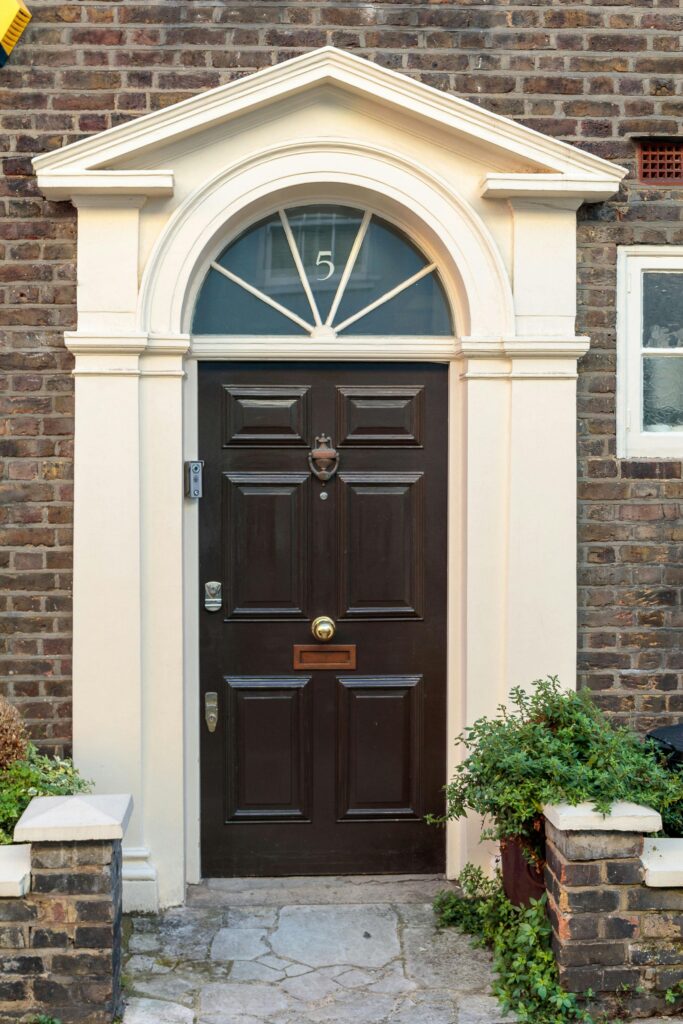
Colour-coated uPVC doors come in a variety of shades, finishes, and textures, from sleek modern hues to realistic woodgrain effects. This allows you to customize the door to complement your home’s exterior, enhancing its overall charm and curb appeal.

2. Superior Durability

The colour coating is engineered with UV-resistant properties, protecting the door from fading, peeling, or cracking caused by prolonged sun exposure or harsh weather. This ensures the door retains its vibrant look for years, even in tough conditions.

3. Minimal Maintenance

Unlike traditional painted doors, colour-coated uPVC doors require little upkeep. The coating resists dirt, grime, and stains, making maintenance as easy as a quick wipe with a damp cloth, saving you time and effort.

4. Enhanced Weather Resistance

The protective coating strengthens the door’s ability to withstand rain, wind, and temperature extremes. This prevents warping, rotting, or corrosion, ensuring long-lasting performance and reducing replacement costs.

5. Energy Efficiency

uPVC doors are naturally energy-efficient, and colour coating can further improve insulation by reflecting heat. This helps maintain a comfortable indoor temperature, reducing energy bills and contributing to a more sustainable home.

6. Cost-Effective Style

Colour coating offers a budget-friendly way to achieve a premium look without the expense of materials like timber or aluminium. You can create a high-end appearance tailored to your taste at a fraction of the cost.

Conclusion

uPVC colour coating doors offer a perfect blend of style, durability, and practicality. With their low maintenance, weather resistance, and customizable finishes, they provide long-term value and enhance your home’s exterior. Upgrade to colour-coated uPVC doors for a secure, energy-efficient, and visually appealing entrance.

Evaluating evacuation plans in coastal condominiums requires scrutiny of documented procedures and physical infrastructure designed to protect residents during emergencies. When considering properties like Magaret Drive Condo or any coastal development, potential buyers should look beyond amenities and views to assess how well the community has prepared for hurricanes, flooding, tsunamis, and other coastal hazards. Comprehensive evacuation planning can differentiate between orderly departure and dangerous chaos during critical situations. This essential due diligence often gets overlooked in the excitement of coastal property shopping, but remains crucial for long-term safety.

Documentation depth

Quality evacuation plans exist in written form, not merely as verbal assurances from sales representatives or property managers. Request copies of the official evacuation procedures and examine their comprehensiveness. Firm plans include clear triggers for evacuation levels based on storm categories or surge predictions rather than vague guidelines. They specify responsibilities for staff members and identify who makes evacuation decisions. Adequate documentation includes detailed evacuation routes with primary and alternative pathways mapped. Look for evidence that plans undergo regular review and updates, particularly after near-miss events that revealed weaknesses.

Communication systems

  1. Multi-channel notification systems (text, email, phone, app alerts)
  2. Backup communication methods for power outages
  3. Designated floor captains or evacuation coordinators
  4. Regular drills testing both systems and resident participation

How information flows during emergencies reveals much about a community’s preparedness level. Effective evacuation communication includes redundant notification systems that don’t rely solely on electricity or internet connectivity. Ask about how evacuation orders get communicated to residents travelling or temporarily away from their units. Communities with part-time residents should maintain updated emergency contact information and clear protocols for reaching absentee owners. Inquire whether the property conducts regular evacuation drills and how it ensures temporary guests understand emergency procedures.

Infrastructure readiness

Building design and infrastructure play crucial roles in safe evacuations. Examine whether stairwells have emergency lighting, battery backups, and clear signage visible in smoky or dark conditions. Multiple exit routes from each floor provide essential redundancy if primary paths become blocked. Ask whether critical systems like emergency generators undergo regular testing and maintenance. Buildings with dedicated emergency operation centres or storm-hardened rooms for essential personnel show a serious commitment to disaster management. Some coastal properties incorporate helicopter landing areas on roofs for extreme scenarios or maintain agreements with nearby elevated structures for temporary shelter.

Post-evacuation planning

  • Re-entry procedures and identification requirements
  • Damage assessment protocols before resident return
  • Communication systems for dispersed evacuees
  • Alternative housing arrangements for extended displacements
  • Essential services restoration priorities

Comprehensive evacuation planning includes structured return procedures beyond getting residents out safely. Look for detailed re-entry protocols that prevent residents from prematurely returning to unsafe conditions. Effective plans establish communication methods to reach evacuated residents with status updates and return timelines. Some associations maintain contracts with restoration companies that provide priority service following disasters. Communities that address temporary housing needs demonstrate forward-thinking management.

Evacuation planning quality varies dramatically between coastal properties, with some treating it as a mere regulatory checkbox while others develop robust systems. When evaluating potential coastal homes, allocate time for emergency preparedness assessment as part of your due diligence process. Ask current residents about their experiences during past evacuations rather than relying solely on management representations.

The demand for blinds for balcony installations has surged across Singapore’s residential landscape, transforming what were once peripheral spaces into functional extensions of the home. In a city-state where private outdoor areas come at an extraordinary premium, these architectural interventions represent calculated adaptations to Singapore’s unique combination of tropical climate, dense urban living, and evolving concepts of domestic space.

The Climate Imperative

Singapore’s punishing combination of heat, humidity, and intense rainfall creates a natural barrier to comfortable balcony use for much of the year. Temperature readings regularly exceed 32°C during daylight hours, humidity consistently hovers above 80%, and annual rainfall averages 2,340mm—often arriving in dramatic, furniture-soaking downpours that can materialise in minutes.

“Without proper blinds, most Singapore balconies remain functionally unusable for at least 60% of daylight hours,” explains Dr Tan Wei Ling, environmental architect at the National University of Singapore. “The installation of appropriate blinds transforms these spaces from occasional-use areas to functional extensions of the home that can be enjoyed throughout the day.”

This transformation occurs through several key mechanisms:

  • Temperature reduction of 5-9°C in direct sun conditions
  • Wind mitigation during monsoon seasons
  • Protection from sudden rainfall events
  • UV filtering preventing furniture damage
  • Reduced glare making screens and devices usable

The Economic Calculation

Beyond comfort considerations, balcony blind installations increasingly represent strategic economic decisions for Singapore homeowners. Property valuations reveal a growing price premium for units with weather-protected balconies, while rental data shows an accelerating preference for apartments with usable outdoor spaces.

“We’ve tracked a consistent 4-7% valuation premium for units with properly outfitted balconies compared to identical floor plans lacking these features,” notes property analyst Sarah Chen of Singapore Real Estate Analytics. “This translates to an average return of 3.2 times the installation investment at the point of sale—one of the highest ROIs for any non-structural home improvement.”

This economic reality has driven increasingly sophisticated approaches to balcony design, focused on:

  • Weather-appropriate material selection optimised for tropical conditions
  • Motorised systems allowing rapid deployment during sudden weather changes
  • Integration with smart home systems for automated environmental response
  • Aesthetic considerations aligning with architectural elements
  • Energy efficiency impacts on adjacent interior spaces

The Material Revolution

The evolution of materials science has transformed balcony blind options, with Singapore’s extreme climate driving innovation in waterproof fabrics, corrosion-resistant hardware, and UV-stable composites specifically engineered for tropical applications.

“Today’s materials bear little resemblance to the canvas awnings and aluminium shutters that dominated the market even five years ago,” explains materials engineer Dr. Lee Kuan Wei. “Modern PVC-coated polyester weaves, PTFE-treated fabrics, and marine-grade stainless steel components can withstand years of tropical exposure while maintaining both functionality and appearance.”

This materials revolution manifests in several categories:

  • High-density acrylic fabrics with hydrophobic nanotechnology coatings
  • Motorisation systems with IP67 weatherproofing for tropical downpours
  • UV-stabilised PVC that maintains flexibility and appearance despite intense sun exposure
  • Antimicrobial treatments preventing mould and mildew colonisation
  • Structural aluminium alloys engineered specifically for coastal environments

The Privacy Dimension

Beyond climate control, privacy considerations drive many blind installations in Singapore’s densely packed residential towers, where balconies often face directly into neighbouring units merely metres away. The psychological comfort of creating visual barriers has emerged as a powerful secondary motivation.

“When we survey clients about their motivations, climate protection remains primary, but privacy ranks a very close second,” notes Wong Jin Wei, founder of Singapore Balcony Specialists. “In developments where units directly overlook each other, the ability to enjoy outdoor space without constant visibility has a significant impact on how frequently balconies are used.”

This privacy function operates through several mechanisms:

  • Visual screening from adjacent buildings without sacrificing airflow
  • Creation of semi-private transition spaces between interior and exterior
  • Psychological comfort enabling relaxation and conversation
  • Protection from external observation during evening hours
  • Sound dampening reducing neighbour awareness

blinds for balcony

The Design Integration

Singapore’s most sophisticated balcony installations represent carefully considered design integrations rather than mere functional additions. Colour coordination with exterior façades, matching of architectural lines, and seamless operation have become standard expectations among discerning clients.

“The most successful installations essentially disappear when retracted and appear intentional elements of the original architecture when deployed,” explains interior designer Mei Lin Tan. “This requires careful assessment of mounting points, colour matching to exterior elements, and selection of hardware that complements rather than disrupt architectural lines.”

This design consciousness manifests in:

  • Colour-matched components coordinating with exterior colour schemes
  • Recessed installation methods minimising visual impact when retracted
  • Integration with balcony railings and structural elements
  • Hidden wiring and control systems for motorised options
  • Complementary fabric selections enhancing architectural features

The Future Integration

As Singapore continues its evolution toward smart, sustainable urban living, balcony blind systems have begun integrating with broader home automation and energy management systems. The balcony—once an architectural afterthought—has become an active component in whole-home environmental strategies.

“The most advanced systems we now install incorporate environmental sensors, automated deployment based on sun position or rainfall detection, and integration with interior climate control,” explains smart home specialist Lim Jian Wei. “The balcony blind becomes part of a coordinated approach to managing the home’s interaction with external conditions.”

This integration encompasses several emerging technologies:

  • Wind sensors triggering automatic retraction during dangerous gusts
  • Rain detection initiating immediate deployment during downpours
  • Sun positioning systems that adjust blind angles throughout the day
  • Temperature monitoring that coordinates with interior air conditioning
  • Mobile applications allowing remote deployment from anywhere

For Singapore’s forward-looking homeowners, these integrated approaches transform what began as simple weather protection into sophisticated environmental management systems tailored to the city-state’s unique climate challenges. When properly selected and installed with Singapore’s specific conditions in mind, blinds for balcony spaces represent strategic investments in expanded living space, enhanced property value, and improved quality of life.

A common factor that gives space for mold growth is moisture, but this alone is not the single cause. There are several causes of mold growth and we are unaware of most of them. It never guarantees that your home doesn’t have any moist area; the possibility of mold growth is eliminated. Also, if you are constantly having allergies, runny nose, and headaches, the chances of mold in your home increase, and it does call for immediate mold testing in Toronto. Let’s discuss more common causes of mold growth.

Constant Humidity

Areas which have high-level of humidity are more prone to mold development. This maybe a natural phenomenon, but not something a human’s anatomy is adapted to. The mold growing in high humidity makes walls, celing, sinks, and dark places their home. If you are living in such an area or even an apartment where high and constant humidity is a concern, always keep an eye for the mold, and ensure that there is ample ventilation.

Leaking Pipes

Other than moist, water attracts mold like a magnet. If your home has pipe leakage, then mold is an inevitable guest. To ensure that you don’t deal with it, keep a check on areas with pipes like under the sink, geyser, and even areas near air conditioning, which become an easy place for mold disposable.

No Proper Ventilation

Building homes doesn’t mean that you can survive living in a packed conidtion. There should be a regular airflow in home and it minimized the chances of mold growth in home. The constant use of appliances creates damp environment and if the air is not finding its way out and is not being replaced with fresh air flow, mold will be your permanent guest.

Wet Basement

Water and mold is like an inseparable friend. The latter will follow the former. If you are ensuring that no place in your house catches moist, good for you, but in the process, do not forget to keep a check in your basement which is the most ignored place when it comes to check for water.

With mold growing in your house, you will not need any better enemy for your health. To not fall prey to one of the worst health disasters, always keep the corners of your house in check.