
Category

Home improvement

Category

During the summer seasons, as the temperature of the environment increases, the activity of the flies also increases simultaneously, and as a result, they become a common regular household pest in every British household. Though it has been estimated that there are thousands of species of flies worldwide, only a few among them are commonly found within UK properties.

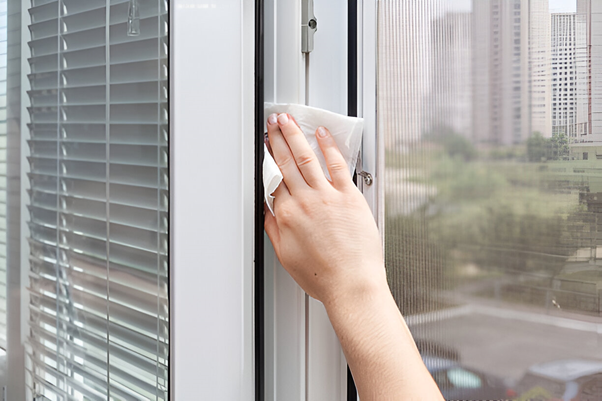
One of the most viable solutions in the UK is the installation of a set of fly screens that keep flies out while continuing to admit fresh air into the homes. Specialized firms such as Premier Screens Ltd provide custom solutions to allow houses to remain safe without having to endure a lack of ventilation.

Common UK Fly Species

Identifying the types of flies that buzz in your house is useful in addressing the infestation problem easily.

The following are the most frequent offenders:

1. Bluebottle Fly

  • Appearance: Their size is probably 5 to 8mm long, with having metallic-blue body.
  • Attracted to: Old meat left in the home, animal droppings, and open trash cans.
  • Risk: Indicates decaying organic matter nearby (e.g., dead rodents).
  • Solution: Remove all the food supplies and partially block all the entry points by installing a fly screen.

2. Cluster Fly

  • Appearance: Larger than houseflies (6 to 10mm), with golden hairs on a dark body.
  • Behaviour: During the winters, they hibernate in the holes in the wall and attics.
  • Solution: Seal openings and vacuum dormant flies to prevent re-entry.

3. Fruit Fly

  • Appearance: Tiny (3mm), tan-and-black body.
  • Attracted to: Rotten fruit, liquids that are being fermented, and drenched mops.
  • Solution: Keep fruit in the fridge and use traps with vinegar to get rid of them.

4. Housefly

  • Appearance: Grey-coloured with striped body, size 5-8mm.
  • Attracted to: Decaying foodstuffs, trash, and animal faecal matter.
  • Solution: Keep the areas clean and have fly screens on the windows.

Why Flies Invade Homes

The flies are in search of shelter, food, and breeding grounds.

Some of their main reasons for entering are:

  • Warmth: Cluster flies try to spend time during the winter in the house.
  • Food sources: Exposed garbage or degrading organic materials.
  • Moisture: Drain flies are attracted to damp places such as drains.

Prevention Tips

It takes a combination of cleanliness and physical prevention to keep flies out:

  • Seal entry points: Leaks near the windows, doors, and vents.
  • Use fly screens: Premier Screens Ltd provides durable options for all window types.
  • Eliminate attractants: Keep the foodstuffs well, empty the garbage frequently, and repair leaks.

When to Call Professionals

For severe infestations—especially those linked to hidden decay (e.g., bluebottles near walls)—professional pest control may be necessary. In the meantime, there is also a long-term preventative measure available, such as a fly screen.

Final Thoughts

The fly pests that are found in UK homes during the summer include buzzing of houseflies and swarms of clusters, among others. Simple things, such as sealing the holes and fitting a fly screen, will make a world of difference.

When you need professional services, Premier Screens Ltd prevents pests from entering your home and introduces fresh air. Stay vigilant, and don’t let these pests ruin your summer!

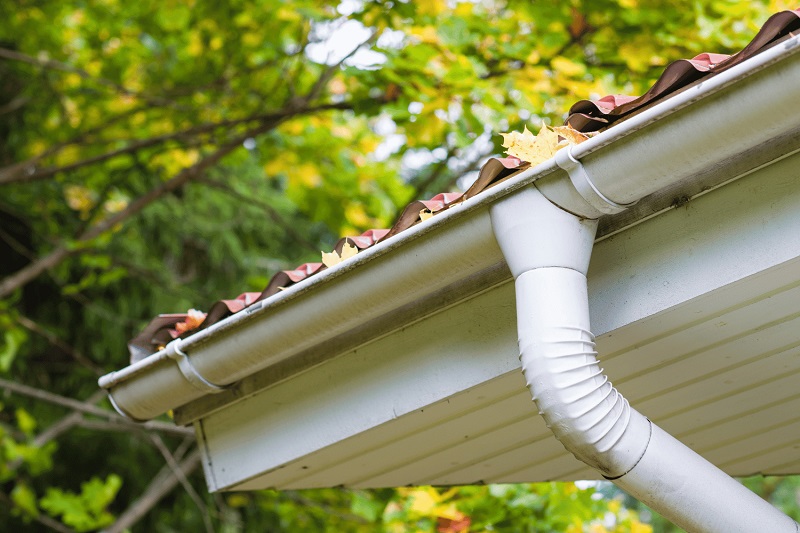
Installed on flat or low-slope roofs, roof scuppers are crucial drainage elements that let water go down the roof surface and avoid collecting. They serve as overflow drains, channelling snowmelt and rainfall into storm drains or downspouts. When scuppers are operating properly, they prolong the roof structure’s lifespan and shield it from water damage. Like any roofing component, scuppers may eventually have issues that reduce drainage effectiveness and result in leaks or structural problems. Maintaining a healthy roof system requires early detection of typical scupper issues.

Clogging and Blockages: The Most Frequent Issue

Common scupper concerns include debris clogging. In the drainage path or scupper aperture, debris, twigs, leaves, and other detritus can block water flow. Failure to remove water from the roof can cause leaks, material deterioration, and structural damage. Clogged scuppers require frequent cleaning and inspection. Use a garden hose or pressure washer to remove debris and manually remove impediments. Protection screens or grates over scuppers can prevent future clogs.

Leaks around Scupper Openings

Scupper holes often leak due to poor sealing or flashing. Since they penetrate the roof, scuppers must be waterproofed to prevent water from entering the walls or roof deck. Leaks often result from corroded metal flashing, damaged sealant, or roof membrane-scupper overlap. Clean the area and remove damaged items before addressing leaks. After that, replace rusty flashing and seal the scupper edges with quality roofing sealant. Applying a new waterproof membrane patch can enhance the barrier and stop leaks.

Corrosion and Material Deterioration

Usually composed of metal, roof scupper can corrode over time from exposure to weather and water. The scupper is weakened by corrosion, which might result in holes, splits, or structural failure that hinders drainage. Check scuppers frequently, especially on older roofs, for indications of corrosion or degradation. The lifespan of the scupper can be increased by using paint and primer that inhibits rust if the corrosion is not severe. However, in order to guarantee adequate drainage and prevent leaks, severe corrosion frequently necessitates replacing the scupper completely.

Proper Maintenance and Professional Repairs

Regular maintenance is the best defence against scupper issues. To check for debris, leaks, corrosion, and flashing condition, schedule routine roof inspections. Address any problems as soon as possible to prevent further, expensive damage. Professional roofing contractors are best suited to address more complicated issues like substantial corrosion or membrane damage, but do-it-yourselfers can undertake small repairs. Professionals possess the equipment and know-how to guarantee that the scuppers are replaced or repaired appropriately, restoring efficient drainage and safeguarding your roof investment.

Conclusion

Finally, clogging, leaks, and corrosion are common roof scupper issues that, if ignored, can hurt your roof’s drainage and cause damage. Maintaining the health of your roof and keeping your scuppers operating correctly require routine cleaning, prompt repairs, and expert inspections.

When it comes to home remodeling or new construction, cabinet manufacturers play a pivotal role in creating functional and stylish spaces. Bespoke cabinets offer the flexibility and design precision that homeowners and interior designers demand. Whether you’re designing a modern kitchen, a luxury walk-in closet, or a timeless bathroom vanity, choosing the right custom cabinet partner is essential.

Here are 10 top bespoke cabinet manufacturers in North America, including global leader Oppein Home, that deliver high-quality craftsmanship and design innovation.

1. Oppein Home

  • Headquarters: Guangzhou, China
  • Showroom: Ontario, Canada
  • Specialty: Whole-house custom cabinetry, including kitchens, wardrobes, vanities, and interior doors
  • Strength: Global manufacturing power, advanced automation, and local service in Canada

Oppein is one of the world’s largest and most advanced cabinet manufacturers, offering customized solutions that suit a wide range of styles and budgets. With a design philosophy rooted in precision, efficiency, and aesthetics, Oppein combines European design trends with cutting-edge technology. With expert local service, fast shipping, and a vast product selection, Oppein makes the renovation process seamless for both homeowners and design professionals.

2. Plain & Fancy Custom Cabinetry

  • Headquarters: Schaefferstown, Pennsylvania, USA
  • Specialty: Handmade kitchen cabinetry
  • Strength: High-end finishes, timeless American craftsmanship

Plain & Fancy Custom Cabinetry is a family-owned business specializing in traditional and transitional custom kitchen cabinets. Each piece is handcrafted with precision, and the company is known for exceptional finishes and customized detailing.

3. Crystal Cabinet Works

  • Headquarters: Princeton, Minnesota, USA
  • Specialty: Premium hardwood cabinetry
  • Strength: Over 75 years of custom cabinet-making experience

Crystal Cabinet Works offers fully bespoke cabinets crafted from premium materials. They focus on sustainability and design flexibility, offering limitless combinations of styles, colors, and finishes for kitchens, baths, and beyond.

4. Downsview Kitchens

  • Headquarters: Toronto, Ontario, Canada
  • Specialty: Ultra-luxury custom kitchens and built-ins
  • Strength: In-house design and millwork for architect-level customizations

Downsview Kitchens serves clients looking for elegant, tailor-made cabinetry with refined detailing. Their close collaboration with interior designers and architects ensures that each kitchen is a masterpiece of design and function.

5. Cabico Custom Cabinetry

  • Headquarters: Coaticook, Quebec, Canada
  • Specialty: Bespoke and semi-custom cabinetry for residential projects
  • Strength: Flexible product lines (Cabico Essence and Elmwood Series)

Cabico combines advanced technology with artisanal craftsmanship. Their Elmwood series is particularly popular among interior designers for its exquisite finishes and limitless customization options.

6. Wood-Mode Fine Custom Cabinetry

  • Headquarters: Kreamer, Pennsylvania, USA
  • Specialty: Luxury custom cabinetry for kitchens, baths, and more
  • Strength: A legacy brand with a reputation for excellence

For over 75 years, Wood-Mode has been a premier cabinet manufacturer in North America. Known for rich wood selections and elegant traditional styling, Wood-Mode is a go-to for high-end residential projects.

7. Superior Cabinets

  • Headquarters: Saskatoon, Saskatchewan, Canada
  • Specialty: Custom cabinetry with modern design aesthetics
  • Strength: Strong dealer network and focus on the Western Canadian market

Superior Cabinets provides comprehensive cabinet solutions for both renovation and new construction projects. Their team supports clients with expert design consultations, factory-quality production, and reliable service.

8. Dura Supreme Cabinetry

  • Headquarters: Howard Lake, Minnesota, USA
  • Specialty: Custom and semi-custom cabinetry
  • Strength: American-made with a wide variety of door styles and finishes

Dura Supreme is known for design flexibility and craftsmanship. Whether you’re after modern minimalism or classic elegance, their cabinetry collections can be tailored to meet the exact specifications of your home project.

9. Omega Cabinetry

  • Headquarters: Waterloo, Iowa, USA
  • Specialty: Custom cabinetry for high-function kitchens and baths
  • Strength: Personalization with expert design support

Omega Cabinetry is dedicated to bringing ideas to life with a highly customizable product line. They partner closely with designers and homeowners to create cabinetry that fits individual lifestyles and aesthetics.

10. Störmer Kitchens (North American Division)

  • Headquarters: German design with North American presence
  • Specialty: Modern, European-style cabinetry
  • Strength: Precision engineering and minimalist design

Störmer brings European cabinet design to North American homes with streamlined, contemporary styles. Their cabinetry combines modern aesthetics with durable construction, making it ideal for urban condos or modernist homes.

Conclusion

Choosing the right cabinet manufacturers is a crucial step in achieving a successful home renovation or interior design project. The ten brands listed above represent a range of styles, price points, and customization levels to suit every type of home and project.

If you’re seeking a globally recognized brand that offers bespoke solutions tailored to North American homes, Oppein Home should be at the top of your list. From modern kitchens to luxurious walk-in closets, Oppein delivers outstanding value, design excellence, and unmatched service.

OPPEIN Canada offers a wide range of whole-house products, including kitchen cabinets, wardrobe closets, bathroom vanities, interior doors, and more. You can enjoy a one-stop shopping experience here. Visit Oppein cabinetry and learn more about our service.

As vertical living becomes more common and accessible living takes center stage, more homeowners in Kuala Lumpur are turning to home lifts as a functional upgrade to their properties. Whether it’s for enhancing mobility, future-proofing a residence, or simply elevating everyday convenience, installing a home lift is no longer a luxury—it’s a strategic decision.

But like any major home improvement, it requires careful planning. From understanding local compliance to budgeting for installation, this guide provides a complete overview for anyone considering a home lift in the capital city.

Why Consider a Home Lift in KL?

Kuala Lumpur is a bustling city where homes are being designed taller rather than wider. Double and triple-storey homes are common, especially in urban and suburban neighborhoods. For families with elderly members, individuals with mobility challenges, or those simply wanting to make life easier, home lifts have become an increasingly popular solution.

And let’s face it—there’s a certain elegance in pressing a button and gliding between floors.

Local Building Regulations You Should Know

Before jumping into your elevator installation journey, it’s essential to understand that Kuala Lumpur has its own set of building codes and safety regulations related to home lifts.

1. Permit Requirements

In most cases, installing a home lift in KL will require approval from the local municipal council (DBKL or relevant local authority). While requirements vary by property type, common paperwork includes:

  • Engineering drawings
  • Structural integrity reports
  • Safety compliance documentation
  • Lift system certification

Make sure your installer is familiar with DBKL or Selangor State requirements if you’re located in a surrounding area.

2. Safety & Accessibility Standards

Malaysia generally follows guidelines aligned with international standards (such as EN81 or ISO standards). These regulations ensure:

  • Emergency stop functions
  • Automatic descent during power failure
  • Enclosed lift shafts or tubes
  • Regular maintenance protocols

Failing to meet these standards can not only result in fines but also compromise occupant safety.

3. Retrofitting Approval

If you’re planning to retrofit a lift into an existing home rather than a new build, an engineer’s assessment will be required to ensure the structure can support the changes. Some older homes may need wall reinforcement or ceiling modifications, which adds time and cost.

Price Range for Home Lifts in Kuala Lumpur

So, how much does it cost?

Generally speaking, home lifts in Kuala Lumpur fall within the MYR 139,000 to MYR 279,000 range, depending on multiple factors. Here’s what influences the price:

A. Type of Lift

  • Vacuum (Air-Driven) Lifts: Ideal for compact homes, minimal construction needed.
  • Hydraulic Lifts: Smooth operation, but more expensive installation due to pits or machine rooms.
  • Traction or Cable-Based Lifts: Best for buildings with more than three floors.
  • Shaftless Lifts: Economical, but best suited for two-storey homes.

B. Number of Stops

Each additional floor adds to the overall price due to more complex engineering and equipment. For instance, a 2-stop lift might start at MYR 145,000, while a 4-stop system could easily reach MYR 260,000 or more.

C. Customization & Materials

Custom finishes such as glass enclosures, stainless steel interiors, touchscreen panels, or special flooring significantly increase the price. Standard finishes will keep you closer to the lower end of the range.

D. Installation Site Complexity

New builds allow easier integration of a lift, often reducing installation time and costs. Retrofitting into an existing home may involve additional construction work, especially in double-brick homes or where ceiling height is limited.

E. Energy Efficiency & Tech Features

Models that offer smart home integration, battery backup systems, and low-energy motors may have a higher upfront cost but will save money in the long run through reduced power consumption.

Installation Timeline: What to Expect

Contrary to what many people think, installing a home lift doesn’t take months. In most cases, the timeline can range from 2 to 10 days depending on complexity.

Here’s a rough outline:

Phase Estimated Duration
Site inspection & planning 1 – 2 days
Engineering assessment 2 – 5 days
Lift installation 2 – 7 days
Safety inspection & test 1 day

Tip: Always factor in additional days for permit approval or unexpected construction hiccups.

Installation Tips: Getting It Right the First Time

1. Plan Early—Especially for New Builds

If you’re building a new home, mention your intent to install a lift as early as the blueprint stage. It’s far more efficient to integrate a lift shaft during initial construction than to rework a completed home.

2. Get a Structural Evaluation

This is particularly critical for retrofitted lifts. Engage a qualified structural engineer to assess floor load, ceiling height, and wall strength.

3. Work with Certified Installers

Always choose installers with a proven track record and proper licenses. Make sure they’re familiar with Malaysian regulations, especially in the KL area.

4. Think About Power Backup

KL is prone to the occasional power outage. Consider models that come with automatic descent or battery backup systems to ensure you’re never stuck mid-ride.

5. Choose What You Need—Not What’s Flashy

It’s easy to be tempted by sleek displays, exotic materials, or high-end audio systems. Focus on what adds long-term value—such as safety features and durability—rather than surface-level luxuries.

Long-Term Costs & Maintenance

Owning a lift doesn’t stop at installation. Be sure to account for:

  • Annual maintenance contracts: Typically MYR 1,500–3,000
  • Part replacements: Varies by model and usage
  • Emergency servicing: Check if it’s included in the warranty

A well-maintained lift can last 20+ years, making it a worthwhile investment.

Final Thoughts

Whether you’re in Bangsar, Cheras, Mont Kiara, or any other KL neighborhood, installing a home lift is no longer seen as indulgent—it’s a proactive choice that enhances lifestyle, safety, and home value.

But the key to a successful installation lies in preparation. Understanding local regulations, knowing what you’re paying for, and choosing the right team can make all the difference between a smooth ride and a bumpy experience.

If you’re ready to make vertical living easier and more elegant, there’s never been a better time to explore your options—right here in the heart of Kuala Lumpur.