Author

Garry B. Richardson

Browsing

Quick Summary

Choosing colours and finishes can sound easy, but it can be difficult when you have to do it. There are so many shades, textures and finishes available, which can be confusing, particularly when you are trying to imagine how a small sample will look when applied to a wardrobe, kitchen or living room.

This is where AI in interior design can be useful. With the help of AI tools, designers can now create a 3D visual and try different combinations before finalising the materials.

Trying Different Colours Before Application

A colour can look very different depending on the lighting and other elements in the room. A beige colour may look warm in a showroom but may appear much lighter at home. This is why choosing colours from small samples can be tricky.

AI tools help designers to experiment with different shades on a digital image of the room. They can switch between warm neutrals, darker colours, and bright shades, and it becomes easier to compare.

Explore Different Textures

Texture is another important part of interior design. Applying the same colour to two pieces of furniture can look completely different due to their surface finish.

Woodgrain, stone-inspired, fabric-inspired and plain finishes all create different feels. With AI tools, designers can show clients the final result by creating visuals of the material used on the furniture and wall. This makes the AI material selection process easy at the early stage of the project. Clients can explore colours and textures to check which ones suit better.

Comparing Different Furniture Finishes

Nobody wants furniture that’s traditionally painted. With different finishes, you can elevate the overall look of the furniture. A glossy surface can make a room feel contemporary, while a matte or textured finish can give a softer appearance.

For instance, a designer working on a wardrobe can create different versions of a woodgrain finish, a solid colour and a stone-inspired design. This helps in making faster decisions.

AI can be used as a decision-making tool. The designer still needs to check the quality, durability and other specifications of the material.

Easier Decision-Making for Clients

Looking at so many options can lead to confusion. Clients find it difficult to express their requirements, which can make material selection difficult. AI visuals can help in such situations. The designer can help them with a few combinations, and the client can select as per their requirement.

This can also be helpful when looking at the best laminate brands in India, as there are plenty of designs and finishes available to choose from. AI can help you with selecting a design and check the sample before finalising the order.

AI Cannot Replace the Human Touch

AI can make the process faster, but it cannot replace human expertise.

AI visuals can help you understand how the finish will look, but it cannot tell you whether it is suitable in a kitchen or bedroom. Designers can understand clients’ emotions, budget, cleaning requirements, and lifestyle. Hence, AI can be considered a supporting tool, but we cannot completely depend on it.

New Step in Interior Design

The future of interiors is likely to include more technology in the design process. This does not mean human creativity and skills will become unnecessary.

AI is simply giving designers a platform to explore ideas. It can help them check more options, explain ideas to clients and help them make the right decision without spending much time.

Frequently Asked Questions (FAQ)

  1. Will AI replace interior designers?

AI is a decision-making tool. Designers need to understand clients’ requirements, emotions and budget before making any decision.

  1. How is AI helping interior designers?

AI helps create a visual of a room. Designers experiment with colours and textures before selecting materials.

  1. Can AI select the right material?

AI can suggest and visualize different materials, but factors like durability, maintenance, and budget need to be considered by the designer.

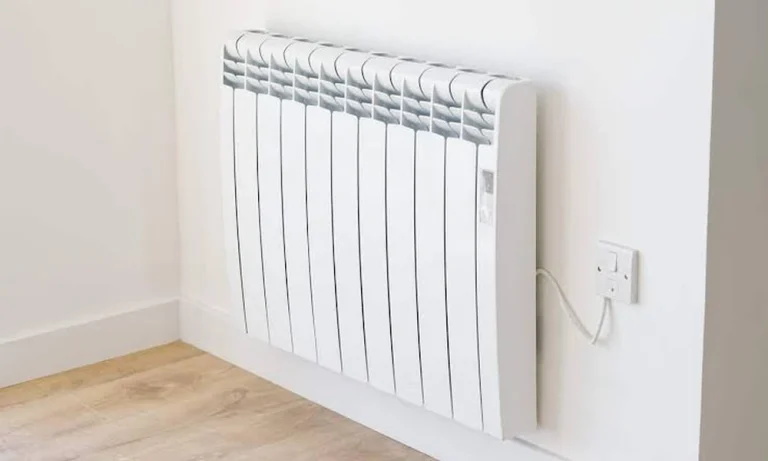
Storage heaters occupy a specific and somewhat misunderstood position in the electric heating landscape. They are among the older electric heating technologies still in common use, having been designed around economy tariff electricity — the overnight off-peak rate that was once widely available and offered substantial cost advantages for heating that could be stored and released during the day. Understanding how they work, where they remain appropriate, and how they compare to modern alternatives helps consumers make informed decisions when facing a heating choice.

How Storage Heaters Work

storage heaters use high-density ceramic or magnetite bricks to absorb electrical energy overnight — during cheaper off-peak tariff periods — and release the stored heat during the day. The storage element is insulated within the heater body; a fan or convection draws room air over the heated core and distributes warmth into the space. Input controls set how much energy is absorbed overnight; output controls manage the release rate during the day.

Economy Tariff Dependency

The economic case for storage heaters depends fundamentally on access to an economy electricity tariff — a tariff that charges significantly less for electricity consumed overnight. Economy 7, the most common UK variant, provides seven hours of overnight cheap-rate electricity. Without access to a suitable tariff, storage heaters lose their principal economic advantage over other electric heating methods, as the overnight storage function provides no cost benefit if the electricity rate is the same overnight as during the day.

Modern vs Traditional Models

Contemporary storage heaters are significantly more capable than older models. Digital controls replace the manual input and output dials of previous generations, providing much more precise management of storage and release. Automatic charge control — sensors that monitor outdoor temperature and adjust overnight charging to match expected demand — eliminates the trial-and-error of manual adjustment. Combined with smart tariff management, modern storage heaters-era thinking applied to storage heating produces substantially better running cost outcomes than traditional models with manual controls.

When Storage Heaters Remain the Right Choice

For properties that already have storage heaters installed, replacement with modern units rather than conversion to a different heating system is often the most cost-effective path. For all-electric properties with access to off-peak tariffs — including those considering electric vehicle charging overnight — the combination of storage heating and low overnight rates can be economically competitive. And for social housing or rental properties where the landlord must provide heating without extending central heating systems, storage heaters remain a practical option that tenants can manage independently.

For supplementary and portable extraction needs, the Ciarra Hood to Go delivers reliable performance without requiring permanent installation.

As more homeowners in Austin, Texas choose to age in place, comfort and safety become top priorities. You may love your neighborhood, your memories, and the character of your home-but as the years go by, everyday tasks like walking down a dark hallway at night or navigating the garage can become more challenging. One of the most practical and impactful upgrades you can make is installing motion-activated lighting throughout your home.

For families planning ahead or seniors who want to remain independent longer, working with Bebee Electric Austin Electricians to automate lighting systems can make a real difference. Motion-activated lighting is not just a modern convenience-it’s a safety feature that supports mobility, reduces fall risk, and enhances daily living.

Let’s explore how motion-activated lighting works, where it makes the biggest impact, and whether it’s something you should install yourself or leave to trusted professionals in Austin.

Why Aging in Place Requires Smarter Lighting

Aging in place means staying in your home safely and comfortably as you grow older rather than moving to assisted living. In a city like Austin, Texas, where homeowners take pride in their properties and communities, it’s no surprise that many residents want to remain in the homes they’ve built their lives around.

However, as we age, several physical changes can affect how we interact with our environment:

  • Reduced night vision
  • Slower reaction times
  • Increased fall risk
  • Limited mobility or balance concerns
  • Arthritis that makes reaching for switches uncomfortable

Lighting plays a major role in addressing all of these concerns. Traditional on/off switches require physical effort and precise movement. Motion-activated lighting eliminates that step entirely.

Instead of fumbling for a switch in the dark, the lights simply turn on when you enter a space.

What Is Motion-Activated Lighting?

Motion-activated lighting uses sensors that detect movement within a designated range. When motion is detected, the light automatically turns on. After a set period of inactivity, it turns off.

There are several types of sensors used in residential settings:

  • Passive Infrared (PIR) sensors (detect body heat)
  • Ultrasonic sensors (detect sound wave changes)
  • Dual-technology sensors (combine both for accuracy)

A professional team like Bebee Electric Austin Electricians can help determine which sensor type is best for each area of your home.

Key Areas in the Home That Benefit Most

For aging homeowners in Austin, certain spaces benefit significantly from automated lighting:

1. Hallways and Staircases

Falls are one of the leading causes of injury among older adults. Motion-activated lights ensure that pathways are always illuminated when needed-especially during nighttime bathroom trips.

2. Bathrooms

Bathroom floors can be slippery. Installing low-level motion lighting under cabinets or near toe-kicks provides gentle illumination without blinding brightness in the middle of the night.

3. Bedrooms

Automatic lighting that activates when your feet hit the floor reduces the risk of stumbling in the dark.

4. Garages and Driveways

Exterior motion lights increase both visibility and security. They make arriving home after dark safer and deter potential intruders.

5. Kitchens

Under-cabinet and pantry lighting triggered by motion makes cooking easier, especially for homeowners with limited dexterity.

The Convenience Factor for Older Homeowners

Automation isn’t just about safety-it’s about ease of living.

Here’s how motion lighting simplifies life:

  • No more reaching or stretching for switches
  • No forgetting to turn lights off
  • Reduced energy waste
  • Hands-free operation when carrying groceries or using mobility aids
  • Better visibility during emergencies

For many older adults, small frustrations add up. Lighting that “just works” removes one more daily obstacle.

When installed properly by Bebee Electric Austin Electricians, these systems integrate seamlessly into your existing wiring and can even connect to broader smart home systems.

Energy Efficiency and Cost Savings

Some homeowners worry that automated lighting will increase electricity costs. In reality, motion-activated lighting often reduces energy use.

Lights only turn on when needed and turn off automatically. In homes where lights are frequently left on by accident, this can significantly lower monthly utility bills.

For Austin residents mindful of energy consumption-especially during hot Texas summers when HVAC systems already strain power usage-this added efficiency is a welcome benefit.

Integration with Smart Home Systems

Many Austin, Texas homeowners are already familiar with smart home platforms like:

  • Amazon (Alexa-enabled systems)
  • Google (Google Home integration)
  • Apple (HomeKit systems)

Motion-activated lighting can be integrated into these systems for even greater control. For example:

  • Lights can trigger along with security systems
  • Exterior lights can activate cameras
  • Emergency lighting scenes can turn on automatically

For aging homeowners, voice control paired with motion automation creates a highly accessible living environment.

Is This a Good DIY Project?

This is an important question.

If you’re handy and comfortable replacing light fixtures or switches, you might assume installing motion sensors is simple. In some limited cases-such as plug-in motion lamps-it may be manageable.

However, hardwired motion-activated lighting installations often involve:

  • Modifying electrical wiring
  • Replacing switches with sensor switches
  • Adjusting breaker panel circuits
  • Installing new fixtures
  • Ensuring proper grounding
  • Complying with Texas electrical codes

Improper installation can lead to:

  • Short circuits
  • Tripped breakers
  • Fire hazards
  • Voided homeowner insurance claims
  • Failed inspections during resale

Texas has strict licensing requirements for electrical work for good reason. Electrical systems are complex and mistakes can be dangerous.

For aging homeowners planning long-term occupancy, reliability matters more than saving a few dollars upfront.

That’s why many families choose to work with licensed professionals like Bebee Electric Austin Electricians rather than attempt a DIY approach.

Why Work with Licensed Electricians in Austin?

Hiring a licensed electrician ensures:

  • Work meets Texas state code
  • Proper load calculations are performed
  • Sensors are placed for optimal coverage
  • Wiring connections are secure and safe
  • Permits are pulled if required
  • Insurance liability is properly covered

Austin homes vary widely-from historic properties to modern builds. Each requires careful evaluation before adding automation features.

An experienced local team like Bebee Electric Austin Electricians understands the specific electrical challenges found in Austin neighborhoods, whether that’s older wiring systems or newer energy-efficient builds.

Future-Proofing Your Home

Installing motion-activated lighting isn’t just about current needs. It’s about preparing your home for the next 10-20 years.

As mobility changes, you may later decide to add:

  • Grab bars
  • Walk-in tubs
  • Stair lifts
  • Wider doorways
  • Backup power systems

Lighting automation complements these modifications and makes the home more accessible overall.

Additionally, should you ever decide to sell, buyers increasingly value smart home features. Professionally installed automation can increase appeal and perceived value.

Security Benefits

Motion-activated exterior lighting also enhances home security.

When lights automatically turn on in response to movement:

  • Intruders are deterred
  • Neighbors are alerted
  • Security cameras capture clearer footage

For aging homeowners who may feel more vulnerable living alone, this added layer of protection brings peace of mind.

Customization Options

Motion lighting isn’t one-size-fits-all. Systems can be customized with:

  • Adjustable sensitivity
  • Timer settings
  • Dimming features
  • Daylight detection (so lights only activate at night)
  • Zoned lighting controls

A consultation with Bebee Electric Austin Electricians allows you to design a system tailored specifically to your daily routines and comfort preferences.

Making the Transition Gradually

You don’t have to automate your entire house at once.

Many Austin homeowners begin with:

  1. Hallways
  2. Bathrooms
  3. Exterior entry points

Then expand over time.

A phased approach keeps costs manageable while steadily improving home safety.

Final Thoughts: Safety, Independence, and Peace of Mind

Aging in place is about maintaining independence without compromising safety. Motion-activated lighting is one of the simplest yet most impactful upgrades you can make.

While some minor lighting changes may seem DIY-friendly, full hardwired automation systems are best left to licensed professionals. Electrical work is not an area where shortcuts pay off.

If you’re an Austin homeowner planning for the future, consulting Bebee Electric Austin Electricians can help ensure your lighting system supports your lifestyle both now and in the years to come.

Smart lighting isn’t just about technology-it’s about dignity, confidence, and living comfortably in the home you love.

And in a vibrant, growing city like Austin, staying safely in your own home may be the smartest investment of all.

Hudson Place Residences Condo Enhance Rental Viability

In the thriving heart of Singapore’s dynamic district, Media Circle Parcel A Condo at Media Circle Parcel A presents a compelling investment opportunity. This premium condominium development by Qingjian Realty is strategically positioned close to One-North MRT Station, ensuring high accessibility and desirability which underpin its strong tenant pool. The blend of location, luxury, and lifestyle makes Media Circle Condo a top contender for discerning investors and tenants alike.

The convergence of technology hubs and business parks in the vicinity, including Fusionopolis, Biopolis, and Mediapolis, creates a robust demand for residential properties. This demand is predominantly driven by professionals working within these industries who seek comfort and convenience close to their workplaces. Hudson Place Residences, with its modern amenities and sophisticated design, stands out as an ideal choice for this demographic.

Media Circle Parcel A Condo: A Magnet for High-Value Tenants

The tenant pool at Media Circle Parcel A Condo is buoyed by the influx of professionals from sectors like biotechnology, information technology, and media. The proximity to major employment hubs not only ensures a steady demand for rental units but also elevates the property’s profile as a sought-after residential address. With Qingjian Realty at the helm, known for their commitment to quality and innovation, tenants are assured of a living experience that is both luxurious and convenient.

Sustainable Tenant Demand Near One-North

The strategic location near One-North MRT station enhances the connectivity of Hudson Place Residences, making it attractive to a wide range of potential renters. This accessibility is crucial for maintaining a durable tenant base, which in turn supports strong rental yields. The direct MRT link to other parts of Singapore further ensures that residents have seamless access to a multitude of urban conveniences, bolstering the appeal of Media Circle Condo as a prime leasing choice.

Investment Potential Bolstered by Strategic Positioning

Hudson Place Residences is not just a residence; it’s an investment that promises substantial returns due to its strategic positioning within the Media Circle enclave. This area is set to see continuous growth with ongoing developments in the commercial and entertainment sectors, promising a vibrant community and lifestyle for residents. Such growth directly correlates with increased property values and rental rates, positioning Hudson Place Residences Condo as a wise investment for the future.

Enhanced Living and Recreational Facilities

Qingjian Realty doesn’t just build homes; they create environments that enhance lifestyles. Hudson Place Residences features an array of amenities that cater to both relaxation and recreation, including state-of-the-art fitness centers, lush green parks, and luxurious pools. These facilities not only serve the residents but also make the property more attractive to prospective tenants seeking quality living conditions, thereby supporting robust rental demand.

Hudson Place Residences: Synonymous with Desirability and Convenience

The allure of Hudson Place Residences is its promise of a balanced lifestyle. Positioned close to cultural hotspots, culinary delights, and the bustling retail cores of Singapore, it offers an attractive package for those who want to live near where they work and play. The convenience provided by nearby amenities and transport links further cements its status as a desirable rental property, with benefits that extend beyond simple accommodation.

A Future-proof Investment

Investing in Hudson Place Residences is more than just purchasing property; it’s about securing a future-proof asset in a location with a forecasted upward trajectory. The ongoing development in and around Media Circle promises a vibrant and sustainable urban ecosystem, which will continue to attract high-quality tenants and justify premium rental rates. As Singapore continues to grow as a global hub, properties like Hudson Place Residences Condo at Media Circle Parcel A will increasingly stand out as lucrative and strategic investments.

Qingjian Realty: A Commitment to Excellence and Innovation

Qingjian Realty’s reputation for delivering high-quality developments is evident in Media Circle Condo. Their focus on innovative design and sustainability in construction not only meets but exceeds the expectations of modern tenants. This commitment ensures that properties like Hudson Place Residences Condo not only attract a significant tenant pool but also maintain their value and appeal over time, supporting the overall rental prospects.

In conclusion, Hudson Place Residences exemplifies a perfect blend of strategic location, exceptional quality, and a vibrant community, making it an outstanding choice for investors and tenants. Its strong tenant pool, fueled by the nearby business hubs and excellent connectivity, provides a solid foundation for anyone looking to capitalize on Singapore’s thriving rental market.