Category

Construction

Category

Key Takeaways

Crane rental agreements frequently hide fees like insurance and transport costs. If you don’t clarify these beforehand, your total expenditure can really shoot up.

Don’t underestimate job site challenges, especially terrain and accessibility. These factors can seriously impact your ability to deploy the crane and hit deadlines.

Picking the wrong crane type or size could create major safety hazards or lead to equipment failure. It’s vital to grasp load capacities and understand the specific needs of your job.

Using specialized attachments can maximize crane efficiency. So, it’s smart to discuss your project requirements with rental companies if you want to optimize performance.

Last-minute crane rentals often mean higher costs and safety issues. By planning ahead and booking in advance, you can avoid these pitfalls.

Putting money into safety during crane operations is crucial. Ignoring this aspect could lead to severe financial and legal consequences.

Building solid relationships with crane rental companies can result in better service and rates. Keeping communication open and providing feedback can help in the long run.

The Most Common Crane Rental Pitfalls: What You’re Overlooking

Ignoring the Fine Print: Rental Agreements and Hidden Fees

Renting a crane? Watch out for the fine print. Seriously, skimming rental agreements is a common mistake. Hidden fees can pop up unexpectedly-think of them as the sneaky villains of the process. You might believe you’ve secured a fantastic deal, only to find those extra charges might make your wallet weep. Ever encountered those insurance costs? They can nearly double your rental rate without you even realizing it.

Here’s what I learned: don’t just accept that first quote without probing. Always inquire about:

  • Insurance requirements: Understand your liabilities.
  • Transportation costs: Delivery fees might get out of hand if you’re not vigilant.
  • Late return penalties: They don’t play around; holding on to the crane too long can cost you.

These hidden fees can ruin a perfectly good deal, turning it into a budget disaster. Request the rental company to outline everything in simple terms. Trust me, you’ll thank yourself later!

Underestimating Job Site Challenges: Terrain and Accessibility Issues

Think you’ve got everything sorted? Not so fast. Many overlook challenges specific to the job site that can derail plans. Terrain can be tricky. Those hidden hills, mud patches, and holes can become your unexpected foes. I’ve been in a muddy field, staring in disbelief, wondering how we’d even get the crane back out.

Then there’s accessibility. If the rental company arrives and can’t position the crane easily, it’s a disaster. Keep these points in mind:

  • Road conditions: Are you dealing with an unpaved road? Or potholes everywhere?
  • Space constraints: Will there be room for the crane to maneuver?
  • Proximity to power lines: This isn’t a small detail; it’s a significant safety concern.

Let’s face it: anticipating the unexpected is part of the gig. Don’t let a lack of knowledge cause delays or extra costs.

Choosing the Wrong Crane Type: How to Avoid Costly Missteps

Understanding Load Capacities: Why Size Really Matters

Here’s a revelation that often catches many by surprise: cranes come in all shapes and sizes. But remember, load capacity is non-negotiable. Picking the wrong crane could lead to massive problems on-site. You might think you’re saving money by choosing a machine with lower capacity, but spoiler alert-that’s a risky bet.

I once made the mistake of opting for a crane that barely met our needs to save a few bucks. Huge error. You can’t afford to risk damaging materials or, worse, putting someone’s safety in jeopardy. When choosing equipment, always consider:

  • Maximum load: Always calculate the total weight of what you’re lifting.
  • Working radius: Decide how far the crane needs to reach out.
  • Height restrictions: Know the maximum lift height you’ll need.

Take the time to consult with your site supervisors or crane operators. Seriously, don’t skip this step. You’ll be grateful when the job runs smoothly.

Neglecting Specialized Equipment Needs: A One-Size-Fits-All Myth

Let’s shatter a myth: one size does NOT fit all with crane rentals. Ever heard of specialized attachments? They can be transformative. Whether it’s a spreader bar for lifting beams or a bucket for construction, the right accessory can ramp up efficiency.

I’ve often dealt with situations where the rental company lacked the exact attachment I required. Frustrating? Absolutely! It delays everything. Remember this:

  • Consultation: Discuss your specific project needs with the rental company.
  • Customization options: Some cranes can be fitted with attachments, potentially saving time.
  • Ask for demos: If it’s possible, test the setup before committing.

Investing time in this aspect can yield fantastic returns. Tailoring your rental to fit specific tasks might just be the key to your project’s success.

The Real Cost of Poor Planning in Crane Rentals

Last-Minute Rentals: Is Urgency Sabotaging Your Budget?

You know the scenario: a project deadline is breathing down your neck, and suddenly you’re in a mad dash for a crane. That’s when urgency can really come back to bite you. I’ve been there, more times than I’d like to admit, and trust me-panic is definitely not your ally. Last-minute rentals can send costs spiraling sky-high. To top it off, quality might suffer as well.

Rental companies may not have the best gear available for hasty requests, which could jeopardize safety, too. Here’s what I’ve learned:

  • Plan ahead: Ideally, you should book your crane at least a month out.
  • Assess your timeline: Account for potential delays and adjust your booking accordingly.
  • Check cancellation policies: Make sure you won’t be penalized if plans change.

Being proactive is your best defense against a budget disaster.

Skimping on Safety Measures: The Hidden Dangers of Cheap Choices

Let’s cut to the chase: cutting corners on safety isn’t an option. I can’t emphasize enough the importance of robust safety protocols during crane operations. What you save today could cost you dearly tomorrow. The repercussions of ignoring safety can be monumental, leading to injuries, delays, or even legal trouble.

“Safety doesn’t happen by accident; it’s a choice we make.”

So, how do we keep everyone safe? Start by following these guidelines:

  • Regular inspections: Ensure the crane is thoroughly checked before and after each use.
  • Proper training: Confirm that all crew members are qualified to operate the machinery.
  • Use safety gear: Helmets, vests, and other PPE should always be mandatory.

I assure you, prioritizing safety is one of the best choices you can make. It pays off every time.

Maximizing Efficiency: How Smart Rental Strategies Can Save You

Timing Your Rental: Seasonal Considerations That Impact Costs

Timing is crucial-it truly matters in crane rental! Did you know demand can vary greatly with the seasons? Yeah, planning rentals for quieter months can save you a lot. In my experience, waiting until winter could lead to significant savings.

Reach out to your local rental companies and inquire about their booking trends. Here’s what you should keep in mind:

  • Seasonal demand: Summer often sees a spike in construction activity, which can inflate prices.
  • Holiday schedules: Consider the downtime that could affect rental availability.
  • Weather conditions: Rainy seasons can impact crane rental logistics and needs.

It’s absolutely possible to maximize efficiency while saving money. Just think ahead, and you’ll see the benefits.

Building Relationships with Rental Companies: The Long-Term Payoff

Never underestimate the impact of good relationships. From my experience, getting to know your rental representatives can yield solid perks. Friendly, open communication builds trust, which often means better rates and quicker service. Plus, when a rental company considers you a reliable customer, they’re more inclined to meet your needs, especially with last-minute requests.

Wondering how to cultivate that relationship? Here are a few tips:

  • Stay in touch: Pinging them regularly keeps you on their radar.
  • Provide feedback: Share your experiences, whether good or bad, to enhance service.
  • Attend industry events: Shake hands, share stories, and build rapport face-to-face.

A long-term collaboration with rental companies can reap rewards. It’s all about crafting a win-win scenario for both parties.

FAQ

What should I do if I realize I’ve booked the wrong crane type last minute?

First things first, don’t panic! Reach out to the rental company right away. They might be able to swap the crane or suggest a suitable alternative. Acting quickly is key-the faster you do so, the better your chances of cutting potential costs or delays.

Are there any warning signs that indicate a crane rental company might be unreliable?

For sure. If they’re hesitant to answer your questions or brush off your concerns, take that as a red flag. Additionally, look for signs like unclear pricing or vague rental agreements. Trust plays a huge role in this industry; if something feels off, listen to your instincts and keep searching.

How can I ensure my crew is adequately trained for crane operations?

Start by confirming their certifications and prior experience. Don’t just take their word for it; ask for documentation. Sending them for specialized training or refresher courses can ramp up safety and efficiency on site. It’s definitely worth it.

What happens if a crane rental goes over the agreed rental period?

You can expect additional charges. Most rental agreements outline clear penalties for late returns, often including a daily rate increase. Always read your contract thoroughly and plan for possible delays to dodge these annoying fees.

Can I negotiate rental prices with crane companies?

You absolutely should! Don’t just accept that first quote. Mention that you’re a returning customer or bring up competitive offers from other companies-it can work in your favor. It’s not solely about price; emphasize the importance of building a long-term relationship, which can lead to better deals down the line.

What types of specialized attachments should I consider for my project?

Consider the specifics of your lift. If you’re moving heavy beams, a spreader bar could be ideal. For lifting personnel, a bucket might be necessary. Be sure to discuss your project needs with the rental company to pinpoint the essential attachments that will boost efficiency.

Is it prudent to rent cranes during peak construction season?

Not usually. You’ll likely pay a premium during those busy times. If possible, try timing your rentals to avoid peak periods, and you’ll save money. Plus, rental companies tend to offer better terms when demand is lower.

How do I handle communication issues with the rental company?

If you run into communication problems, don’t just ignore them. Address the issue directly; clarity is essential. You might need to reach out to a supervisor if necessary, and be honest about your concerns. Effective communication should be built on transparency and responsiveness from both parties.

Useful Resources

The coastal lifestyle, with its sun-kissed beaches, vibrant communities, and relaxed atmosphere, continues to attract homeowners, investors, and developers alike. As the population grows and the need for modern, functional spaces increases, many turn to building companies in Gold Coast to transform their visions into reality. These companies play a crucial role in shaping the region’s skyline, blending functionality with style and ensuring every project reflects the unique coastal charm.

Understanding the Role of Building Companies

Construction is more than simply erecting walls and roofs—it involves thoughtful planning, skilled craftsmanship, and careful execution. Building companies handle every stage of the process, from initial consultation to the final touches. They work closely with clients, architects, and designers, ensuring that the project runs smoothly and stays on schedule. Their expertise extends to residential, commercial, and mixed-use developments, meeting a variety of construction needs.

The Importance of Local Knowledge and Expertise

One of the greatest advantages of working with locally based building companies is their understanding of the environment, regulations, and climate conditions unique to the Gold Coast. Coastal weather brings specific challenges, such as salt exposure, humidity, and seasonal storms. Local professionals know how to choose materials and designs that withstand these conditions while still looking beautiful. Their knowledge ensures that structures are both durable and stylish.

Balancing Aesthetics with Functionality

In a region where lifestyle plays a major role, the demand for visually appealing yet practical spaces is high. Building companies often work with design teams to create homes and commercial spaces that are not only pleasing to the eye but also functional for everyday use. Large windows to capture ocean views, open-plan layouts for natural ventilation, and durable finishes that withstand the salty breeze are common features in Gold Coast construction.

Commitment to Sustainability

As environmental awareness grows, more people seek construction solutions that reduce environmental impact. Many building companies in Gold Coast are adopting eco-friendly practices—using sustainable materials, incorporating energy-efficient systems, and implementing waste-reduction measures. These efforts not only benefit the environment but also result in long-term savings for property owners. From solar panel integration to rainwater harvesting systems, sustainability has become an essential consideration in modern builds.

Communication and Collaboration with Clients

Successful construction projects rely heavily on clear communication between builders and clients. Professional building companies prioritise regular updates, transparent pricing, and a collaborative approach to decision-making. This ensures that clients feel informed and confident throughout the process, avoiding unexpected delays or costs. Whether it’s a small renovation or a large-scale development, this partnership is vital in achieving the desired outcome.

Adapting to Evolving Trends

Design preferences and building technologies are constantly evolving. Local builders often keep pace with the latest trends, such as smart home technology, flexible living spaces, and innovative storage solutions. By staying up-to-date, building companies in Gold Coast can offer clients fresh ideas that enhance both the functionality and aesthetic appeal of their properties.

The Impact on the Local Economy

Beyond creating homes and offices, building companies contribute significantly to the local economy. They provide employment opportunities for tradespeople, source materials from nearby suppliers, and collaborate with local designers and engineers. Every project supports a network of professionals, strengthening the community and fostering economic growth in the region.

Overcoming Common Construction Challenges

No construction project is without its hurdles, and the ability to overcome them often sets the best companies apart. Weather interruptions, supply delays, and unexpected site conditions can all impact progress. Skilled builders prepare for these challenges through careful planning, flexible timelines, and strong supplier relationships. This proactive approach ensures that projects stay on track, even when obstacles arise, giving clients peace of mind throughout the building journey.

Conclusion: Building for the Future

From elegant beachfront homes to bustling commercial hubs, the work of building companies in Gold Coast shapes the character and future of the region. Their ability to combine craftsmanship, innovation, and local insight ensures that every project not only meets but often exceeds expectations. As the Gold Coast continues to grow, these companies will remain at the heart of its development—turning ideas into spaces that inspire, endure, and reflect the beauty of coastal living.

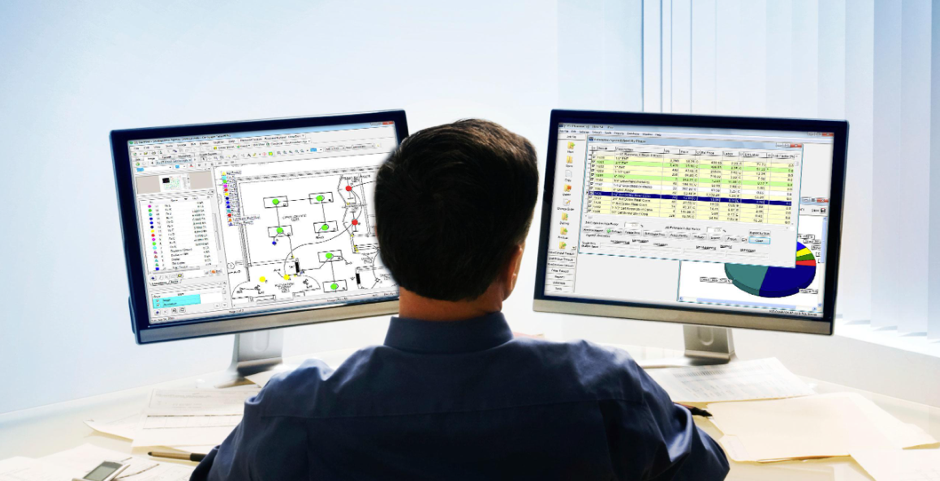
Anyone who has spent nights bent over a blueprint knows the grind. Ruler on the paper, calculator at hand, numbers scribbled on a pad that don’t always add up the same way twice. It’s slow. And risky. Because in construction, the wrong number at the start becomes a bigger, costlier problem later. That’s why takeoff estimating software has become such a shift.

It doesn’t just cut time. It changes where a project begins. Instead of “roughly two thousand bricks” pencilled into a sheet, the software reads the plan and tells you the wall needs 2,312. Exact. Reliable. That kind of accuracy means no last-minute calls to suppliers or trucks idling because the site ran short.

Why Accuracy Shapes More Than Numbers

Margins don’t usually vanish on site. They vanish before. In the office, at the desk, in the estimate. Say concrete is underestimated by only 5%. Sounds small. But on a mid-rise, that can mean idle crews, delivery delays, penalties stacking up. A single mistake at takeoff stage becomes a domino line of problems.

And clients notice. A project running over budget before it’s halfway finished? That sticks to a contractor’s name. In competitive markets, reputation matters more than advertising. The firm that gets the numbers right may not look the cheapest at first glance, but they’re the one who finishes without excuses.

Features That Actually Solve Problems

“Automation” and “integration” sound nice in brochures. But what matters on a tough job is whether the software solves everyday headaches. The better takeoff estimating software handles things like:

  • Drawings that aren’t clean. Blurry scans, faint lines. It can still measure.

  • Revisions that drop two days before bid submission. Instead of starting again, the tool layers changes on top, highlights the difference.

  • Linking material prices straight to quantities. Knowing you need 120 cubic metres of timber isn’t enough. Knowing the current rate per cubic metre is.

These features don’t just tick boxes. They prevent overruns, missed deadlines, blown budgets.

From Manual to Digital: A Reluctant Transition

Some seasoned estimators still resist. “I’ve done it this way for 25 years.” Fair. Old methods work. But they eat time, and time is the one resource no one can stretch.

Take one example: a mid-sized firm in Sydney. Before switching, their lead estimator needed almost a week for a full commercial takeoff. After adopting software? Two days. The difference across ten tenders in peak season is enormous. Those five saved days per job aren’t a luxury — they’re the reason the firm stays competitive.

Collaboration is another game-changer. With cloud-based systems, teams in different cities can edit the same estimate at once. No endless email chains, no version chaos. Everyone looking at the same live numbers.

Time, the Real Resource

Steel, timber, concrete — these can be bought, scheduled, delivered. Time can’t. Miss it and it’s gone. Which is why speed in estimation changes outcomes more than people think.

A competitor who gets their bid in early doesn’t just win points for punctuality. They’re in front of the client, explaining, while you’re still adjusting figures on a spreadsheet. That 24-hour edge often decides who wins the contract.

For smaller contractors, it levels the playing field. For bigger ones, it adds efficiency across dozens of projects. Either way, the hours saved echo through the whole build.

Looking Forward

The industry is shifting. Fast. With BIM and integrated delivery methods becoming standard, estimation is no longer about “close enough.” It’s about accuracy feeding directly into scheduling, procurement, and reporting. Firms sticking to manual tools will find themselves left behind, outpaced by competitors who embraced digital.

Conclusion:

Before a single foundation is poured, projects rise or fall on the estimate. Takeoff estimating software doesn’t just make calculations easier — it reshapes the beginning of the build. Fewer mistakes, fewer unpleasant surprises, and more time spent on what actually drives success. In today’s market, adopting it isn’t just smart. It’s survival.

The Importance of Reliable Surveying Tools

Surveying is a precise field that demands accuracy and efficiency. Whether you’re working on a large-scale infrastructure project or conducting land measurements, the right equipment makes all the difference. I’ve seen firsthand how the right tools can streamline workflows and improve results. Investing in high-quality surveying instruments isn’t just about convenience—it directly impacts the success of your projects.

One of the most significant advancements in surveying technology is the surveying 3D laser scanners. These scanners provide detailed 3D representations of landscapes, structures, and objects, allowing professionals to capture precise measurements with minimal effort. If you’re looking for a surveying 3D laser scanner, Harper Surveying offers a variety of options that cater to different project needs. Their selection ensures you get reliable and high-performance equipment for your work.

Why Professionals Trust Harper Surveying

Surveying equipment is a long-term investment, and choosing the right supplier is just as important as selecting the right tools. Harper Surveying is a trusted name in the industry, offering a wide range of high-quality instruments, including rotary laser levels. These tools are essential for leveling, grading, and alignment in construction and surveying projects. Their rotary laser levels provide automatic self-leveling capabilities, ensuring accuracy in various applications.

Harper Surveying has built a strong reputation by consistently providing reliable equipment at competitive prices. Their product range includes total stations, GNSS receivers, 3D laser scanners, and more, making them a one-stop solution for professionals in surveying, engineering, and construction.

Essential Equipment for Precision and Efficiency

3D Laser Scanners

3D laser scanners have changed the way professionals conduct surveys. These devices capture millions of data points, generating precise digital representations of environments. Harper Surveying offers advanced models like the Z+F Imager 5010C and the Faro Focus 3D X330 HDR, both known for their accuracy and long-range scanning capabilities. These scanners reduce human error and speed up data collection, making them indispensable for modern surveying tasks.

Rotary Laser Levels

For leveling and grading, rotary laser levels are a must-have. These tools provide a stable reference point for construction and land surveying applications. The Stabila LAR 350 and Leica Rugby 680, both available at Harper Surveying, are known for their durability and precision. These models allow for automatic self-leveling, ensuring reliable measurements every time.

Robotic and Manual Total Stations

Robotic total stations have become a preferred choice for many surveyors due to their automation and increased efficiency. Harper Surveying carries industry-leading models like the Sokkia iX-1205 and the Trimble S6 and S7, which offer reflectorless measurement capabilities and long-range precision. For professionals who prefer manual operation, the Leica FlexLine TS07 and TS10 provide accuracy and reliability in traditional surveying applications.

Investing in the Right Equipment for Your Needs

I always emphasize the importance of selecting the right tools based on project requirements. Harper Surveying’s range of products ensures that professionals can find the best solutions without compromising on quality. Their GNSS receivers, data collectors, and field controllers integrate well with modern surveying techniques, enhancing accuracy and efficiency.

One standout product is the Trimble TSC7 Data Controller, which combines the power of a laptop with the portability of a handheld device. This tool improves data collection efficiency and is compatible with advanced surveying software, making fieldwork more streamlined.

Why Choose Harper Surveying?

Surveying professionals need equipment that delivers precise results under different conditions. Harper Surveying has positioned itself as a reliable provider by offering industry-leading brands and expert support. Their focus on affordability and quality makes them a go-to source for surveying equipment.

Professionals in land surveying, construction, and engineering rely on their products for accuracy and durability. The company’s recognition at the Asia eCommerce Awards 2024 in Singapore further highlights its commitment to delivering cutting-edge solutions. Their reputation for providing high-performance equipment, backed by knowledgeable customer support, sets them apart from competitors.

Final Thoughts

surveying equipment

Choosing the right surveying equipment directly impacts project accuracy and efficiency. Whether you need a surveying 3D laser scanner or rotary laser levels, Harper Surveying offers reliable solutions tailored to professional needs. Their wide product range, commitment to quality, and customer support make them a strong choice for anyone in the field. Investing in their equipment ensures precision and reliability, helping you complete projects with confidence.