Category

Real estate

Category

The process of underwriting is critical to real estate acquisition. It provides the financial analysis and risk assessment necessary to make sure that a project is viable in the current market, as well as has the potential to generate income. In the opinion of Ali Ata, developers, investors and even lenders use the underwriting process to align the financial viability of a real estate project with their specific risk tolerance. Underwriting is vital to make sure that a financial transaction is low risk, and can deliver the expected ROI.

Ali Ata talks about what underwriting in real estate involve

Underwriting in real estate implies to the process of carefully evaluating the risks and potential returns of a property investment. It involves the comprehensive assessment of the physical, legal, and even financial aspects of a property with the goal of determining its viability and profitability.

The underwriting process helps investors and developers to make informed decisions that minimize risks and maximize returns. This process involves:

  • Risk assessment: There are certain uncertainties associated with every property investment. Underwriting provides a structured framework that allows investors and analysts to identify these possible risks in advance and assess their potential impact. Through the examination of historical property performance, local market conditions, demographic trends, and the specific characteristics of the property, underwriters gain valuable insights into how the investment may perform in the future. This analytical approach is useful in uncovering both challenges and opportunities that may arise during the holding period of the property. By recognizing these factors early, investors would be better positioned to develop strategies that reduce potential losses and strengthen the long-term stability of their investment portfolio.
  • Financial analysis: This stage involves examining important financial indicators that determine whether the investment is financially viable and capable of generating sustainable returns. Underwriters assess important metrics like projected cash flows, net operating income (NOI), capitalization rates, and expected return on investment (ROI). These indicators help estimate how much income the property can produce over time and whether it aligns with the financial objectives of the investor.
  • Due diligence: To conduct due diligence, one must review legal documentation, property ownership records, zoning regulations, building permits, and environmental assessments associated with the property. The goal of due diligence is to make sure that all information provided about the property is accurate and that there are no hidden problems that could negatively affect the investment. By thoroughly examining important documents and regulatory requirements, underwriters confirm that the property complies with local laws and development guidelines. This step also helps uncover potential liabilities, such as legal disputes, zoning violations, or environmental concerns, which could create complications down the line.

As Ali Ata highlights, accurate property valuation is also vital for making the right investment decisions, and hence underwriters make use of varied valuation methods, like the income approach, cost approach and sales comparison approach, in order to estimate the market value of the asset. This valuation helps negotiate the purchase price of the property, and also plays an important role in securing financing. Lenders often depend on property valuations to determine the loan amount and terms they are willing to offer.

Hudson Place Residences Condo Enhance Rental Viability

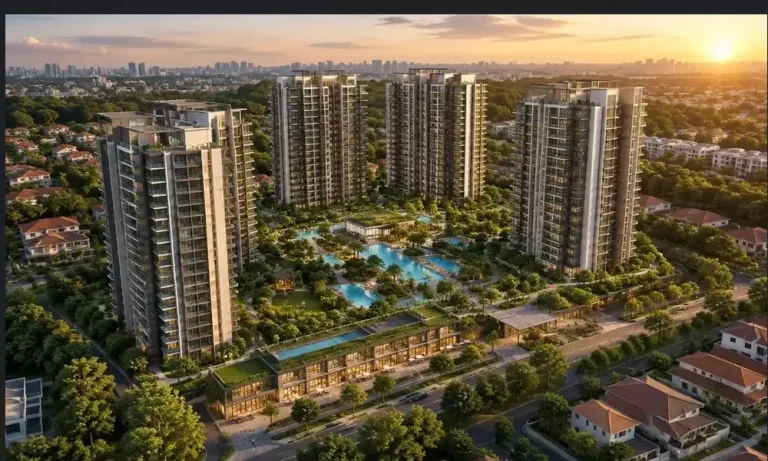
In the thriving heart of Singapore’s dynamic district, Media Circle Parcel A Condo at Media Circle Parcel A presents a compelling investment opportunity. This premium condominium development by Qingjian Realty is strategically positioned close to One-North MRT Station, ensuring high accessibility and desirability which underpin its strong tenant pool. The blend of location, luxury, and lifestyle makes Media Circle Condo a top contender for discerning investors and tenants alike.

The convergence of technology hubs and business parks in the vicinity, including Fusionopolis, Biopolis, and Mediapolis, creates a robust demand for residential properties. This demand is predominantly driven by professionals working within these industries who seek comfort and convenience close to their workplaces. Hudson Place Residences, with its modern amenities and sophisticated design, stands out as an ideal choice for this demographic.

Media Circle Parcel A Condo: A Magnet for High-Value Tenants

The tenant pool at Media Circle Parcel A Condo is buoyed by the influx of professionals from sectors like biotechnology, information technology, and media. The proximity to major employment hubs not only ensures a steady demand for rental units but also elevates the property’s profile as a sought-after residential address. With Qingjian Realty at the helm, known for their commitment to quality and innovation, tenants are assured of a living experience that is both luxurious and convenient.

Sustainable Tenant Demand Near One-North

The strategic location near One-North MRT station enhances the connectivity of Hudson Place Residences, making it attractive to a wide range of potential renters. This accessibility is crucial for maintaining a durable tenant base, which in turn supports strong rental yields. The direct MRT link to other parts of Singapore further ensures that residents have seamless access to a multitude of urban conveniences, bolstering the appeal of Media Circle Condo as a prime leasing choice.

Investment Potential Bolstered by Strategic Positioning

Hudson Place Residences is not just a residence; it’s an investment that promises substantial returns due to its strategic positioning within the Media Circle enclave. This area is set to see continuous growth with ongoing developments in the commercial and entertainment sectors, promising a vibrant community and lifestyle for residents. Such growth directly correlates with increased property values and rental rates, positioning Hudson Place Residences Condo as a wise investment for the future.

Enhanced Living and Recreational Facilities

Qingjian Realty doesn’t just build homes; they create environments that enhance lifestyles. Hudson Place Residences features an array of amenities that cater to both relaxation and recreation, including state-of-the-art fitness centers, lush green parks, and luxurious pools. These facilities not only serve the residents but also make the property more attractive to prospective tenants seeking quality living conditions, thereby supporting robust rental demand.

Hudson Place Residences: Synonymous with Desirability and Convenience

The allure of Hudson Place Residences is its promise of a balanced lifestyle. Positioned close to cultural hotspots, culinary delights, and the bustling retail cores of Singapore, it offers an attractive package for those who want to live near where they work and play. The convenience provided by nearby amenities and transport links further cements its status as a desirable rental property, with benefits that extend beyond simple accommodation.

A Future-proof Investment

Investing in Hudson Place Residences is more than just purchasing property; it’s about securing a future-proof asset in a location with a forecasted upward trajectory. The ongoing development in and around Media Circle promises a vibrant and sustainable urban ecosystem, which will continue to attract high-quality tenants and justify premium rental rates. As Singapore continues to grow as a global hub, properties like Hudson Place Residences Condo at Media Circle Parcel A will increasingly stand out as lucrative and strategic investments.

Qingjian Realty: A Commitment to Excellence and Innovation

Qingjian Realty’s reputation for delivering high-quality developments is evident in Media Circle Condo. Their focus on innovative design and sustainability in construction not only meets but exceeds the expectations of modern tenants. This commitment ensures that properties like Hudson Place Residences Condo not only attract a significant tenant pool but also maintain their value and appeal over time, supporting the overall rental prospects.

In conclusion, Hudson Place Residences exemplifies a perfect blend of strategic location, exceptional quality, and a vibrant community, making it an outstanding choice for investors and tenants. Its strong tenant pool, fueled by the nearby business hubs and excellent connectivity, provides a solid foundation for anyone looking to capitalize on Singapore’s thriving rental market.

Singapore’s property market often focuses on new launches and prime districts. Yet one segment continues to quietly outperform expectations: mature neighbourhoods. These areas may not always have the latest developments, but they offer a stability and liveability that new districts can take years to build.

As more residents seek long-term comfort and community, mature neighbourhoods are increasingly viewed as strategic choices rather than fallback options. Their value lies not in novelty, but in consistency.

Why Mature Districts Are Becoming More Attractive

Mature neighbourhoods often benefit from established infrastructure—schools, parks, healthcare, transport, and retail. Residents know what to expect, and the lifestyle is predictable. This reliability becomes a key factor, especially for families and long-term residents.

In a market where uncertainty is common, the stability of mature districts is increasingly valued. Homes in these areas often experience steady demand because they deliver practical liveability.

The Value of Established Community Networks

One of the most overlooked strengths of mature neighbourhoods is community networks. Over time, residents form social bonds through schools, community clubs, and local activities. These connections create a sense of belonging that is hard to replicate in newer districts.

Community cohesion supports wellbeing and can also influence long-term residency. When residents feel connected to their neighbourhood, they are less likely to relocate for minor upgrades.

Everyday Convenience Without Hype

Mature neighbourhoods may not have the flashiest retail or newest attractions, but they often provide everyday convenience that is more relevant to daily life. Grocery stores, hawker centres, clinics, and public transport are typically within easy reach.

This practical convenience supports a comfortable lifestyle that many residents value more than prestige. As a result, mature districts continue to attract families and long-term tenants who prioritise functionality.

Housing Choices That Suit Real Life

Mature neighbourhoods often offer a range of housing options, including both older developments and newer redevelopments. This diversity allows residents to choose homes that suit their budget and lifestyle needs.

For example, some residents may prefer established buildings for their mature neighbourhood character, while others may seek modern apartments that offer updated amenities within the same district.

Developments such as Hudson Place Residences are part of this ecosystem, offering modern living within mature, established environments.

Transport and Connectivity That Has Been Tested Over Time

Transport connectivity in mature districts is often more stable because it has been developed over time. Residents benefit from established routes, reliable services, and a familiar commuting pattern.

This predictability is valuable because it reduces daily uncertainty. Even as transport networks evolve, mature districts tend to remain well-connected due to long-standing infrastructure.

Dunearn House is an example of a property located within a mature district where transport and connectivity are proven assets.

Long-Term Stability in Market Demand

From a market perspective, mature neighbourhoods often exhibit more stable demand. Because these districts offer established amenities and proven liveability, they attract a consistent demographic—families, long-term tenants, and residents seeking stability.

This steadiness can be particularly valuable during market cycles, as mature districts are less likely to experience sharp drops in demand compared to areas driven by speculative hype.

The Underrated Appeal of Familiarity

Familiarity is a subtle but powerful factor in residential choice. Knowing the neighbourhood, understanding daily routines, and feeling comfortable with the environment can significantly impact long-term satisfaction.

Mature districts provide this familiarity. For many residents, it is not just about convenience—it is about comfort and emotional connection to a place.

Conclusion

Mature neighbourhoods may not always be the focus of headlines, but their value lies in long-term stability, established community networks, and proven liveability. As Singapore’s housing market matures, these districts are increasingly recognised as strategic choices for residents who prioritise comfort and consistency.

Developments such as Hudson Place Residences and Dunearn House demonstrate how modern living can coexist with mature neighbourhood strength. In a market driven by change, mature districts remain quietly resilient—offering a reliable foundation for long-term living.

Homes in premium markets usually have different buying and selling “rules”. Here, comparable sales don’t tell the full story, timing feels unpredictable and sometimes you may wonder why one extraordinary home moves quietly at record numbers while another sits, untouched, despite looking flawless on paper. Luckily, High Value Ultra Luxury Real Estate on the French Riviera has several homes that you can buy to settle in or sell. But before you make such a decision, you need to understand why they perform differently in premium markets. Keep reading to find why.

1. They’re Scarce

At the ultra-luxury level, nobody is buying because they need a roof over their head. You’re dealing with buyers who already have options, often many of them. So what moves the needle? Scarcity. Not manufactured scarcity. Real, undeniable, “you’ll never see this exact thing again” type of scarcity.

You see it play out all the time. Two properties may have similar square footage, similar finishes, even similar price tags. But one has a protected sea view that can never be built out. Or historical provenance that can’t be recreated. Or architectural details tied to a specific era, architect, or location that simply no longer exists. That’s the home that performs differently. Because it’s not competing on features: it’s competing on irreplaceability.

2. Ultra-Wealthy Buyers Aren’t Market-Dependent

Here’s a question worth asking: If you’re a buyer, how sensitive are you to interest rates, inflation headlines, or short-term market cycles? In premium markets, the answer is often . . . not very. Ultra-luxury buyers tend to be insulated from the pressures that slow down mainstream real estate. They’re buying with liquidity, not leverage. With strategy, not urgency.

That changes everything. While broader markets may cool, ultra-luxury properties can remain surprisingly resilient, or even appreciate, because the buyer pool isn’t reacting to the same triggers. These buyers are thinking globally. They’re reallocating assets, hedging currencies, or securing legacy properties. To them, a home is a store of value, a lifestyle anchor, or a generational move.

You know what’s interesting? Sometimes uncertainty can accelerate ultra-luxury activity. When markets feel unstable, tangible assets in prestigious locations feel safer. So while volume drops elsewhere, premium homes in elite markets quietly continue trading, often off-market, often without noise.

3. Their Pricing Isn’t Mathematical but Psychological

This might be the most misunderstood part of ultra-luxury performance. Pricing at this level isn’t about hitting the “right” number. It’s about sending the right signal. And those two things aren’t always the same.

In premium markets, price communicates status, confidence, and positioning. Set it too low and buyers start asking uncomfortable questions. What’s wrong with it? Why is it discounted? Is there urgency? Set it too high without justification, and you lose credibility. But when pricing aligns with narrative, rarity, and presentation, something interesting happens. Buyers lean in instead of negotiating down.

And here’s the part people don’t always say out loud: ultra-wealthy buyers often expect resistance. They expect exclusivity. A property that feels too accessible doesn’t carry the same emotional weight. That’s why ultra-luxury homes can sometimes perform better at prices that would stall a conventional listing.

Summing Up

Ultra-luxury homes don’t play by the same rules because they exist in a different ecosystem altogether. Scarcity outweighs features. Psychology outweighs math. Privacy outweighs promotion. And timing follows people and not markets. When you understand these dynamics, you’ll stop asking why ultra-luxury homes behave differently. Good luck in your home buying or selling journey.