
Category

Real estate

Category

Singapore’s property market often focuses on new launches and prime districts. Yet one segment continues to quietly outperform expectations: mature neighbourhoods. These areas may not always have the latest developments, but they offer a stability and liveability that new districts can take years to build.

As more residents seek long-term comfort and community, mature neighbourhoods are increasingly viewed as strategic choices rather than fallback options. Their value lies not in novelty, but in consistency.

Why Mature Districts Are Becoming More Attractive

Mature neighbourhoods often benefit from established infrastructure—schools, parks, healthcare, transport, and retail. Residents know what to expect, and the lifestyle is predictable. This reliability becomes a key factor, especially for families and long-term residents.

In a market where uncertainty is common, the stability of mature districts is increasingly valued. Homes in these areas often experience steady demand because they deliver practical liveability.

The Value of Established Community Networks

One of the most overlooked strengths of mature neighbourhoods is community networks. Over time, residents form social bonds through schools, community clubs, and local activities. These connections create a sense of belonging that is hard to replicate in newer districts.

Community cohesion supports wellbeing and can also influence long-term residency. When residents feel connected to their neighbourhood, they are less likely to relocate for minor upgrades.

Everyday Convenience Without Hype

Mature neighbourhoods may not have the flashiest retail or newest attractions, but they often provide everyday convenience that is more relevant to daily life. Grocery stores, hawker centres, clinics, and public transport are typically within easy reach.

This practical convenience supports a comfortable lifestyle that many residents value more than prestige. As a result, mature districts continue to attract families and long-term tenants who prioritise functionality.

Housing Choices That Suit Real Life

Mature neighbourhoods often offer a range of housing options, including both older developments and newer redevelopments. This diversity allows residents to choose homes that suit their budget and lifestyle needs.

For example, some residents may prefer established buildings for their mature neighbourhood character, while others may seek modern apartments that offer updated amenities within the same district.

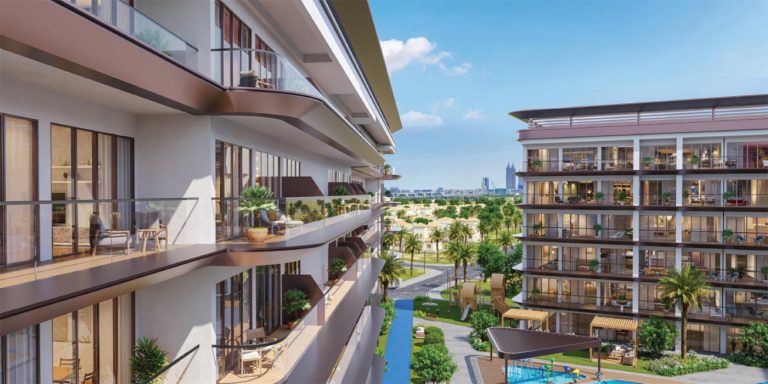
Developments such as Hudson Place Residences are part of this ecosystem, offering modern living within mature, established environments.

Transport and Connectivity That Has Been Tested Over Time

Transport connectivity in mature districts is often more stable because it has been developed over time. Residents benefit from established routes, reliable services, and a familiar commuting pattern.

This predictability is valuable because it reduces daily uncertainty. Even as transport networks evolve, mature districts tend to remain well-connected due to long-standing infrastructure.

Dunearn House is an example of a property located within a mature district where transport and connectivity are proven assets.

Long-Term Stability in Market Demand

From a market perspective, mature neighbourhoods often exhibit more stable demand. Because these districts offer established amenities and proven liveability, they attract a consistent demographic—families, long-term tenants, and residents seeking stability.

This steadiness can be particularly valuable during market cycles, as mature districts are less likely to experience sharp drops in demand compared to areas driven by speculative hype.

The Underrated Appeal of Familiarity

Familiarity is a subtle but powerful factor in residential choice. Knowing the neighbourhood, understanding daily routines, and feeling comfortable with the environment can significantly impact long-term satisfaction.

Mature districts provide this familiarity. For many residents, it is not just about convenience—it is about comfort and emotional connection to a place.

Conclusion

Mature neighbourhoods may not always be the focus of headlines, but their value lies in long-term stability, established community networks, and proven liveability. As Singapore’s housing market matures, these districts are increasingly recognised as strategic choices for residents who prioritise comfort and consistency.

Developments such as Hudson Place Residences and Dunearn House demonstrate how modern living can coexist with mature neighbourhood strength. In a market driven by change, mature districts remain quietly resilient—offering a reliable foundation for long-term living.

Homes in premium markets usually have different buying and selling “rules”. Here, comparable sales don’t tell the full story, timing feels unpredictable and sometimes you may wonder why one extraordinary home moves quietly at record numbers while another sits, untouched, despite looking flawless on paper. Luckily, High Value Ultra Luxury Real Estate on the French Riviera has several homes that you can buy to settle in or sell. But before you make such a decision, you need to understand why they perform differently in premium markets. Keep reading to find why.

1. They’re Scarce

At the ultra-luxury level, nobody is buying because they need a roof over their head. You’re dealing with buyers who already have options, often many of them. So what moves the needle? Scarcity. Not manufactured scarcity. Real, undeniable, “you’ll never see this exact thing again” type of scarcity.

You see it play out all the time. Two properties may have similar square footage, similar finishes, even similar price tags. But one has a protected sea view that can never be built out. Or historical provenance that can’t be recreated. Or architectural details tied to a specific era, architect, or location that simply no longer exists. That’s the home that performs differently. Because it’s not competing on features: it’s competing on irreplaceability.

2. Ultra-Wealthy Buyers Aren’t Market-Dependent

Here’s a question worth asking: If you’re a buyer, how sensitive are you to interest rates, inflation headlines, or short-term market cycles? In premium markets, the answer is often . . . not very. Ultra-luxury buyers tend to be insulated from the pressures that slow down mainstream real estate. They’re buying with liquidity, not leverage. With strategy, not urgency.

That changes everything. While broader markets may cool, ultra-luxury properties can remain surprisingly resilient, or even appreciate, because the buyer pool isn’t reacting to the same triggers. These buyers are thinking globally. They’re reallocating assets, hedging currencies, or securing legacy properties. To them, a home is a store of value, a lifestyle anchor, or a generational move.

You know what’s interesting? Sometimes uncertainty can accelerate ultra-luxury activity. When markets feel unstable, tangible assets in prestigious locations feel safer. So while volume drops elsewhere, premium homes in elite markets quietly continue trading, often off-market, often without noise.

3. Their Pricing Isn’t Mathematical but Psychological

This might be the most misunderstood part of ultra-luxury performance. Pricing at this level isn’t about hitting the “right” number. It’s about sending the right signal. And those two things aren’t always the same.

In premium markets, price communicates status, confidence, and positioning. Set it too low and buyers start asking uncomfortable questions. What’s wrong with it? Why is it discounted? Is there urgency? Set it too high without justification, and you lose credibility. But when pricing aligns with narrative, rarity, and presentation, something interesting happens. Buyers lean in instead of negotiating down.

And here’s the part people don’t always say out loud: ultra-wealthy buyers often expect resistance. They expect exclusivity. A property that feels too accessible doesn’t carry the same emotional weight. That’s why ultra-luxury homes can sometimes perform better at prices that would stall a conventional listing.

Summing Up

Ultra-luxury homes don’t play by the same rules because they exist in a different ecosystem altogether. Scarcity outweighs features. Psychology outweighs math. Privacy outweighs promotion. And timing follows people and not markets. When you understand these dynamics, you’ll stop asking why ultra-luxury homes behave differently. Good luck in your home buying or selling journey.

Singapore’s urban landscape is rapidly evolving, blending innovation, sustainability, and modern design. Forward-looking residents and investors are increasingly drawn to developments that reflect these trends, combining lifestyle, convenience, and future-ready features. Two projects that epitomize this approach are Tengah Garden Residences and Vela Bay. Each represents a unique vision of next-generation living in Singapore.

Smart and Sustainable Communities at Tengah

Tengah Garden Residences is part of Singapore’s Forest Town initiative, a pioneering model of urban sustainability. Designed for both functionality and well-being, the development integrates smart systems, green infrastructure, and community-focused amenities.

Residents benefit from innovations such as energy-efficient lighting, automated home controls, and optimized building layouts. Beyond technology, the focus on green spaces, urban farming plots, and pedestrian-friendly pathways encourages healthier lifestyles and stronger neighborhood connections.

The development’s location in Tengah also positions it at the heart of new transport infrastructure, including MRT extensions and major roadways, making it a forward-looking choice for families and investors seeking long-term value. For details, visit Tengah Garden Residences.

Coastal Innovation and Lifestyle at Vela Bay

Vela Bay exemplifies how modern developments can combine luxury, design, and functionality. Situated along Singapore’s East Coast, it offers residents breathtaking views while incorporating smart living features, premium facilities, and efficient layouts.

The development includes thoughtfully designed communal spaces, wellness areas, and outdoor recreational zones. Its focus on both aesthetics and convenience ensures that residents enjoy a lifestyle aligned with contemporary trends, where environmental awareness, comfort, and leisure coexist seamlessly. Learn more at Vela Bay.

Aligning with Singapore’s Urban Trends

Both Tengah Garden Residences and Vela Bay reflect broader shifts in Singapore’s housing landscape:

  • Sustainability Integration: Green architecture, energy-efficient systems, and eco-conscious community planning are increasingly demanded by residents.
  • Technology-Driven Living: Smart home features and connected infrastructure make everyday life more convenient, from climate control to security monitoring.
  • Wellness-Oriented Design: Both developments prioritize fitness, outdoor activity, and mental well-being through landscaping, recreation zones, and open-air spaces.
  • Strategic Connectivity: Proximity to MRT lines, expressways, and commercial hubs ensures these residences are seamlessly integrated into the city’s broader network.

These trends reflect a move toward living environments that anticipate the needs of future residents, combining long-term sustainability with modern convenience.

Benefits for Modern Residents and Investors

Tengah Garden Residences offers early adopters a chance to invest in an emerging residential hub where future infrastructure growth will drive property appreciation. The eco-conscious design, community-focused layout, and strategic location make it particularly attractive to families and professionals seeking a balance between urban access and natural surroundings.

Vela Bay, with its limited waterfront units and premium design, presents a secure option for high-net-worth investors and homeowners prioritizing exclusivity and lifestyle. Its location and high-quality amenities ensure steady demand for both resale and rental markets, maintaining value over time.

Preparing for the Future of Urban Living

Singapore’s property market is evolving to meet the expectations of a more discerning, environmentally conscious, and tech-savvy population. Developments like Tengah Garden Residences and Vela Bay highlight the city’s efforts to combine urban convenience with sustainable design, creating spaces that are ready for the next generation of residents.

Whether it’s families looking for green, connected neighborhoods or professionals seeking premium coastal living, these developments provide options that are both forward-looking and lifestyle-oriented. They illustrate how Singapore continues to innovate in residential planning, ensuring that homes are not only functional but also enriching and adaptive to future trends.

Conclusion

Next-generation living in Singapore is defined by sustainability, smart technology, and lifestyle integration. Tengah Garden Residences and Vela Bay embody these principles, offering residents a chance to experience a new standard of urban life.

By focusing on future-ready amenities, thoughtful community planning, and design innovation, these projects provide long-term value for both homeowners and investors. Singapore’s real estate is evolving, and properties like Tengah Garden Residences and Vela Bay lead the way in shaping a modern, sustainable, and connected living experience.

Selling a home in the Tampa Bay area requires more than guesswork, especially in a market influenced by shifting demand, interest rates, and neighborhood trends. To avoid pricing mistakes that can delay a sale or reduce profits, many sellers rely on pre-listing appraisals to establish an accurate and defensible asking price before their home hits the market.

Understanding True Market Value

A pre-listing appraisal provides an objective estimate of a home’s fair market value based on recent comparable sales, property condition, location, and current market conditions. Unlike online valuation tools, appraisals involve a detailed inspection and professional analysis. Sellers gain a realistic view of what buyers and lenders are likely to support, which helps eliminate emotional or inflated pricing decisions.

Avoiding Overpricing and Underpricing

Pricing a home too high often leads to longer days on market, reduced buyer interest, and eventual price cuts. On the other hand, underpricing can result in lost equity. Pre-listing appraisals help sellers strike the right balance by setting a price that reflects actual value. In competitive Tampa Bay neighborhoods, accurate pricing can also generate stronger early interest and multiple offers.

Strengthening Negotiation Power

When buyers question a listing price, sellers with a recent appraisal have data to support their position. This documentation adds credibility during negotiations and can reduce disputes related to value. If a buyer’s lender appraisal comes in close to the pre-listing appraisal, the transaction is less likely to face delays or renegotiation.

Preparing for Lender Appraisal Challenges

Many real estate deals fall apart when the lender’s appraisal does not meet the agreed purchase price. A pre-listing appraisal allows sellers to identify potential valuation issues early. If the appraisal reveals concerns, sellers can make informed decisions about improvements, pricing adjustments, or marketing strategies before listing.

Helping Agents Create Stronger Pricing Strategies

Pre-listing appraisals complement comparative market analyses by offering a professional valuation benchmark. Real estate agents often use this information to fine-tune pricing strategies, marketing plans, and listing presentations. This collaboration helps align seller expectations with market realities.

Gaining Confidence Before Listing

For many sellers, confidence plays a key role in the selling process. Knowing the home’s value upfront reduces uncertainty and stress. Sellers can move forward with clarity, set realistic goals, and respond to offers with greater assurance.

In a dynamic housing market like Tampa Bay, pre-listing appraisals serve as a smart tool for sellers who want accuracy, transparency, and a smoother path to closing.

This post was written by a professional at Meridian Property Appraisers. Meridian Property Appraisers is a statewide private appraisal firm based in St. Petersburg, FL and provides services in Pinellas, Hillsborough counties and surrounding areas. We provide accurate, reliable, and timely property valuation reports for clients across Florida. Our experienced team serves homeowners, real estate agents, attorneys, construction companies, and other professionals seeking dependable appraisal services. Whether you need a residential appraisal, divorce appraisal Pinellas, or valuation for estate or construction purposes, Meridian delivers trusted results with integrity, precision, and prompt communication every time.