
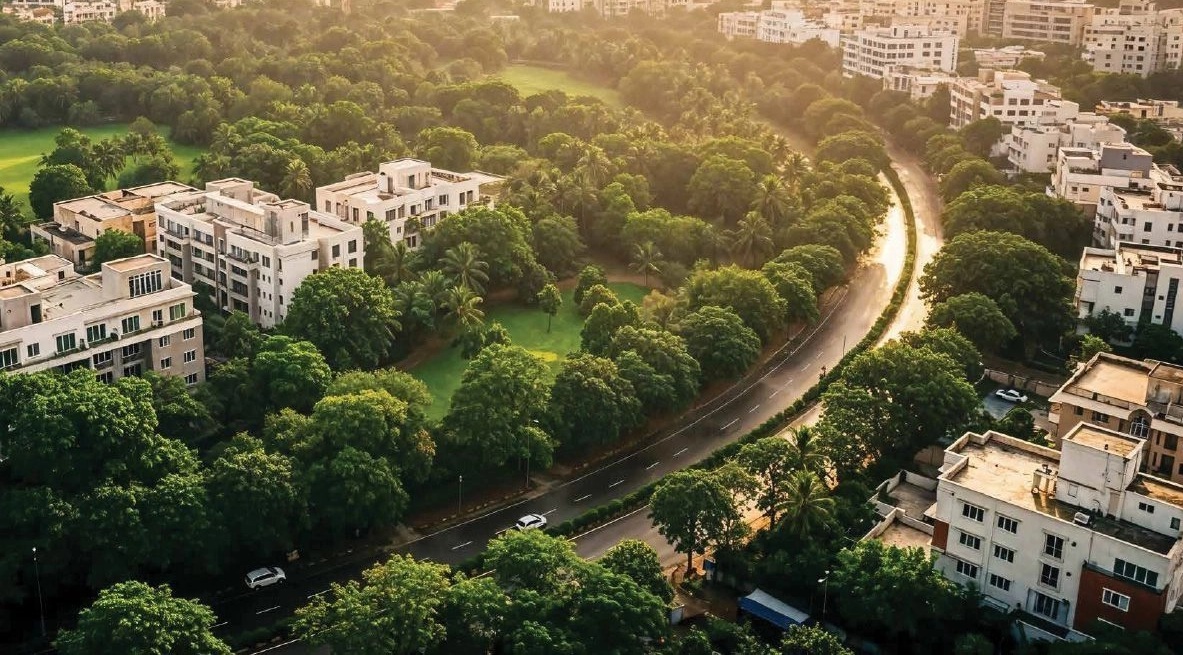
Singapore’s property market often focuses on new launches and prime districts. Yet one segment continues to quietly outperform expectations: mature neighbourhoods. These areas may not always have the latest developments, but they offer a stability and liveability that new districts can take years to build.
As more residents seek long-term comfort and community, mature neighbourhoods are increasingly viewed as strategic choices rather than fallback options. Their value lies not in novelty, but in consistency.
Why Mature Districts Are Becoming More Attractive
Mature neighbourhoods often benefit from established infrastructure—schools, parks, healthcare, transport, and retail. Residents know what to expect, and the lifestyle is predictable. This reliability becomes a key factor, especially for families and long-term residents.
In a market where uncertainty is common, the stability of mature districts is increasingly valued. Homes in these areas often experience steady demand because they deliver practical liveability.
The Value of Established Community Networks
One of the most overlooked strengths of mature neighbourhoods is community networks. Over time, residents form social bonds through schools, community clubs, and local activities. These connections create a sense of belonging that is hard to replicate in newer districts.
Community cohesion supports wellbeing and can also influence long-term residency. When residents feel connected to their neighbourhood, they are less likely to relocate for minor upgrades.
Everyday Convenience Without Hype
Mature neighbourhoods may not have the flashiest retail or newest attractions, but they often provide everyday convenience that is more relevant to daily life. Grocery stores, hawker centres, clinics, and public transport are typically within easy reach.
This practical convenience supports a comfortable lifestyle that many residents value more than prestige. As a result, mature districts continue to attract families and long-term tenants who prioritise functionality.
Housing Choices That Suit Real Life
Mature neighbourhoods often offer a range of housing options, including both older developments and newer redevelopments. This diversity allows residents to choose homes that suit their budget and lifestyle needs.
For example, some residents may prefer established buildings for their mature neighbourhood character, while others may seek modern apartments that offer updated amenities within the same district.
Developments such as Hudson Place Residences are part of this ecosystem, offering modern living within mature, established environments.
Transport and Connectivity That Has Been Tested Over Time
Transport connectivity in mature districts is often more stable because it has been developed over time. Residents benefit from established routes, reliable services, and a familiar commuting pattern.
This predictability is valuable because it reduces daily uncertainty. Even as transport networks evolve, mature districts tend to remain well-connected due to long-standing infrastructure.
Dunearn House is an example of a property located within a mature district where transport and connectivity are proven assets.
Long-Term Stability in Market Demand
From a market perspective, mature neighbourhoods often exhibit more stable demand. Because these districts offer established amenities and proven liveability, they attract a consistent demographic—families, long-term tenants, and residents seeking stability.
This steadiness can be particularly valuable during market cycles, as mature districts are less likely to experience sharp drops in demand compared to areas driven by speculative hype.
The Underrated Appeal of Familiarity
Familiarity is a subtle but powerful factor in residential choice. Knowing the neighbourhood, understanding daily routines, and feeling comfortable with the environment can significantly impact long-term satisfaction.
Mature districts provide this familiarity. For many residents, it is not just about convenience—it is about comfort and emotional connection to a place.
Conclusion
Mature neighbourhoods may not always be the focus of headlines, but their value lies in long-term stability, established community networks, and proven liveability. As Singapore’s housing market matures, these districts are increasingly recognised as strategic choices for residents who prioritise comfort and consistency.
Developments such as Hudson Place Residences and Dunearn House demonstrate how modern living can coexist with mature neighbourhood strength. In a market driven by change, mature districts remain quietly resilient—offering a reliable foundation for long-term living.

Comments are closed.