

Category

Heating & Ac

Category

Your heating oil tank is a critical component of your home’s heating system, especially during the colder months when you rely on it to keep your home warm and comfortable. Regular maintenance not only ensures your system operates efficiently but also extends the life of your tank and prevents costly repairs or safety hazards. Here’s a comprehensive guide on how to maintain your domestic heating oil shropshire tank for optimal performance.

1. Inspect Your Tank Regularly

Regular inspections are key to catching potential problems early. Here’s what to look for:

  • Rust or Corrosion:Check for signs of rust, particularly on older metal tanks. Rust weakens the structure and can lead to leaks.
  • Cracks or Dents:These can compromise the integrity of your tank and may indicate a need for immediate repair or replacement.
  • Oil Stains:Stains around the tank or on the ground may signal a leak.
  • Vent and Fill Caps:Ensure the caps are secure and free of blockages, as clogged vents can lead to pressure buildup inside the tank.

Perform these checks at least once a month, or more frequently during heavy usage periods.

2. Monitor the Oil Level

Keeping an eye on your tank’s oil level helps ensure you never run out of fuel. Use a reliable oil gauge to check levels regularly and refill before it gets too low. Allowing the tank to run dry can cause sludge buildup in the system and may even damage your furnace.

3. Schedule Annual Professional Maintenance

While monthly self-inspections are important, hiring a professional technician for an annual check-up is essential. A technician will:

  • Test the tank for leaks or weak spots.
  • Inspect and clean the fuel lines.
  • Replace filters, if needed.
  • Ensure the tank is securely mounted and properly aligned.

This annual maintenance ensures your system operates safely and efficiently.

4. Prevent Sludge Buildup

Over time, sediment and sludge can accumulate at the bottom of your tank. This buildup can clog filters, reduce efficiency, and even cause damage to your heating system. Here’s how to prevent it:

  • Schedule Regular Cleanings:Have your tank professionally cleaned every few years, especially if it’s older.
  • Use Additives:Fuel additives can help break down sludge and improve the quality of your quality domestic heating oil.
  • Refill Before Winter:Keeping your tank full minimises the amount of air inside, reducing condensation and the risk of sludge formation.

5. Protect Against Corrosion

Corrosion is a common issue, particularly for outdoor tanks exposed to the elements. To prevent this:

  • Apply a Protective Coating:Rust-resistant paint or coatings can shield the tank from moisture and other environmental factors.
  • Install a Tank Cover:A cover can protect your tank from rain, snow, and ice, reducing the risk of rust.
  • Check for Water Accumulation:Water can enter the tank through condensation or leaks and lead to corrosion. Have your technician drain any water during regular maintenance.

6. Secure Your Tank’s Location

Proper placement is essential for your tank’s longevity and safety. Ensure your tank:

  • Is installed on a sturdy, level surface to prevent shifting or tilting.
  • Is located in an area with good ventilation.
  • Is kept away from trees or shrubs that could damage it over time.

For outdoor tanks, consider installing a barrier to protect it from accidental damage, such as from vehicles or equipment.

7. Be Aware of Weather Impacts

Extreme weather can affect the performance of your heating oil tank:

  • Freezing Temperatures:Add a fuel stabilizer to prevent your oil from gelling in cold weather.
  • Heavy Snow:Clear snow and ice from around your tank to prevent damage to the vents or fill pipe.
  • Flooding Risks:If you live in a flood-prone area, ensure your tank is securely anchored to prevent movement or damage during floods.

8. Upgrade When Necessary

If your tank is old, damaged, or showing signs of wear, it might be time to upgrade to a new one. Modern heating oil tanks are designed with advanced materials that are more resistant to corrosion and leaks, ensuring better performance and safety.

Signs it’s time to replace your tank include:

  • Frequent repairs or leaks.
  • Visible rust or significant corrosion.
  • A tank that’s more than 20 years old.

9. Follow Local Regulations

Many regions have specific rules and guidelines regarding heating oil tanks. Ensure your tank meets local codes and requirements to avoid penalties or safety hazards. A licensed professional can help you navigate these regulations.

10. Stay Proactive

Finally, staying proactive is the best way to ensure your heating oil tank’s optimal performance. Regular maintenance, monitoring, and professional servicing can save you money and prevent unexpected breakdowns during the cold months.

Final Thoughts

Maintaining your heating oil tank doesn’t have to be complicated, but it does require consistency. With proper care, your tank will operate efficiently and safely, providing reliable heat for your home when you need it most. If you’re unsure about your tank’s condition or need professional assistance, don’t hesitate to contact a trusted heating oil service provider. Taking these steps today will help you enjoy a warm, worry-free winter season.
When it comes to keeping your home warm during the chilly months, the choice of heating system is a crucial decision. Among the various heating options available, heating oil stands out for its unique set of advantages. In this blog post, we’ll explore why affordable heating oil services shropshire is a preferred choice for many homeowners and how it compares to alternative heating methods.

  1. Efficiency and Energy Density

One of the standout features of heating oil is its high energy density. This means that a small amount of heating oil can produce a significant amount of heat. In comparison to other fuels, such as natural gas or electricity, heating oil boasts an impressive efficiency level, ensuring that you get more heat per unit of fuel consumed.

  1. Cost-Effectiveness

Heating oil often proves to be a cost-effective option for homeowners. While fuel prices can fluctuate, heating oil is known for providing consistent and reliable heat at competitive rates. Additionally, modern heating oil systems are designed to be highly efficient, helping homeowners get more value from their fuel investment.

  1. Independence and Control

Choosing heating oil systems for your home provides a level of independence that might not be as achievable with other heating methods. Unlike natural gas, which requires a connection to a utility grid, heating oil can be stored on-site in a tank, giving homeowners more control over their energy supply and usage.

  1. Environmental Considerations

While environmental concerns are valid considerations in today’s world, heating oil has made strides in becoming a cleaner option. Low-sulphur heating oil and the introduction of biofuels have significantly reduced emissions, making heating oil a more environmentally friendly choice. Advanced technologies in heating oil systems contribute to minimising the ecological impact.

  1. Reliability in Cold Climates

For those residing in regions with harsh winters, the reliability of a heating system is paramount. Heating oil has a proven track record of performing well in extreme cold. Unlike electricity, which may face disruptions during severe weather, heating oil systems ensure a consistent and dependable source of heat, keeping your home warm even in the coldest temperatures.

  1. Longevity and Durability of Equipment

Heating oil systems are known for their durability and longevity. Well-maintained oil furnaces and boilers can provide reliable service for many years. Regular maintenance can further extend the lifespan of the equipment, offering homeowners a reliable and consistent heating solution.

  1. Modern Technology and Efficiency Upgrades

Heating oil systems have evolved with the times, incorporating modern technology to enhance efficiency. Advanced features such as digital thermostats, programmable controls, and high-efficiency burners contribute to optimising energy use and reducing overall heating costs.

In conclusion, when comparing heating options, heating oil emerges as a compelling choice for homeowners seeking efficiency, cost-effectiveness, and reliability. As the industry continues to innovate and prioritise environmental sustainability, heating oil remains a steadfast and adaptable solution for keeping homes warm and comfortable throughout the heating season. Consider the unique advantages of heating oil when making decisions about your home’s heating system to ensure a cosy and efficient living space.


Wood heating is an environmentally friendly approach that utilises wood energy to provide heat, hot water, or steam. Proper management makes it possible to turn it into a sustainable energy source, enabling trees to grow and replace fuel. Wood heating may be carbon-neutral because carbon dioxide emitted during burning is countered by carbon absorbed during tree development. However, proper equipment and best practices are required to improve efficiency, restrict emissions, and reduce environmental concerns.

This post will discuss the environmental advantages of wood heating and how it may help you construct a greener, more comfortable house. You will understand why convection wood heaters are a guilt-free method to remain warm, regardless of whether you are considering installing them or currently have them.

What Is Wood Heating?

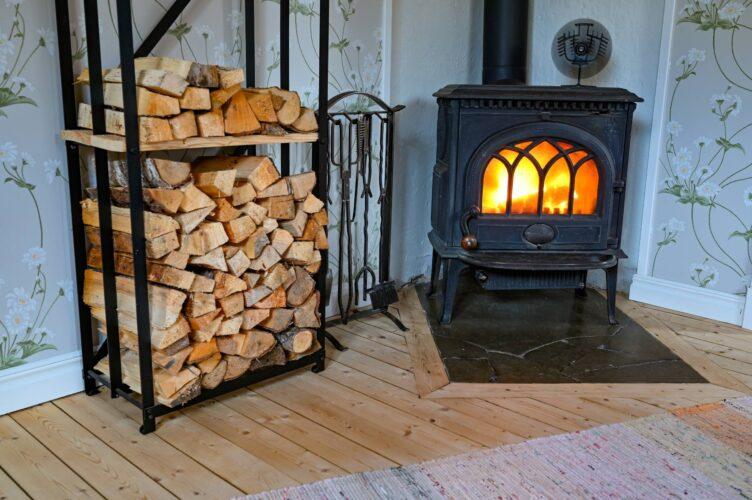
Wood heating produces heat in a home, commercial, or industrial setting by burning wood as a fuel source. Wood heating, a long-standing and popular option worldwide, involves burning wood in controlled environments to generate heat and hot water or steam, with its numerous advantages making it an attractive choice.

Wood is an effective heating method because it converts stored energy into heat when burnt. When collected and handled correctly, it is considered a renewable and sustainable energy source since new trees may be grown to replace those cut down.

Wood heating may be carbon-neutral because the carbon absorbed by growing trees counters the carbon dioxide emitted during burning. However, appropriate equipment and best practices must be utilised to maximise efficiency, limit emissions, and lessen the effect on air quality and the environment.

The Eco-Friendly Advantages of Wood Heating

When handled properly, wood heating, such as utilising wood stoves or fireplaces, has various eco-friendly benefits:

A Renewable Energy Source

One of wood heating’s biggest environmental advantages is using renewable energy. Wood is a greener fuel than coal and natural gas, which use limited resources and generate harmful pollutants. Trees may be replanted and cultivated expressly for heating, providing consistent and environmentally friendly fuel.

Reduced Carbon Footprint

Wood heating may have a much smaller carbon impact when effectively maintained than many alternative heating systems. While burning wood emits CO2, the carbon released is part of the natural carbon cycle. Trees absorb CO2 as they develop, and when they are burnt for heat, the CO2 emitted is absorbed by new trees. As a result of this closed carbon loop, wood heating is practically carbon neutral.

Localised Sourcing

When you use wood heating, you usually get your fuel locally. This lowers the requirement for long-distance transportation, which is typical of other fuel sources such as natural gas or oil. Local sourcing reduces fuel transportation’s environmental effect while supporting the local economy.

Efficient Use of Biomass

Wood heating efficiently utilises biomass, an important component of a sustainable energy plan. Biomass refers to organic resources such as wood that may be utilised to create heat and electricity. By using this resource for heating, you reduce waste and promote responsible resource management.

Using Convection Wood Heaters as a Greener Choice

Convection wood heaters are an environmentally responsible solution for heating areas, with various features that make them a greener option than other heating techniques. The following are the primary reasons why convection wood heaters are regarded as ecologically friendly:

Efficient Heat Distribution

Convection wood heaters are intended to disperse heat across a space evenly. They draw in chilly air, heat it, and then release it into the living room as warm air. This excellent heat distribution reduces energy loss while providing warmth to every area of the space.

Reduced Emissions

Modern convection wood heaters use sophisticated combustion technology, which results in lower emissions. They are intended to burn wood more effectively and cleanly, releasing less environmental pollutants. This is critical in reducing the environmental effect of wood heating.

Eco-Design Compliance

Many convection wood heaters are certified to satisfy eco-design requirements, guaranteeing challenges and environmental criteria are met. These qualities include minimal emissions and excellent efficiency, making them an environmentally beneficial solution for home heating.

In Summary

Wood heating is an efficient method to remain warm and cosy during the winter months and an environmentally responsible option that aligns with contemporary environmental concerns. It provides a guilt-free solution to build a pleasant and ecologically responsible home due to its renewable energy source, decreased carbon footprint, localised sourcing, and effective use of biomass.

Convection wood heaters are a fantastic alternative for individuals looking for a wood heating in Mandurah. Because of their excellent heat distribution, lower emissions, and compliance with eco-design regulations, they are a more environmentally friendly solution for keeping your house warm. You can optimise the eco-friendly advantages of wood heating while enjoying the pleasure of a warm and sustainable home by following best practices, such as utilising seasoned fuel and ensuring adequate maintenance. Stay warm while being environmentally friendly with wood heating – the ethical option for a better future.


As the winter months approach, energy bills usually start to climb. Fortunately, there are some effective ways to lower the cost of keeping your home warm this season. This article will explore five tips for saving money on your energy expenditures. Implementing these strategies can help you stay comfortable without breaking the bank during the colder months.

1. Schedule Timely Heating Maintenance

Properly maintaining your heating system is crucial for its efficiency. If you’re wondering if it is too early for heating maintenance, the answer is that it’s never too early to ensure your system runs smoothly. By having professionals perform necessary maintenance, you’ll likely reduce costly repairs down the road, making your unit more energy-efficient and decreasing your energy bills overall.

2. Seal Gaps and Cracks

Gaps and cracks around windows, doors, and walls can let cold air in and warm air out, resulting in higher energy costs. Inspect your home thoroughly and use weatherstripping, caulk, or expandable foam to seal any openings. A professional for heating and air in Atlanta can also help identify and seal any leaks in your ducts, preventing further energy loss.

3. Use a Smart Thermostat

A smart thermostat can save energy by letting you control your home’s temperature remotely. By setting a schedule for your thermostat or adjusting the temperature while you’re away, you can ensure you’re only heating your home when necessary. According to Energy.gov, you can save up to 10% yearly on heating and cooling by turning your thermostat back 7-10°F from its normal setting for 8 hours daily.

4. Insulate Your Home Properly

Proper insulation is important for maintaining a comfortable temperature in your home. Inspect your attic, basement, and exterior walls to determine if your insulation is sufficient. If not, consider upgrading your insulation to reduce heat loss and improve energy efficiency. One efficient option is spray foam insulation, which seals cracks and gaps effectively and provides excellent thermal resistance.

5. Utilize Energy-Efficient Appliances

Energy-efficient appliances can greatly reduce your energy consumption. Look for the ENERGY STAR label on products such as your heating and air conditioning system, water heater, and other household appliances. These products adhere to government standards for energy efficiency, allowing you to save on your energy bills while reducing your environmental impact.

By following these five tips, you can enjoy a warm, comfortable home this winter without spending a fortune on energy bills. Prioritize heating maintenance, seal gaps and cracks, use a smart thermostat, insulate your home properly, and invest in energy-efficient appliances to make the most of your energy-saving efforts. With some time and dedication, you’ll see the difference in your monthly bills while staying cozy during the cold months.