

Category

Home improvement

Category

Introduction

Pantry moths, those uninvited guests in your kitchen, can be a real nuisance. They infiltrate your food storage and can quickly become a persistent problem if not dealt with promptly. In this comprehensive article, we will delve into the 4 things you need to know about pantry moths and their moth control. From understanding their habits to effective eradication methods, we’ve got you covered.

  1. The Sneaky Invaders

Pantry moths, also known as Indian meal moths, are tiny insects that infest stored food products. They often enter your home through contaminated food items from the store. These moths lay eggs in your pantry, and before you know it, you have an infestation on your hands.

These pests are usually about half an inch long with distinctive wings. Identifying them correctly is the first step in dealing with them effectively.

  1. Signs of an Infestation

Spotting pantry moth larvae or adult moths flying around your kitchen is an obvious sign of an infestation. However, there are other telltale signs to look out for:

  • Webbing: Pantry moths create silky webbing in food packages, which is a clear sign of their presence.
  • Small Holes: Tiny holes in packaging are often caused by larvae feeding on the contents.
  • Cocoons: Look for small, silky cocoons in corners or on the walls of your pantry.
  1. Prevention Is Key

The best way to deal with pantry moths is to prevent them from entering your home in the first place. Here are some prevention tips:

  • Inspect Purchases: Check all food items before bringing them into your kitchen.
  • Use Airtight Containers: Store grains, flour, and cereals in airtight containers to prevent infestations.
  • Regular Cleaning: Keep your pantry clean and dry, as moths are attracted to crumbs and spills.
  • Rotate Stock: Use older items first to avoid letting food sit for too long.
  1. Effective Eradication

If you’re already determined for moth removal , don’t worry; there are effective ways to eliminate them:

  • Dispose of Infested Items: Throw away any food products that show signs of infestation.
  • Freezing: Freeze susceptible items for at least a week to kill any larvae or eggs.
  • Pheromone Traps: Use pantry moth traps to catch adult moths and disrupt their breeding.
  • Deep Cleaning: Thoroughly clean your pantry, including shelves and corners, to remove any remaining eggs or larvae.

Professional Moth Control

For severe infestations or persistent problems, it’s advisable to hire professional pest control services. Professionals can accurately identify the moth species and provide targeted treatments to eliminate them.They also offer preventive measures to reduce the risk of future infestations.

Frequently Asked Questions

Q1: Can pantry moths harm my health?    

While pantry moths are not directly harmful to humans, consuming infested food can lead to gastrointestinal discomfort.

Q2: How long does it take to get rid of pantry moths?     

It may take a few weeks to completely eliminate pantry moths, depending on the severity of the infestation.

Q3: Are pantry moths attracted to specific types of food?

Yes, pantry moths are particularly attracted to grains, cereals, and flour.

Q4: Can I use natural remedies to get rid of pantry moths?   

Yes, you can try using natural repellents like bay leaves and cloves to deter pantry moths.

Q5: Do pantry moths have any natural predators?    

Some birds, such as swallows and house sparrows, feed on adult moths and can help control their population.

Q6: How can I prevent pantry moths in my outdoor pantry or storage shed? 

Ensure that these spaces are well-sealed and regularly cleaned to minimize the risk of infestation.

Conclusion

Dealing with pantry moths can be frustrating, but armed with knowledge and a few simple strategies, you can keep your kitchen moth-free. Remember to stay vigilant, practice good food storage habits, and act promptly if you suspect an infestation. With these 4 things you need to know about pantry moths, you’ll be well-prepared to protect your pantry and your peace of mind.

When you receive a “Letter by Professional Engineer,” it’s important to recognize that this document carries significant weight and implications, often impacting critical decisions and projects. Knowing what to look for in such a letter is essential to ensuring its quality and effectiveness. In this guide, we’ll explore the key considerations when receiving a “Letter by Professional Engineer.

  1. Clarity of Purpose: The first thing to assess is the clarity of the letter’s purpose. Is it a proposal, a report, or a formal communication? Understanding the intent behind the letter is crucial for proper evaluation.
  2. Structure and Organization: Examine how the letter is structured. It should have a clear layout with sections like an introduction, main body, and conclusion. These segments should be well-organized and serve distinct purposes.
  3. Audience Relevance: Consider whether the letter is appropriate for its intended audience. A “Letter by Professional Engineer” should use language and tone that aligns with the recipient, whether they are clients, authorities, or colleagues.
  4. Technical Clarity: Assess the technical clarity of the content. Professional engineers often deal with complex information. The letter should effectively convey technical details, avoiding excessive jargon while maintaining accuracy.
  5. Supporting Evidence: Evaluate whether the letter provides sufficient supporting evidence. It should include relevant data, calculations, and references when necessary to justify claims and decisions.
  6. Grammar and Proofreading: Look for grammatical errors and typos, which can undermine the credibility of the letter. A well-written “Letter by Professional Engineer” should be free of such mistakes.
  7. Professionalism: Consider the professionalism exhibited in the letter. It should maintain a formal and respectful tone throughout, reflecting positively on the engineer’s reputation.
  8. Conclusion and Contact Information: Check the conclusion for a concise summary of key points and a restatement of the letter’s purpose. The engineer’s contact information should also be readily available for further inquiries.

Conclusion:

Receiving a “Letter by Professional Engineer” requires a discerning eye to ensure its quality and reliability. By considering these key factors—purpose, structure, audience relevance, technical clarity, supporting evidence, grammar, professionalism, and contact information—you can confidently assess the value of such letters in engineering contexts. Remember that a well-composed “Letter by Professional Engineer” can greatly influence decisions and project outcomes.

Spring is finally here; for many homeowners, it’s the perfect time to work in the garden. Whether you’re an experienced gardener or just looking to add some greenery to your yard, plenty of creative landscaping ideas inspire you.

IDEA 1: CREATE A WATER GARDEN

A water garden is a great landscaping idea like des moines landscaping for example for anyone looking to add a touch of tranquillity to their yard. Whether you opt for a small pond or a large waterfall, water gardens are a great way to create a relaxing space to recharge your batteries.

To start, choose a spot in your garden sheltered from strong winds and receives enough light for aquatic plants. If you decide to install a basin, ensure it is well sealed to avoid leaks. Then, add aquatic plants, such as water lilies or irises, to add color and texture.

Finally, don’t forget to add elements such as rocks, bridges, or chairs to create a relaxing space. Buying an awning in Montreal can also be an excellent idea if you have the necessary space.

IDEA 2: CREATE A SUCCULENT GARDEN

Succulents are a great option for homeowners looking to add greenery to their yard without spending too much time maintaining it. Succulents are drought tolerant and require little water, making them ideal for dry climates.

First, choose a sunny spot in your garden to create a succulent garden. Next, add succulents of different shapes, colors, and sizes to create interesting variety. Be sure to plant succulents in well-draining soil to prevent root rot.

Finally, don’t forget to add decorative elements such as pebbles or statues to add a touch of visual interest. If succulents aren’t suitable, look online for pretty plants resistant to your local climate.

IDEA 3: CREATE A BUTTERFLY GARDEN

Butterfly gardens are a great landscaping idea for those looking to attract beneficial insects to their yard. Butterflies are important in pollinating plants, making them essential for ecosystem health.

Choose plants that attract butterflies, such as lavender, buddleia, or sage, to create a butterfly garden. Plant them in a sunny location protected from strong winds. Also, install a small, shallow pond or fountain for the butterflies.

Finally, don’t forget to add elements such as stones or sticks to allow the butterflies to rest and feed. You can also add educational panels to teach visitors about the different species of butterflies and their importance in the ecosystem.

In summary, these three landscaping ideas are great options, but remember that choosing plants suitable for your climate and creating an environment conducive to their growth is important. By working with nature rather than against it, you can create a garden that benefits you and the environment. So why not take advantage this spring to embark on a new landscaping project with zenith building group for example? Your yard (and the butterflies) will thank you.

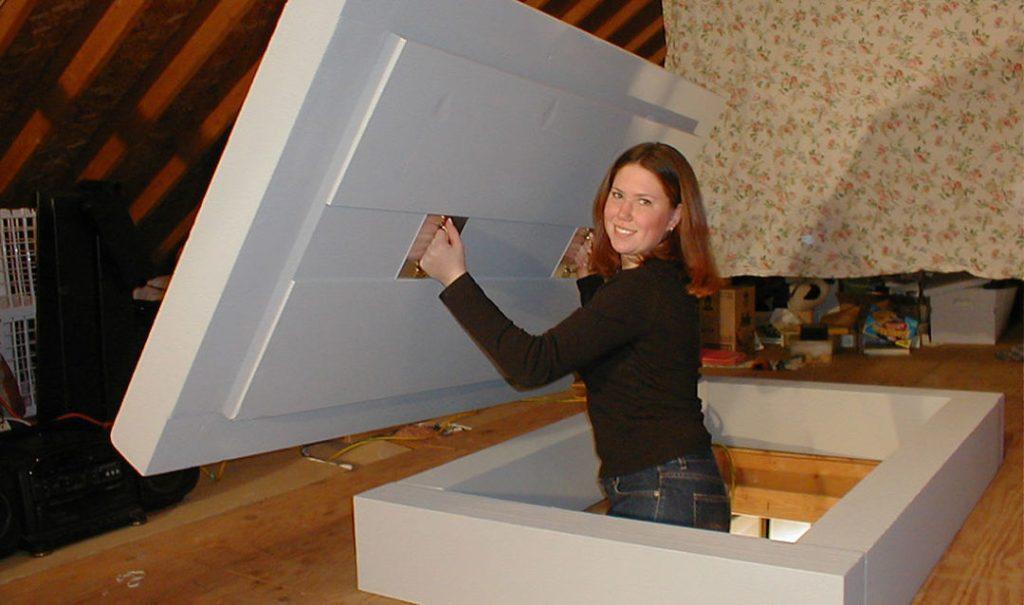
Are you looking to buy the perfect attic stairs for your home? If so, you must take a lot of considerations when choosing one.

Finding the appropriate attic ladder benefits you by maximising the available space, ensuring safety in your home, and giving solutions to what your house requires.

When it comes to the product itself, there are some qualities and specifications that you should look out for, and here are some of them:

Size and Proportion

Attic stairs come in different sizes, shapes, and heights to suit the available space in your house well. Typical attic ladders are 22.5 x 54 inches big, so choose the appropriate one based on floor-to-ceiling height, swing clearance, opening size, and landing space.

An excellent ladder warehouse lets you send your address and photos of the desired installation location, recommending which attic ladder fits best.

Price

The price of attic stairs depends on the specifications like materials, design, and accessories. Ensure the best of your purchase by comparing various product offers and considering deals like warranties to guarantee a defect-free attic ladder.

Ease of Installation

Factoring in the installation processes of attic ladders is vital in calculating additional fees and estimating the overall duration of completion. Lucky for you, leading attic stairs manufacturers offer do-it-yourself- (DIY) friendly products you can install alone with the guidance of a step-by-step manual.

Some providers also refer you to specialist installers, completely free of charge, in case your desired location requires extra labour, such as cutting and squaring.

Material and Load Capacity

Various materials go into manufacturing attic stairs with different strengths and weaknesses in terms of cost-efficiency, durability, and loading capacity. The following are common materials used and their benefits and drawbacks:

  • Steel-attic ladders made with steel are sturdy and safe from moulds, rots, and termites but are also the heaviest and prone to corrosion.
  • Wood- wooden ladders are sturdy and the most affordable variation, but it is not ideal for humid and termite-infested areas.
  • Aluminium-making attic ladders with aluminium ensure lightness and durability. However, it’s not steady and conducts heat and electricity, making them hazardous in industrial settings.

Features and Accessories

With ever-evolving technology, attic stairs now come with various convenient and high-tech features and accessories like the following:

  • Hidden insulation
  • Pre-assembled and ready-to-install
  • Safety features like slip-resistant steps and locks
  • Automated ladders that operate with the push of a button or using a smart device
  • Handrails
  • Architraves
  • Balustrade kit

Conclusion

No matter what you’re looking for in the best attic stairs for your home, a leading manufacturer like Attic Ladder Warehouse can deliver it to you.

As Australia’s top choice for attic ladders, they produce a wide range of premium and DIY-friendly ladders with 5-year warranties to work with your budget.

Contact Attic Ladder Warehouse today and let them help you find the most suitable attic stairs for your household with excellent service and unmatched after-sales support!