Category

Home improvement

Category

Most of us visualise laminates as decorative surfaces for kitchen cabinets, sophisticated wardrobes, or intelligent office furniture. And yes it’s right too, laminate sheets have come to represent chic, long-lasting interior finishes. But what about outside? Can laminates stand the test of weather outside your house, under the sun, wind, and rain? The answer is yes, but only with the use of the right laminate. At Royale Touche, we are sure to help you make the right decision with clarity and assurance. Interior laminates are designed for controlled environments, whereas exterior-grade laminates are specifically designed to withstand more challenging conditions.

Understanding the Basics of Laminates

Before diving into where and how to use laminates outdoors, it’s important to understand that all laminates are not built for the same purpose. Interior laminate sheets are perfect for indoor settings. They’re moisture-resistant, stylish, and easy to maintain but are not built to withstand prolonged exposure to UV rays, rain, or fluctuating temperatures.

Exterior-grade laminate sheets used here are designed using weather-proof resins and UV-stabilised surfaces without compromising on visual appeal and style.

At Royale Touche, our exterior laminates undergo stringent high-performance outdoor conditions testing to test for fading, dimensional stability, and resistance to cracking or delamination.

Where Can You Use Exterior Laminates?

Whether you’re working on a residential terrace or a commercial outdoor installation, exterior laminate sheets bring both durability and design freedom. Here are some popular applications:

Exterior Cladding: Laminates are a powerful visual statement when applied as an exterior wall cladding. They provide a pristine, contemporary alternative to conventional finishes like paint, tile, or natural stone. With Royale Touche’s extensive range of textures and patterns, you can design facades that are not just protective but fashionable as well.

Balcony Walls and Ceilings: Turn a dull balcony into a welcoming retreat using woodgrain or matte-finish laminate panels. They help to insulate, moisture-proof, and further beautify your outdoor seating space.

Garden Furniture and Planter Boxes: While wood can rot or warp with age, well-finished laminate sheets provide an alternative which is more practical and weather-proof for benches, stools, or planter claddings.

Commercial Exteriors: From café counters to boutique signage, exterior laminates add design panache to hospitality and retail facilities. Being able to withstand sunlight and wear, they are an affordable yet high-end material option.

Performance That Keeps Up with the Elements

Outdoor weather is anything but consistent whether it is heat, humidity, dust, rain. The real measure of an outdoor surface material is how well it can withstand it all and emerge unscathed. Our exterior-grade laminate sheets are designed with the following characteristics:

  • UV Resistance: To avoid fading and retain vibrancy over the years.
  • Weather Resistance: With thermosetting resins to withstand high humidity, rain, and temperature fluctuations.
  • Antifungal & Antibacterial Properties: Suitable for exposed areas where hygiene is a priority.
  • Scratch & Impact Resistance: For busy commercial spaces or energetic home patios.
  • Low Maintenance: A quick wipe down keeps them looking fresh, season after season.

So whether it’s a breezy beachfront property or a busy city rooftop, Royale Touche laminates can rise to the challenge—literally.

Designing with Style: Don’t Compromise on Aesthetics

Outdoor functionality does not have to compromise on style. At Royale Touche, our range of exterior laminate sheets offers a broad spectrum of colours, textures, and designs. You can opt for earthy woodgrains, modern abstract prints, sleek stone finishes, and more.

Want your outdoor bar to have a rustic, cozy feel? Use our deep walnut exterior laminate with a matte finish. Seeking a bold appearance for your commercial storefront? Use high-contrast patterns or textured metal laminates.

What About the Price of Laminate Sheets Used Outdoors?

Though the price of laminate sheets can be more expensive than normal interior laminates, they are cost effective in the long run with expenses saved on any repairs and replacements.

At Royale Touche, we take care to provide desired quality and value for your expenses. Whether you’re a homeowner planning your dream balcony or an architect designing a retail space, we provide choices to suit your needs and budget.

Blending Indoors with Outdoors: A Seamless Design Language

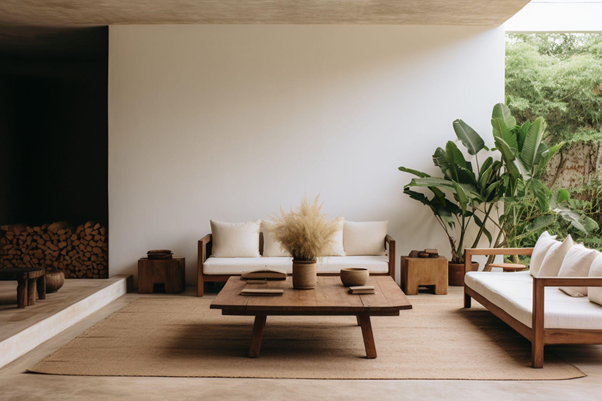
One of the trends today is seamless transition of indoor and outdoor areas. Open kitchens that run into decks, living rooms that flow into balconies create design that is natural and spacious. With Royale Touche’s line of interior laminates and coordinating exterior finishes, you can enjoy a unified design throughout both areas. Apply the same woodgrain finish to your living room cabinet and your corresponding balcony wall, and watch the area become a harmonious extension.

Selecting the right sheet of exterior grade laminate from Royale Touche helps design the outdoors as desired. From elegant façades and welcoming balconies to innovative commercial facades, these laminate sheets add beauty, durability, and life to the areas that are subject to heat, rain, excessive wind.  Discover the possibilities of laminates to create that dream design with Royale Touche laminates.
Have you ever considered how much your roof impacts your home’s overall appeal and worth? More than just a protective shield, a modern roof is a significant investment that enhances both aesthetic appeal and property value. From boosting your home’s curb appeal to offering long-term financial benefits, upgrading your roof can be one of the smartest decisions you make for your property.

The Immediate Impact: Curb Appeal

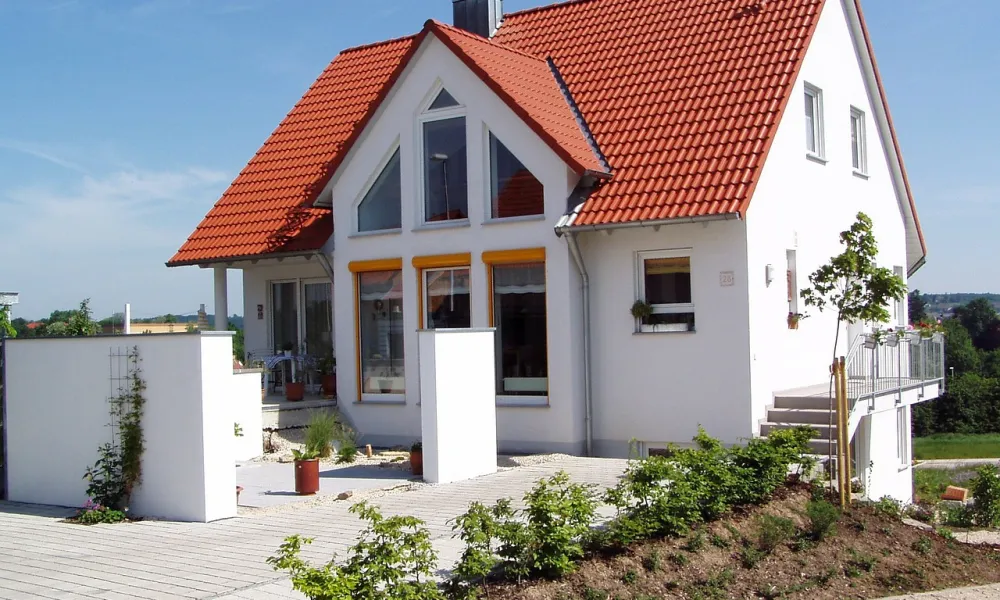
The roof is often called the “fifth wall” of your home, and for good reason. It’s a massive visual component that significantly contributes to that all-important first impression. An old, worn, or outdated roof can detract from even the most beautifully landscaped yard or freshly painted exterior. Conversely, a modern roof instantly elevates your home’s aesthetic.

Today’s roofing materials offer an incredible range of styles and designs to complement any architectural vision. You can choose from sleek asphalt shingles with advanced colors and dimensional designs that mimic natural materials. For a truly contemporary look, metal roofing is an increasingly popular choice, available in various profiles like standing seam or corrugated, offering clean lines and a distinctive finish. Tile roofing can bring a Mediterranean or Spanish flair, while modern flat or low-slope roofing is perfect for minimalist designs.

The right color and texture selection are crucial; they can either blend seamlessly or provide a striking contrast that enhances your home’s existing architecture and landscaping. Imagine the transformation: an old, faded, moss-covered roof replaced with vibrant, new metal roofing or dimensional shingles. The “before” picture might show a tired, uninviting exterior, while the “after” reveals a home that looks refreshed, modern, and inviting, instantly boosting its curb appeal.

Beyond Aesthetics: Boosting Home Value

While the visual upgrade is immediate, the benefits of a modern roof extend far beyond aesthetics, directly contributing to your home’s value.

One of the most significant advantages is increased energy efficiency. Modern roofing, especially options like cool roof technology with reflective coatings, can dramatically reduce heat absorption, keeping your home cooler in warmer months. A new roof also provides an opportunity to improve attic insulation, creating a more effective thermal barrier. The result? Lower utility bills and a more comfortable living environment, which are major selling points for any potential buyer.

Enhanced durability and longevity are also key value drivers. Modern roofing materials are engineered to be far more resilient than their predecessors. They offer superior resistance to extreme weather conditions like hail and high winds, as well as protection against UV rays and fire. This translates to an extended lifespan, meaning less frequent need for costly replacements. Furthermore, many modern roofing systems, including high-quality metal roofing, come with transferable warranties, adding significant peace of mind and value for future homeowners.

Beyond energy savings and durability, a new roof plays a vital role in structural integrity and protection. It’s your home’s primary defense against leaks, mold growth, and potential structural damage. By preventing these issues, a modern roof safeguards your interior investments—from flooring and walls to furniture and electronics.

When it comes to Return on Investment (ROI), roofing consistently ranks as one of the highest-value home improvement projects. A new roof not only increases your home’s appraised value but can also help it sell faster and for a higher price, making it a truly smart financial decision.

Choosing the Right Modern Roof

Selecting the perfect modern roof involves a few key considerations. First, assess your home’s style to ensure the new roof complements its architectural design. A sleek metal roofing system might be perfect for a contemporary home, while a more traditional shingle could suit a classic colonial.

Budget considerations are also important, as different materials come with varying price points. Always factor in local climate conditions when selecting materials; some roofs are better suited for heavy snow, while others excel in hot, sunny environments.

Most importantly, professional installation cannot be overstated. The quality of the installation is as crucial as the quality of the materials. Always hire certified and experienced roofing contractors who understand the nuances of modern roofing systems. Finally, explore sustainability options like recycled materials or solar-ready roofs, which can add an eco-friendly appeal to your property.

In summary, investing in a modern roof offers a powerful dual benefit: it dramatically enhances your home’s curb appeal, making it stand out in the neighborhood, while simultaneously boosting its long-term value through energy efficiency, durability, and structural protection. Considering a roof upgrade is a strategic move that pays dividends, ensuring your home is not only a beautiful place to live but also a sound investment for the future. A well-maintained, modern roof truly is a testament to a well-cared-for home.

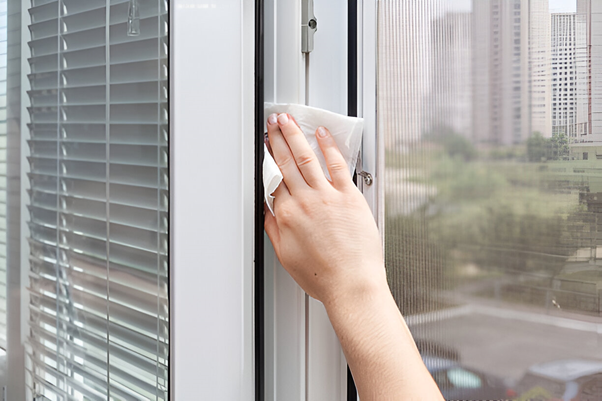
During the summer seasons, as the temperature of the environment increases, the activity of the flies also increases simultaneously, and as a result, they become a common regular household pest in every British household. Though it has been estimated that there are thousands of species of flies worldwide, only a few among them are commonly found within UK properties.

One of the most viable solutions in the UK is the installation of a set of fly screens that keep flies out while continuing to admit fresh air into the homes. Specialized firms such as Premier Screens Ltd provide custom solutions to allow houses to remain safe without having to endure a lack of ventilation.

Common UK Fly Species

Identifying the types of flies that buzz in your house is useful in addressing the infestation problem easily.

The following are the most frequent offenders:

1. Bluebottle Fly

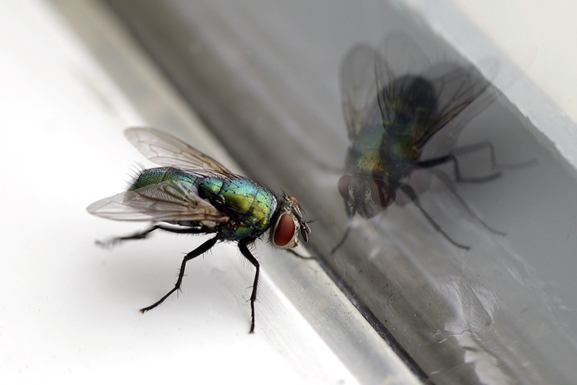
  • Appearance: Their size is probably 5 to 8mm long, with having metallic-blue body.
  • Attracted to: Old meat left in the home, animal droppings, and open trash cans.
  • Risk: Indicates decaying organic matter nearby (e.g., dead rodents).
  • Solution: Remove all the food supplies and partially block all the entry points by installing a fly screen.

2. Cluster Fly

  • Appearance: Larger than houseflies (6 to 10mm), with golden hairs on a dark body.
  • Behaviour: During the winters, they hibernate in the holes in the wall and attics.
  • Solution: Seal openings and vacuum dormant flies to prevent re-entry.

3. Fruit Fly

  • Appearance: Tiny (3mm), tan-and-black body.
  • Attracted to: Rotten fruit, liquids that are being fermented, and drenched mops.
  • Solution: Keep fruit in the fridge and use traps with vinegar to get rid of them.

4. Housefly

  • Appearance: Grey-coloured with striped body, size 5-8mm.
  • Attracted to: Decaying foodstuffs, trash, and animal faecal matter.
  • Solution: Keep the areas clean and have fly screens on the windows.

Why Flies Invade Homes

The flies are in search of shelter, food, and breeding grounds.

Some of their main reasons for entering are:

  • Warmth: Cluster flies try to spend time during the winter in the house.
  • Food sources: Exposed garbage or degrading organic materials.
  • Moisture: Drain flies are attracted to damp places such as drains.

Prevention Tips

It takes a combination of cleanliness and physical prevention to keep flies out:

  • Seal entry points: Leaks near the windows, doors, and vents.
  • Use fly screens: Premier Screens Ltd provides durable options for all window types.
  • Eliminate attractants: Keep the foodstuffs well, empty the garbage frequently, and repair leaks.

When to Call Professionals

For severe infestations—especially those linked to hidden decay (e.g., bluebottles near walls)—professional pest control may be necessary. In the meantime, there is also a long-term preventative measure available, such as a fly screen.

Final Thoughts

The fly pests that are found in UK homes during the summer include buzzing of houseflies and swarms of clusters, among others. Simple things, such as sealing the holes and fitting a fly screen, will make a world of difference.

When you need professional services, Premier Screens Ltd prevents pests from entering your home and introduces fresh air. Stay vigilant, and don’t let these pests ruin your summer!

Installed on flat or low-slope roofs, roof scuppers are crucial drainage elements that let water go down the roof surface and avoid collecting. They serve as overflow drains, channelling snowmelt and rainfall into storm drains or downspouts. When scuppers are operating properly, they prolong the roof structure’s lifespan and shield it from water damage. Like any roofing component, scuppers may eventually have issues that reduce drainage effectiveness and result in leaks or structural problems. Maintaining a healthy roof system requires early detection of typical scupper issues.

Clogging and Blockages: The Most Frequent Issue

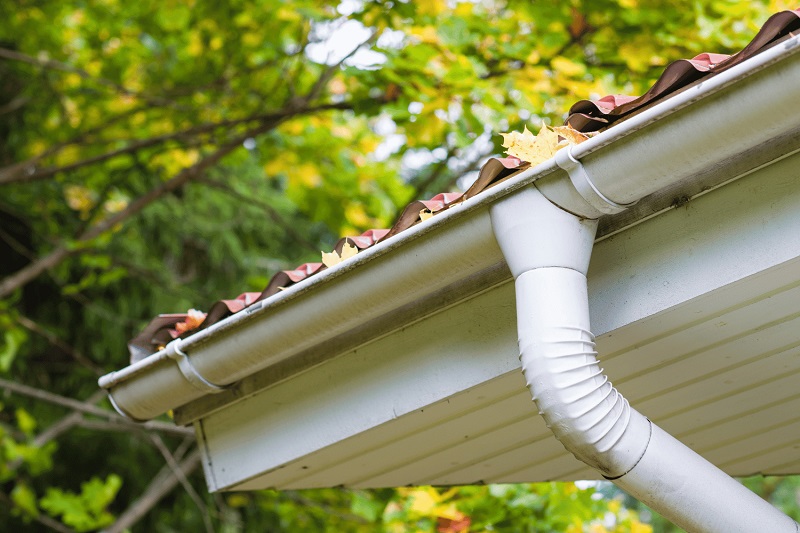
Common scupper concerns include debris clogging. In the drainage path or scupper aperture, debris, twigs, leaves, and other detritus can block water flow. Failure to remove water from the roof can cause leaks, material deterioration, and structural damage. Clogged scuppers require frequent cleaning and inspection. Use a garden hose or pressure washer to remove debris and manually remove impediments. Protection screens or grates over scuppers can prevent future clogs.

Leaks around Scupper Openings

Scupper holes often leak due to poor sealing or flashing. Since they penetrate the roof, scuppers must be waterproofed to prevent water from entering the walls or roof deck. Leaks often result from corroded metal flashing, damaged sealant, or roof membrane-scupper overlap. Clean the area and remove damaged items before addressing leaks. After that, replace rusty flashing and seal the scupper edges with quality roofing sealant. Applying a new waterproof membrane patch can enhance the barrier and stop leaks.

Corrosion and Material Deterioration

Usually composed of metal, roof scupper can corrode over time from exposure to weather and water. The scupper is weakened by corrosion, which might result in holes, splits, or structural failure that hinders drainage. Check scuppers frequently, especially on older roofs, for indications of corrosion or degradation. The lifespan of the scupper can be increased by using paint and primer that inhibits rust if the corrosion is not severe. However, in order to guarantee adequate drainage and prevent leaks, severe corrosion frequently necessitates replacing the scupper completely.

Proper Maintenance and Professional Repairs

Regular maintenance is the best defence against scupper issues. To check for debris, leaks, corrosion, and flashing condition, schedule routine roof inspections. Address any problems as soon as possible to prevent further, expensive damage. Professional roofing contractors are best suited to address more complicated issues like substantial corrosion or membrane damage, but do-it-yourselfers can undertake small repairs. Professionals possess the equipment and know-how to guarantee that the scuppers are replaced or repaired appropriately, restoring efficient drainage and safeguarding your roof investment.

Conclusion

Finally, clogging, leaks, and corrosion are common roof scupper issues that, if ignored, can hurt your roof’s drainage and cause damage. Maintaining the health of your roof and keeping your scuppers operating correctly require routine cleaning, prompt repairs, and expert inspections.