
Archive

2023

Browsing

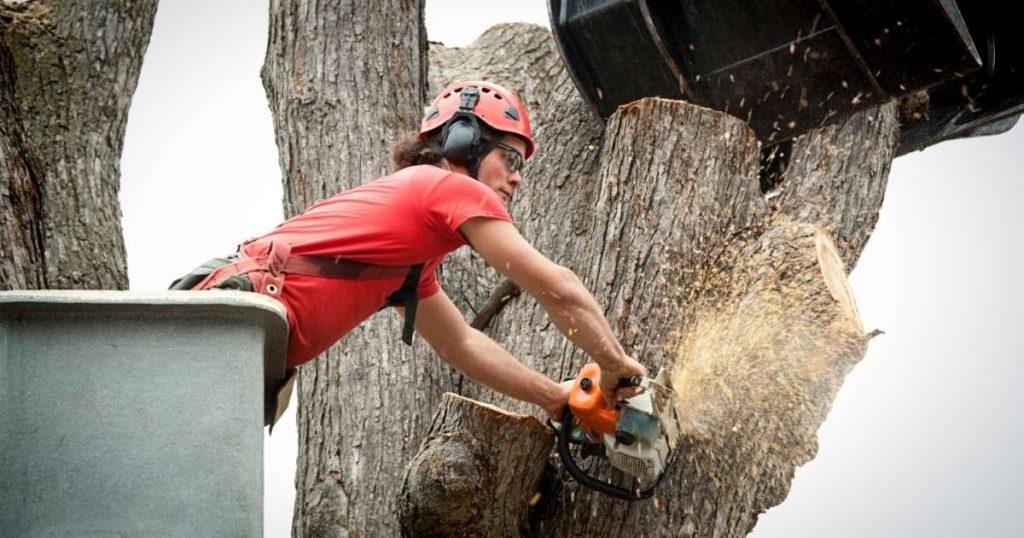
Trees, with their majestic stature and environmental benefits, often become silent yet significant aspects of our properties. However, circumstances arise when the beauty and benefits of these leafy giants are outweighed by potential risks, making tree removal an essential consideration. In this exploration, we’ll delve into situations that necessitate tree removal and its inherent importance for property owners.

  1. Safety Concerns: The primary and most pressing reason for tree removal often revolves around safety. Trees that have become structurally unsound due to disease, pest infestations, or weather-related damage pose a threat to properties and individuals alike. Overhanging branches or leaning trunks could result in damaging falls, necessitating pre-emptive removal to mitigate risks.
  2. Disease and Pest Management: Trees can become hosts to various diseases and pest infestations that not only compromise their integrity but also pose threats to surrounding vegetation. In such cases, tree removal becomes crucial to halt the spread of disease or infestations, safeguarding the overall health of your property’s ecology.
  3. Construction and Landscaping Needs: Construction projects or landscaping renovations sometimes require the clearing of trees to pave the way for new structures or aesthetic designs. Tree removal in these instances facilitates property enhancements, ensuring that new developments are not hindered by existing vegetation.
  4. Light and Growth Obstruction: Trees, particularly those with expansive canopies, can obstruct sunlight, impacting the growth of other plants within the property. In scenarios where a tree significantly impedes the thriving of surrounding vegetation or limits light access to solar panels or living spaces, removal might be deemed necessary.
  5. Root-Related Issues: Tree roots can occasionally cause infrastructural damage, affecting foundations, plumbing systems, and pavement structures on properties. The expansive and invasive nature of roots sometimes warrants tree removal to prevent ongoing or future damage.

Navigating the Tree Removal Process: While identifying the necessity of tree removal is pivotal, understanding the process and ensuring it is conducted responsibly is equally vital. Employing professional arborists ensures the removal is performed safely, complying with local regulations and applying expert knowledge to mitigate potential risks. Furthermore, professionals can guide property owners on replacement vegetation, ensuring that the ecological and aesthetic values of properties are maintained or enhanced post-removal.

The decision to undertake tree removal must always be tethered to considerations of safety, ecological balance, and property enhancement. It’s a measure that transcends mere extraction, becoming a calculated decision that, when executed responsibly, contributes to maintaining a safe, aesthetically pleasing, and ecologically rich environment on a property.

Through understanding when and why tree removal becomes a necessity, property owners become better stewards of their environments, able to balance the cherished presence of trees with the overarching needs of safety, development, and ecological health.

Woodworking is a time-honored craft that combines artistry, precision, and skill. With the right tools and techniques, you can transform raw lumber into stunning works of functional art.

Getting Started

Proper planning prevents problems. Before building, you need to carefully consider your project goals, space constraints, and skill level. Begin with easier beginner-friendly designs before trying more complex pieces. Make sure that you have access to necessary tools and workspace; a sturdy workbench, quality power tools, wood clamps, and safety equipment are all essentials.

Perfect fundamental skills like measuring, cutting, joining, fastening, and finishing with practice projects. While skill development does take patience, it ensures quality results when it comes to more advanced builds. Consider taking a woodworking class, as hands-on guidance really does accelerate the learning curve.

Project Design

Establishing a well-conceived design is essential before starting actual construction. Draw plans to scale that show dimensions, joinery, and assembly methods, and jot down measurements and make material cut lists. Using graph paper makes spatially mapping furniture much easier.

Consider how different pieces will fit together and sequence construction steps accordingly. For example, drawer boxes must be built prior to the cabinet carcasses they slide into. Be sure to account for the thickness of wood when calculating dimensions and clearances, as well.

Choose joints like dowels, dadoes, or dovetails to interlock pieces tightly together (but they should be sized to allow some adjustment during final assembly). Reinforce joints and anchors points with appropriate adhesives like wood glue. The experts at SPAX recommend planning for replacement and concealment of wood screws.

Accomplishing the Cuts

Accurate sawing and machining are imperative for flat, square boards that fit together seamlessly. Set up a stop block on your miter saw or table saw when crosscutting multiple pieces to identical lengths. Take your time to make straight, clean, precise cuts. Remember, rushing is asking for injuries and mistakes.

Sand edges and faces smooth after each step but check for square frequently with a triangular carpenter’s square. When edge-gluing boards into wider panels, apply clamps evenly to minimize gaps, and always use a sharp carbide blade optimized for fine finish cuts.

Joinery Made Simple

Joints connect woodworking pieces together invisibly and elegantly. Mastering wood joinery elevates projects from crudely nailed together to works of artistry. Cut tight-fitting yet forgiving joints using a router, dado stack, or handsaws guided by fixtures. Test fit joint halves and make micro adjustments for a perfect mating.

Fastening with Adhesives & Hardware

In conjunction with joinery, fasteners lock components in alignment permanently. Wood glue applied to joint mating surfaces creates a tenacious bond once dried. Use just enough glue to fill gaps.

Countersink screw holes to recess wood screw heads, then fill with wood putty to conceal them. Drill pilot holes as this helps prevent wood splitting when driving screws. Where needed, use specialty hardware like shelf pegs, hinges, drawer slides and pulls.

Finishing for Beauty and Protection

Finishing wood transforms raw lumber into a visually stunning creation. Sand your project starting with coarse grit to remove undesirable marks, then progress through finer abrasives up to 220 or 320 grit for a glass-like smoothness.

Wipe away dust with a tack cloth before applying protective topcoats like polyurethane, lacquer or oil. For coloring, use dye, gel stain, or pigmented wiping stains. Multiple thin coats create better results than one thick application. Allow adequate drying time between coats. Install hardware once fully cured. Apply paste wax or buff with fine steel wool for a soft sheen.

Conclusion

Woodworking skills develop over years of practice. Follow design plans closely, measure twice, and execute cuts carefully. Sand thoroughly, apply protective finishes, and install hardware neatly. Mastering both the technical and artistic aspects of woodworking leads to professional-grade creations you’ll cherish for a lifetime.

Granite countertops have become a symbol of luxury and sophistication in today’s kitchens. With their stunning natural patterns, durability, and heat resistance, granite countertops are a popular choice for homeowners looking to elevate the aesthetics of their culinary spaces. However, to ensure that your granite countertops maintain their luxurious appearance and longevity, it’s crucial to follow a proper cleaning and maintenance routine. In this article, we’ll explore the significance of cleaning and maintaining granite countertops and introduce you to the exceptional services offered by Coconut Cleaning to help you keep your kitchen looking its best.

The Elegance of Granite Countertops

Granite countertops are renowned for their timeless elegance. Each slab of granite is a unique masterpiece of nature, featuring its own distinct colors, patterns, and veining. This inherent uniqueness not only enhances the visual appeal of your kitchen but also adds to the overall value of your home. Beyond their stunning appearance, granite countertops are incredibly durable, making them a practical choice for any kitchen.

The Importance of Granite Countertop Cleaning

Despite their durability, granite countertops can lose their luster and develop stains or etching if not properly maintained. The natural pores in granite can trap spills, oils, and residue, leading to discoloration over time. To protect your investment and ensure that your kitchen maintains its luxurious look, regular cleaning is essential.

Cleaning Tips for Granite Countertops

A regular cleaning routine can help preserve the beauty of your granite countertops. Here are some essential tips to follow:

  1. Prompt Spill Cleanup: Granite is porous, so it can absorb liquids if left unattended. Quickly blot and clean any spills to prevent stains from setting in.
  1. Choose the Right Cleaner:Opt for a pH-balanced, mild dish soap or a specialized granite cleaner for everyday cleaning. Avoid using acidic or abrasive cleaners, as they can damage the sealant and dull the shine.
  1. Gentle Scrubbing: For stubborn stains, use a soft sponge or cloth and gentle scrubbing motions. Avoid using steel wool or abrasive pads that can scratch the surface.
  1. Thorough Drying: After cleaning, make sure to thoroughly dry your countertops with a clean, dry cloth to prevent water spots and streaks.

Sealing Your Granite Countertops

Granite countertops should be sealed periodically to maintain their resistance to stains and moisture. The recommended sealing frequency depends on the type of granite and the sealant used but generally falls between every 1 to 3 years. A professional can assess your countertops and provide guidance on the ideal sealing schedule.

Coconut Cleaning’s Professional Granite Countertop Services

While daily cleaning and regular sealing are fundamental to granite countertop maintenance, there are times when professional assistance is necessary to ensure your countertops remain in impeccable condition. This is where Coconut Cleaning’s specialized granite countertop cleaning services come into play.

Our highly skilled technicians are equipped with the knowledge and advanced tools needed to remove stubborn stains, restore the shine, and extend the life of your granite countertops. Our cleaning process is thoughtfully designed to be both effective and gentle on your granite surfaces. We utilize specialized granite cleaners and sealers that are tough on stains and grime while remaining gentle on the stone itself.

Benefits of Professional Granite Countertop Cleaning

Engaging professionals for granite countertop cleaning offers numerous advantages:

  1. Stain Removal: Our experts are adept at effectively removing tough stains that may have penetrated the surface of your granite countertops, restoring them to their original beauty.
  1. Shine Restoration: Over time, granite countertops can lose their natural shine due to wear and frequent cleaning. Our services will bring back that luster, rejuvenating your kitchen.
  1. Prolonged Lifespan: Regular professional cleaning and maintenance can extend the lifespan of your granite countertops by preserving their structural integrity.
  1. Expert Evaluation: Our technicians can assess the condition of your countertops and recommend sealing if necessary, ensuring long-term protection against stains and moisture.

Conclusion

Granite countertops are a luxurious addition to any kitchen, celebrated for their durability and aesthetic appeal. To keep them looking their best, it’s imperative to implement a regular cleaning and maintenance routine. Simple daily cleaning practices, gentle scrubbing, and proper sealing are essential steps to ensure your granite countertops maintain their beauty over time. When your countertops require specialized care to remove stains, restore shine, and extend their lifespan, trust Coconut Cleaning’s professional granite countertop cleaning services. With our expertise and commitment to quality, we’ll help you maintain a luxurious kitchen where the timeless elegance of granite countertops continues to shine, making your culinary space truly exceptional.

Polished concrete floors have become increasingly popular in both residential and commercial spaces due to their durability, low maintenance requirements, and sleek appearance. However, to keep your polished concrete floors looking pristine and long-lasting, it’s essential to follow a proper maintenance routine. In this article, we will discuss five valuable tips for maintaining polished concrete floors.

  1. Regular Cleaning is Key

The first and most crucial tip for maintaining polished concrete floors is regular cleaning. Dust, dirt, and debris can accumulate on the surface over time, diminishing the floor’s shine and causing minor scratches. To prevent this, sweep or dust mop your polished concrete floors daily. This simple step helps to remove loose particles that can act as abrasives.

For deeper cleaning, use a neutral pH cleaner specifically designed for polished concrete. Avoid harsh chemicals like ammonia or vinegar, as they can damage the surface. Instead, opt for a cleaner that is gentle on the polished finish while effectively removing stains and grime. Regular cleaning not only enhances the floor’s appearance but also prolongs its lifespan.

  1. Protect Against Stains

Polished concrete floors are susceptible to staining, especially from acidic or oil-based substances. To prevent stains, promptly clean up spills as they occur. Use a clean cloth or mop to blot and absorb the liquid rather than wiping it, as wiping can spread the stain. For tough stains, consult your flooring professional for appropriate stain-removing solutions.

Additionally, consider applying a quality concrete sealer to your polished floor. Sealers act as a protective barrier against stains and can make it easier to clean up spills before they penetrate the surface. Be sure to reapply the sealer as needed, typically every one to three years, depending on the level of foot traffic in your space.

  1. Use Furniture Pads

Furniture legs and other heavy objects can scratch or damage your polished concrete floors if not adequately protected. To prevent this, use furniture pads or felt protectors under the legs of chairs, tables, and other furnishings. These pads create a buffer between the floor and the furniture, reducing the risk of scratches and dents.

Regularly check and replace these pads when they show signs of wear. Additionally, when moving heavy objects, lift them rather than dragging them across the floor to avoid surface damage.

  1. Maintain a Consistent Maintenance Schedule

Consistency is key to preserving the beauty and integrity of your polished concrete floors. Create a maintenance schedule that includes regular cleaning, resealing as needed, and addressing any repairs promptly. Keeping a record of your maintenance activities can help you stay on track and ensure your floors receive the care they deserve.

  1. Address Cracks and Damage

Over time, your polished concrete floors may develop cracks or minor damage. It’s crucial to address these issues promptly to prevent them from worsening. Contact a professional concrete flooring contractor to assess and repair any cracks or damage. Prompt repairs can prevent moisture from seeping into the subfloor, which can lead to more extensive problems.

In conclusion, maintaining polished concrete floors requires a combination of regular cleaning, stain prevention, protective measures, consistent maintenance, and addressing any issues promptly.

By following these five tips, you can ensure that your polished concrete floors continue to shine and provide an attractive, durable surface for many years to come. Proper care and attention will not only enhance the aesthetics of your space but also protect your investment in floor polishing.