
Archive

2023

Browsing

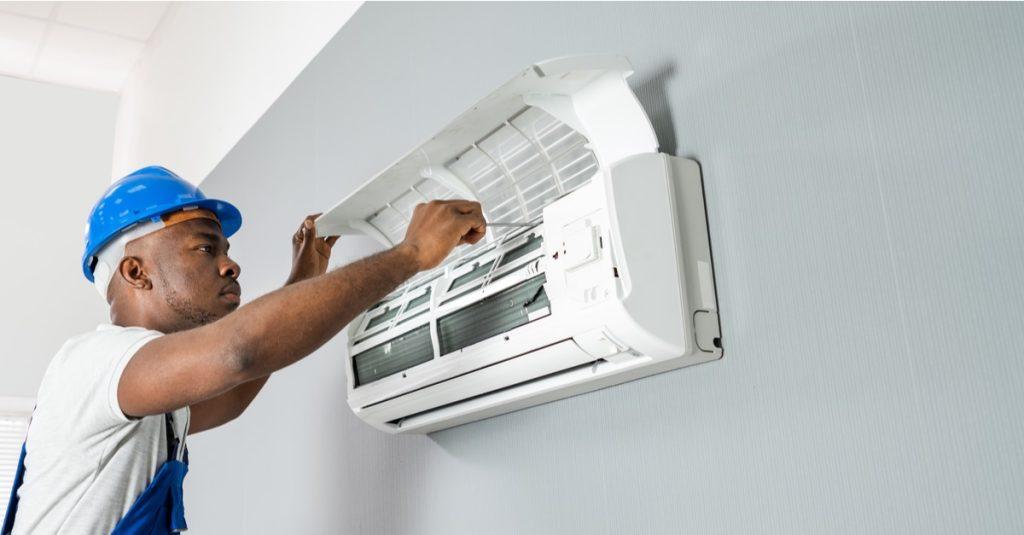
Your air conditioning is a vital component in keeping your home comfortable, especially during the scorching summer months. To ensure it runs efficiently and reliably, it’s crucial to be aware of signs indicating that it may be in need of professional air conditioning maintenance. Here are some key indicators to watch out for:

1. Reduced Cooling Performance

If you notice that your air conditioning isn’t providing the level of coolness it used to, it’s a clear sign that something might be amiss. Reduced cooling power could be due to issues with the compressor, refrigerant levels, or airflow.

2. Unusual Sounds

Pay attention to any unusual sounds emanating from your AC unit. Clanking, banging, or hissing noises could be indicative of loose or damaged components, which require prompt attention from a professional.

3. Foul Odors

Strange or unpleasant odors coming from your air conditioning could signal a variety of problems. Musty odors may indicate mold growth, while burning smells could suggest electrical issues. These situations require immediate professional assessment.

4. Frequent Cycling

If your air conditioning cycles on and off too frequently, it’s struggling to maintain a consistent temperature. This not only puts unnecessary strain on the system but also leads to higher energy bills.

5. Uneven Cooling

Noticeable temperature disparities in different areas of your home are a clear indication that your AC system is not distributing cool air evenly. This could be attributed to blocked ducts or a malfunctioning thermostat.

6. High Humidity Levels

Your air conditioning plays a crucial role in regulating humidity levels indoors. If you find that your home feels excessively humid, it could be a sign that your AC system requires maintenance.

7. Leaks or Moisture Accumulation

Any signs of moisture or leaks around your air conditioning warrant immediate attention. This could be a result of a blocked drain line or a refrigerant leak, both of which necessitate professional intervention.

8. Visible Wear and Tear

Take a look at the external components of your air conditioning. Cracked or damaged parts, loose connections, or excessive dirt and debris can all contribute to reduced efficiency.

9. Skyrocketing Energy Bills

A sudden spike in your energy bills without a corresponding increase in usage is a clear indication that your air conditioning is working harder than it should. Regular maintenance can help ensure optimal energy efficiency.

10. Inconsistent Airflow

Weak or insufficient airflow from your vents could be due to clogged filters, a malfunctioning blower fan, or ductwork issues. These problems can impede your AC’s performance and should be addressed promptly.

Conclusion

In conclusion, being vigilant about these signs and promptly seeking professional maintenance can prevent minor issues from escalating into costly repairs. Regular upkeep not only prolongs the lifespan of your air conditioning but also guarantees its efficient operation, keeping your home consistently cool and comfortable. Don’t hesitate—schedule a professional maintenance check today!


Introduction

Pantry moths, those uninvited guests in your kitchen, can be a real nuisance. They infiltrate your food storage and can quickly become a persistent problem if not dealt with promptly. In this comprehensive article, we will delve into the 4 things you need to know about pantry moths and their moth control. From understanding their habits to effective eradication methods, we’ve got you covered.

  1. The Sneaky Invaders

Pantry moths, also known as Indian meal moths, are tiny insects that infest stored food products. They often enter your home through contaminated food items from the store. These moths lay eggs in your pantry, and before you know it, you have an infestation on your hands.

These pests are usually about half an inch long with distinctive wings. Identifying them correctly is the first step in dealing with them effectively.

  1. Signs of an Infestation

Spotting pantry moth larvae or adult moths flying around your kitchen is an obvious sign of an infestation. However, there are other telltale signs to look out for:

  • Webbing: Pantry moths create silky webbing in food packages, which is a clear sign of their presence.
  • Small Holes: Tiny holes in packaging are often caused by larvae feeding on the contents.
  • Cocoons: Look for small, silky cocoons in corners or on the walls of your pantry.
  1. Prevention Is Key

The best way to deal with pantry moths is to prevent them from entering your home in the first place. Here are some prevention tips:

  • Inspect Purchases: Check all food items before bringing them into your kitchen.
  • Use Airtight Containers: Store grains, flour, and cereals in airtight containers to prevent infestations.
  • Regular Cleaning: Keep your pantry clean and dry, as moths are attracted to crumbs and spills.
  • Rotate Stock: Use older items first to avoid letting food sit for too long.
  1. Effective Eradication

If you’re already determined for moth removal , don’t worry; there are effective ways to eliminate them:

  • Dispose of Infested Items: Throw away any food products that show signs of infestation.
  • Freezing: Freeze susceptible items for at least a week to kill any larvae or eggs.
  • Pheromone Traps: Use pantry moth traps to catch adult moths and disrupt their breeding.
  • Deep Cleaning: Thoroughly clean your pantry, including shelves and corners, to remove any remaining eggs or larvae.

Professional Moth Control

For severe infestations or persistent problems, it’s advisable to hire professional pest control services. Professionals can accurately identify the moth species and provide targeted treatments to eliminate them.They also offer preventive measures to reduce the risk of future infestations.

Frequently Asked Questions

Q1: Can pantry moths harm my health?    

While pantry moths are not directly harmful to humans, consuming infested food can lead to gastrointestinal discomfort.

Q2: How long does it take to get rid of pantry moths?     

It may take a few weeks to completely eliminate pantry moths, depending on the severity of the infestation.

Q3: Are pantry moths attracted to specific types of food?

Yes, pantry moths are particularly attracted to grains, cereals, and flour.

Q4: Can I use natural remedies to get rid of pantry moths?   

Yes, you can try using natural repellents like bay leaves and cloves to deter pantry moths.

Q5: Do pantry moths have any natural predators?    

Some birds, such as swallows and house sparrows, feed on adult moths and can help control their population.

Q6: How can I prevent pantry moths in my outdoor pantry or storage shed? 

Ensure that these spaces are well-sealed and regularly cleaned to minimize the risk of infestation.

Conclusion

Dealing with pantry moths can be frustrating, but armed with knowledge and a few simple strategies, you can keep your kitchen moth-free. Remember to stay vigilant, practice good food storage habits, and act promptly if you suspect an infestation. With these 4 things you need to know about pantry moths, you’ll be well-prepared to protect your pantry and your peace of mind.

Excavators are the perfect accompaniment on construction sites where there is the need for topsoil excavation and where there is a substantial amount of earth and debris that needs to be moved either off site or to another area of the site quickly, safely, and in a simple manner. There is a wide range of diggers and excavators on the market today, ranging in size and scope, from traditional massive earth movers to mini excavator hire for smaller scale tasks and projects.

Deciding on whether to hire a mini excavator

Are you wondering whether you need a mini excavator for your site? Let’s talk through a few of the considerations you should make, and how hiring mini excavators makes so much sense rather than buying excavators for your upcoming and ongoing projects. 

Mini excavators are in the middle of the options presented to you in terms of size. They are on the small size when compared with a traditional large excavator, but when compared with a micro digger they provide a little bit more of a robust model to work with. As mentioned, diggers are perfect for removing topsoil and other debris around and off site, so your choice of mini excavator will be down to the size and scope of the site and tasks you require it for.

What jobs are mini excavators good for?

When you hire a mini excavator, you have a machine at your disposal that is useful for a wide variety of tasks on small-scale construction sites. The bucket size on a mini digger makes it a great piece of machinery to use at a controlled pace, with smaller and lighter cabs that make it the best bet for sites with limited access and limited space to move in without diminishing efficiency. If there is dirt and soil to be moved in a small space, a mini excavator is the perfect tool. 

Mini excavators are easy to operate, and without the need of a formal license to use on private sites, this means that there is greater scope for your contractors to utilise the machinery on a variety of tasks around site. The simple controls and design make for stability in tight spaces. 

Working with a reputable plant hire company is advised for a number of reasons. First, they give you access to the very latest model of plant hire equipment and machinery. This ensures that you have the safest and most effective model at your disposal, and tracking equipment that wards off potential mini excavator theft.

Whatever your needs and budgets, if you want to speak with a specialist plant hire company about furnishing your project and site with mini excavators, it is important to find a company that you can trust. A long-term relationship is important if you have long-term needs with construction equipment and machinery. Mini excavators and excavator attachments can transform the way you operate on site. Once you have worked through your checklist and planned ahead for the next project, choose the plant hire companies with access to the latest mini excavator hire to help you get your project to where it needs to be.

When you receive a “Letter by Professional Engineer,” it’s important to recognize that this document carries significant weight and implications, often impacting critical decisions and projects. Knowing what to look for in such a letter is essential to ensuring its quality and effectiveness. In this guide, we’ll explore the key considerations when receiving a “Letter by Professional Engineer.

  1. Clarity of Purpose: The first thing to assess is the clarity of the letter’s purpose. Is it a proposal, a report, or a formal communication? Understanding the intent behind the letter is crucial for proper evaluation.
  2. Structure and Organization: Examine how the letter is structured. It should have a clear layout with sections like an introduction, main body, and conclusion. These segments should be well-organized and serve distinct purposes.
  3. Audience Relevance: Consider whether the letter is appropriate for its intended audience. A “Letter by Professional Engineer” should use language and tone that aligns with the recipient, whether they are clients, authorities, or colleagues.
  4. Technical Clarity: Assess the technical clarity of the content. Professional engineers often deal with complex information. The letter should effectively convey technical details, avoiding excessive jargon while maintaining accuracy.
  5. Supporting Evidence: Evaluate whether the letter provides sufficient supporting evidence. It should include relevant data, calculations, and references when necessary to justify claims and decisions.
  6. Grammar and Proofreading: Look for grammatical errors and typos, which can undermine the credibility of the letter. A well-written “Letter by Professional Engineer” should be free of such mistakes.
  7. Professionalism: Consider the professionalism exhibited in the letter. It should maintain a formal and respectful tone throughout, reflecting positively on the engineer’s reputation.
  8. Conclusion and Contact Information: Check the conclusion for a concise summary of key points and a restatement of the letter’s purpose. The engineer’s contact information should also be readily available for further inquiries.

Conclusion:

Receiving a “Letter by Professional Engineer” requires a discerning eye to ensure its quality and reliability. By considering these key factors—purpose, structure, audience relevance, technical clarity, supporting evidence, grammar, professionalism, and contact information—you can confidently assess the value of such letters in engineering contexts. Remember that a well-composed “Letter by Professional Engineer” can greatly influence decisions and project outcomes.