Category

Bathrooms

Category

A tap is one of the most essential items in any home, providing a continuous water supply for cooking, cleaning, and personal hygiene. Therefore, faucet installation should be done professionally to ensure faucets function well and life within a household flows smoothly.

However, it’s easy to overlook the importance of proper installation or replacement. A poorly placed faucet can lead to leaks, water damage, and costly repairs. While replacing an old faucet or installing a new one may seem like a simple task, an experienced sanitaryware dealer understands what can go wrong during the process.

If you’re looking for quality faucets and expert installation services, a Premium Sanitaryware Store in Patiala can provide the right products and professional advice to help you avoid common mistakes and enjoy the long-lasting functionality of your faucets.

Common Faucet Installation Problems and How to Fix Them

Some of the common problems you might face through a faucet installation include leaking, low water pressure, and bad fittings. This guide will offer you quite detailed adjusting processes for the problems you are encountering, which in turn will lead to the perfect installation of your faucet, be it in the kitchen or the bathroom.

1. Not Shutting Off The Water Supply

One of the major mistakes that most people make in the installation of sink faucets is forgetting to turn off the water supply. If the water is not turned off, within no time at all, the kitchen or washroom may be flooded, causing high impairment to your home, floors, or cabinets.

How To Avoid

First, locate the shutoff valves for the water supply under the kitchen sink before undertaking the installation process. Usually, those are two small knobs that will control the flow of water to the faucet. You will need to turn them clockwise to shut off the flow of water. If the sink does not have such individual shutoff valves, you need to turn off the main supply to your house. Then, test before you do the installation by turning on the faucet. No water should be flowing.

2. Not Using The Right Tools

This anyway, using the wrong tool or not appropriate for a faucet installation can cause either a befuddled mind or damaged fittings and injuries as well. Using pliers to tighten faucet nuts instead of using the correct wrench may end up with stripped nuts or damage to the faucet itself.

How To Avoid

Before getting down into the installation process, make sure you are appropriately equipped. Tools in front of you would also be necessary for installing a faucet, such as an adjustable wrench, basin wrench, plumbers tape, channel lock pliers, and all type of all other tools required

3. Tightening Connections Too Much

It is worth mentioning that the most common faults in faucet installations are over-tightening nuts that hold the faucet in place or water supply lines. All you need to do is to tighten enough to make sure you do not go overboard as that would result to damage in the faucet, breakage of fittings, stripping of threads and even breaking seals to secure between them, thus posing a risk of water leaking.

How To Avoid

Begin tightening each connection by hand to make it snug but not overly tight. Once that is done, use a wrench to provide slight adjustments by tightening until resistance is felt but avoid using excessive force. It is also vital to follow the manufacturer’s instructions many faucet brands provide specific torque or tightening instructions. These recommendations should also provide the foundation for preventing faucet damage while ensuring connections remain secure.

4. Neglecting The Faucet’s Seal Or Gasket

While installing faucets, a very frequent mistake is either neglecting to position or forgetting to install the gasket or seal that goes between the sink and the faucet. The lack of this seal allows water underneath the faucet base, later leak out and cause water damage and, God knows, some time later, mold growth.

How To Avoid

Be prepared in advance for attaching a faucet, and be ready to place a rubber seal or the gasket between the sink and the faucet in the right position to act as a watertight barrier. Clear off the sink surface and gasket from any dirt to make a better seal. As a last resort, put around the base of the faucet a thin lay of plumber’s putty to make it more secure, or if there is no gasket.

5. Skipping Leak Inspections

After installation of the sink faucet, a few people will not even bother to properly check it for leaks. That being said, water may start leaking from the connections, even if everything looks fine at first sight, and the latencies of the water may cause water damage, mold, or corrosion in time.

How To Avoid

After that, you can reconnect the water and check opening the tap both hot and cold. Immediately inspect the faucet, supply lines, and base for leaks. Furthermore, check under the sink for any leaks at connection points or along the plumbing. If you find any, switch off the water, tighten the connections, and redo the testing.

6. Not Using The Plumber’s Tape

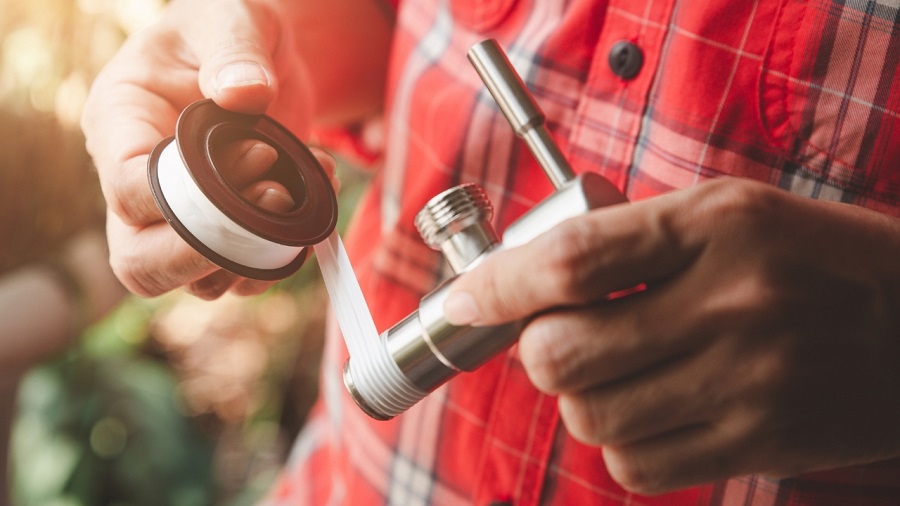
Most frequently, installation errors occur because the plumber is not applying the plumber’s tape (or Teflon tape) at the threaded joints. The plumber’s tape gives a watertight seal and prevents leakage at the points of joinage for pipes or hoses. Even minute gaps between the threads cause continuous dribbling of water.

How To Avoid

When applying the water supply lines, ensure that you cover the male threads of the faucet or supply line fittings with the plumber’s tape. The application should be done using two to three wraps for a good seal but never over-wrapping to prevent difficult fittings. After this installation procedure, turn on the water and check all connections for leaks.

In Conclusion

Installing or changing a faucet is probably one of the easiest jobs ever, but, then again, some extra precautionary steps can save you quite a few bucks. Turn off the water to the faucet; prepare your tools; check for leaks and seal the faucet nicely are some of the things to keep in mind if you want it to last longer and remain leak-free.

This way you avoid the expense of repairs and damage to the water. If you are in Patiala and looking for high-quality faucets & sanitary wares, then Home Design Studio is just one solution for you. It houses vast collections of taps and sanitation in its range, which will be sufficient to furnish your home with fixtures that not only last long but also simultaneously provide attractive utility.

Whether it’s kitchen remodeling or bathroom renovation, help is readily available at Home Design Studio in Patiala anytime with an expert to help find a product that will suffice to meet your needs. Call +918100000697 today to get everything you might need for fast and easy tap installation and any other sanitary needs.
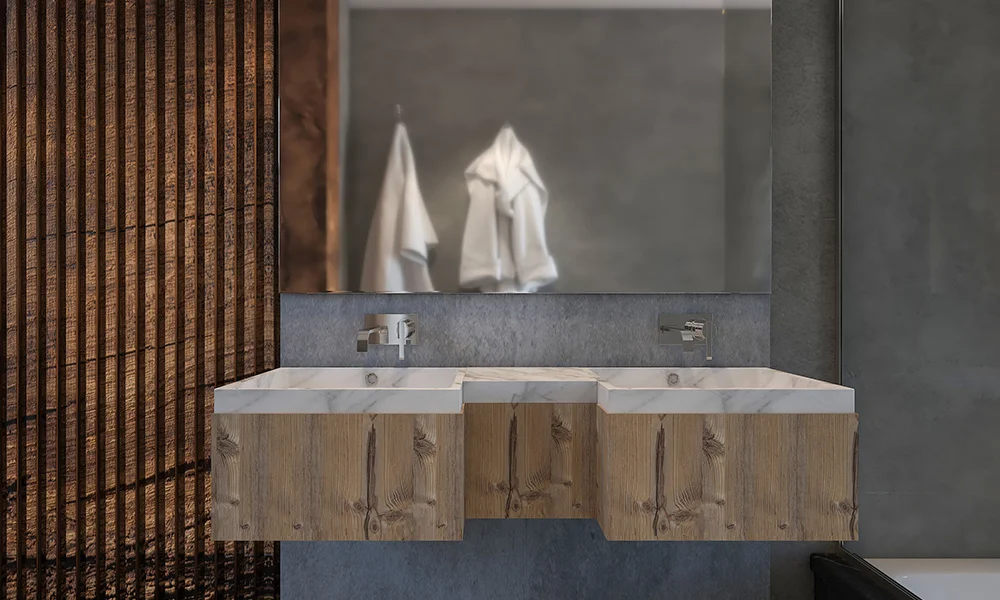
By improving the style of your bathroom, the materials you choose for your vanity may greatly affect everything. vanity units for bathroom express your style and set the tone for the whole area, therefore exceeding simple utility. Whether your style is contemporary minimalism or classic refinement, the correct material will help you strike a mix between looks and utility. If you want to create a place that is both beautiful and designed to endure, one of the exciting steps in the process is choosing the appropriate material for your bathroom vanity. There are many possibilities available to choose from.

Natural Stone: elegant and timeless

Popular for vanity tops, natural stone materials like granite and marble provide unparalleled elegance and beauty. These stones with their distinctive veining and rich textures give your bathroom richness. Not only are they aesthetically beautiful, but when correctly sealed they are extremely robust and wear-resistant. For those who wish to spend on quality, long-lasting material, real stone is perfect as it needs some upkeep to retain its brilliance.

Wood: Character and Warmth

A great approach to give your bathroom natural appeal and warmth is using wooden vanity units. Common choices include oak, teak, or walnut because, with proper treatment, their strength and moisture resistance are highly sought after. Perfect for countryside interiors, wood gives depth and homeliness. Regular maintenance and sealing help to keep the wood beautiful by preventing warping or loss of appeal over time.

Modern: flexible engineered materials

Designed materials like quartz, laminate, or solid surface composites might be the ideal match if you’re seeking elegant, modern solutions. Celebrated for their durability, simplicity of use, and vast spectrum of colours and patterns are these materials. In addition to having a smooth and polished appearance, they are also resistant to stains and scratches, which makes them an excellent option for homes that are often on the go.

Choosing the correct material for your bathroom vanity unit is crucial in creating a beautiful and useful area. From the warmth of wood to the pragmatism of engineered materials to the grandeur of natural stone, the choices are as different as your design idea. remember that vanity units for bathroom are more than just a utility; they are a statement piece that will transform your bathroom to fresh levels of beauty and usefulness. Selecting materials that fit your taste and requirements can help you design a bathroom that feels as beautiful as it seems.

It’s critical to locate a plumber who is knowledgeable about your particular demands and has the skills to address any potential plumbing problems. You’ll find the ideal plumber for your house with the knowledge and assurance this guide gives you to make an informed choice. Bid adieu to plumbing troubles, and welcome to tranquillity!

Now, let’s start by learning the complete approach to selecting the best plumber in Footscray for your house.

Signs You Need a Plumber

1. Persistent leaks: 

It’s obvious that something is wrong with your plumbing system if you’ve seen persistent leaks. Water damage, the formation of mould, and higher water bills can all be caused by leaks. A plumber can locate the leak’s source and fix it before more harm is done.

2. Low water pressure: 

A blockage or issue with the waterline may cause low water pressure in your showerheads or delta faucet replacement parts. Your water pressure can be returned to normal, and a plumber can identify the problem.

3. Clogged drains: 

A blockage in your plumbing system may cause persistent clogs in your sinks, toilets, or showers. If you try to clear the drains yourself, you might only get short-term relief. A plumber in Hoppers Crossing guarantees appropriate drainage and successfully removes the obstruction with specialised equipment.

4. Odours that don’t seem right: 

If your drains or sewage system smells bad, a problem may need to be professionally fixed. A plumber may examine your plumbing system, locate the cause of the smell, and take the necessary action to get rid of it.

5. Discoloured Water: 

If your water is discoloured or has an odd flavour or smell, there may be an issue with your pipes or water source. A plumber can identify what is causing the discolouration and suggest the best course of action to fix it.

Factors to Consider When Choosing a Plumber 

There are several crucial aspects to consider when selecting a plumber for your house. You may choose the ideal plumber for your particular needs by reducing the number of plumbers you choose by considering these variables. The following are some essential things to remember:

1. Experience and knowledge: 

Ensure the plumber in Footscray you choose has the experience to meet your unique requirements. Select a plumber with great expertise in the specific plumbing services you need. Experienced plumbers are a goldmine of information, having dealt with various plumbing problems. Their expertise makes it possible to effectively resolve various plumbing issues, providing dependable solutions for your needs. By hiring a qualified expert, you increase the possibility that the issue will be resolved quickly and efficiently, giving you peace of mind and extending the life of your plumbing system. Make informed decisions to protect the integrity and operation of your plumbing system.

2. Credentials and certifications: 

Confirming a plumber’s qualifications and license before hiring them is important. Since local governments have different licensing requirements, contacting them will guarantee that the plumber satisfies all requirements. Certifications from professional associations also show a plumber’s dedication to their work and continued learning. These certificates frequently signify a greater proficiency and adherence to best practices within the sector. You may believe the plumber can manage your plumbing problems efficiently and professionally by ensuring they are properly licensed and certified.

3. Reputation and reviews: 

Examine internet evaluations and client testimonials from the plumber you are considering hiring to be sure they are reputable. A respectable plumber will have a history of happy clients and glowing evaluations. Furthermore, ask for recommendations from people in your neighbourhood who have recently used plumbing services, such as neighbours, family members, or acquaintances. These first-hand accounts provide insightful information on the professionalism, dependability, and calibre of the plumber’s work. You may make an informed choice and leave your plumbing requirements to a capable and reliable professional by carefully examining online evaluations and word-of-mouth referrals.

4. Insurance: 

Verify that the plumber in Hoppers Crossing you select is adequately covered by insurance. This shields you from accountability in the event of mishaps or property damage sustained while doing your duties. Ensure the insurance you request covers workers’ compensation and liability insurance.

5. Availability and response time: 

Since plumbing problems can arise anytime, it’s critical to pick a plumber who provides emergency services around the clock. Ask about their normal response time for non-emergency scenarios as well. Reducing damage and inconvenience can be significantly aided by an early intervention.

6. Professionalism and communication: 

A competent plumber should be able to communicate clearly and pay close attention to your needs. They ought to provide a concise and intelligible explanation of the issue and possible fixes. Furthermore, professionalism and timeliness are critical markers of a plumber’s dedication to providing high-quality service.

Conclusion 

Careful investigation is needed to identify the top plumber, considering factors like credentials, expertise, and client feedback. Transparency and communication are essential to a successful collaboration. Put dependability and knowledge first to guarantee that your plumbing needs are handled effectively and professionally.

Selecting the right tiles for your bathroom is not just about aesthetics; it’s about creating a space that reflects your personal style while ensuring functionality and durability. With countless options available, the process can be overwhelming. However, this guide aims to simplify your decision-making process, ensuring your bathroom tiles are both beautiful and practical.

Understanding Tile Materials

The first step in choosing bathroom tiles is understanding the different materials available. Ceramic and porcelain tiles are popular choices due to their durability and water resistance, making them ideal for wet environments. Natural stone tiles, such as marble, granite, and slate, offer a luxurious look but require more maintenance. Glass tiles are another option, adding a reflective quality that can make small bathrooms appear larger.

Considering Tile Size and Shape

Tile size and shape can significantly impact the overall look and feel of your bathroom. Larger tiles can make a small bathroom feel more spacious, while smaller tiles are better suited for areas with more complex cuts or curves, such as shower floors. The shape of your tiles can also add visual interest; hexagons, chevrons, and Moroccan fish scales are popular shapes that add texture and pattern to your space.

Evaluating Color and Pattern

Color and pattern play crucial roles in setting the tone of your bathroom. Light-colored tiles can make a space feel airy and clean, while darker tiles create a cozy, intimate atmosphere. Consider using accent tiles to add pops of color or pattern without overwhelming the space. Additionally, think about the color of the grout, as it can either complement or contrast with your tiles, adding another layer of design.

Slip Resistance and Safety

Safety is paramount in a bathroom, so selecting tiles with slip resistance is essential, especially for shower floors. Look for tiles with a textured surface or those rated for slip resistance to ensure safety for all users. It’s also important to choose tiles that are easy to clean and resistant to mold and mildew, contributing to a healthier bathroom environment.

Considering Your Budget

Your budget will significantly influence your tile choices. Porcelain tiles tend to be more expensive than ceramic, but they’re also more durable and water-resistant. Natural stone tiles are at the higher end of the price spectrum, requiring a larger investment. It’s important to factor in not only the cost of the tiles but also the installation and maintenance over time.

DIY Bathroom Renovation Tips for Tile Selection

For those considering a DIY bathroom renovation, selecting the right tiles can make a significant difference in the project’s success. It’s crucial to measure your space accurately and consider the layout and cutting requirements. Additionally, ensure you have the right tools and materials for tile installation, and don’t hesitate to seek professional advice if needed.

Tiling Best Practices for a Stunning Bathroom

Following tiling best practices is essential for achieving a high-quality finish that lasts. This includes proper substrate preparation, selecting the right adhesive, ensuring waterproofing in wet areas, and meticulous grouting and sealing. Paying attention to these details can prevent future issues and ensure your bathroom tiles look great for years to come.

Maintenance and Longevity

Maintaining your bathroom tiles will extend their lifespan and keep them looking their best. Regular cleaning with non-abrasive products is essential to prevent staining and buildup of soap scum or mildew. For natural stone tiles, periodic sealing is necessary to maintain their resistance to moisture and staining. By following proper maintenance guidelines, your bathroom tiles will continue to add beauty and function to your home.

Incorporating Trends Wisely

While it’s tempting to embrace the latest tile trends, it’s important to consider the longevity of your design choices. Trends can change quickly, and opting for a very trendy tile may mean your bathroom feels outdated in a few years. Instead, consider incorporating trends through easily changeable elements like accent tiles or decor, keeping the more permanent features classic and timeless.

Choosing the right tiles for your bathroom involves considering various factors, including material, size, color, safety, and budget. By understanding your options and following best practices for tile selection and installation, you can create a bathroom that combines style, durability, and functionality. Remember to consider the longevity of your choices.