
Author

Nelson M. Walters

Browsing

Each year, countless households encounter the decision between opting for an artificial Christmas tree or selecting a real one. Given that the tree serves as the focal point of festive decorations, making the correct choice is imperative. If you find yourself pondering this significant decision once more, here are 10 reasons why an artificial tree might be the ideal option for you.

Cost

Artificial Christmas trees offer long-term savings as they can be reused over many years, making the initial investment worthwhile. Depending on the style chosen, artificial trees can cost less than real ones, and even pricier models prove more economical in the long run. Opting for an artificial tree can significantly mitigate the financial strain of the festive season.

Convenience

For those leading busy lives, artificial trees are a practical choice. Once set up and adorned, they require no maintenance or watering, and they do not shed needles onto the floor. You can skip the hassle of vacuuming up needles and avoid finding them in your carpet months later.

Transportation

Artificial Christmas trees are lightweight compared to their size, and larger ones can be disassembled for easy storage. They come boxed, simplifying transportation home. Once home, they can be conveniently stored in the loft, garage, or cupboard for future use. In contrast, real trees are heavy, cumbersome, and may not fit in your vehicle. They can also create a mess during transportation.

Disposal

After Christmas, disposing of a real tree typically involves another trip in your car, adding to the mess. In contrast, artificial trees only need to be stored in your loft. If the festive season leaves you exhausted, artificial trees offer a hassle-free solution.

Longevity

Real trees may deteriorate, particularly if put up early, whereas artificial ones maintain their appearance regardless of when they are set up. Artificial trees remain vibrant and fresh, making them suitable for early decorators.

Allergies

Christmas Tree Syndrome, caused by mould growth on real trees, can trigger allergies and asthma attacks in susceptible individuals. Artificial trees pose no such risks, making them a safer option for households with allergy sufferers.

Appearance

Finding the perfect real tree can be challenging due to variations in shape and size. Artificial trees offer consistency in appearance, with options available in various shapes, sizes, colors, and finishes to suit any space or décor style.

Online Purchasing

Unlike real trees, which require in-person selection and collection, artificial trees can be conveniently ordered online and delivered to your door.

Ease of Decoration

The symmetry of artificial trees simplifies decoration, and some come pre-fitted with lights. Tall, narrow artificial trees are ideal for tight spaces and are easier to decorate while still creating a beautiful display.

Safety

Artificial trees are crafted from flame-retardant materials, reducing the risk of fire hazards compared to drying out real trees. Regardless of the tree type, safety precautions should be taken, such as keeping it away from open flames and switching off lights when unattended.

Discover a fantastic assortment of lifelike artificial Christmas trees available in various shapes and sizes, catering to every household’s needs. Our collection includes frosted designs, unique upside-down trees ideal for maximizing floor space, and stunning Christmas tree archways for creating eye-catching displays. With competitive prices and an extensive selection, there’s no reason to wait—get yours today!

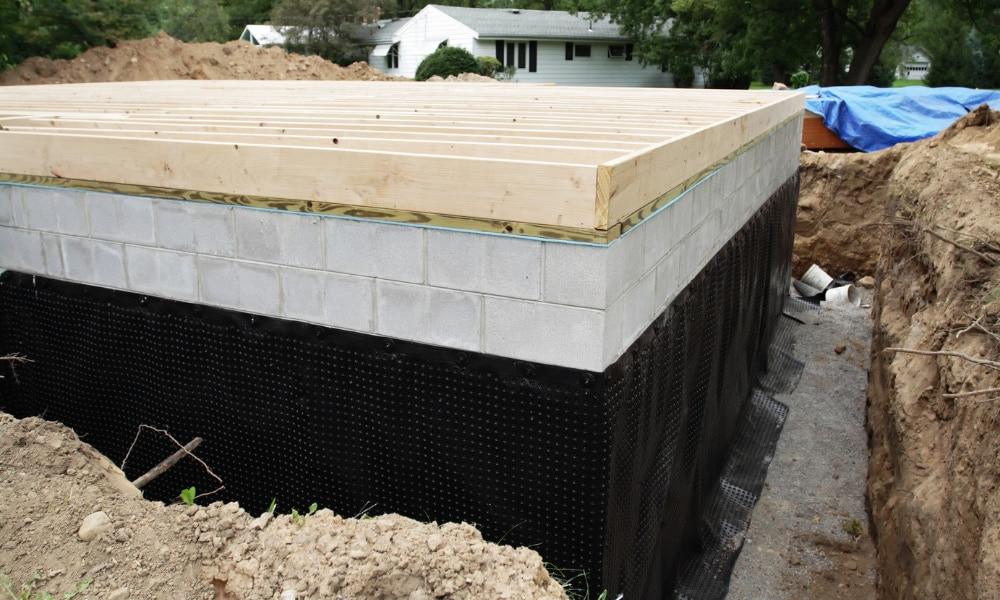
As a homeowner in Toronto, dealing with basement waterproofing is critical, especially given the city’s climate. The cost of basement waterproofing can vary widely, and understanding these costs is crucial for budgeting and planning purposes. This guide aims to demystify the basement waterproofing cost in Toronto, providing homeowners with the knowledge needed to make informed decisions.

  1. Factors Influencing Basement Waterproofing Cost

Several factors can influence the cost of waterproofing your basement in Toronto. The size of your basement is a primary determinant; larger basements require more materials and labour, thus increasing the cost. The condition of your basement also plays a role – if your basement has existing damage or severe water issues, it may require more extensive work. Additionally, the waterproofing method chosen (internal vs. external) can significantly impact the cost. While more effective, exterior waterproofing is typically more expensive due to the extensive labour involved.

  1. Average Costs for Basement Waterproofing

Homeowners in Toronto can expect a range of costs depending on the method and scale of waterproofing. On average, internal waterproofing can cost between $50 to $100 per linear foot, while external waterproofing can range from $100 to $250 per linear foot. It’s important to remember these are average figures; actual costs can vary based on individual circumstances.

  1. Cost-Effective Strategies

To manage basement waterproofing costs effectively, consider several strategies. First, regularly inspect and maintain your basement to prevent significant issues from developing. Minor repairs and preventative measures can be more cost-effective than extensive waterproofing. Additionally, seek multiple quotes from different contractors to ensure competitive pricing. Don’t forget to inquire about warranties and guarantees that can provide long-term value.

  1. The Importance of Professional Assessment

A professional assessment can provide a clearer picture of the necessary work and associated costs. Experienced contractors can offer detailed insights into the specific needs of your basement, ensuring that you pay for only what is essential. This can prevent overspending on unnecessary work.

  1. Long-Term Benefits and Considerations

Investing in basement waterproofing in Toronto is not just a cost; it’s an investment in your property’s health and value. A well-waterproofed basement prevents structural damage, mould growth, and improves the overall living environment. While upfront costs may seem high, the long-term benefits, including a potential increase in property value, often justify the investment.

Conclusion

Understanding basement waterproofing costs in Toronto requires consideration of various factors, including the size of the basement, the chosen method, and the current condition. Homeowners can effectively manage these costs and protect their homes by taking a proactive approach and seeking professional advice. Remember, waterproofing is not just a cost; it’s an investment in your home’s future.

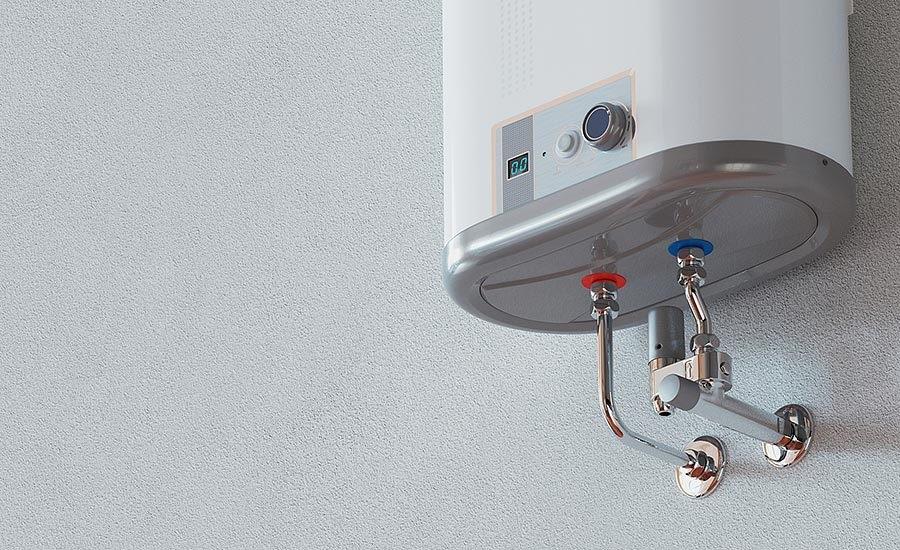
A tankless water heater is more efficient than other traditional water heating methods. It is because they can give hot water on demand without wasting your energy on heating water that is not being used. Tanks store heated water and heat the tank even if you are not using it. It will waste energy because the heater must reheat the whole tank when you need to use hot water.

Efficient

A tankless water heater will work less efficiently than other heaters like resistors or convection coils. But it must be further from the truth that tankless heater units give the proper heating performance that is the same as traditional ones. The benefit of these units is that they are made to provide hot water when you like it without wasting energy. A conventional gas tank unit will have some loss because heat is not being used and reheated every day.

Less hassle installation

You do not need gas lines or hot water plumbing systems installed in your home. You can get a tankless water heater installation when buying it for the first time. They will be the ones to mount on the wall next to an electrical outlet. It will be less hassle because they know where to install it in your house.

Durability

The working life of an electric unit can reach 20-25 years, meaning the investment must last for some time. It keeps your energy bill low and ensures that you will only change them once you are ready to manage the installation fee. Most homeowners know how to work and maintain these water heaters when they have problems. Some companies offer discounts when you need another reason to consider getting a tankless system in your home.

Low temperatures

When you notice that your shower is warm compared to it used to be, it might be because the hot water tank system is starting to lose to keep the heated water. It will cause your showers to make you feel calmer, so you can use more hot water for each one. Tankless systems avoid this problem by giving you access to hot water anytime. It will lessen the energy used to reheat cold or lukewarm water wasted in standard storage tanks.

Saves space

Tankless heaters give other unique advantages over traditional tank units not used in the U.S. market. Besides installing bulky storage tanks, you can put the tankless gas models anywhere when there is electricity. It helps lessen the need to look for space in your yard or house. You can install them inside your house without thinking about any heat levels. It is how easy they are to transfer when you need some space in the future.

Less maintenance

Maintenance is not done until after ten years of service. You don’t have to check the anode road like you are doing before with a tank heater. Ensure your filter is clean and there is no sediment build-up in your incoming water supply, and you must be well for years. Think about using a tankless unit with a tanked water heater and using electricity to heat it.

A tankless water heater is the best way to give hot water for different uses without needing storage. You can install it in spaces with limited space; it doesn’t need to be maintained like HVAC systems. The tankless technology works by heating the water as required, and the unit is less expensive than traditional heaters.

Air duct cleaning is a crucial aspect of maintaining indoor air quality and ensuring the well-being of occupants. In the context of apartments, the responsibility of cleaning air ducts lies with the landlords and property management companies.

However, it is important for tenants to be aware of their options and rights when it comes to the cleanliness of their living space. This article explores whether apartments are required to clean air ducts, addressing the health risks associated with dirty air ducts and the obligations of landlords.

Importance of Air Duct Cleaning

The regular cleaning of air ducts is of paramount importance for maintaining a healthy and efficient living environment in apartments. Air ducts are responsible for circulating air throughout the apartment, and over time, they can accumulate dust, dirt, allergens, and other contaminants. These contaminants can negatively impact indoor air quality, leading to respiratory issues and allergies.

Professional cleaning is recommended to ensure thorough removal of these contaminants and prevent their re-circulation. While the cost of professional cleaning may vary depending on factors such as the size of the apartment and the complexity of the duct system, it is a worthwhile investment for the health and well-being of residents.

Additionally, there are DIY air duct cleaning methods available. However, it is important to note that these methods may not be as effective as professional cleaning and could potentially cause damage to the ducts if not performed correctly.

Health Risks of Dirty Air Ducts

Dirty air ducts pose significant health risks to apartment residents. Regular air duct cleaning is essential to maintain a healthy living environment.

Here are four health risks associated with dirty air ducts:

1. Allergens: Dust mites, pollen, pet dander, and mold spores can accumulate in air ducts, triggering allergies and asthma symptoms.
2. Bacteria and viruses: Uncleaned air ducts can harbor harmful microorganisms, leading to respiratory infections and illnesses.
3. Indoor air quality: Contaminants in air ducts can circulate throughout the apartment, causing poor indoor air quality and respiratory issues.
4. Odors: Dirty air ducts can emit unpleasant odors, making the living space uncomfortable and potentially affecting mental well-being.

Regular air duct cleaning eliminates these risks by removing common contaminants such as dust, dirt, allergens, and microbial growth. It ensures clean and fresh indoor air, promoting a healthier and more comfortable living environment for apartment residents.

Responsibility of Landlords and Property Management Companies

Landlords and property management companies have a responsibility to ensure the cleanliness of air ducts in apartments. As part of their obligations, landlords are required to maintain a safe and habitable living environment for their tenants. This includes ensuring that the air ducts are regularly cleaned and free from any debris or contaminants.

Property management responsibilities also encompass the maintenance and upkeep of the property’s HVAC system, which includes the air ducts. Regular cleaning of the air ducts not only promotes better indoor air quality but also helps to prevent potential health risks associated with dirty air ducts, such as the circulation of allergens, mold, and bacteria.

Tenant’s Options for Air Duct Cleaning

Tenants have several options for air duct cleaning to ensure the cleanliness and proper maintenance of their apartment’s HVAC system. Here are four options that tenants can consider:

1. DIY cleaning: Tenants have the right to clean their air ducts themselves using various methods such as vacuuming, brushing, or using specialized cleaning tools. This option allows tenants to take control of their indoor air quality and save money.
2. Hire a professional: Tenants can exercise their rights by hiring a professional air duct cleaning service. Professionals have the expertise and equipment to thoroughly clean the air ducts and ensure optimal airflow and air quality.
3. Request cleaning from the landlord: Tenants can communicate with their landlord or property management company and request air duct cleaning as part of their maintenance agreement. This option ensures that the responsibility falls on the landlord to provide a clean living environment.
4. Collaborate with other tenants: Tenants can join forces with other residents in the building and collectively request air duct cleaning from the landlord. This approach creates a sense of community and unity in addressing common concerns regarding indoor air quality.

Conclusion

In conclusion, it is crucial for apartments to regularly clean their air ducts to maintain indoor air quality and prevent health risks associated with dirty air ducts. Landlords and property management companies have a responsibility to ensure this maintenance is carried out.

Tenants also have the option to request air duct cleaning if they suspect their ducts are dirty. Regular cleaning of air ducts is essential for a healthy and comfortable living environment.

Clean Air Hacks has lots more info just like this!