
Author

Nelson M. Walters

Browsing

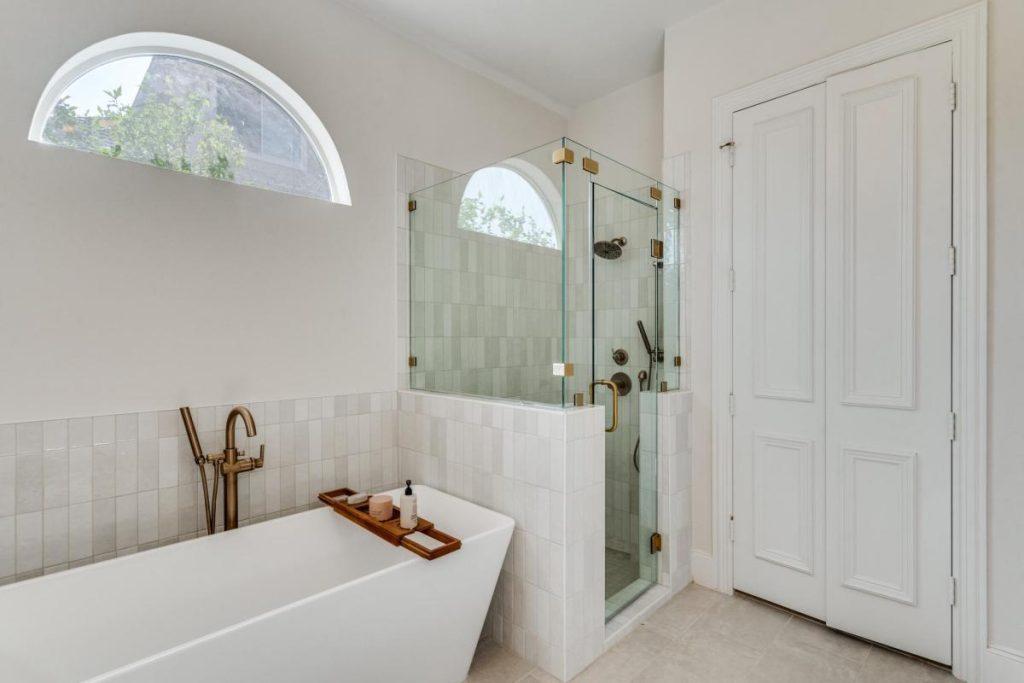
Bathtubs are essential fixtures in any home, providing relaxation and functionality. However, over time, they can become worn, stained, or outdated. Instead of replacing your bathtub, refinishing it can be a cost-effective and efficient way to rejuvenate your bathroom’s aesthetic. In this article, we’ll explore some valuable tips for effectively refinishing your bathtub, ensuring a professional-looking result that restores your bathroom’s elegance.

Preparing Your Bathtub:

Before starting the refinishing process, it’s crucial to thoroughly clean and prepare the surface of your bathtub. Remove any existing caulking, grime, or residue using a mild cleaner and a non-abrasive sponge. Ensure that the surface is completely dry before proceeding to the next step.

Repairing Damages:

Inspect your bathtub for any chips, cracks, or scratches that need to be repaired before refinishing. Use a bathtub repair kit to fill in these imperfections, following the manufacturer’s instructions carefully. Allow sufficient time for the repairs to cure before proceeding with the refinishing process.

Choosing the Right Refinishing Kit:

Selecting the appropriate refinishing kit is essential for achieving a durable and long-lasting finish. Look for high-quality bathtub refinishing kits that are specifically designed for your bathtub’s material, whether it’s porcelain, fiberglass, or acrylic. Consider factors such as ease of application, curing time, and resistance to chemicals and abrasions.

Proper Ventilation and Safety Precautions:

Bathtub refinishing involves the use of chemicals and fumes that can be harmful if inhaled. Ensure proper ventilation in your bathroom by opening windows and using exhaust fans. Additionally, wear protective gear such as gloves, goggles, and a respirator to minimize exposure to hazardous substances.

Applying the Refinishing Coating:

Follow the instructions provided with your refinishing kit carefully when applying the coating to your bathtub. Use even strokes to ensure a smooth and uniform finish, and avoid over-application to prevent drips and runs. Allow the coating to dry completely between coats, and apply multiple layers as recommended for optimal durability.

Curing and Maintenance:

After refinishing your bathtub, allow sufficient time for the coating to cure fully before using the tub. This typically involves waiting at least 24-48 hours before exposing the surface to water. Once cured, maintain your refinished bathtub by cleaning it regularly with mild, non-abrasive cleaners to preserve its appearance and longevity.

Avoiding Common Mistakes:

To ensure a successful bathtub refinishing project, avoid common mistakes such as rushing the preparation process, applying too thick or too thin coats of refinishing material, or neglecting proper ventilation and safety precautions. Taking your time and following instructions meticulously will yield the best results.

Conclusion:

Refinishing your bathtub is a practical solution for restoring its beauty and functionality without the expense and hassle of replacement. By following these tips and guidelines, you can achieve professional-quality results that enhance the overall aesthetic of your bathroom. Remember to prioritize proper preparation, safety precautions, and maintenance to enjoy a beautifully refinished bathtub for years to come.

Incorporating these tips into your bathtub refinishing project will help you achieve outstanding results, transforming your bathroom into a more elegant and inviting space. With the right techniques and materials, you can breathe new life into your bathtub and elevate the aesthetic appeal of your entire bathroom.

A major investment that may improve your home’s overall value, energy efficiency, and attractiveness is window replacement. However, the procedure may be intricate, and errors can happen, which can result in higher expenses, inefficiencies, and future issues. Avoiding common mistakes is crucial to ensuring a successful and seamless window replacement job. The following 15 errors should be avoided while replacing windows:

1. Disregarding Expert Advice

Not seeking expert assistance while trying a window replacement is one of the biggest mistakes made by homeowners. It may appear feasible for individuals undertaking DIY projects; however, improper installation could potentially lead to air escapes, reduced energy efficiency, and structural harm. Appropriate material selection, precise installation, and correct measurement are guaranteed when seasoned specialists are consulted or hired.

2. Ignoring Energy Efficiency

It is a major error to overlook energy-efficient choices. Purchasing energy-efficient windows improves comfort and lowers utility costs. To maximise energy efficiency, consider buying windows with ENERGY STAR® ratings or features like numerous panes, low-emissivity (low-E) glass, and enough insulation.

3. Wrong Measurements

Accurate window measurement is essential. Small mistakes might result in replacements that fit poorly, which can lead to drafts, water leaks, and functional problems. To prevent making this error, it is essential to use experts or adhere to manufacturer specifications for accurate measurements.

4. Disregarding Local Construction Regulations

There can be particular construction codes or rules in place for each community that relate to replacing windows. Disregarding these standards may result in penalties or necessitate a reinstallation. Ensuring compliance with these requirements may be accomplished by contacting experts or local authorities.

5. Selecting the Wrong Type of Window

It may be expensive to choose the incorrect kind of window for the climate or construction of your house. When selecting a choice, take into account variables, including the local climate, your own style preferences, and the upkeep needs. Common varieties include casement, bay, double-hung, and sliding windows; each has unique benefits in terms of both appearance and practicality.

6. Cutting Quality Short

Selecting less costly, subpar windows may seem economical at first, but it often leads to higher expenses later on. High-quality windows are more durable, provide better insulation, need less upkeep, and ultimately prove to be a more affordable choice.

7. Neglecting Appropriate Installation

If improperly implemented, even the most superior versions of Windows will not operate at their maximum capacity. In addition to adequate insulation and sealing, it is critical to guarantee proper installation to prevent air or water leakage. It is critical to employ a professional or implement in accordance with the manufacturer’s instructions.

8. Do It Yourself Without Enough Experience

If you try to replace windows without the right knowledge, you risk inadequate sealing, incorrect installation, and even structural damage. It is best to assign the task to seasoned experts.

9. Forgetting Insurance and Permits

Neglecting to get the requisite permissions or insurance for the window replacement project may result in legal troubles and difficulties in the course of inspections or subsequent real estate transfers. It is vital to verify the prerequisites for permits and get suitable insurance coverage in advance.

10. Hastily Coming to a Decision

Selecting new windows is a big choice that needs to be thought through carefully. Making a hasty decision without thoroughly examining other styles, materials, and producers may result in unhappiness with the selection. When making a choice, take your time, look into several possibilities, speak with professionals, and take into account aspects like climate, upkeep demands, and your own preferences.

11. Ignoring the Long-Term Advantages

Window replacement requires a financial outlay. Ignoring long-term advantages like energy savings, enhanced house value, and durability in favour of simple current expenditures might result in lost possibilities for better total value.

12. Inadequate Insulation and Sealing

Maintaining a suitable interior climate and minimising air and moisture ingress need proper sealing and insulation. Drafts, moisture, and even the growth of mould may be caused by inadequate sealing. Ascertain that your new windows are properly sealed and insulated to maximise their performance and longevity.

13. Overlooking the Style and Design of the Windows

Beyond only being practical, windows have a big aesthetic impact on how a house looks overall. If the size, design, and architectural style of the new windows aren’t taken into account, the house’s kerb appeal and worth may suffer as a consequence of an interior or external mismatch. Spend some time choosing windows that go well with the current features in your house’s design.

14. Ignoring Functionality and Ventilation

Windows are sources of ventilation in addition to being decorative and insulating components. The functioning and positioning of windows for optimal circulation might be overlooked, which can lead to inadequate ventilation and worse indoor air quality. Make sure the new window location takes into account the functional requirements of each area and permits sufficient ventilation.

15. Overlooking the Need for Maintenance

The amount of upkeep required for various window materials varies. Ignoring these needs may result in more maintenance or early degradation. For example, wooden windows may need more upkeep than their vinyl or aluminium counterparts. Before choosing, take into account the maintenance requirements for various window materials over the long run.

Final Thoughts

Window replacement is a big investment in the comfort, value, and efficiency of your house. Avoiding these typical errors guarantees better results and a more seamless procedure. For a successful window replacement project, give top priority to precise measurements, quality, energy efficiency, appropriate installation, adherence to laws, maintenance, design considerations, and well-informed decision-making.

Remember that thorough preparation and attention to detail may make a significant difference in the performance and lifetime of your new windows, boosting the value of your house in more ways than one.

Meta Description: Discover the common mistakes to avoid during window replacement. Learn expert tips and insights to ensure a smooth and successful window upgrade without costly errors

Primary keyword: window replacement

A rising star in modern interior design, engineered timber flooring has captured the attention of designers and homeowners alike. It has revolutionised the way we think about homes, which are constantly evolving.

In this article, we’ll explore why engineered timber flooring has gained popularity amongst those desiring a combination of style and usefulness in their living spaces. Let’s explore the numerous advantages of this flooring type. So, let’s discover together why this remarkable flooring option is capturing hearts across design circles worldwide!

Exploring the Different Types of Engineered Timber Flooring Options Available

Many homeowners choose engineered timber flooring for its eco-friendliness, aesthetic charm, and resilience. With various options to choose from, each with distinct characteristics, the popularity of engineered timber flooring continues to grow. Check out some of the top options:

Oak Engineered Timber Flooring

Oak is one of the most widely used species for engineered timber flooring. It’s known for its strength, stability, and attractive grain patterns. A wide range of finishes are available for staining oak to match various interior styles. This engineered timber is both durable and wear-resistant, with easy maintenance options.

Walnut Engineered Timber Flooring

Walnut is a luxurious and richly coloured wood species that is highly prized for its unique grain patterns and dark hues. It provides a warm and elegant look to any space. This offers a distinctive appearance, is durable, and can add a touch of sophistication to a room.

Hickory Engineered Timber Flooring

Hickory is known for its incredible hardness and durability. Providing a charming, rustic aesthetic, this flooring boasts a natural appearance complete with evolving grain patterns and changing shades. Its exceptional durability makes it perfect for high-traffic spaces.

Maple Engineered Timber Flooring

Maple is a light-coloured wood with a fine grain pattern. It lends a bright and clean look to the interiors. It’s popular in contemporary and minimalist designs. Hard and dense, making it resistant to dents and scratches. It also takes stains and finishes well.

Bamboo Engineered Timber Flooring

Bamboo is a sustainable and eco-friendly option. It’s actually a grass that’s engineered into flooring planks. Boasting a unique aesthetic appeal, this eco-friendly material varies in colour from soft to rich hues. Additionally, it withstands time and neglect, needing only minimal maintenance.

Parquetry Flooring

Oak, maple, and walnut are among the many types of wood used in parquetry, a decorative technique that involves arranging small wood pieces in intricate patterns. Parquetry flooring Melbourne provides a unique and visually striking look. It’s a classic choice for adding a touch of elegance to a space.

The Advantages of Engineered Timber Flooring over Solid Wood Floors

Engineered timber flooring offers several advantages over solid wood floors, making it a popular choice for many homeowners. Below are the key benefits of engineered timber flooring:

  • Wood veneers are bonded together under high pressure and heat to form engineered timber flooring, providing superior durability and reducing the chances of warping, cracking, and cupping, which are common issues with solid wood flooring.
  • Engineered timber flooring is exceptionally stable in variable environmental conditions. Unlike solid wood floors, which can expand or contract due to changes in humidity and temperature, engineered wood is less affected by such variations.
  • Cost-Effectiveness. For homeowners who crave the elegance of hardwood floors but are on a budget, engineered timber planks are the way to go. With their resourceful manufacturing process utilising materials wisely, these planks can offer the same luxurious feel as solid wood flooring for a fraction of the cost.

Caring for Your Engineered Timber Flooring: Tips to Maintain its Elegance and Longevity

Engineered timber flooring is a beautiful and durable choice for your home. To ensure it retains its elegance and longevity, proper maintenance is essential. Here are some tips for caring for your engineered timber flooring:

  1. Regular cleaning of the floor is necessary to maintain its cleanliness.
  2. Use a gentle cleaner specifically designed for engineered wood floors.
  3. Wipe up spills promptly to prevent moisture from seeping into the wood and causing damage. Use a soft, dry cloth to absorb the liquid.
  4. Place protective pads under furniture legs to prevent scratches and dents when moving or rearranging furniture.
  5. Place rugs or mats at entryways, high-traffic areas, and in front of sinks to trap dirt and prevent it from being tracked onto the floor. Make sure these rugs have non-slip backings.
  6. Encourage family members and guests to remove high heels or shoes with sharp objects before walking on the floor, as they can cause scratches.
  7. Engineered wood can expand or contract with fluctuations in humidity. Use a humidifier in dry climates and a dehumidifier in humid climates to maintain stable humidity levels.
  8. Use curtains or blinds to block out intense sunlight, or consider using UV-protective window film.

In Summary

For those looking to enhance their dwelling, choosing engineered timber flooring is an excellent decision. Not only does it impart a lasting charm to any area, but it also adds a sense of sophistication and cosiness. Thanks to its amalgamation of genuine wood and modern engineering, engineered timber flooring is sturdy and strong. Furthermore, it encompasses a vast assortment of hues, textures, and polishes that can cater to various artistic preferences.

Investing in engineered timber flooring is an investment in both style and functionality. It adds value to your home while providing a long-lasting solution that will stand the test of time. So why wait? Elevate your home with the timeless beauty and practicality of engineered timber flooring today. Transform your living space into a haven of elegance and comfort that you can enjoy for years to come.

The landscape of commercial real estate in Chicago presents both opportunities and challenges, especially when it comes to managing properties and investing in distressed real estate. Commercial property management companies play a crucial role in this domain, providing expertise and services that are essential for the success of real estate investments. This article discusses the role of these companies in Chicago and offers guidance on identifying and investing in distressed properties, highlighting key strategies for real estate investors. For those considering entering this market, understanding the nuances of working with a commercial property management company chicago and learning how to find distressed property can be invaluable.

Role of Commercial Property Management Companies in Chicago

  1. Expertise in Local Market: These companies bring in-depth knowledge of the Chicago real estate market, crucial for making informed investment decisions.
  2. Operational Efficiency: They handle the day-to-day operations of commercial properties, including maintenance, tenant relations, and lease management.
  3. Strategic Asset Management: Beyond daily operations, they provide strategic insights to enhance property value and ROI.

Investing in Distressed Properties

  1. Identifying Opportunities: Distressed properties can offer significant returns, but identifying the right opportunities requires market knowledge and due diligence.
  2. Assessing Risks and Potential: Evaluating the condition of the property, the cost of renovations, and the potential market value post-renovation is crucial.
  3. Financial Planning: Investors should have a clear financial strategy, considering the costs of purchase, renovation, and long-term management.

Strategies for Successful Investment

  1. Network and Relationships: Building a network of contacts in the real estate industry can lead to early tips on potential distressed property deals.
  2. Collaboration with Experts: Working with professionals, including real estate agents, lawyers, and commercial property management companies, can provide valuable insights and support.
  3. Understanding Legal Implications: It’s important to understand the legal aspects of buying and renovating distressed properties, including any liens, zoning laws, or building codes.

Key Considerations for Distressed Property Investment

  1. Location Analysis: The location of the property plays a significant role in determining its potential value and suitability for investment.
  2. Renovation Scope: Clearly defining the scope of renovation work and having a realistic budget are essential for a successful turnaround.
  3. Exit Strategy: Investors should have a clear exit strategy, whether it’s selling the property post-renovation or holding it for rental income.

In conclusion, navigating the realm of commercial property management and distressed real estate investment in Chicago requires a blend of market knowledge, strategic planning, and professional collaboration. By leveraging the expertise of a commercial property management company and employing effective strategies for finding and investing in distressed properties, investors can unlock significant opportunities in the Chicago real estate market. With the right approach and resources, commercial property investment and redevelopment of distressed properties can be a fruitful venture.