
Author

Garry B. Richardson

Browsing

Lighting is a key element in any home remodel, but it becomes even more critical when it comes to basements. Often dark and enclosed, basements present a unique challenge when it comes to creating a space that feels bright, welcoming, and functional. Whether you’re transforming your basement into a cozy family room, home office, gym, or entertainment space, selecting the right lighting can make all the difference in the final result.

When planning your basement remodel, consider both practical lighting needs and aesthetic preferences to create a space that is both visually appealing and functional. Here are several lighting strategies and tips to help you choose the right lighting for your basement remodel.

1. Understand Your Lighting Needs

The first step in selecting lighting for your basement is to consider how the space will be used. Different activities require different lighting levels. A basement home theater, for example, will need dimmable, ambient lighting that can be adjusted for movie watching. Conversely, a basement home office will benefit from bright, task-oriented lighting for working.

Think about the type of atmosphere you want to create, too. Do you want your basement to feel cozy and intimate, or do you need it to serve as a bright, open space? A combination of lighting styles will likely be needed to address both functional and aesthetic goals.

2. Use Layered Lighting for Versatility

In a basement remodel, it’s essential to use a layered lighting approach, combining different types of lights to achieve both practical illumination and mood lighting. There are three primary types of lighting to consider:

  • Ambient Lighting: This is the general, all-around light that fills the space. Ceiling-mounted fixtures like recessed lighting, chandeliers, or flush mounts work well for this purpose. In basements, where natural light is often limited, you’ll want to ensure that your ambient lighting is bright enough to make the space feel open and airy.
  • Task Lighting: For areas where you’ll be performing specific tasks, such as a home office, workbench, or kitchen area, task lighting is essential. Desk lamps, pendant lights, and under-cabinet lights provide focused, direct illumination where you need it most. This type of lighting is typically brighter and more concentrated than ambient lighting.
  • Accent Lighting: Accent lighting adds depth and drama to a room. It can be used to highlight architectural features, artwork, or furniture. Wall sconces, track lighting, and floor lamps are great options for creating soft, indirect lighting that adds to the room’s atmosphere.

By layering these types of lighting, you can ensure that your basement is both well-lit and functional while also enhancing the overall mood.

3. Consider Energy Efficiency

Basements, especially those in coastal homes, can be prone to humidity, which may increase energy consumption due to the need for heating or air conditioning. Choosing energy-efficient lighting options is an easy way to reduce electricity bills and promote sustainability.

  • LED Lighting: LED lights are ideal for basements because they are energy-efficient, long-lasting, and available in a range of styles. Unlike traditional incandescent bulbs, LEDs produce less heat, making them perfect for areas with high humidity. They are also dimmable, which is a significant advantage when you want to control the lighting atmosphere.
  • Smart Lighting: Smart light bulbs offer additional flexibility. With the right setup, you can control the brightness and even change the color temperature of your lighting via smartphone apps or voice assistants. This is particularly useful if you need to adjust the lighting levels throughout the day or depending on the activity.

4. Optimize Natural Light

While basements often don’t have the same amount of natural light as upper floors, it’s still important to maximize any natural light sources you may have. Consider the orientation of your windows, the presence of egress windows, and how you can position your lighting to complement daylight.

  • Window Wells and Skylights: If your basement has small windows or window wells, consider expanding them or installing larger windows. Skylights can also bring in natural light if your basement has a roofline that allows for it. These windows can help improve the atmosphere of the space and reduce the reliance on artificial lighting.
  • Light-Reflecting Surfaces: In addition to maximizing natural light, using light-colored walls and reflective surfaces like mirrors can help bounce natural light throughout the space, making your basement feel brighter and more open.

5. Consider Lighting Placement and Layout

Proper placement of your lighting fixtures is just as important as selecting the right bulbs. The goal is to provide even coverage throughout the basement, avoiding areas that feel too dark or too harshly lit.

  • Recessed Lighting: Recessed or “can” lights installed in the ceiling are a popular choice for basement lighting because they don’t take up visual space and provide consistent, even lighting. They are particularly effective when strategically placed across the ceiling to create uniform illumination.
  • Track Lighting: Track lighting can be a flexible solution, especially for areas where you want to highlight specific parts of the room, like a reading nook or artwork. The direction of the lighting can be adjusted, allowing for customization based on the needs of the space.
  • Wall Sconces: Wall-mounted sconces are perfect for adding accent lighting along the perimeter of your basement. They provide an ambient glow without taking up space on the floor, and some models are adjustable, so you can control the direction of the light.

6. Work with a Professional Basement Remodeler

Lighting a basement is not only about choosing the right fixtures but also about making sure everything is installed correctly. For complex projects, such as rewiring or adding additional outlets, working with a professional basement remodel contractor is essential. An experienced professional will help ensure that the lighting is integrated seamlessly into the space and adheres to all safety codes and regulations.

A professional can also help with the overall design, taking into consideration factors like ceiling height, existing electrical systems, and the layout of the space. They can advise on the best lighting solutions that will enhance the functionality and style of your basement while working within your budget.

7. Don’t Forget the Dimmers

Dimmer switches are a simple and effective way to control the ambiance in your basement. They allow you to adjust the brightness based on the time of day or the activity at hand. Whether you’re hosting a movie night, reading a book, or working from home, dimmers can provide the right level of lighting for any situation.

A Successful Basement Remodel

Choosing the right lighting for your basement remodel is an essential part of creating a space that is both functional and inviting. With a thoughtful approach to ambient, task, and accent lighting, as well as careful consideration of energy efficiency and natural light, you can transform your basement into a bright, comfortable area that suits your needs. For optimal results, consider working with a professional basement remodel contractor who can help you design and implement the perfect lighting plan for your space. By taking these steps, you’ll ensure that your basement is not only well-lit but also a truly enjoyable place to spend time.


As our loved ones age, their mobility can become a significant concern, particularly when it comes to navigating stairs in a multi-story home. A stair lift is an excellent solution to this problem, providing elderly family members with a safe and convenient way to move between floors without the risk of falls or injury. Installing a stair lift in your home can help ensure your elderly relatives maintain their independence and continue living in their own home with dignity.

In this blog, we will walk you through the process of installing a stair lift in your home, highlighting key considerations, installation steps, and tips for making the entire process smooth and effective.

1. Assessing the Need for a Stair Lift

Before jumping into the installation process, it’s important to assess whether a stair lift is the right solution for your home. Here are some factors to consider:

Space and Staircase Layout

Stair lifts are designed for both straight and curved staircases. The type of stairs you have will impact the design and complexity of the installation. Straight staircases are simpler and more affordable to install a home lift on, while curved stairs may require custom solutions, which are generally more expensive.

Safety Concerns

If your elderly family members have difficulty climbing stairs, a stair lift can greatly reduce the risk of accidents. Look for a lift with safety features such as seat belts, swivel seats, and obstacle sensors.

Budget Considerations

The cost of installing a stair lift can vary greatly depending on factors like the type of lift, the complexity of the installation, and any customization needed. Straight stair lifts typically cost between RM 7,000 to RM 15,000, while curved stair lifts may range from RM 20,000 to RM 40,000.

2. Choosing the Right Stair Lift

Once you’ve decided that a stair lift is necessary, the next step is to choose the right one. There are several options available, and it’s essential to select the lift that fits your needs and budget.

Types of Stair Lifts

  • Straight Stair Lifts: These are designed for stairs without curves or landings. They are the most common type and are relatively straightforward to install.
  • Curved Stair Lifts: For staircases that have turns, landings, or multiple levels, curved stair lifts are required. These lifts are custom-made to fit the exact dimensions of the staircase.

Power Source

  • Battery-Powered: Most modern stair lifts are battery-operated, offering the advantage of functioning during power outages. They’re often the preferred option for residential installations.
  • AC-Powered: Some stair lifts are powered by a direct electrical connection. They tend to be cheaper but will stop working in the event of a power outage.

Comfort and Safety Features

Look for features that enhance comfort and safety, such as:

  • Swivel seats: Allowing the user to safely get on and off the lift.
  • Foldable arms and footrests: To make the lift more compact and save space when not in use.
  • Remote controls: For operating the lift from the top or bottom of the stairs.
  • Safety sensors: That detect obstacles and stop the lift automatically if something is in its path.

3. Preparing for Installation

Once you’ve chosen the right stair lift, you’ll need to prepare your home and staircase for installation. Here are a few essential steps:

1. Measure the Staircase

Accurate measurements are critical for ensuring a proper fit. Most reputable stair lift companies will offer a free assessment to take precise measurements of your staircase. You’ll need to measure:

  • The total length of the staircase (from the floor at the base to the top).
  • The width of the stairs.
  • The height of each step.

For curved staircases, the company may also need to take measurements of the turns and landings.

2. Assess Electrical Requirements

For battery-operated lifts, you’ll need to ensure that there’s a charging point at the top or bottom of the staircase where the lift can recharge. AC-powered lifts, on the other hand, require a direct electrical connection, which may require the installation of an additional power outlet near the stairs.

3. Clear the Area

Before installation, clear any furniture or obstacles near the staircase. This will provide the installation team with enough space to work and prevent any damage to surrounding objects.

4. Hiring a Professional Installer

While it may be tempting to try installing the stair lift yourself, this is a complex and technical job that requires expertise. Stair lift installations typically involve:

  • Mounting the rail system securely to the staircase.
  • Wiring the lift (if necessary).
  • Ensuring the lift runs smoothly and safely along the track.
  • Testing all safety features, such as the seat belt, sensors, and emergency stop function.

It’s best to hire a professional installer who is familiar with stair lift systems and safety standards. Most companies that sell stair lifts also offer professional installation services, and this is often included in the price of the lift.

5. Installation Process

The installation process typically takes 4 to 8 hours for a straight stair lift and 1 to 2 days for a curved stair lift. Here’s a general overview of what to expect during the installation:

1. Initial Assessment

A technician will visit your home to assess the layout of your stairs, confirm measurements, and ensure that the lift you’ve chosen is the right fit. They will also evaluate the structural integrity of your stairs to ensure they can support the lift.

2. Rail Installation

For a straight stair lift, the installer will secure the track to the staircase. The rail will be fixed to the steps using bolts, ensuring it is sturdy and safe. For curved stairs, a custom rail will be fabricated to match the exact curves of the staircase, which can take longer.

3. Lift Installation

Once the rail is in place, the lift chair itself is mounted onto the track. The chair will be adjusted for comfort and to ensure it works smoothly along the rail.

4. Electrical and Safety Checks

The installer will connect the lift to the power source (either battery or AC). If the lift is battery-powered, they will set up the charging point. The technician will then test all the safety features and make sure the lift operates without issues.

5. User Training

Once the installation is complete, the technician will demonstrate how to use the stair lift, including how to get on and off safely, how to fold the seat and footrest, and how to troubleshoot any minor issues. This is also a good time to ask questions about maintenance, warranty, and care.

6. Maintaining Your Stair Lift

After installation, it’s important to keep your stair lift in good working condition to ensure long-term safety and reliability. Regular maintenance should include:

  • Cleaning the rails: Keep the track free from dust and debris.
  • Checking for wear and tear: Look for any loose bolts or damaged components.
  • Battery checks: If your lift is battery-powered, check the battery’s performance regularly and replace it as needed.
  • Annual service: It’s a good idea to schedule an annual maintenance visit from the installer to ensure everything is functioning properly.

7. Cost Considerations

The cost of installing a stair lift varies based on the type of lift, the complexity of installation, and any additional features. In Malaysia, the price for a straight stair lift typically ranges from RM 7,000 to RM 15,000, while a curved stair lift can cost anywhere from RM 73,000 to RM 140,000 or more. Additional costs may arise for features like remote controls, foldable seats, or custom finishes.

Conclusion

Installing a stairlifts in your home is a great way to enhance the mobility of elderly family members and ensure their safety. The process involves choosing the right lift, preparing your home, hiring a professional installer, and maintaining the lift for long-term use. By understanding the steps involved and considering the cost and customization options, you can make an informed decision that will improve the quality of life for your elderly relatives and help them continue to live independently and safely in their own home.


Using smart technology into our daily lives has fundamentally changed our interaction with our homes and stretched the boundaries of convenience, efficiency, and personalization. Regarding smart home advancements, especially in contemporary bathroom design, a smart toilet is rather outstanding as a great illustration of how technology has transformed our personal environments. Renowned in the bathroom fixtures market, Swan Toilets has constantly led the way in this amazing change by deftly combining technology with design to improve the user interface.

See the Development of Modern Bathroom Designs

Beyond its utilitarian value, the contemporary bathroom has become a haven of luxury and self-care. Leading the way in this development is Swan Toilets, which designs not only aesthetically pleasing toilets but also with a range of functions to guarantee optimal comfort and hygiene by using cutting-edge technology. Swan Toilets has transformed the idea of a modern bathroom with a spectrum of creative elements including heated seats, automatic lids, self-cleaning powers, and built-in bidets.

Enhancing User Experience with Intelligent Toilets

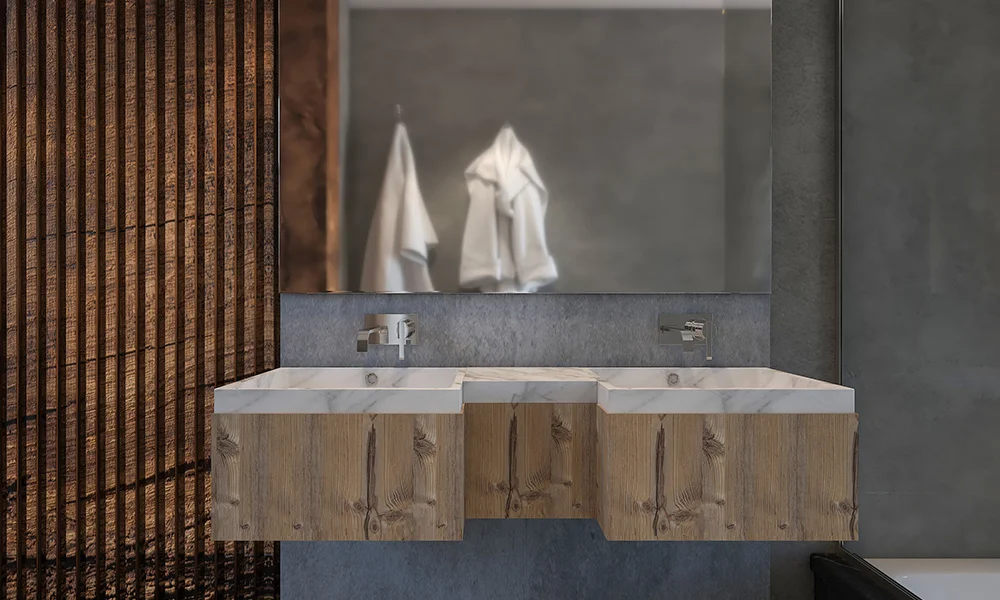
Bathroom Design

Swan Toilets is committed to enhance the user experience since it is a basic principle of our approach. Their clever toilets provide an inclusive and simple experience for everybody by emphasizing user needs. These toilets above and above to deliver a high degree of hygiene with touch-free flushing, customizable water temperature, and tailored cleansing capabilities. They are meant to be reachable to everyone, including the elderly and those with impairments.

Offering Environmentally Friendly Solutions for Contemporary Living

Swan Toilets reflects its environmental dedication by including eco-friendly technologies into its products, therefore embracing the growing demand for sustainability. Swan Toilets are made to help environmental responsibility by including low-flow systems and dual-flush technology, therefore saving water. Furthermore less dependency on strong cleaning chemicals is resulting from the self-cleaning technology. For a contemporary and environmentally responsible choice, go for Swan Toilets.

Modern Bathroom Design: Revolutionizing Approach

Looking ahead, a smart toilet has almost infinite opportunities for ongoing innovation. Swan Toilets is committed to remain leading innovator in bathroom design. By means of continuous research and development, we always investigate fresh approaches to include technology into our goods. Our customers should be able to have a flawless, quick, and comfortable toilet experience. Smart toilets have amazing opportunities in the always changing field of technology. IoT (Internet of Things) and artificial intelligence will enable these toilets to become incredibly responsive and shockingly simple. Offering a very customized and outstanding experience, they will fit our tastes and actions.

Contact Swan Toilets Right Now!

Smart toilets have clearly shaped modern bathroom design and user experience. They mark a clear shift in our view and behavior toward our personal environments. Swan Toilets has showed a great awareness of consumer shifting needs by offering creative solutions giving comfort, hygiene, and sustainability first priority. The fast development of technology is transforming our bathrooms into smart areas beyond simple utility. Leading the way in transforming bathroom design, Swan Toilets promises a smart and highly hopeful future.

Particularly in the colder months, boilers are very essential for maintaining the warmth and comfort of our houses. Many individuals, meantime, sometimes undervalue the need for consistent boiler maintenance. Boilers need regular maintenance to run effectively and safely, just like any other equipment. Here is where Boiler Service Hammersmith is useful as it provides the necessary services to guarantee the flawless running of your heating system. Regular boiler maintenance requires time and money investment, but homeowners may save money, avoid malfunctions, and improve the general safety of their heating systems by doing it.

Why Consistent Maintenance Is Important?

Several causes depend on regular boiler maintenance. It increases boiler efficiency first of all. A boiler kept in good condition uses less fuel, which might result in smaller energy costs. A filthy boiler or one with damaged components must work more to heat your house, therefore wasting energy. Regular check-ups let homeowners make sure their boilers are clean and running at maximum efficiency.

Second, regular maintenance helps greatly lower the likelihood of problems. Uncomfortable and expensive, a broken boiler may leave you without heat when most needed. Frequent inspections let professionals identify any problems early on, therefore averting more major problems downstream. By being proactive, homeowners may avoid costly emergency repairs and guarantee that their houses remain warm throughout winter.

Frequent Boiler Maintenance

Another very important component of regular boiler maintenance is safety. Serious hazards from defective boilers might include carbon monoxide poisoning or gas leakage. Annual inspections assist find any problems before they start to endanger your family. A qualified technician will test the pressure, look for leaks, and make sure safety devices are operating as they should be. This makes life safer as well as provides homeowners with peace of mind.

Apart from personal advantages, regular boiler maintenance helps the surroundings. Effective boilers lower emissions, therefore lowering your carbon impact. Maintaining the best condition for your boiler helps to create a better, more green earth. This is a basic yet efficient approach for you to help to preserve the surroundings.

To sum up, the value of consistent boiler maintenance cannot be emphasized too often. Over time, it not only increases safety and efficiency but also helps to save money. Before calling for assistance, homeowners shouldn’t wait for their boilers to display symptoms of malfunction. Reliable heating systems instead depend on careful maintenance. Selecting Boiler Service Hammersmith guarantees that your boiler is in professional hands, prepared to provide your house comfort and safety. Regular maintenance is a wise investment that pays off in many different ways and keeps your house comfortable and free of worries.