Author

James Williams

Browsing

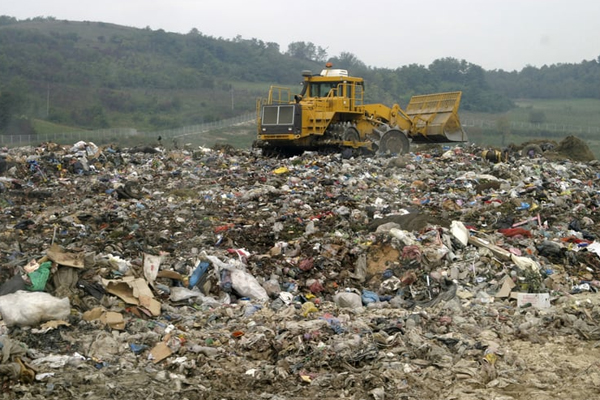
When it comes to managing waste in a commercial setting, the choices can be overwhelming. Every business generates waste, and managing it efficiently is crucial. Whether you own a restaurant, retail store, or office building, selecting the right waste management solutions can make a big difference. One of the most effective ways to handle commercial waste is through commercial dumpster services.

Understanding Your Waste Needs

Before diving into dumpster options, assess the type and amount of waste your business produces. A restaurant, for instance, will have different needs compared to an office. Restaurants often deal with organic waste and food scraps, while offices may generate more paper and cardboard waste. Understanding what you generate is the first step in choosing the right service.

Choosing the Right Dumpster Size

Size matters when it comes to dumpsters. Choosing a dumpster that’s too small means you’ll need frequent pickups, which can be costly. On the other hand, a dumpster that’s too large could lead to wasted space and unnecessary expenses. Consider your business’s waste output and choose a size that matches. For example, a small café might only need a 2-yard dumpster, while a larger retail store might require a 10-yard dumpster.

Types of Commercial Dumpster Services

There are several types of commercial dumpster services available. Front-load dumpsters are common in urban areas and are emptied from the front. They are ideal for businesses that produce a steady amount of waste daily. Rear-load dumpsters, on the other hand, are often used in less densely populated areas and are emptied from the rear. Each type has its benefits, so choose based on your location and waste needs.

Cost Considerations

Cost is a major factor when selecting commercial dumpster services. The price can vary based on dumpster size, pickup frequency, and additional features. It’s essential to compare different services and find one that offers the best value for your needs. Some services might offer discounts for long-term contracts or larger volume commitments. Take the time to review and understand the pricing structure of various providers before making a decision.

Benefits of Scheduled Pickups

Regular, scheduled pickups are crucial for maintaining cleanliness and operational efficiency. With scheduled pickups, you can avoid overflows and maintain a tidy business environment. This is particularly important for restaurants and other businesses that produce waste regularly. Scheduled pickups also ensure compliance with local regulations, which can help avoid fines and other penalties.

Sustainability and Recycling Options

In today’s eco-conscious world, incorporating recycling into your waste management plan is more important than ever. Many commercial dumpster services offer recycling options. This can significantly reduce the amount of waste that ends up in landfills. For instance, a business that handles a lot of paper waste should consider a service that provides separate bins for recycling. This not only helps the environment but can also improve your company’s sustainability profile.

Finding the Right Service Provider

Finding a reliable dumpster service provider involves more than just comparing prices. Look for a company with a good reputation for reliability and customer service. Check reviews and ask other businesses for recommendations. A company that responds promptly and handles issues effectively can make managing your waste much easier.

Choosing the right solutions for commercial waste management requires careful consideration of your business’s specific needs. By understanding your waste output, selecting the appropriate dumpster size and type, scheduling regular pickups, incorporating recycling, and finding a reputable service provider, you can ensure that your waste management system is efficient and effective.

Awnings are a fantastic addition to any home, providing not only practical benefits but also significantly enhancing curb appeal. By choosing the right awnings, you can add style, character, and value to your home. Here’s a guide to help you understand how stylish awnings can transform your home’s exterior and improve functionality.

Understanding the Benefits of Awnings

Awnings offer a multitude of benefits, making them a worthwhile investment for homeowners. Here are some key advantages:

  1. Aesthetic Enhancement: Awnings can add a touch of elegance and sophistication to your home’s exterior. Available in various styles, colors, and materials, they can complement any architectural design and improve the overall look of your property.
  2. Energy Efficiency: By providing shade, awnings reduce the amount of direct sunlight entering your home. This helps to keep indoor temperatures cooler, reducing the need for air conditioning and lowering energy bills.
  3. Protection from the Elements: Awnings protect windows, doors, and outdoor spaces from harsh weather conditions, such as rain, snow, and UV rays. This can extend the lifespan of your home’s exterior and prevent fading or damage to your outdoor furniture.
  4. Extended Living Space: Installing awnings over patios, decks, or balconies can create comfortable, shaded areas for outdoor living and entertainment. This effectively extends your usable living space and allows you to enjoy the outdoors more frequently.

Choosing the Right Awnings for Your Home

Selecting the perfect awnings involves considering various factors, including style, material, and functionality. Here are some tips to guide you through the process:

  1. Determine Your Needs: Consider the primary purpose of the awnings. Are you looking to enhance aesthetics, provide shade, protect from rain, or all of the above? Understanding your needs will help you choose the right type of awning.
  2. Select the Style: Awnings come in various styles, such as retractable, fixed, and freestanding. Retractable awnings offer flexibility as they can be extended or retracted as needed. Fixed awnings provide constant protection and are typically more robust. Freestanding awnings can be placed anywhere and are ideal for creating standalone shaded areas.
  3. Choose the Material: Awnings are available in different materials, including fabric, metal, and polycarbonate. Fabric awnings are versatile and come in a wide range of colors and patterns. Metal awnings are durable and offer a sleek, modern look. Polycarbonate awnings are lightweight, durable, and provide excellent UV protection.
  4. Consider Color and Design: The color and design of your awnings should complement your home’s exterior. Neutral colors like beige, gray, and white are versatile and blend well with most home designs. Bold colors and patterns can add a striking focal point and showcase your personal style.
  5. Think About Additional Features: Modern awnings come with various additional features, such as motorization, remote control, and smart home integration. These features add convenience and allow you to adjust the awnings with ease.

Installing Awnings: Professional vs. DIY

Once you’ve chosen the right awnings, the next step is installation. You can either hire a professional or opt for a DIY approach. Here are the pros and cons of each option:

  1. Professional Installation:
    • Pros: Ensures proper installation, minimizes risk of damage, and often comes with a warranty.
    • Cons: Higher cost compared to DIY installation.
  2. DIY Installation:
    • Pros: Cost-effective and can be a rewarding project for those who enjoy hands-on work.
    • Cons: Requires time, effort, and some level of expertise. Mistakes during installation can lead to improper function or damage.

Maintaining Your Awnings

Proper maintenance is essential to keep your awnings looking great and functioning well. Here are some maintenance tips:

  1. Regular Cleaning: Clean your awnings regularly to prevent dirt, debris, and mildew buildup. Use a mild detergent and water for fabric awnings, and a gentle cleaner for metal and polycarbonate awnings.
  2. Inspect for Damage: Periodically inspect your awnings for any signs of wear and tear, such as rust, fraying, or mold. Address any issues promptly to prevent further damage.
  3. Store Retractable Awnings: If you have retractable awnings, store them properly during harsh weather conditions, such as heavy snow or strong winds, to prolong their lifespan.
  4. Lubricate Moving Parts: For motorized and retractable awnings, ensure that the moving parts are well-lubricated to maintain smooth operation.

Enhancing Curb Appeal with Awnings: Practical Tips

  1. Coordinate with Home Design: Ensure that the style, color, and design of your awnings coordinate with your home’s architectural style and exterior color scheme. This creates a cohesive and polished look.
  2. Focus on Key Areas: Install awnings over key areas, such as entryways, windows, and patios, to maximize their impact. Awnings over entryways can create a welcoming focal point, while window awnings can add symmetry and balance.
  3. Layer with Other Outdoor Elements: Combine awnings with other outdoor elements, such as plants, outdoor rugs, and furniture, to create a well-designed and inviting space.
  4. Lighting Integration: Integrate lighting with your awnings to enhance their functionality and aesthetic appeal. String lights, LED strips, or pendant lights can create a warm and inviting ambiance for evening gatherings.

Conclusion

Awnings are a versatile and stylish addition to any home, offering both aesthetic and functional benefits. By carefully selecting the right awnings and maintaining them properly, you can enhance your home’s curb appeal, improve energy efficiency, and create comfortable outdoor living spaces. Whether you opt for professional installation or a DIY approach, the effort will be well worth it as you enjoy the beauty and functionality that awnings bring to your home.

Glass is a common material in our homes, used for everything from windows to doors to table tops. While it’s durable, glass can get damaged in various ways. It is possible to maintain the safety and appearance of your home by understanding the types of glass damage and how to address them.

Chips

A chip is a small piece of glass that has broken away from the surface. They often occur when something hits the glass with force. For small chips, you can use a glass repair kit. These kits usually contain a resin that fills the chipped area. Here’s a basic process:

  • Clean the area around the chip.
  • Apply the resin according to the kit instructions.
  • Let it cure, often using the provided UV light.
  • Scrape off excess resin with a razor blade.
  • For larger chips or if you’re unsure, it’s best to consult a professional.

Cracks

Cracks are lines that run across the glass. They can be caused by impact, stress, or temperature changes. Cracks can spread over time, weakening the glass. Small cracks (less than 6 inches) can sometimes be repaired at home:

  • Clean the crack and surrounding area.
  • Apply glass repair resin along the crack.
  • Use a tool to push the resin into the crack.
  • Let it cure and remove excess.

Larger cracks often require professional help. In many cases, it’s safer and more cost-effective to replace the glass entirely.

Scratches

Scratches are surface damage to the glass. Abrasive materials, pets, or accidents can cause them. For light scratches:

  • Clean the area thoroughly.
  • Use a glass scratch repair kit or a mixture of cerium oxide and water.
  • Apply the mixture and buff gently with a soft cloth.
  • Repeat if necessary.

Deep scratches may need professional attention. Glass Repair Canberra experts has specialized tools for dealing with tough scratches.

Thermal breaks

Thermal breaks happen when glass expands and contracts due to temperature changes. Thermal breaks usually require glass replacement:

  • Remove the damaged glass carefully.
  • Install new glass designed to handle temperature fluctuations better.
  • Ensure proper installation to prevent future breaks.
  • To prevent thermal breaks, avoid exposing glass to extreme temperature differences.

Regular maintenance to prevent damage

Preventing glass damage is often easier than repairing it. Here are some maintenance tips:

  • Clean glass regularly with appropriate cleaners.
  • Avoid using abrasive materials on glass surfaces.
  • Inspect glass periodically for small damages that could worsen.
  • Preventing further damage requires immediate attention to any issues.

When to call a professional

While some minor glass repairs can be DIY projects, many types of damage require professional attention. Consider calling a professional when:

  • The damage is large or complex.
  • You’re dealing with speciality glass (like tempered or laminated).
  • The glass is in a critical area (like a front door or large window).
  • You’re unsure about the extent of the damage or how to fix it safely.

In order to handle glass repairs safely and effectively, professionals have the right tools, experience, and knowledge.

Conclusion

Maintaining your home’s glass features can be made easier by understanding the different types of damage and how to deal with them. While some minor repairs can be done at home, many types of glass damage require professional attention. Always prioritize safety when dealing with damaged glass, and don’t hesitate to call a professional when in doubt. It is possible to prevent more serious and expensive glass issues in the future through regular maintenance and prompt attention to small issues.

In an era where present day innovation and smooth plans dominate the market, it could come as a shock that cast-iron radiators are encountering a resurgence in popularity. These classic heating gadgets, often remembered as relics of the past, are currently being celebrated for their timeless elegance and various practical advantages, with many homeowners turning to a Cast Iron Radiator Company to bring these stylish and efficient units back into their homes.

Esthetic Appeal

One of the primary reasons for the re-established interest in cast iron radiators is their undeniable esthetic appeal. Dissimilar to the uniform, often unsuitable plans of present-day radiators, cast iron radiators offer a remarkable charm that can enhance the character of any room. Available in a variety of styles, from ornate Victorian plans to smooth, minimalist models, these radiators can act as a statement piece in both traditional and contemporary insides.

Prevalent Heat Maintenance

Past their visual appeal, cast iron radiators are prestigious for their predominant heat maintenance properties. Cast iron is a thick material that heats up leisurely yet retains warmth for a drawn-out period. This means that even after the heating framework is switched off, the radiators keep on transmitting heat, maintaining a comfortable temperature for longer.

Durability and Life span

Durability is another significant advantage of cast iron radiators. These powerful radiators are solid, often outlasting their advanced counterparts by decades. Their durable development can withstand everyday hardship, making them a savvy venture for property holders searching for reliable, long haul heating arrangements.

Eco-Accommodating Choice

In today’s environmentally cognizant world, cast iron radiators offer an eco-accommodating heating choice. Their life span means less replacements and less waste, adding to a decrease in environmental impact. Additionally, their phenomenal heat maintenance can lead to bring down energy utilization, further lessening the carbon impression of a family.

Versatility

Cast Iron Radiator Company are extraordinarily versatile, capable of being integrated into various heating frameworks, including high temp water, steam, and even electric arrangements. This adaptability makes them suitable for various kinds of structures and heating necessities.

The comeback of cast iron radiators is a testament to their timeless elegance, practicality, and sustainability. Their remarkable mix of aesthetic charm, proficient heat maintenance, durability, eco-friendliness, and versatility makes them an attractive choice for anyone hoping to enhance their living or working space. Leading the resurgence of these classic heating solutions is the Cast Iron Radiator Company, which has become synonymous with quality and innovation in the field. As more individuals recognize the advantages of these traditional radiators, it is clear that they are not only a nostalgic choice but also a smart, trendy, and sustainable heating solution for the modern age.