What Is Asbestos and Why Is It Hazardous?
Asbestos is a naturally occurring mineral that was widely used in construction materials for its heat resistance and durability. However, when asbestos-containing materials (ACMs) are disturbed, they can release tiny fibers into the air. These fibers, when inhaled, can cause severe health issues like lung cancer and asbestosis. Friable asbestos, which crumbles easily, poses a higher risk of fiber release compared to non-friable forms. Managing asbestos safely requires awareness and professional handling.
The Role of Indoor Humidity in Asbestos Deterioration
High indoor humidity can speed up the deterioration of ACMs. When moisture seeps into materials like insulation or drywall, it weakens their structure, making them more likely to release asbestos fibers. Prolonged exposure to damp conditions may also lead to hidden damage, which can go unnoticed until the materials are disturbed. Keeping humidity levels in check is essential to minimize these risks.
Key Factors Linking Asbestos and Humidity
Several factors connect asbestos and indoor humidity:
- Material Age: Older ACMs are more prone to breaking down under humid conditions.
- Moisture Sources: Leaks, condensation, and poor ventilation can create an environment conducive to asbestos degradation.
- Temperature Changes: Fluctuations in temperature can cause materials to expand and contract, exacerbating the effects of humidity.
Understanding these connections helps in creating safer living spaces by addressing both asbestos risks and humidity control effectively.
The Science Behind Asbestos and Humidity Interaction
How Humidity Affects Asbestos-Containing Materials
Humidity plays a significant role in the lifespan of materials containing asbestos. When moisture levels are high, asbestos-containing materials (ACMs) can deteriorate faster, leading to structural weakening. This is especially concerning in older buildings where these materials are already compromised. Over time, the damp environment can cause cracks or softening in ACMs, making them more likely to release harmful fibers into the air.
The Role of Moisture in Fiber Release
Moisture doesn’t just weaken asbestos materials—it also contributes directly to the release of fibers. When water seeps into ACMs, it creates tiny openings or gaps. These gaps act as pathways for asbestos fibers to escape into the surrounding air. For instance, in areas like basements or poorly ventilated bathrooms, the combination of high humidity and poor airflow can significantly increase the risks of airborne asbestos exposure.
Scientific Studies on Asbestos and Humidity
Researchers have explored how environmental factors, including humidity, impact asbestos. Studies show that prolonged exposure to moisture accelerates the breakdown of ACMs. Some findings even suggest that regions with consistently high humidity levels face greater challenges in maintaining asbestos safety. These studies underline the importance of keeping indoor humidity levels in check to minimize the risks associated with asbestos deterioration.
Health Risks Associated with Asbestos in Humid Environments
Respiratory Issues from Asbestos Exposure
Breathing in asbestos fibers can lead to severe respiratory problems, including asbestosis—a condition where lung tissue becomes scarred. Over time, this scarring makes it difficult to breathe and can cause chronic coughing. Prolonged exposure also increases the risk of lung cancer and mesothelioma, both of which are life-threatening diseases. The presence of humidity can exacerbate these risks by accelerating the breakdown of asbestos-containing materials, making fiber release more likely.
The Impact of Humidity on Asbestos Fiber Release
High humidity levels can weaken the structural integrity of materials containing asbestos. When these materials deteriorate, they are more likely to release tiny, harmful fibers into the air. For example, moisture from leaks or condensation can seep into ceiling tiles or insulation, causing them to crumble. This process not only makes asbestos fibers airborne but also increases the risk of inhalation by occupants.
Long-Term Health Consequences
The health effects of asbestos exposure often take years, or even decades, to manifest. Conditions like mesothelioma and asbestosis develop slowly, making early detection nearly impossible. In humid environments, the accelerated release of fibers means that exposure can happen more frequently, potentially leading to higher cumulative risks. It’s essential to address both humidity control and asbestos management to reduce long-term health hazards. For instance, asbestosis is a progressive disease that worsens over time, emphasizing the importance of proactive measures.
How Weather Influences Asbestos and Indoor Humidity
Temperature Fluctuations and Material Integrity
Temperature swings can wreak havoc on asbestos-containing materials (ACMs). When temperatures rise and fall rapidly, building materials expand and contract. Over time, this movement can create tiny fractures in ACMs, making them prone to releasing harmful fibers into the air. This is particularly concerning in older buildings where materials have already weakened. Proper temperature control indoors can help minimize this risk.
High Humidity and Accelerated Deterioration
Humidity plays a significant role in the breakdown of asbestos-containing materials. Prolonged exposure to high moisture levels can weaken the bonds within these materials, speeding up their degradation. This is especially true in areas like basements or bathrooms where humidity tends to linger. Using a dehumidifier and ensuring good ventilation can slow this process, keeping the environment safer.
Severe Weather Events and Asbestos Risks
Extreme weather events—think hurricanes, floods, or storms—can severely damage structures, including those containing asbestos. Water intrusion from flooding or heavy rain can disturb ACMs embedded in walls, ceilings, or floors. Wind and debris from storms can also compromise the integrity of external asbestos materials like roofing or siding. After such events, it’s critical to assess the building for any potential asbestos exposure. For example, preparing for weather emergencies can help reduce these risks significantly.
Identifying Asbestos in High-Humidity Areas
Common Locations of Asbestos in Homes
Asbestos was widely used in construction materials before its health risks became well-known. In older homes, you might find asbestos in places like:
- Ceiling tiles: These were often manufactured with asbestos for fire resistance.
- Insulation materials: Particularly in attics and around pipes, asbestos was a common component.
- Floor tiles and adhesives: Vinyl tiles and the glue used to secure them may contain asbestos.
Humidity can accelerate the deterioration of these materials, making it even more important to identify and address potential asbestos-containing areas.
Signs of Asbestos Deterioration
Recognizing the signs of asbestos deterioration is key to minimizing exposure risks. Look out for:
- Crumbling or flaking materials, especially in areas with high moisture levels.
- Discoloration or water stains on walls and ceilings, which might indicate damage to asbestos-containing materials.
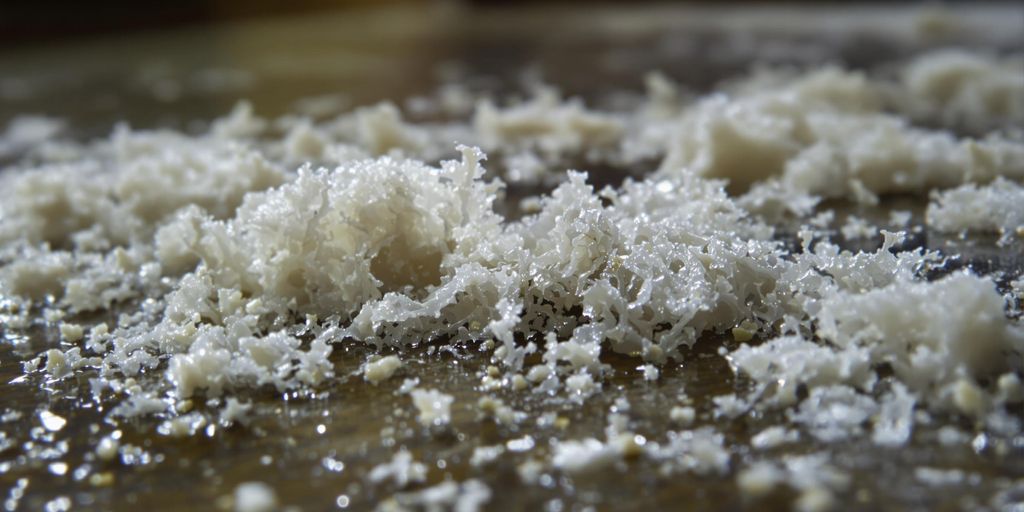
- A chalky or powdery residue near older construction materials.
If you notice any of these signs, it’s essential to avoid disturbing the material. Disturbance increases the risk of asbestos fiber release into the air.
The Importance of Professional Inspections
Identifying asbestos is not something you can do visually with certainty. Asbestos fibers are microscopic, and their presence often requires specialized testing. Hiring a certified professional ensures:
- Safe collection of material samples.
- Accurate laboratory analysis to confirm asbestos presence.
- Expert recommendations for managing or removing asbestos.
Asbestos fibers are a serious health risk, particularly in humid environments where deterioration is more likely. A professional inspection is the safest way to protect your home and health.
Preventing Asbestos Hazards in Humid Conditions
Maintaining Optimal Indoor Humidity Levels
Keeping indoor humidity under control is one of the simplest ways to reduce asbestos risks in your home. High humidity can speed up the deterioration of asbestos-containing materials, making it more likely for fibers to become airborne. Aim to keep indoor humidity levels below 60%, especially in areas like bathrooms, basements, and kitchens. Using a dehumidifier can be a game-changer in managing moisture levels. Regularly check for leaks or water damage, as these can quickly raise humidity and create problems.
The Role of Ventilation in Reducing Risks
Proper ventilation is key in keeping moisture levels in check and preventing the buildup of humidity. Install exhaust fans in moisture-prone areas, such as kitchens and bathrooms, and ensure that vents are not blocked or clogged. If you live in an older home, pay extra attention to ventilation systems, as they may need upgrades to handle modern humidity challenges. For instance, opening windows during dry weather can help circulate air, reducing the chances of asbestos fibers becoming airborne.
Proactive Measures for Older Buildings
Older buildings are more likely to contain asbestos materials, so taking proactive steps is essential. Start by scheduling professional inspections to identify any asbestos-containing materials in your home. Avoid DIY projects that could disturb these materials, as this could release harmful fibers into the air. Instead, consult certified professionals for any renovations or repairs. Additionally, focus on moisture control by sealing cracks, fixing leaks promptly, and ensuring that your home’s insulation is in good condition. These steps not only lower asbestos risks but also improve indoor air quality overall.
The Role of Dehumidifiers in Managing Asbestos Risks
How Dehumidifiers Help Control Humidity
Dehumidifiers play a vital role in maintaining safe indoor environments, especially in homes where asbestos-containing materials may be present. By reducing indoor humidity levels, dehumidifiers help slow the deterioration of asbestos-containing materials. When these materials break down due to high moisture levels, they can release harmful fibers into the air, posing health risks to occupants. Keeping the indoor humidity below 60% is often recommended to minimize such risks.
Additionally, dehumidifiers can help prevent secondary issues like mold growth, which can exacerbate the damage to asbestos materials. These devices work by extracting excess moisture from the air, creating a more stable and dry environment that reduces the likelihood of asbestos fiber release.
Choosing the Right Dehumidifier for Your Home
Selecting the appropriate dehumidifier depends on several factors, including the size of the area, the level of humidity, and the specific risks associated with asbestos in your home. Here are some key points to consider:
- Room Size: Choose a dehumidifier with the capacity to handle the square footage of the space. Larger areas may require industrial-grade units.
- Humidity Levels: Opt for a model with a built-in hygrometer to monitor and maintain optimal humidity levels.
- Energy Efficiency: Look for energy-efficient models to reduce long-term operational costs.
- Placement: Position the dehumidifier in areas most prone to moisture, such as basements, bathrooms, or near materials suspected to contain asbestos.
By carefully selecting the right dehumidifier, homeowners can better manage indoor humidity and reduce the risks associated with asbestos exposure.
Best Practices for Dehumidifier Use
Using a dehumidifier effectively involves more than just turning it on. Here are some best practices to follow:
- Regular Maintenance: Clean the filters and water reservoir frequently to ensure the dehumidifier operates efficiently.
- Monitor Humidity Levels: Use a separate hygrometer to double-check indoor humidity levels and make adjustments as needed.
- Combine with Ventilation: While dehumidifiers are effective, pairing them with proper ventilation systems enhances their performance.
- Avoid Overuse: Running a dehumidifier excessively can lead to overly dry air, which may cause other issues, such as respiratory discomfort.
By following these practices, homeowners can create a safer, healthier indoor environment while minimizing the risks associated with asbestos and high humidity.
Asbestos Removal and Humidity Control
The Process of Safe Asbestos Removal
Removing asbestos is a meticulous task that requires precision and expertise. Professionals rely on specialized techniques and equipment to safely handle and dispose of asbestos-containing materials. The process typically involves sealing off the affected area to prevent airborne fiber contamination, using protective gear, and employing proper containment methods. Wetting the material during removal can minimize fiber release, but it must be done cautiously to avoid creating additional hazards.
Post-Removal Humidity Management
Once asbestos has been removed, managing indoor humidity becomes critical. High moisture levels can lead to other issues, such as mold growth, which can further compromise indoor air quality. Maintaining indoor humidity levels below 60% is recommended. This can be achieved by:
- Using dehumidifiers in areas prone to dampness.
- Ensuring proper ventilation in spaces like bathrooms and basements.
- Repairing leaks or water damage promptly to prevent moisture buildup.
Certifying a Safe and Asbestos-Free Environment
After the removal process, a thorough inspection is conducted to ensure no asbestos remains. Certified professionals provide documentation verifying that the area is asbestos-free, offering peace of mind to homeowners. This certification is crucial, especially in humid environments where lingering moisture could exacerbate potential risks. Regular follow-up inspections and monitoring humidity levels can help maintain a safe living space.
Comparing Mold and Asbestos in Humid Environments
Key Differences Between Mold and Asbestos
Mold and asbestos are two very different hazards, yet both can pose serious risks in humid environments. Mold is a living organism, specifically a type of fungus, that thrives in damp conditions. It spreads through spores and can regrow if moisture remains. In contrast, asbestos is a non-living mineral fiber commonly found in older building materials. Unlike mold, asbestos does not grow or spread, but it can release harmful fibers into the air when disturbed. Understanding these differences is critical for effective management.
Health Risks of Mold vs. Asbestos
Both mold and asbestos can affect respiratory health, but they do so in different ways. Mold exposure often leads to allergic reactions, asthma, or infections, especially in individuals with weakened immune systems. On the other hand, asbestos exposure is linked to severe long-term conditions like asbestosis, lung cancer, and mesothelioma. The health risks from mold are typically immediate, while asbestos-related illnesses may take years to develop.
Managing Both Hazards Simultaneously
Addressing mold and asbestos in a home requires distinct but complementary strategies:
- Identify the source: Mold often grows in damp areas like basements, while asbestos is found in materials like insulation or ceiling tiles. Mold thrives in moisture, so controlling indoor humidity is key.
- Professional inspections: Testing for mold and identifying asbestos should always be done by certified professionals.
- Remediation efforts: Mold can be cleaned and removed, but asbestos often requires specialized removal services to ensure safety.
Proper moisture management, such as using dehumidifiers and fixing leaks, can help minimize the risks associated with both hazards. Regular maintenance and vigilance are essential for creating a safe and healthy living environment.
The Importance of Regular Maintenance in Humid Climates
Routine Inspections for Asbestos and Mold
In humid climates, regular inspections are non-negotiable. High moisture levels can accelerate the deterioration of materials containing asbestos, increasing the risk of fiber release. Similarly, mold thrives in damp conditions, leading to potential health hazards. Scheduling routine checks for both asbestos and mold ensures early detection and prevents costly repairs or health risks later on. Professional inspections, especially in older homes, are recommended to identify hidden dangers.
Repairing Leaks to Prevent Moisture Build-Up
Even small leaks can lead to significant issues in a humid environment. Water infiltrating walls, ceilings, or floors creates the perfect breeding ground for mold and can weaken asbestos-containing materials. Promptly repairing leaks, whether from plumbing, roofing, or windows, is critical. Homeowners should also consider waterproofing solutions for areas prone to moisture, like basements and bathrooms.
Long-Term Strategies for Safe Indoor Environments
Maintaining a safe indoor space in a humid climate requires a proactive approach. Here are some long-term strategies:
- Invest in proper ventilation systems, such as exhaust fans in bathrooms and kitchens, to reduce moisture levels.
- Use dehumidifiers to keep indoor humidity below 60%, minimizing the risk of mold and asbestos-related issues.
- Schedule air duct sealing and regular HVAC maintenance to improve air quality and control humidity effectively.
- Commit to routine AC maintenance to ensure consistent cooling and prevent moisture build-up.
By staying ahead of potential problems, homeowners can protect their health and property for years to come.
Legal and Regulatory Aspects of Asbestos Management
Understanding Asbestos Regulations
Asbestos regulations are designed to protect public health by controlling exposure to harmful fibers. In the United States, the Environmental Protection Agency (EPA) and the Occupational Safety and Health Administration (OSHA) play key roles in enforcing these rules. The EPA has implemented bans on certain asbestos-containing products, while OSHA sets workplace standards to limit exposure. It is critical for homeowners and businesses to comply with these regulations to mitigate health risks. For detailed compliance guidance, refer to the asbestos guidance provided by the EPA and other authorities.
Compliance in High-Humidity Regions
High-humidity areas present unique challenges for asbestos management. Moisture can accelerate the deterioration of asbestos-containing materials, increasing the risk of fiber release. Property owners in such regions must take proactive measures, such as regular inspections and maintaining optimal humidity levels. Compliance often requires adherence to both federal and local regulations tailored to humid climates. A comprehensive list of asbestos-related laws and regulations can help ensure all legal requirements are met.
The Role of Certified Professionals
Managing asbestos is not a DIY task; it requires certified professionals trained in safe handling and removal. These experts follow strict protocols to minimize exposure risks during inspections, repairs, or removal. Hiring licensed contractors not only ensures safety but also guarantees compliance with legal standards. Whether it’s identifying asbestos in older buildings or managing its removal, certified professionals are indispensable in maintaining a safe environment.
Additional Links
Mesothelioma Guide
Mesothelioma Help
Mesothelioma Fund
Dolman Law
Lanier Law Firm
Lawfirm.com
Robert King Mesothelioma Law Services
Simmons, Hanly, Conroy
Mesothelioma Hub
Gori Law
Mesothelioma Lawyer Center
Mesothelioma.Net
Tor Hoerman Law
Weitz and Luxenberg
Mesothelioma Hope