
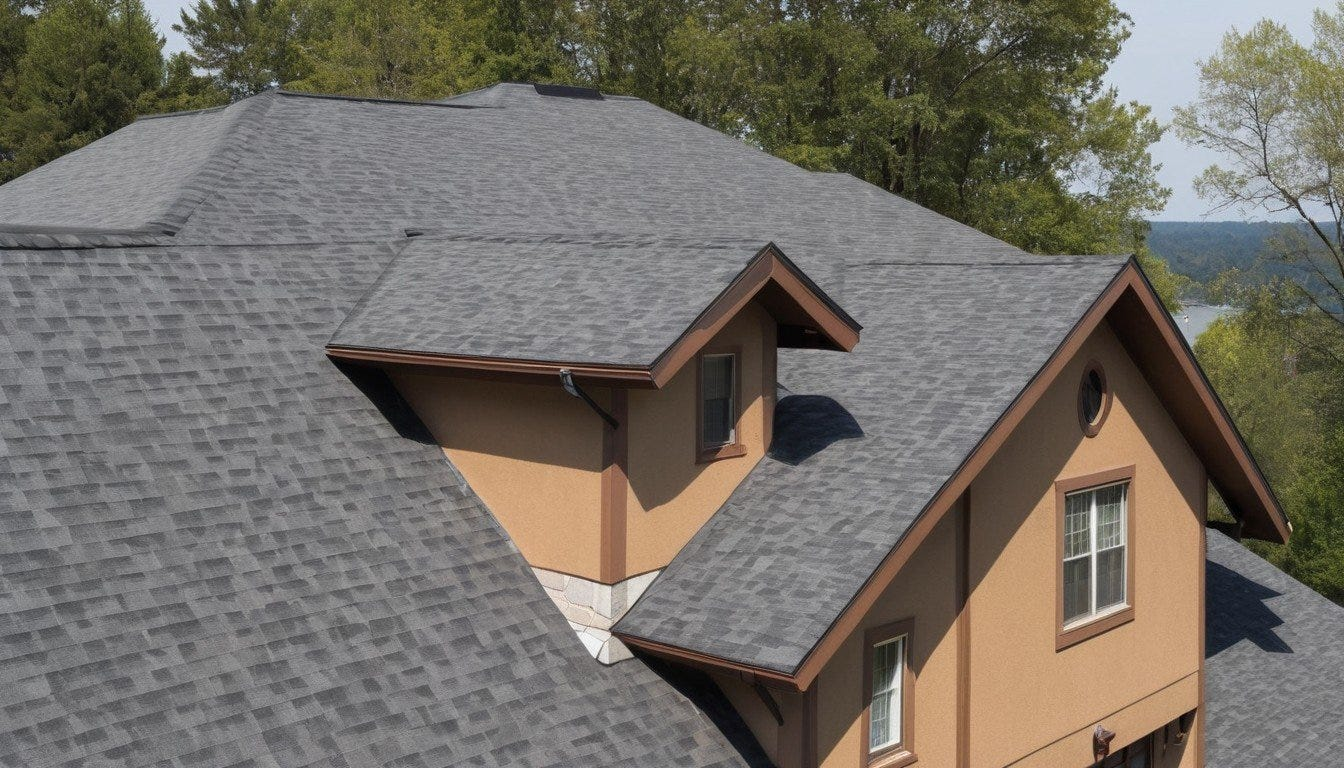
When it comes to protecting your home, your roof is the first and most important line of defense against the elements. However, not all roofing materials perform equally well in every environment. Choosing the right material for roof replacement largely depends on the climate you live in—whether it’s hot and humid, cold and snowy, or windy and coastal. By understanding how different materials perform under various conditions, homeowners can make informed decisions that ensure durability, efficiency, and long-term value.
Understanding How Climate Affects Roofing Materials
Your local climate plays a crucial role in determining the lifespan and performance of your roof. High heat can cause certain materials to warp or crack, while heavy rain and humidity may lead to mold or corrosion. Likewise, freezing temperatures and snowfall can stress your roof structure.
When planning a roof replacement, you should always consider factors such as:
- Average yearly temperature and humidity
- Wind speeds and storm frequency
- Sun exposure and UV index
- Potential for snow or hail
Each of these environmental elements impacts how long your roofing system will last and how much maintenance it will require.
Best Roofing Materials for Hot and Humid Climates
If you live in areas with intense heat and moisture—such as Florida, Texas, or other southern coastal states—you’ll need materials that reflect sunlight, resist moisture, and prevent mold growth.
1. Metal Roofing
Metal roofs are one of the top choices for hot, humid, and coastal climates. They reflect solar heat, which keeps your home cooler and reduces energy costs. Additionally, they resist mildew and corrosion when properly coated, making them perfect for humid areas.
2. Clay or Concrete Tiles
These materials are excellent at withstanding heat and sun exposure. Their natural thermal resistance keeps interiors cooler while adding an attractive, Mediterranean-style appearance to homes.
3. Asphalt Shingles (Cool Roof Options)
Special “cool roof” asphalt shingles have reflective granules that minimize heat absorption, extending the roof’s lifespan and lowering cooling bills.
Best Roofing Materials for Cold or Snowy Climates
For homeowners living in northern regions with harsh winters and heavy snowfall, durability and insulation are key.
1. Asphalt Shingles
These remain one of the most affordable and resilient choices. When installed with proper underlayment and ventilation, asphalt shingles perform well in cold weather and can resist ice buildup.
2. Metal Roofing
Metal is also ideal for snowy areas. Snow and ice slide off its smooth surface easily, preventing ice dams and roof overload. Plus, modern metal roofs are strong enough to withstand hail and wind.
3. Slate Roofing
While more expensive, natural slate provides exceptional longevity and can last for over a century. Its density and low water absorption make it highly resistant to freeze-thaw cycles.
Best Roofing Materials for Windy or Coastal Areas
Living near the coast means dealing with salty air, strong winds, and tropical storms. Choosing the right roofing material is crucial to prevent wind damage and corrosion.
1. Metal Roofing
Again, metal roofing stands out as a leading choice due to its wind resistance (often rated for up to 140 mph winds) and corrosion-resistant coatings.
2. Asphalt Shingles (Architectural Grade)
Architectural or laminated shingles offer improved wind resistance and impact durability compared to standard shingles.
3. Tile Roofing
Concrete and clay tiles are heavy enough to stay in place during high winds, but must be properly installed to avoid uplift.
Energy Efficiency and Environmental Factors
No matter where you live, energy efficiency is an added benefit of choosing the right roof. Reflective metal or cool asphalt shingles reduce heat absorption in warm climates, while insulated roofing systems retain warmth in colder zones. Many modern roofing options also include recycled content and are fully recyclable, helping reduce environmental impact.
Making the Right Choice for Your Home
When selecting the best material for roof replacement, consider not just aesthetics and cost, but also long-term performance in your specific environment. Each region poses unique challenges, and what works well in one climate may fail in another.
That’s why it’s best to consult with a trusted local roofing company. A professional can inspect your property, assess your climate’s impact, and recommend the best options to suit your budget and home style.
Final Thoughts
Choosing the right roofing material isn’t just about looks—it’s about protection, efficiency, and peace of mind. The right material can safeguard your investment for decades while keeping your home comfortable year-round.
If you’re considering a roof replacement and want expert guidance on what materials perform best for your climate, reach out to a professional roofing contractor in your area. Their expertise ensures your home gets the durable, weather-resistant roof it deserves.
This post was written by Ted Williams! Ted is the owner of A Old Time Roofing which is the premier Largo Roofing Contractor! Ted is a Master Elite Weather Stopper GAF Roofing Contractor, a double award winner of Best Steep-Slope Contractor from GAF and achiever of Master Elite Consumer Protection Excellence from GAF. He has been serving the Pinellas County area since 1978. Old Time Roofing has a tradition of quality workmanship, servicing residential and commercial properties.

Comments are closed.