
Tag

effective

Browsing

Identifying a Plumbing Emergency

Examples of Plumbing Emergencies:

  • Burst Pipes:Sudden bursts can flood your home quickly, leading to significant water damage.
  • Severe Leaks:Uncontrolled water leaking, especially in areas near electrical systems or building foundations, can create immediate hazards.
  • Overflowing Toilets:Besides the mess, an overflow can pose sanitary risks and damage to flooring and fixtures.

Quick Tips on Assessing the Severity of the Situation:

  1. Check for Water Spread:Rapidly spreading water indicates a severe leak or burst pipe.
  2. Listen for Unusual Noises:Hissing or banging in the pipes can suggest pressure issues or imminent failures.
  3. Observe Water Color and Smell:Discoloration or foul odors may point to sewer line problems, which are serious concerns.
  4. Assess Accessibility:If the problem area is hard to reach or near electrical systems, it’s safer to wait for professionals.

Immediate Steps to Mitigate Damage

Shutting Off the Water

How to Locate and Turn Off the Main Water Valve:

  • Locate the Valve:In most Riverside homes, the main water shut-off valve is located near the water meter, often at the front of the house facing the street, or in the basement if applicable.
  • Turning Off the Valve:The valve typically has a wheel or lever. Turn the wheel clockwise or the lever perpendicular to the pipe to shut off the water.

When and How to Shut Off Water to Specific Fixtures:

  • When to Use:If the emergency is localized to one area, like a single toilet or sink, you can shut off water directly at the fixture to prevent unnecessary disruption in water service elsewhere in the house.
  • How to Do It:Look for a small shut-off valve near the base of the toilet or under the sink. Turn this valve clockwise until the water stops.

Turning Off the Water Heater

Instructions on When and How to Turn Off the Water Heater to Prevent Damage:

  • When to Turn Off:If you’ve had to shut off the main water supply and your water heater remains on, it could overheat, risking damage or bursting.
  • How to Turn Off:
    • Electric Water Heaters:Locate your circuit breaker and switch off the power to the area where your water heater is connected.
    • Gas Water Heaters:Turn the dial or switch on the water heater itself to the “off” position.

Additional Steps if the Water Heater is Gas-Powered:

  • Safety First:If you smell gas, evacuate immediately and contact the gas company or emergency services from a safe location.
  • Turning Off Gas Supply:For additional safety, you might also want to shut off the gas supply to the heater. Find the gas shut-off valve, usually located at the gas line leading to the water heater, and turn it to the “off” position.

Managing a Burst Pipe

A burst pipe is a serious plumbing emergency that requires immediate action to prevent extensive water damage. If you experience a burst pipe in Riverside, CA, follow these detailed steps to manage the situation effectively and minimize damage until professional help arrives.

Step-by-Step Guide on What to Do If a Pipe Bursts in Your Home

  1. Shut Off the Main Water Supply:
    • Locate the Valve:Find your main water shut-off valve, usually located near the water meter or in your basement.
    • Turn It Off:Rotate the valve clockwise or switch the lever perpendicular to the pipe to stop all water flow to your home.
  2. Turn Off the Electricity:
    • Avoid Electrical Hazards:If the burst pipe is near electrical outlets or appliances, turn off the electricity at your circuit breaker to prevent any risk of electric shock.
  3. Drain the Pipes:
    • Open Faucets:Turn on faucets in the affected area and throughout the house to drain any remaining water from the pipes.
    • Flush Toilets:Flush toilets to empty the pipes and reduce water pressure.
  4. Contain the Water:
    • Use Buckets and Towels:Place buckets under the burst pipe to catch any dripping water. Use towels, mops, or old blankets to soak up water on the floor.
    • Seal Off the Area:If possible, seal off the affected area with plastic sheeting to prevent water from spreading to other parts of your home.
  5. Document the Damage:
    • Take Photos:Photograph the burst pipe and any damage for insurance claims. Documenting the situation can help with the claims process and provide a record for your plumber.

How to Temporarily Manage the Situation Until Professional Help Arrives

  1. Apply a Temporary Patch:
    • Use Pipe Repair Tape:For a short-term fix, wrap pipe repair tape or a hose clamp around the burst area to reduce water flow and minimize leaks.
    • Seal the Pipe:If the pipe burst is small, you can use a rubber patch and duct tape to temporarily seal it. Secure the rubber patch tightly around the pipe and cover it with duct tape.
  2. Remove and Store Valuable Items:
    • Protect Your Belongings:Move any valuable items or furniture from the affected area to prevent water damage. Store them in a dry location away from the burst pipe.
  3. Monitor the Situation:
    • Keep an Eye on the Area:Regularly check the area for any signs of worsening damage or additional leaks. This will help you provide accurate information to the professional plumber when they arrive.
  4. Contact a Professional Plumber:
    • Seek Immediate Assistance:Call a local Riverside plumber experienced in handling burst pipes. Provide them with detailed information about the situation, including the location of the burst pipe and any temporary measures you’ve taken.

Dealing with Clogged Drains and Toilets

Clogged drains and toilets can cause significant disruptions and potential health hazards in your Riverside, CA home. Here’s a detailed guide on immediate actions and techniques for temporary relief.

Immediate Actions to Take When Faced with Severe Clogs

  1. Stop Using the Affected Fixture:
    • Prevent Further Damage:If a drain or toilet is clogged and causing backups, cease using it immediately to avoid exacerbating the issue or causing overflow.
  2. Turn Off the Water Supply:
    • For Toilets:Locate the shut-off valve behind the toilet and turn it clockwise to stop the flow of water.
    • For Drains:If the clog is severe and affecting multiple fixtures, consider turning off the main water supply to your home as a precaution.
  3. Contain the Situation:
    • Protect Floors:Place towels or rags around the base of the toilet or drain to absorb any spills or overflow. Use a bucket or container to catch water if there’s visible leakage.

Tools and Techniques for Temporary Relief

  1. Plunger:
    • Using a Plunger for Toilets:Ensure you have a toilet plunger (with a flange) for a better seal. Place the plunger in the bowl, and push down and up with force to create suction and dislodge the clog. Repeat several times if necessary.
    • Using a Plunger for Drains:For sinks or bathtubs, use a plunger with a flat edge. Cover the overflow drain with a wet cloth to ensure better suction. Plunge vigorously to break up the blockage.
  2. Drain Snake or Auger:
    • Using a Drain Snake:Insert the snake into the drain and twist the handle to navigate through the pipes. Continue until you feel resistance or the snake breaks through the clog. Withdraw the snake carefully and clean it before use again.
    • Using a Plumbing Auger:For more stubborn clogs, a plumbing auger can reach deeper into the pipes. Feed the auger into the drain and turn the handle to clear the obstruction. Be cautious of damaging pipes with excessive force.
  3. Chemical Drain Cleaners:
    • Using with Caution:Chemical drain cleaners can be effective for dissolving clogs but should be used sparingly. Follow the instructions on the product label, and ensure proper ventilation. Avoid using chemical cleaners in toilets, as they can damage the porcelain and plumbing components.
  4. Homemade Remedies:
    • Baking Soda and Vinegar:For a natural approach, pour a cup of baking soda into the drain followed by a cup of white vinegar. Allow the mixture to sit for 30 minutes, then flush with hot water. This can help break down minor clogs and deodorize pipes.
  5. Plumbing Tools:
    • Pipe Wrench or Pliers:If you can access the P-trap under the sink, use a pipe wrench or pliers to remove it and clear out any visible debris. Ensure you have a bucket underneath to catch any water.

Addressing Sewage Backups

Here’s a detailed guide on safety precautions and initial cleanup steps you can take.

Safety Precautions for Dealing with Sewage Backups

  1. Protect Yourself:
    • Wear Protective Gear:Use gloves, goggles, and a mask to avoid direct contact with contaminated water and to protect yourself from harmful bacteria and viruses.
    • Avoid Direct Contact:Keep your skin and eyes away from the sewage water. If you come into contact, wash thoroughly with soap and water.
  2. Ensure Ventilation:
    • Open Windows and Doors:Improve air circulation in the affected area by opening windows and doors to help disperse any unpleasant odors and reduce the risk of airborne contaminants.
    • Use Fans:Position fans to aid in drying out the affected areas and to help with ventilation.
  3. Turn Off Utilities:
    • Electricity:If sewage water is near electrical outlets or appliances, turn off the electricity at the circuit breaker to prevent the risk of electric shock.
    • Gas:If you suspect any gas leaks, evacuate the area and contact your gas company or emergency services from a safe location.
  4. Avoid Using the Plumbing System:
    • Stop All Use:Do not use sinks, toilets, or other fixtures until the sewage backup is resolved and the system is inspected by a professional plumber.

Initial Cleanup Steps That Can Be Safely Performed by Homeowners

  1. Remove Standing Water:
    • Use a Wet/Dry Vacuum:If the sewage backup involves a manageable amount of water, use a wet/dry vacuum to remove the standing water. Be cautious and ensure you are using equipment that is safe for use with contaminated water.
    • Mop Up Remaining Moisture:Use mops and towels to soak up any remaining water. Dispose of used towels and mops properly to avoid contamination.
  2. Dispose of Contaminated Items:
    • Remove and Discard:Dispose of any items that have been contaminated by sewage water, including carpets, upholstery, and any other porous materials that cannot be thoroughly cleaned or disinfected.
  3. Clean and Disinfect:
    • Clean Surfaces:Use a mixture of soap and water to clean all hard surfaces that came into contact with sewage water.
    • Disinfect:Apply a disinfectant that is effective against bacteria and viruses, such as a solution of 1 cup of bleach to 1 gallon of water. Make sure to follow the manufacturer’s instructions for proper application and ventilation.
  4. Dry the Area:
    • Use Dehumidifiers and Fans:Place dehumidifiers and fans in the affected area to help with drying and to prevent mold growth.
    • Monitor for Mold:Keep an eye out for any signs of mold growth and address them promptly. Mold can develop quickly in damp environments and pose additional health risks.
  5. Seek Professional Assistance:
    • Contact a Plumber:Even if you have taken initial steps to manage the situation, it’s crucial to call a professional Riverside plumber. They can conduct a thorough inspection, identify the cause of the backup, and provide a permanent solution.

Contacting Emergency Plumbing Services

When dealing with a plumbing emergency in Riverside, CA, it’s crucial to act quickly and efficiently to minimize damage and restore your plumbing system. Here’s a detailed guide on how to find and contact a reputable emergency plumber in Riverside, and the key information to provide to ensure prompt service.

  1. Search Online:
    • Use Search Engines:Start by using search engines like Google to find emergency plumbers in Riverside. Search for keywords such as “emergency plumber Riverside” or “plumbing emergency Riverside” to get a list of local providers.
    • Read Reviews:Check online reviews and ratings on platforms like Yelp, Google Reviews, and Angie’s List. Look for plumbers with high ratings and positive feedback to ensure reliability.
  2. Ask for Recommendations:
    • Reach Out to Neighbors and Friends:Ask for recommendations from friends, family, or neighbors who have had positive experiences with local plumbers.
    • Consult Local Community Groups:Post a request for recommendations in local Riverside community groups or forums. Often, residents can provide valuable insights and suggestions.
  3. Check Professional Listings:
    • Verify Credentials:Look for plumbers listed with professional organizations such as the Better Business Bureau (BBB) or local trade associations. Ensure they are licensed and insured.
    • Review Their Services:Confirm that the plumber offers emergency services and has experience handling the specific type of plumbing issue you’re facing.
  4. Contact Multiple Plumbers:
    • Compare Availability and Pricing:If possible, contact a few emergency plumbers to compare their availability and pricing. This can help you choose a provider who can respond quickly and fits your budget.
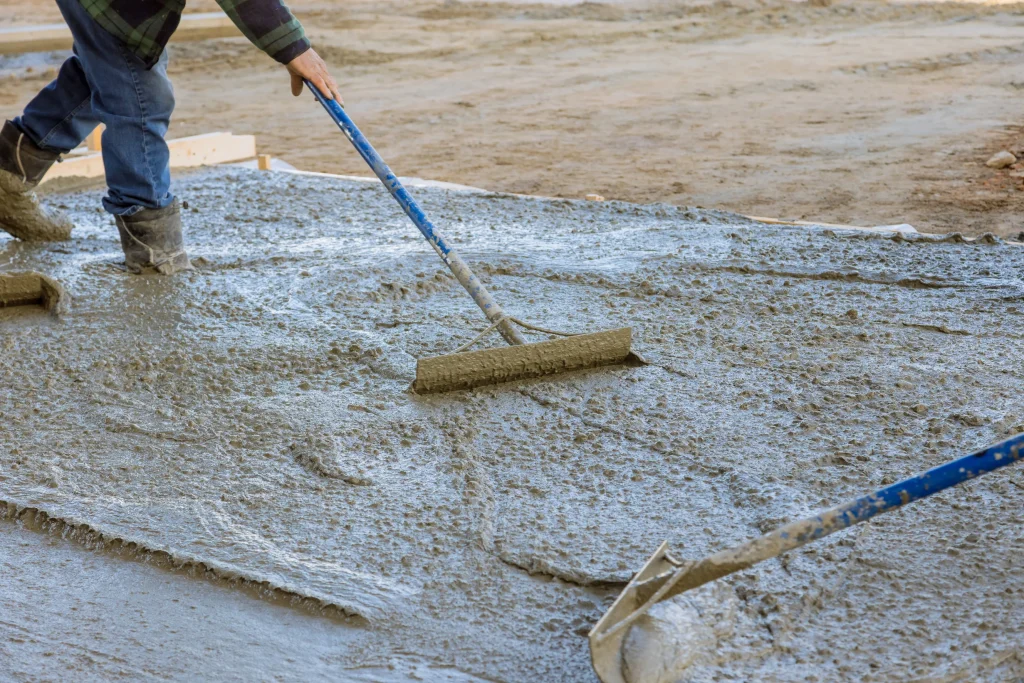

Concrete is a durable and versatile material widely used in construction for everything from driveways to foundations. However, like any material, it is not immune to damage over time. Cracks, stains, and deterioration can occur due to various factors, including weather conditions, heavy loads, and improper installation. To extend the lifespan of your concrete surfaces and avoid costly repairs, implementing effective maintenance strategies is essential. Here’s a guide to preventing future damage with concrete repair and maintenance tips.

1. Regular Inspection

Routine inspections are crucial for identifying potential issues before they escalate. Regularly check your concrete surfaces for signs of damage such as:

  • Cracks: Look for visible cracks, which can indicate underlying issues. Small hairline cracks may be normal, but larger cracks could signal structural problems.
  • Surface Spalling: This occurs when the surface of the concrete starts to flake or peel, often due to freeze-thaw cycles or chemical exposure.
  • Stains and Discoloration: These can be caused by spills, dirt, or other contaminants. Stains can sometimes indicate deeper issues that need addressing.

Addressing these issues early can prevent more significant damage and costly concrete repairs in Melbourne or elsewhere.

2. Addressing Cracks Promptly

Cracks in concrete should be addressed as soon as they are detected. There are different types of cracks, and each may require a different approach:

  • Hairline Cracks: These are usually surface-level and can be repaired with a concrete crack filler or sealant. Clean the crack thoroughly, apply the filler, and smooth it out.
  • Structural Cracks: Larger cracks, especially those that affect the structural integrity of the concrete, may require professional assessment. In Melbourne, concrete repair experts can evaluate the cause and provide appropriate solutions, which may include reinforcement or more extensive repairs.

By repairing cracks promptly, you can prevent water infiltration and further deterioration of the concrete.

3. Sealing Concrete Surfaces

Applying a sealant to your concrete surfaces is an effective way to protect them from damage. Sealing helps:

  • Prevent Water Damage: A good sealant acts as a barrier against moisture, which can cause cracking and spalling.
  • Reduce Staining: Sealants help repel stains from spills and dirt, making it easier to clean your concrete surfaces.
  • Enhance Durability: Regular sealing can extend the lifespan of your concrete by protecting it from environmental elements and wear.

Choose a high-quality sealant suitable for your specific type of concrete and apply it according to the manufacturer’s instructions. Reapply the sealant as needed, typically every 1-3 years, depending on traffic and weather conditions.

4. Proper Cleaning Techniques

Keeping your concrete surfaces clean helps maintain their appearance and prevents damage. Follow these cleaning tips:

  • Regular Sweeping: Remove dirt, leaves, and debris from your concrete surfaces regularly. This prevents particles from scratching the surface and causing wear.
  • Stain Removal: Address stains promptly using appropriate cleaners. For oil stains, use a degreaser; for rust stains, a rust remover may be necessary. Always test cleaning products in a small, inconspicuous area first.
  • Pressure Washing: For a deeper clean, use a pressure washer to remove grime and buildup. Be cautious with the pressure setting to avoid damaging the surface.

Proper cleaning helps preserve the concrete’s finish and prevents issues like mold and mildew growth.

5. Protecting from Environmental Factors

Concrete surfaces can be affected by environmental factors such as temperature fluctuations, UV rays, and moisture. To protect your concrete:

  • Use Weather-Resistant Coatings: Apply coatings that offer protection against UV rays and extreme temperatures. These coatings can help prevent surface damage and color fading.
  • Avoid Deicing Salts: In colder climates, avoid using deicing salts on concrete surfaces, as they can accelerate deterioration. Opt for sand or other non-corrosive materials for traction.

In Melbourne, where weather conditions can vary, considering these protective measures can enhance the longevity of your concrete surfaces.

6. Professional Maintenance and Repairs

For extensive damage or ongoing maintenance needs, consider hiring professionals. Concrete repairs in Melbourne and other areas often require specialised knowledge and equipment. Professionals can:

  • Assess Structural Integrity: Determine if there are underlying issues affecting the concrete’s stability.
  • Provide Expert Repairs: Use advanced techniques and materials to address complex problems effectively.
  • Offer Maintenance Services: Develop a maintenance plan tailored to your concrete surfaces, ensuring long-term durability.

Engaging with professionals ensures that repairs are done correctly and that your concrete surfaces are maintained to a high standard.

7. Preventative Measures

In addition to regular maintenance, implementing preventative measures can reduce the risk of future damage:

  • Avoid Heavy Loads: Do not place excessive weight on concrete surfaces, as this can cause cracking and other issues.
  • Control Vegetation: Keep plants and shrubs away from concrete edges to prevent root intrusion and soil erosion.

In summary, preventing future damage to your concrete surfaces involves a combination of regular inspections, prompt repairs, sealing, cleaning, and professional maintenance. By implementing these tips, you can extend the lifespan of your concrete and maintain its functionality and appearance for years to come. Whether you need concrete repairs in Melbourne or are looking for ways to enhance your concrete’s durability, proactive maintenance is key to preserving the integrity of your concrete surfaces.

Scaffolding is a critical component in construction and renovation projects, ensuring safe and efficient access to various parts of a building. If you are planning a project in London, selecting the right scaffolding service can significantly impact your project’s success. Through my industry experience, I have observed the key elements that distinguish a top-tier scaffolding provider. Among them, Maddison Scaffolding Ltd stands out due to their dedication to safety, comprehensive service offerings, and extensive experience.

Emphasis on Safety

Safety should always be the top priority in any scaffolding project. This is non-negotiable. The risks associated with scaffolding are substantial, and the consequences of neglecting safety can be severe. Maddison Scaffolding Ltd prioritizes safety in every aspect of their work. Their adherence to British Standards BS 5975 is a testament to their commitment. By following these standards, they ensure that every scaffold they erect is secure and stable, minimizing risks for workers and the public.

Extensive Experience and Skilled Workforce

Experience as a scaffolder in London cannot be overstated. A company with a long track record is more likely to handle complex projects and unexpected challenges effectively. Maddison Scaffolding Ltd boasts over 20 years of experience in the industry. This extensive experience means they have encountered and overcome a wide range of challenges, equipping them with the knowledge and skills to manage any project efficiently.

Their team is CITB trained, further underscoring their expertise and commitment to quality. Training and experience together ensure that their workforce is not only skilled but also knowledgeable about the latest safety protocols and best practices in the industry.

Comprehensive Range of Services

A scaffolding company should offer a broad spectrum of services to meet diverse project needs. Maddison Scaffolding Ltd excels in this regard. They provide a full range of scaffolding services, from planning and design to erection and dismantling. Their expertise covers various scaffolding systems, including working platforms, towers, propping, shoring, and formwork.

Their service offerings also extend to additional elements such as temporary roofing, scaffold hoist setup, and rubbish chute installation. This comprehensive range means you can rely on them to handle all aspects of your scaffolding needs, ensuring a seamless and integrated approach to your project.

Planning and Design Excellence

Effective scaffolding starts with meticulous planning and design. Without proper planning, even the best execution can fall short. Maddison Scaffolding Ltd follows NASC safety standards during the planning and design stages, ensuring that each project begins with a solid foundation. Their attention to detail in the early stages of a project helps prevent issues down the line, ensuring smooth progress and adherence to timelines.

Efficient Execution with Minimal Disruption

Efficiency is crucial in scaffolding projects. Prolonged disruptions can delay your project and increase costs. Maddison Scaffolding Ltd is known for their efficient operations. They erect and dismantle scaffolding systems quickly and safely, minimizing disruption to your project and surrounding areas. This efficiency is a direct result of their experience and well-trained workforce, allowing them to maintain high standards without compromising on speed.

Specialized Services: Temporary Roofing and Formwork

Certain projects require specialized scaffolding services. For example, roofing and loft conversions often necessitate temporary roofing solutions. Maddison Scaffolding Ltd provides temporary roofing with steel sheeting and Monarflex protection, ensuring that your project is protected from the elements and can proceed without weather-related delays.

In addition, they offer scaffold formwork for concrete structures such as columns, beams, staircases, and slabs. Their expertise in formwork ensures that these critical components of your project are constructed safely and accurately.

Scaffold Staircases for Safe Access

Safe access to elevated work areas is another critical consideration. Maddison Scaffolding Ltd supplies and installs traditional tube and fitting staircases with non-slip treads, as well as system staircases like CUPLOK, LAYHER, and HAKI. These staircases provide secure and convenient access for workers, facilitating smooth and efficient progress on your project.

Coverage and Reliability

Based in Epsom, Maddison Scaffolding Ltd covers a wide area including south, west, and central London, as well as north Surrey. Their wide coverage ensures that they can provide timely and reliable services to a broad range of clients. Being fully insured and qualified, they offer peace of mind that your project is in safe hands.

Why Maddison Scaffolding Ltd?

Choosing Maddison Scaffolding Ltd means opting for a company with a strong emphasis on safety, extensive experience, and a comprehensive range of services. Their commitment to following British Standards BS 5975 and NASC safety standards ensures that your project will be conducted securely and efficiently. With over 20 years of experience and a well-trained team, they bring a wealth of knowledge and expertise to every project.

In summary, Maddison Scaffolding Ltd stands out as a reliable and efficient scaffolding service provider in London. Their dedication to safety, broad service offerings, and proven track record make them a top choice for any scaffolding needs.

Lino floors, whether traditional linoleum or modern vinyl, offer durability and aesthetic flexibility, making them a popular choice for various home environments. To preserve their appearance and functionality, proper maintenance is crucial. This article provides practical tips for caring for your lino floors, ensuring they remain a beautiful and lasting part of your home.

Daily and Routine Care

Regular Cleaning

The key to maintaining lino flooring is regular cleaning:

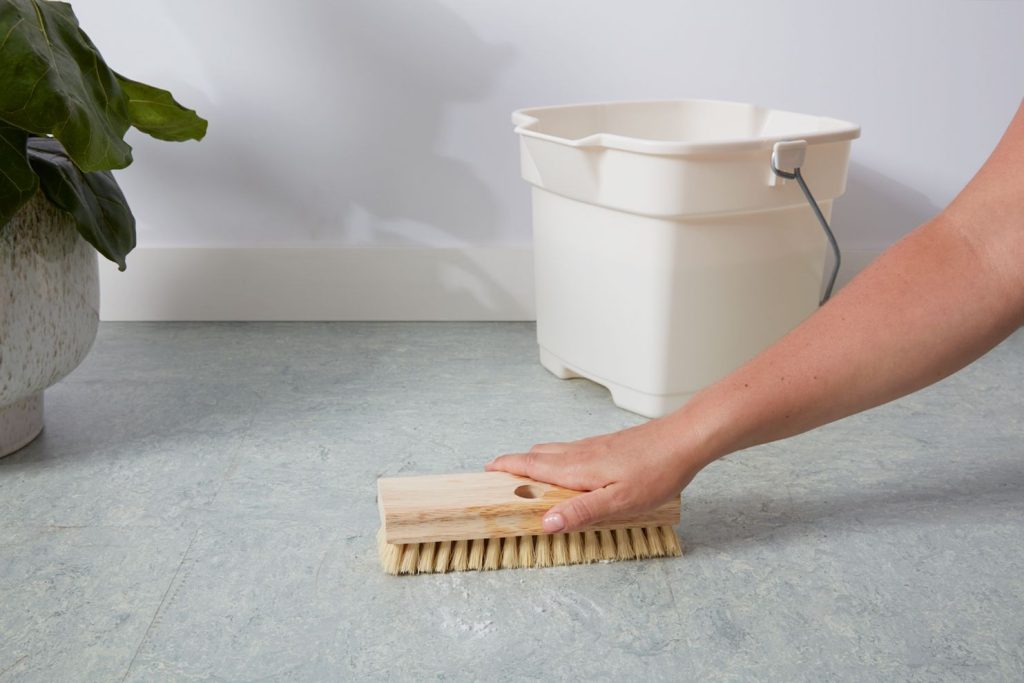
  • Sweeping: Use a soft-bristle broom or a vacuum with a soft floor attachment to remove dirt and grit daily. This prevents scratches and surface abrasion.
  • Mopping: After sweeping, mop the floor using a damp mop. Use warm water mixed with a mild detergent or a cleaner recommended for lino floors. Avoid excessive water, as it can seep into seams and edges, potentially damaging the floor.

Spot Cleaning and Stain Removal

Immediate Action on Spills

Lino floors are resilient but require prompt attention to spills to prevent stains:

  • Blot Spills: Quickly blot spills with a clean, dry cloth. Avoid rubbing, as this can spread the stain.
  • Stain-Specific Cleaners: For tough stains like ink, wine, or ketchup, use a cleaning solution recommended for lino floors. Apply the cleaner to a cloth and gently dab the stain.

Preventive Measures

Protecting Your Floor

To extend the life and appearance of your lino floors, consider these preventive strategies:

  • Use Doormats: Place doormats at all exterior doors. This reduces the amount of dirt and moisture tracked onto the floors.
  • Furniture Protectors: Attach felt pads to the legs of furniture. This helps prevent scratches and gouges from moving chairs or heavy furniture.
  • Avoid Rubber: Keep rubber-backed rugs and mats away from lino floors. Rubber can cause yellowing on the surface over time.

Periodic Maintenance

Regular Upkeep to Sustain Appearance

  • Deep Cleaning: Every few months, give your lino floors a deeper clean. Use a steam cleaner or a scrubber designed for lino floors to remove built-up dirt and restore shine. Ensure the cleaning methods and products are suitable for lino to avoid damage.
  • Polishing: After deep cleaning, apply a suitable floor polish. Polishing lino can add a protective layer that enhances its natural shine and resistiveness to wear and tear.

Addressing Scratches and Scuffs

Minor Repairs

  • Light Scratches: For small scratches, use a repair kit designed for lino floors. These often include a sealing solution that can be applied to the affected area.
  • Scuff Marks: Remove scuff marks by rubbing gently with a non-abrasive pad dampened with a mild cleaner.

Professional Maintenance

Option for Comprehensive Care

For homeowners seeking thorough care or dealing with significant wear issues, professional floor cleaners can provide comprehensive services, including sealing and refinishing, that rejuvenate lino floors effectively.

Conclusion

Maintaining your lino floors doesn’t have to be a daunting task. With regular cleaning, immediate action on spills, and sensible preventive measures, your floors can maintain their beauty and functionality for years. Remember, the key to extending the life of your lino floors lies in regular care and timely maintenance, ensuring they continue to enhance the comfort and style of your home.