Category

Home

Category

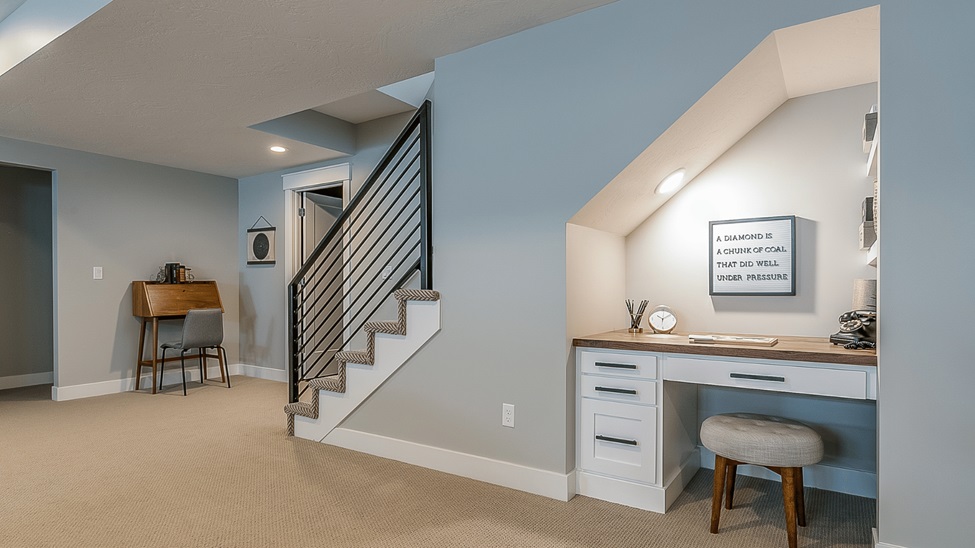
Lighting is a key element in any home remodel, but it becomes even more critical when it comes to basements. Often dark and enclosed, basements present a unique challenge when it comes to creating a space that feels bright, welcoming, and functional. Whether you’re transforming your basement into a cozy family room, home office, gym, or entertainment space, selecting the right lighting can make all the difference in the final result.

When planning your basement remodel, consider both practical lighting needs and aesthetic preferences to create a space that is both visually appealing and functional. Here are several lighting strategies and tips to help you choose the right lighting for your basement remodel.

1. Understand Your Lighting Needs

The first step in selecting lighting for your basement is to consider how the space will be used. Different activities require different lighting levels. A basement home theater, for example, will need dimmable, ambient lighting that can be adjusted for movie watching. Conversely, a basement home office will benefit from bright, task-oriented lighting for working.

Think about the type of atmosphere you want to create, too. Do you want your basement to feel cozy and intimate, or do you need it to serve as a bright, open space? A combination of lighting styles will likely be needed to address both functional and aesthetic goals.

2. Use Layered Lighting for Versatility

In a basement remodel, it’s essential to use a layered lighting approach, combining different types of lights to achieve both practical illumination and mood lighting. There are three primary types of lighting to consider:

  • Ambient Lighting: This is the general, all-around light that fills the space. Ceiling-mounted fixtures like recessed lighting, chandeliers, or flush mounts work well for this purpose. In basements, where natural light is often limited, you’ll want to ensure that your ambient lighting is bright enough to make the space feel open and airy.
  • Task Lighting: For areas where you’ll be performing specific tasks, such as a home office, workbench, or kitchen area, task lighting is essential. Desk lamps, pendant lights, and under-cabinet lights provide focused, direct illumination where you need it most. This type of lighting is typically brighter and more concentrated than ambient lighting.
  • Accent Lighting: Accent lighting adds depth and drama to a room. It can be used to highlight architectural features, artwork, or furniture. Wall sconces, track lighting, and floor lamps are great options for creating soft, indirect lighting that adds to the room’s atmosphere.

By layering these types of lighting, you can ensure that your basement is both well-lit and functional while also enhancing the overall mood.

3. Consider Energy Efficiency

Basements, especially those in coastal homes, can be prone to humidity, which may increase energy consumption due to the need for heating or air conditioning. Choosing energy-efficient lighting options is an easy way to reduce electricity bills and promote sustainability.

  • LED Lighting: LED lights are ideal for basements because they are energy-efficient, long-lasting, and available in a range of styles. Unlike traditional incandescent bulbs, LEDs produce less heat, making them perfect for areas with high humidity. They are also dimmable, which is a significant advantage when you want to control the lighting atmosphere.
  • Smart Lighting: Smart light bulbs offer additional flexibility. With the right setup, you can control the brightness and even change the color temperature of your lighting via smartphone apps or voice assistants. This is particularly useful if you need to adjust the lighting levels throughout the day or depending on the activity.

4. Optimize Natural Light

While basements often don’t have the same amount of natural light as upper floors, it’s still important to maximize any natural light sources you may have. Consider the orientation of your windows, the presence of egress windows, and how you can position your lighting to complement daylight.

  • Window Wells and Skylights: If your basement has small windows or window wells, consider expanding them or installing larger windows. Skylights can also bring in natural light if your basement has a roofline that allows for it. These windows can help improve the atmosphere of the space and reduce the reliance on artificial lighting.
  • Light-Reflecting Surfaces: In addition to maximizing natural light, using light-colored walls and reflective surfaces like mirrors can help bounce natural light throughout the space, making your basement feel brighter and more open.

5. Consider Lighting Placement and Layout

Proper placement of your lighting fixtures is just as important as selecting the right bulbs. The goal is to provide even coverage throughout the basement, avoiding areas that feel too dark or too harshly lit.

  • Recessed Lighting: Recessed or “can” lights installed in the ceiling are a popular choice for basement lighting because they don’t take up visual space and provide consistent, even lighting. They are particularly effective when strategically placed across the ceiling to create uniform illumination.
  • Track Lighting: Track lighting can be a flexible solution, especially for areas where you want to highlight specific parts of the room, like a reading nook or artwork. The direction of the lighting can be adjusted, allowing for customization based on the needs of the space.
  • Wall Sconces: Wall-mounted sconces are perfect for adding accent lighting along the perimeter of your basement. They provide an ambient glow without taking up space on the floor, and some models are adjustable, so you can control the direction of the light.

6. Work with a Professional Basement Remodeler

Lighting a basement is not only about choosing the right fixtures but also about making sure everything is installed correctly. For complex projects, such as rewiring or adding additional outlets, working with a professional basement remodel contractor is essential. An experienced professional will help ensure that the lighting is integrated seamlessly into the space and adheres to all safety codes and regulations.

A professional can also help with the overall design, taking into consideration factors like ceiling height, existing electrical systems, and the layout of the space. They can advise on the best lighting solutions that will enhance the functionality and style of your basement while working within your budget.

7. Don’t Forget the Dimmers

Dimmer switches are a simple and effective way to control the ambiance in your basement. They allow you to adjust the brightness based on the time of day or the activity at hand. Whether you’re hosting a movie night, reading a book, or working from home, dimmers can provide the right level of lighting for any situation.

A Successful Basement Remodel

Choosing the right lighting for your basement remodel is an essential part of creating a space that is both functional and inviting. With a thoughtful approach to ambient, task, and accent lighting, as well as careful consideration of energy efficiency and natural light, you can transform your basement into a bright, comfortable area that suits your needs. For optimal results, consider working with a professional basement remodel contractor who can help you design and implement the perfect lighting plan for your space. By taking these steps, you’ll ensure that your basement is not only well-lit but also a truly enjoyable place to spend time.
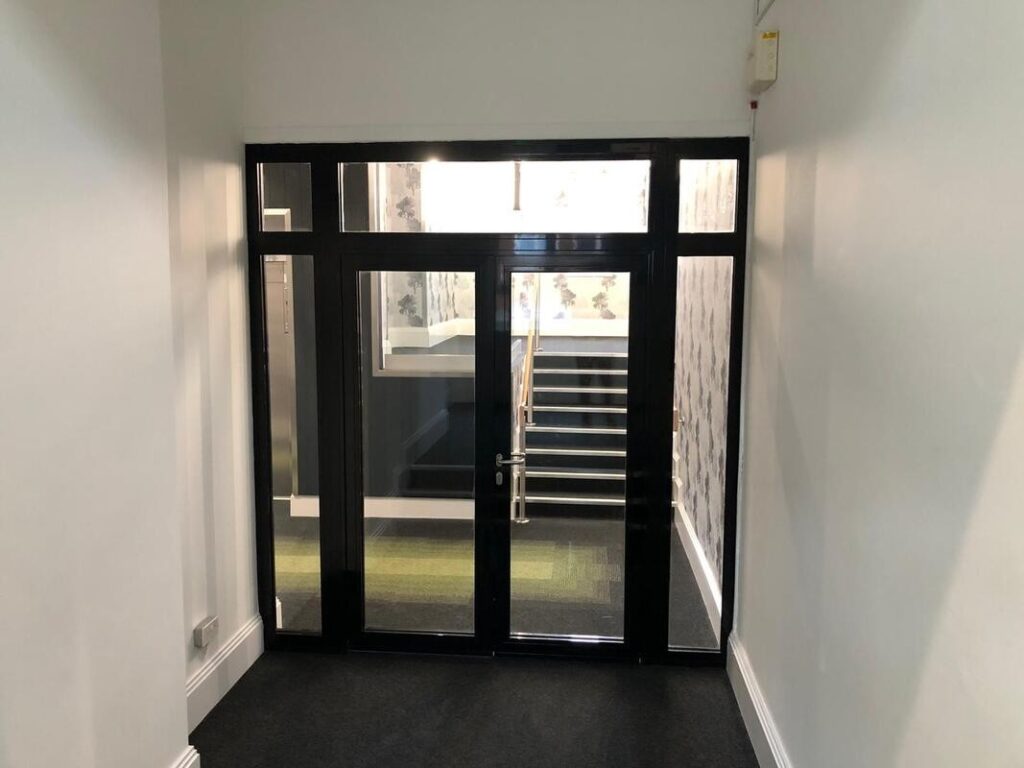
 

Recently, authorities, residents, and real estate developers have prioritized fire-rated doors for building safety. Safety standards and fire awareness have made fire-rated doors more important in homes and businesses. Specialized doors prevent smoke and fire damage, protecting lives and structures. This article analyses fire-rated doors’ features, design, and legal support to explain their popularity. So here’s why Why Fire-Rated Doors Matter.

The Rising Need for Fire Safety in Modern Buildings

City building complexity and density are rising. High-story buildings, office complexes, and commercial complexes increase fire risks. A poorly managed fire in a structure with a large population or transportation could be disastrous. Fire-rated doors limit smoke and flames, giving residents time to escape. This dramatically enhances fire management. Modern buildings use more fire-rated doors for safety and security.

Understanding Fire-Rated Doors: What Sets Them Apart

Fire-rated doors stop fires for a defined time with heat-resistant materials. For how long they can withstand direct fire exposure before failing, these doors are evaluated in minutes or hours. Fire-rated doors are made of steel, gypsum, or another heat-resistant material with fire-resistant glass and intumescent seals that expand to fill holes in hot weather. These particular doors are sturdy and effective in difficult environments.

Protecting Lives: The Role of Fire-Rated Doors in Emergency Situations

Fireproof doors save lives. These fire doors effectively separate smoke and fire containment areas. This confinement lowers smoke inhalation, the major cause of fire deaths, and gives residents more time to escape. Fire-rated doors split the building, simplifying escape routes for emergency responders. Fireproof doors improve emergency results and save lives.

Limiting Property Damage and Financial Loss

Fire-rated doors reduce property damage, death, and financial loss. Fires can quickly damage buildings, furnishings, and interiors. Fire-rated doors contain fires, decreasing property damage and maintenance costs. Commercial enterprises that risk technology, sensitive data, and pricey assets need this containment. Fire-rated doors reduce danger, therefore insurance companies lower premiums.

Improved Aesthetic Options for Modern Buildings

No longer are fire-rated doors huge or unsightly. Design and production developments have made fire-rated doors available in different materials, coatings, and forms to match modern architecture. Fireproof doors can now compliment hotel, corporate, and apartment decor. Because they can match a variety of home designs, whether they have a solid wooden finish or a minimalist glass design, designers and architects who want both utility and aesthetic appeal like these doors.

Future Trends: Integration of Smart Technology with Fire-Rated Doors

Smart technology enhances fire-rated doors’ performance and versatility. Modern fire-rated doors contain sensors and control systems that integrate with a building’s fire detection system to close automatically. Smart fire-rated doors may be remotely monitored and controlled by building management in real time. Technical developments should make fire-rated doors more effective, making them a better investment for real estate developers future-proofing their properties.

Conclusion

Fire-rated doors are becoming more important because of their superior safety, property, and regulatory compliance. Fire-rated doors will become typical in residential and commercial buildings as building safety laws change and fire awareness develops. Their emergency preparation, aesthetic versatility, and link to modern technologies make them essential to fire protection. Building owners and developers value safety, resilience, and accountability by buying fire-rated doors. This investment boosts property value and safety.

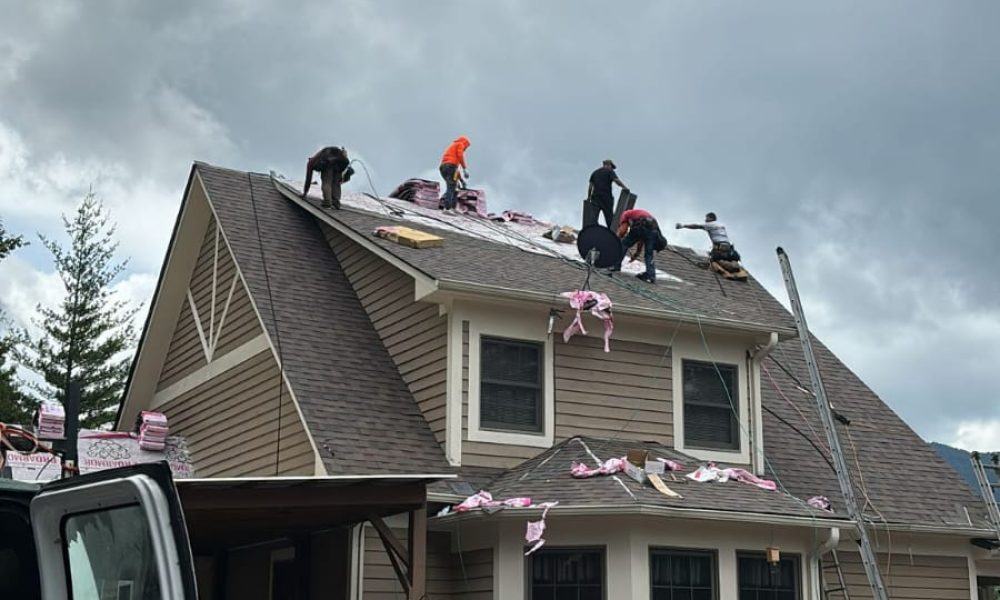
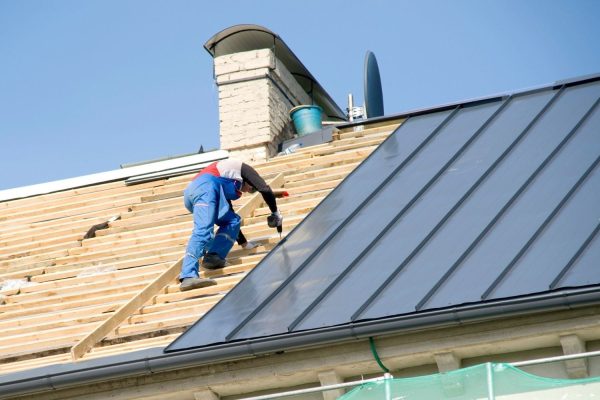
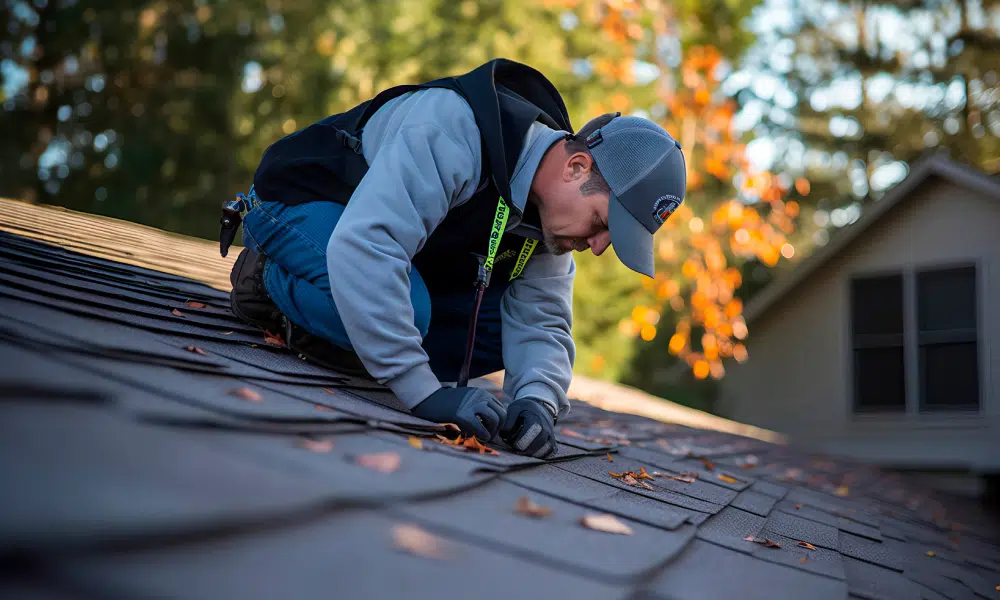
Maintaining the integrity of your roof is nothing short of vital, particularly in a place like Wisconsin, where the elements can throw quite the curveball. A good number of homeowners take the DIY route for roof repairs, but it’s imperative to sidestep the usual errors that might end up costing more in the long run. This article aims to shed light on those frequent missteps in roof repair and offer guidance on how to dodge them, ensuring your roof stays in prime condition. Whether you’re mulling over a roof repair in Wisconsin or are in the midst of one, the insights provided here will guide your decisions.

Don’t Skimp on Safety

A glaring mistake in roof repair is overlooking safety measures. Given that roof repairs involve working at heights, the absence of proper gear and know-how can be perilous, with falls and injuries being all too common.

Safety First –

Gear Up: Donning the right safety equipment is non-negotiable. This includes a harness, shoes with good grip, and a sturdy helmet.

Buddy System: Having a partner not only enhances safety but also provides immediate assistance should an emergency arise.

Weather Watch: Embarking on roof repairs under adverse weather conditions like rain, snow, or strong winds is a recipe for disaster.

Wisconsin Roof Repair

Material Matters

Opting for the incorrect materials for your roof repair can exacerbate the problem. Roofing materials are crafted for specific roof types, and the wrong choice can induce further damage.

Material Mastery –

Match Correctly: Ensure the materials you use are compatible in type and quality with your existing roof.

Seek Advice: When in doubt, consulting with a seasoned professional or referring to the manufacturer’s guidelines is wise.

Quality Counts: Resist the temptation to go for cheaper materials that might not endure the test of time.

Prep Properly

Diving into roof repair without adequate preparation can yield less-than-stellar outcomes. This could mean neglecting to clean the area thoroughly, not having the right tools at hand, or failing to assess the damage comprehensively.

Preparation is Key –

Inspect Thoroughly: A detailed inspection can unveil all areas in need of repair.

Tool Up: Ensure all necessary tools and materials are on hand before starting.

Clear the Decks: A clean workspace is crucial. Remove any debris, dirt, and old materials from the area.

Installation Insights

Faulty installation of roofing materials can lead to leaks and further damage. Common issues include misaligned shingles, inadequate sealing, and incorrect nail placement.

Installation Integrity –


Instruction Adherence: Following the manufacturer’s installation guidelines is critical.

Technique Matters: Ensure shingles are properly aligned, nails are correctly placed, and seals are tight.

Professional Perspective: If in doubt, the expertise of a professional can guarantee the job is done right.

Ventilation Vigilance

A well-ventilated roof is essential for its longevity. Inadequate ventilation can cause moisture buildup, leading to mold, mildew, and deterioration of roofing materials.

Ventilation Verification –

Adequate Installation: Ensure your roof has the right ventilation for effective airflow.

Regular Reviews: Check your roof’s ventilation system to confirm it’s working as it should.

Professional Consultation: Roofing experts can advise on the best ventilation solutions.

Maintenance Mindset

Neglecting regular roof maintenance is a common oversight among homeowners, which can aggravate existing issues and lead to significant problems.

Maintenance Matters –

Regular Inspections: Especially after harsh weather, it’s crucial to inspect your roof.

Stay on Top of It: Clean gutters, remove debris, and address minor repairs promptly.

Professional Partnership: Consider enlisting professional roof repair services in Wisconsin for comprehensive inspections and maintenance.

Connect with Krumm Exteriors WI

Steering clear of these common roof repair mistakes is vital for preserving the health and longevity of your roof. By emphasizing safety, choosing the right materials, preparing adequately, ensuring correct installation, maintaining proper ventilation, and keeping up with regular maintenance, you can avoid costly errors and safeguard your home. Krumm Exteriors WI stands ready to provide top-notch roof repair services in Wisconsin, helping you protect your investment.

Living in Minnesota means enjoying the beauty of snow-covered landscapes in winter and the lush greenery in summer. However, this beauty comes with its own set of challenges, especially for your home’s roof. The drastic weather conditions can take a toll, making it crucial to stay vigilant about roof maintenance. Identifying signs of wear and tear early can save you from hefty repair bills down the line. When it comes to roof repair in Minnesota, being proactive is key. Let’s explore how to spot these warning signs and why addressing them promptly is essential.

Spot the Warning Signs Early

Shingle Damage: A Telltale Sign

One of the clearest indicators that your roof may need attention is shingle damage. Whether it’s from the brute force of winter winds or the weight of ice and snow, shingles can become loose, crack, or even go missing. Keep an eye out for bare patches on your roof or shingles scattered in your yard. These missing pieces expose your roof to the elements, potentially leading to leaks and further damage.

Leaks and Stains: The Silent Invaders

Water stains on your ceilings or walls should ring alarm bells. These are often the result of roof leaks, which can be caused by several factors including compromised flashing, deteriorated shingles, or clogged gutters. In Minnesota, ice dams are a notorious culprit for water seeping under your roofing material. Addressing leaks promptly is critical to prevent mold and safeguard your home’s structural integrity.

Sagging Roof Deck: A Structural Concern

A sagging roof is a red flag that requires immediate attention. It usually points to prolonged moisture exposure weakening the structural support of your roof. If you notice any drooping, it’s time to call in the experts. Neglecting this issue can lead to catastrophic outcomes, such as a roof collapse.

Minnesota Roof in Prime Conditio

Granules in the Gutters: More Than Just Dirt

Asphalt shingles are coated with granules for protection against UV rays and to enhance fire resistance. Over time, these granules can wear off and accumulate in your gutters. While some loss is normal, excessive granule buildup could indicate that your shingles are nearing the end of their life span. Regularly check your gutters, especially after storms, to gauge the condition of your roof.

Moss and Algae: More Than Just an Eyesore

The sight of moss or algae on your roof isn’t just unpleasant—it could also be harmful. Moss can trap moisture against the roofing material, leading to deterioration, while algae may cause shingles to break down. These growths thrive in Minnesota’s humid summers, so it’s wise to tackle them early with professional cleaning or repairs.

Sunlight in the Attic: A Crack in Your Home’s Armor

If rays of sunlight can find their way into your attic, so can water. Gaps or holes in your roof not only let in water but can also compromise your home’s insulation, leading to higher energy bills. Regular attic inspections, particularly after severe weather, can help ensure your roof is sealed tight.

Age Matters: Assessing Your Roof’s Life Expectancy

The age of your roof plays a significant role in determining its repair needs. Most roofs last between 20 to 30 years, depending on the materials used. As your roof ages, it’s more prone to issues and might need more frequent repairs. Scheduling regular inspections with a roofing expert can provide clarity on your roof’s condition and help you plan for any necessary maintenance or replacement.

Partner with Krumm Exteriors MN for Roofing Excellence

Proactive maintenance is key to extending your roof’s lifespan and avoiding disruptive repairs. By recognizing the signs of damage early, you can take swift action to ensure your home remains secure. For those in Minnesota, Krumm Exteriors MN stands ready to assist with expert roof repair and maintenance services, ensuring your home stays well-protected through every season.

Ready to safeguard your home with a top-condition roof? Reach out to Krumm Exteriors MN today for a comprehensive roof inspection and embark on the path to a well-maintained home.