
Author

Nelson M. Walters

Browsing

Choosing the right packing supplies is vital for an organized, damage-free, and successful move. According to Safe Ship Moving Services, by evaluating the needs, and size as well as the fragility of the belongings, people need to invest in high-quality supply materials to ensure the care and safety of their things while relocating.

This blog aims to provide a detailed guide to facilitate choosing the right moving supplies, packing tools, and materials. Following these expert suggestions will be helpful for individuals to stay well-equipped to pack their valuable belongings efficiently, lessen the chances of damage, and make their moving experience stress-free and smoother.

Boxes for Packing: when it comes to choosing moving supplies, the foremost thing that one needs to procure is different types of moving boxes. Make sure to buy robust, corrugated cardboard cartons available in a range of categories and sizes to pack different types of items. For instance, investing in specialized boxes is the right choice to ensure the protection of fragile items such as glassware, electronics items, antique products, and sculptures.

People with a low budget can go for low-cost boxes available online, or procure them from local grocery shops or relations who have shifted recently. Ensuring the boxes are in orderly condition is essential to prevent damage to the things they contain.

Packing Peanuts: Made of polystyrene, packing peanuts are foam materials and are simply a great choice for providing cushioning as well as filling vacant space inside boxes. The lightweight packing material is especially useful for protecting delicate items from possible shifting due to their irregular shapes causing damage.

Packing Paper: Aka butcher paper, packing paper is another popular item used for cautioning and wrapping things. Apart from providing an additional layer of guard against possible scratches, using the paper helps fill up the gaps in boxes and thereby prevents things from shifting in transit.

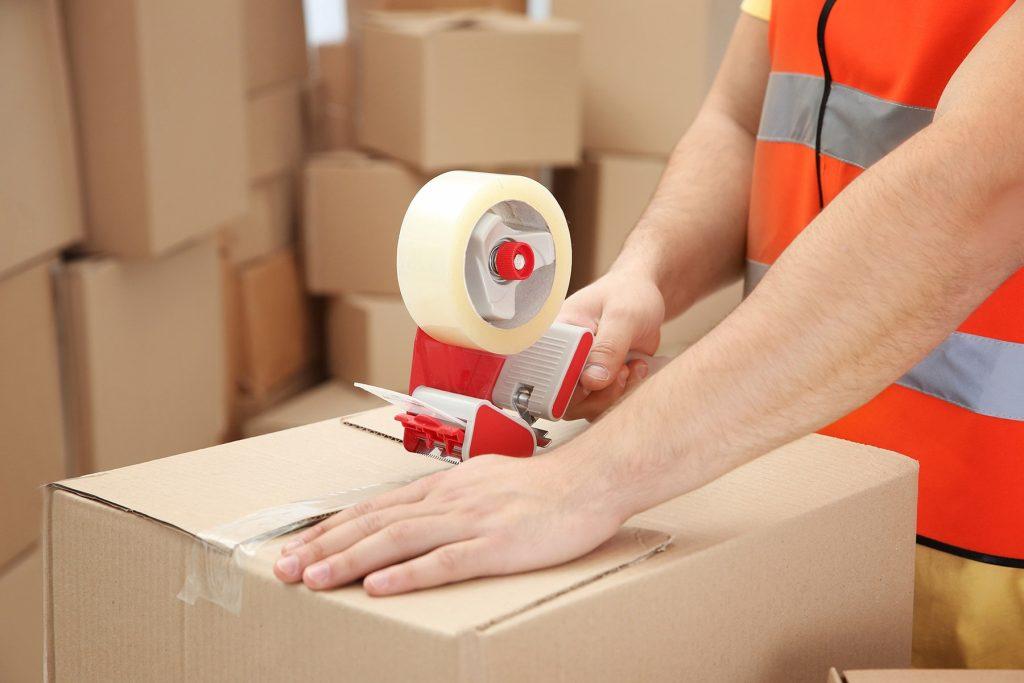
Packing Tape: While buying packing tape make sure that they are high quality to secure boxes seamlessly. As per the recommendation of Safe Ship Moving Services for efficient packing- always go for durable and wide rolls of packing tape for extra strength. Before putting things inside the boxes, make sure to close the bottom by using tape and once things are packed, close the box with multiple strips of it to prevent valuables from falling out or damaging during transportation.

Labeling Supplies: to easily identify which items are packed inside the boxes, make sure to label the boxes with labeling stickers. Always use permanent markers to mark each cartoon with its contents for example ‘kitchen supplies’, ‘glassware’, ‘bedroom accessories’, etc. For delicate and fragile items marking boxes as ‘Fragile Items’  together with ‘Handle with Care’ is important to alert the team of movers to handle them with care.

Box Cutters and Scissors: Shop handy durable and handy knives or box cutters made of stainless steel for easy unpacking of materials. Also, keep scissors handy as they are useful for cutting bubble wrap, and packing tape apart from other things while packing things.

Furniture Covers: Before moving things like wooden and steel furniture, to prevent them from gathering dust, dirt, or scratches, individuals need to invest in good quality furniture covers.

Make sure to cover mattresses, tables, chairs, sofas, and other furniture pieces with the right size of plastic covers. Plastic wrappers are especially useful to keep furniture items securely protected once wrapped properly with covers of the right sizes.

When it comes to relocating, using the appropriate packing supplies can make a real difference. Not only these belongings are valuable but many of them carry great sentimental value. Hence, to ensure their absolute safety make sure to procure high-quality packing materials as per need and enjoy a successful, stress-free, and damage-free moving.

If you are wondering how to make arched doors, it is essential to give your arched doors a makeover that can add new life to your home. 

Successful renovation necessitates comprehensive research and preparation. With attention to detail, your project may smoothly improve the visual appeal of your home and create a shift that echoes with timeless beauty.

To help you navigate the process, here are some pointers that can ensure your refurbished arched doors build a harmonic and enduring appeal in your living spaces: 

Here are some pointers to help you navigate the process, ensuring that your refurbished designer door hardware, creates a harmonic and timeless beauty in your living spaces:

Assessment and Inspection

Begin by thoroughly assessing the current condition of your arched doors. Check for any signs of wear, damage, or structural issues. A detailed inspection will help you identify areas that need repair or replacement, allowing you to prioritize your renovation efforts effectively.

Historical Authenticity

Consider the historical authenticity of your arched doors and decide whether you aim to preserve their original charm or give them a modern twist. Retaining authentic features may involve restoration techniques while opting for a modern look might include updating hardware or finishes to align with contemporary design trends.

Material Selection

Selecting the best materials is critical to ensuring the durability of your arched doors. For instance, if you are planning an arch door Bunnings project, top-tier and sturdy materials can help withstand the hardships of time and climatic conditions. Whether you choose the timeless elegance of traditional wood or the current strength of modern composite materials, find a balance between aesthetic appeal and long-term durability.

Professional Expertise

Engage with professionals for expert advice and assistance, especially if your renovation involves structural changes or intricate detailing. Consultation with architects or experienced artisans ensures that the renovation aligns with industry standards and preserves the structural integrity of the doors. Professional installation is equally essential to guarantee a flawless and secure fit.

Plan your next remodelling project by checking out Hardware Concepts, where you can browse a wide selection of high-quality hardware and building supplies.

Mold spreads by releasing tiny spores into the air, which then land on damp surfaces and begin to grow. Eliminating the source of moisture is the first step to controlling mold growth, but removing mold spores from the air is also important. One method that has been used for this purpose is ozone. Studies show that ozone is highly effective at neutralizing mold spores suspended in the air. The laboratory study found that treating samples of two common airborne molds, Aspergillus niger and Stachybotrys chartarum, with ozone concentrations of 4-6 ppm reduced viable spores by 99% within 30 minutes of exposure. After 2 hours of ozone treatment at these levels, 100% of the mold spores were killed.

Another study looked specifically at eliminating Stachybotrys chartarum, also known as black mold, which produces mycotoxins that are very harmful to health. Using an ozone generator to fumigate rooms with spore-contaminated materials, they achieved a 91-98% reduction in airborne spores within 12-48 hours using ozone levels between 1.3-2.6 ppm. This sporicidal capability is due to ozone’s potent oxidizing effects. Ozone damages the cell walls and internal structures of mold spores through the oxidation of proteins, enzymes, cell membranes, and genetic material. This destroys the spore’s ability to germinate and grow.

However, the concentration and exposure time are important factors. Lower ozone levels or shorter treatment times are less effective against spores. Levels below 0.2 ppm showed only modest anti-fungal effects in lab studies. Many mold spores are capable of surviving ozone exposure at 1 ppm or below when the contact time is less than an hour. Higher ozone concentrations and longer exposure times provide a more thorough elimination of mold spores from the air. Here are some of the pros to consider when using ozone for mold spore removal:

  • Highly effective at killing mold spores when applied properly.
  • Can reach areas that are difficult to clean such as inside ductwork or under materials.
  • Does not require evacuating people during use like some chemical biocides.
  • Breaks down quickly into regular oxygen leaving no chemical residues.
  • Can also effectively remove odors, bacteria, and viruses.

Identify and eliminate moisture sources allowing mold growth before attempting to remove spores. Ozone does not address the causes of the mold problem. People, pets, and plants should be removed from the area during ozone treatment. Ozone levels high enough to effectively kill spores quickly are hazardous to health. Post warning signs and restrict access to rooms being treated to prevent accidental exposure. Seal the treatment area as much as possible. It retains the ozone concentration for maximum spore contact. Treat for at least 4 hours to kill mold spores at lower concentrations around 1-2 ppm. 12-48 hours are needed to thoroughly treat heavy spore contamination or use in difficult-to-reach places like ducts.

Using ozone improperly creates a significant health hazard, so experienced professionals should be consulted for large-scale mold remediation using ozone generators. When applied correctly, ozone provides a fast, effective method for removing airborne mold spores as part of an integrated mold control plan focused on fixing the underlying moisture issue. Take a look at these guys at www.damagecontrol-911.com/does-ozone-kill-mold/.

Bathtubs are essential fixtures in any home, providing relaxation and functionality. However, over time, they can become worn, stained, or outdated. Instead of replacing your bathtub, refinishing it can be a cost-effective and efficient way to rejuvenate your bathroom’s aesthetic. In this article, we’ll explore some valuable tips for effectively refinishing your bathtub, ensuring a professional-looking result that restores your bathroom’s elegance.

Preparing Your Bathtub:

Before starting the refinishing process, it’s crucial to thoroughly clean and prepare the surface of your bathtub. Remove any existing caulking, grime, or residue using a mild cleaner and a non-abrasive sponge. Ensure that the surface is completely dry before proceeding to the next step.

Repairing Damages:

Inspect your bathtub for any chips, cracks, or scratches that need to be repaired before refinishing. Use a bathtub repair kit to fill in these imperfections, following the manufacturer’s instructions carefully. Allow sufficient time for the repairs to cure before proceeding with the refinishing process.

Choosing the Right Refinishing Kit:

Selecting the appropriate refinishing kit is essential for achieving a durable and long-lasting finish. Look for high-quality bathtub refinishing kits that are specifically designed for your bathtub’s material, whether it’s porcelain, fiberglass, or acrylic. Consider factors such as ease of application, curing time, and resistance to chemicals and abrasions.

Proper Ventilation and Safety Precautions:

Bathtub refinishing involves the use of chemicals and fumes that can be harmful if inhaled. Ensure proper ventilation in your bathroom by opening windows and using exhaust fans. Additionally, wear protective gear such as gloves, goggles, and a respirator to minimize exposure to hazardous substances.

Applying the Refinishing Coating:

Follow the instructions provided with your refinishing kit carefully when applying the coating to your bathtub. Use even strokes to ensure a smooth and uniform finish, and avoid over-application to prevent drips and runs. Allow the coating to dry completely between coats, and apply multiple layers as recommended for optimal durability.

Curing and Maintenance:

After refinishing your bathtub, allow sufficient time for the coating to cure fully before using the tub. This typically involves waiting at least 24-48 hours before exposing the surface to water. Once cured, maintain your refinished bathtub by cleaning it regularly with mild, non-abrasive cleaners to preserve its appearance and longevity.

Avoiding Common Mistakes:

To ensure a successful bathtub refinishing project, avoid common mistakes such as rushing the preparation process, applying too thick or too thin coats of refinishing material, or neglecting proper ventilation and safety precautions. Taking your time and following instructions meticulously will yield the best results.

Conclusion:

Refinishing your bathtub is a practical solution for restoring its beauty and functionality without the expense and hassle of replacement. By following these tips and guidelines, you can achieve professional-quality results that enhance the overall aesthetic of your bathroom. Remember to prioritize proper preparation, safety precautions, and maintenance to enjoy a beautifully refinished bathtub for years to come.

Incorporating these tips into your bathtub refinishing project will help you achieve outstanding results, transforming your bathroom into a more elegant and inviting space. With the right techniques and materials, you can breathe new life into your bathtub and elevate the aesthetic appeal of your entire bathroom.