Author

James Williams

Browsing

As society continues to move toward greater inclusivity and accessibility, innovations in home design and technology have played a crucial role in helping individuals with disabilities live more independently and comfortably. One such innovation that has proven to be a game-changer is the home elevator. Once considered a luxury feature in multi-story homes, home elevators are increasingly being recognized for their life-changing benefits, especially for people with mobility impairments.

In this blog post, we’ll explore how home elevators enhance the quality of life for disabled individuals, providing greater accessibility, independence, and comfort.

1. Promoting Independence and Autonomy

For individuals with physical disabilities, navigating stairs can be one of the most significant barriers to accessing various areas of their home. Whether it’s due to a mobility impairment, chronic illness, or age-related condition, many people with disabilities face challenges that make multi-level homes difficult to navigate.

Residential lifts remove this obstacle, allowing individuals to move between floors with ease. The ability to control their own movements between levels fosters a sense of independence and autonomy. Whether it’s accessing a bedroom on the second floor, visiting a family member on another level, or simply moving between floors for daily activities, home elevators allow disabled individuals to enjoy the freedom to go wherever they want without relying on others for assistance. This independence is invaluable for maintaining dignity and a sense of control over one’s own living environment.

2. Eliminating the Risk of Falls and Injuries

One of the most common and dangerous risks faced by individuals with mobility challenges is the risk of falling. Stairs are a frequent cause of falls, particularly for people with limited strength, balance, or coordination. For people with disabilities, navigating stairs can be both physically taxing and dangerous, increasing the likelihood of a fall and the injuries that often result from it.

Home elevators significantly reduce this risk. By providing a safe and reliable means of traveling between floors, they eliminate the need to navigate stairs altogether. Many modern elevators are equipped with built-in safety features, such as smooth start and stop functionality, emergency backup systems, and automatic door sensors, which further enhance safety. This added security and peace of mind allow disabled individuals and their families to feel more confident and comfortable in their homes, knowing that there is a safer, more efficient alternative to stairs.

3. Improving Accessibility Throughout the Home

Homes that are not designed with accessibility in mind can present significant challenges for individuals with disabilities. Moving between floors, accessing bathrooms or bedrooms, and completing everyday tasks can become frustrating and exhausting when stairs are involved. A home elevator helps eliminate these challenges, creating an accessible living environment.

The presence of a home elevator in a multi-story home can ensure that all floors are accessible to individuals with disabilities, regardless of their mobility limitations. Whether it’s getting to a different level for a social gathering, entering a study or hobby room, or moving from one living space to another, the home elevator ensures that everyone, regardless of physical abilities, can access every part of the home.

Additionally, elevators are available in a variety of designs and sizes, meaning they can be installed in most homes with minimal disruption. Whether you’re remodeling an existing home or building a new one, installing a home elevator can help ensure that your living space is accessible now and in the future.

4. Enhancing Comfort and Convenience

Beyond the obvious benefits of accessibility and safety, home elevators also enhance the overall comfort and convenience of living in a multi-level home. For individuals with disabilities, everyday tasks such as carrying groceries, laundry, or heavy items between floors can be physically taxing and painful.

A home lifts provides a simple, convenient way to transport these items with minimal effort, saving energy and reducing strain. This kind of convenience allows individuals with disabilities to manage their homes more easily, helping them maintain their independence in performing daily tasks.

Home elevators can also add to the overall comfort of the home by allowing individuals to move between floors with less effort and more efficiency. This can reduce fatigue, prevent physical strain, and create a more relaxed, enjoyable living environment for individuals with disabilities. By easing the physical effort of moving through a home, elevators contribute to a higher quality of life, enabling disabled individuals to enjoy their homes more fully.

5. Future-Proofing the Home

For many people with disabilities, their needs can change over time. Conditions like arthritis, muscular dystrophy, or multiple sclerosis may worsen with age, making it increasingly difficult to navigate stairs. Installing a home elevator not only provides an immediate benefit but also serves as an investment in the future.

By future-proofing a home with a home elevator, disabled individuals can ensure that their living environment remains adaptable to their changing needs. Even as physical abilities decline, the elevator will continue to provide easy access to all areas of the home, preventing the need to move to a new, more accessible space or consider alternative living arrangements. Home elevators are a smart, long-term solution that ensures the home remains functional and livable for years to come.

6. Aesthetic and Stylish Solutions

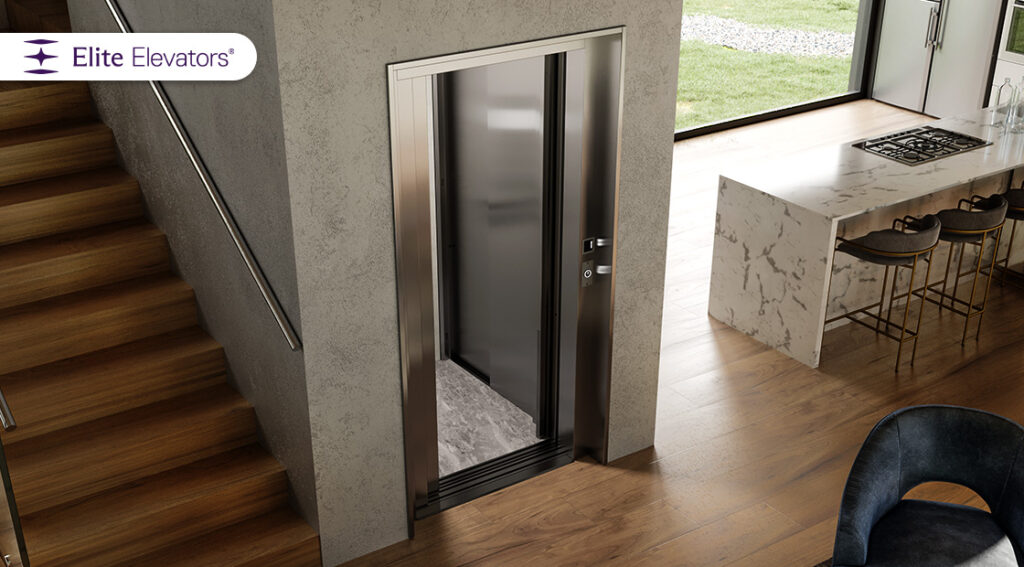
While home elevators are designed to be highly functional, they are also available in a variety of styles and designs to match the aesthetic of the home. Modern home elevators come in sleek, minimalistic designs that can enhance the overall look of a home, making them an attractive addition to any living space.

For disabled individuals, the aesthetic value of a home elevator can make the space feel more luxurious and inviting. These elevators can be designed to blend seamlessly with the home’s existing décor, offering both functionality and style. Whether you prefer a glass-walled elevator for a modern, open feel or a more traditional design that complements a classic interior, home elevators can be customized to suit any taste.

Conclusion

Home elevators are much more than a luxury addition to a home—they are a practical, life-enhancing feature that can significantly improve the quality of life for individuals with disabilities. By providing greater accessibility, independence, and safety, home elevators enable disabled individuals to move freely and confidently throughout their homes. The elimination of stairs reduces the risk of falls, while the convenience and comfort of an elevator make everyday tasks much easier to manage.

In addition to improving the living experience, home elevators also future-proof the home, ensuring that it remains accessible as mobility needs change over time. Whether you’re installing a home elevator for your own use or for a loved one with a disability, it’s an investment in both comfort and independence. With the wide range of designs available today, home elevators are not only functional but stylish, adding an elegant touch to any home while providing crucial support to those who need it most.


Ponds make the spaces we live in serene and peaceful. They are perfect for relaxation and besides they provide shelter to many different water living creatures. However, keeping water clear and free of green algae and frothy scum is a daily chore requiring time and effort. Amorphous water in your pond is an indication of several problems that if not handled may affect the overall pond ecosystem.

Cloudy or unclear pond water is a common issue. It indicates the presences of particles in the water such as algae, bacteria or organic wastes. These particles reflect light that creates a cloudy effect and reduces visibility through the water.

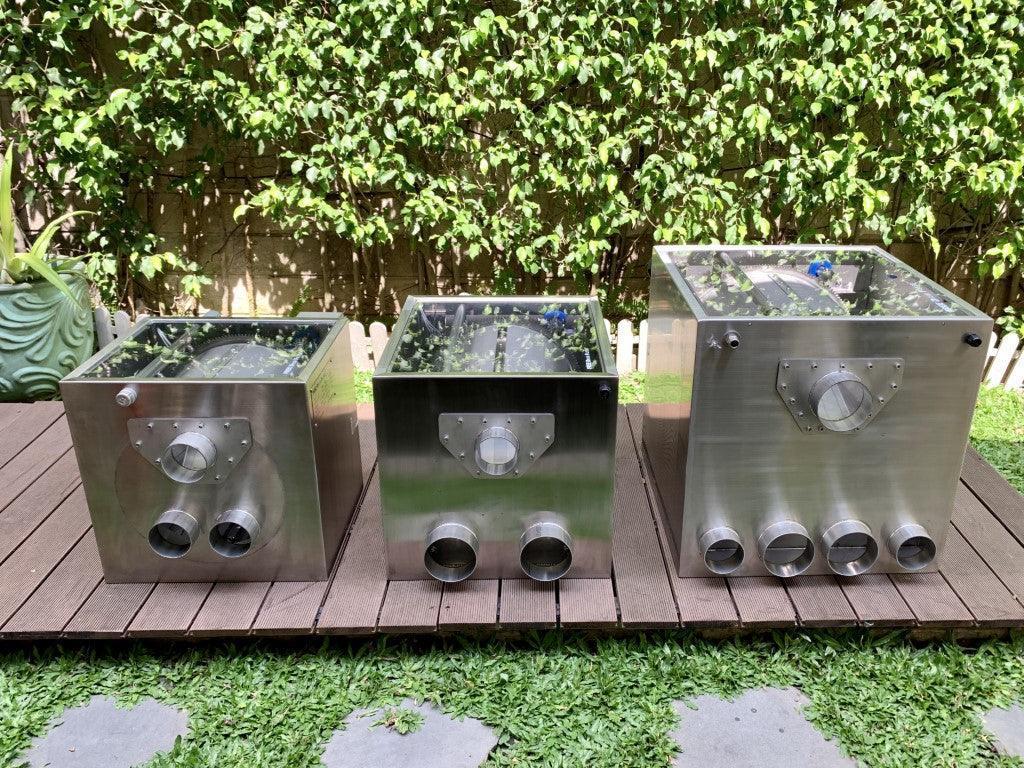
One of the many common problems might be the failure of your pond’s filtration system or koi pond drum filter. Drum filter is useful to maintain a general healthy environment of your pond. If this filter fails to perform, the pond water turns muddy or cloudy.

Therefore, it is important to maintain the pond so that there is no confusing haze in the water.

  • First check your filter system to ensure it is working properly. You have to clean the filter regularly to eliminate the clogs.
  • The second feature to check is the indicator of water acidity and its temperature. These can also influence the water transparency. It is important that you balance your pond well enough so that it can be in good condition as well as have clear water. As with any ecosystem, an imbalance in chemical content of the water may result in overgrowth of algae and phytoplankton – which causes water fog in ponds.
  • It is important to avoid feeding fish and other aquatic animals to point of over feeding. Food remains lying around make more waste and this leads to cloudy water.
  • Finally, make sure that there is sufficient amount of fresh water in the pond because there is a close connection between oxygen supply in the pond and ecosystem. For the opposite reason, that is if there is too little oxygen in water, then the growth of anaerobic bacteria leads to muddy or unclear water.

Consult professionals for the repair and other related matters like foggy water hitches and also learn how to maintain the healthy pond. The Pond Guy from Kent is a professional known for their services that include pond inspection, renovation, and maintenance. They assess your pond for specific problems and recommend changes, if any. Besides, they also check that your system is in the right order and performing the best all time.

Conclusion

Ensuring that the water in your pond is clear does not only make your fishpond look beautiful, but also supports the health of the plants and fishes surviving in it. It is advisable to respond to problems like for instance cloudy state of water without delay since this will help to avoid headaches in the future. Maintaining proper filtration system in your pond and involving expert solution providers will help in creating a proper aquatic ecosystem in the pond that adds beautify to your outdoor living spaces.

A grow tent is a specially designed enclosed space that provides an ideal environment for indoor gardening. It acts as a miniature greenhouse, allowing individuals to create a controlled environment for plants to thrive. With features like reflective interior lining, ventilation systems, and adjustable lighting, grow tents offer a customizable and efficient solution for growing plants indoors. These portable and versatile structures provide protection from external factors like pests and harsh weather conditions, allowing gardeners to cultivate a wide range of plants year-round, regardless of the outdoor climate.

Grow lights, on the other hand, are artificial lighting systems that mimic the natural sunlight required for plant growth. These lights emit a spectrum of light that supports photosynthesis, which is essential for plants to convert light energy into chemical energy and facilitate their growth. Grow lights are designed to provide the right intensity, duration, and spectrum of light necessary for different stages of plant growth, from seedlings to flowering. They are a vital component of indoor gardening, compensating for the lack of natural sunlight and enabling plants to flourish even in spaces where sunlight is limited or unreliable.

Number of LED Grow Lights for a 2×4 Grow Tent

To ensure optimal plant growth and maximize yields, the number of LED grow lights to install inside a 2×4 grow tent depends on various factors. Here are some considerations:

Light Intensity and Coverage: LED grow lights come in different wattages and coverage areas. For a small grow tent, it is recommended to have around 200-400 watts of LED lighting. This can be achieved using two 100-200 watt LED grow lights or one 400 watt LED grow light.

Plant Density and Growth Stage: The number of plants and their growth stage also impact the lighting requirements. If you have fewer plants or just starting with seedlings or clones, one LED grow light may be sufficient. However, if you have a dense canopy with mature plants, two LED grow lights spread evenly can provide more uniform light distribution.

Light Hanging Height and Adjustability: LED grow lights should be hung at an appropriate height to ensure sufficient light penetration. Consider LED lights with adjustable hanging heights or with dimming capabilities to tailor the light intensity as per the specific needs of your plants.

Remember, it’s crucial to monitor and adjust lighting conditions based on your plants’ response and growth. Regularly assess the light intensity, coverage, and health of your plants to optimize their growth and productivity inside the 2×4 grow tent.

Looking for top-quality LED grow lights and grow tents? Look no further than Spider Farmer! With a reputation for excellence, Spider Farmer offers a wide range of reliable and efficient LED grow lights and grow tents designed to meet the needs of indoor gardeners. Whether you’re a beginner or an experienced grower, Spider Farmer provides cutting-edge technology and exceptional performance to ensure healthy plant growth and abundant yields. From their energy-efficient LED lights to their sturdy and well-ventilated grow tents, Spider Farmer is a trusted choice for growers seeking optimal conditions for their plants. Elevate your indoor growing experience with Spider Farmer’s premium products today!

Conclusion

In conclusion, creating an optimal indoor growing environment is crucial for the success of your plants. By carefully considering factors such as lighting, temperature, humidity, and ventilation, you can provide the ideal conditions for healthy growth and abundant yields. Regular monitoring and adjustment of these factors based on your plants’ response and growth stage is essential. Remember to prioritize the health and well-being of your plants by regularly assessing their light intensity, coverage, and overall health. With proper care and attention to detail, you can create a thriving indoor garden that yields impressive results. Happy growing!

When your heating or cooling system isn’t functioning as it should, one of the potential culprits could be a blown thermostat fuse. If you’re a homeowner in Bedford, OH, it’s important to know where the thermostat fuse is located and how to check or replace it if necessary. Shielding the thermostat from electrical surges and short circuits is essential to the effective operation of your HVAC system. In this article, we’ll walk you through the role of the thermostat fuse in your HVAC system, where you can find it, and how you can troubleshoot the issue if the fuse is blown.

What Is A Thermostat Fuse?

Your HVAC system has a thermostat fuse sometimes referred to as a thermal fuse, as a safety feature. Its primary function is to protect the thermostat and the entire HVAC system from electrical damage caused by overheating or electrical surges. If your thermostat is exposed to excessive current or heat, the fuse will blow, cutting off the power supply to prevent further damage. This ensures that your HVAC system does not suffer from electrical shorts or fires.

Without a functioning fuse, your HVAC system might experience malfunctioning or no operation at all. If your thermostat is unresponsive or the system won’t turn on, the fuse may have blown and needs to be replaced. This is where knowing the Thermostat Fuse Location becomes essential.

complicated task

Locating The Thermostat Fuse

The thermostat fuse is typically located within the HVAC unit itself, near the control board. Depending on the specific model of your heating and cooling system, the fuse may be situated in different locations. Typically, the fuse can be found in the cabling connecting the thermostat to the HVAC system, the furnace, or the air handler.

  1. Furnace Or Air Handler

In many HVAC systems, especially older models, the thermostat fuse is located inside the furnace or air handler. You’ll typically find the fuse near the circuit board that controls the heating and cooling cycles. To access it, you’ll need to remove the outer cover of the furnace or air handler. It’s a good idea to turn off the power supply to the system before doing this to ensure safety.

Once you have access to the control board, look for a small, cylindrical or rectangular component labeled as a fuse. It may be a thermal fuse, which is designed to blow if the system gets too hot, or it could be a standard fuse that protects the wiring.

  1. Thermostat Wiring

In some cases, the thermostat fuse could be located in the wiring that connects the thermostat to the HVAC system. If you suspect this is the case, you may need to inspect the wiring carefully. A professional HVAC specialist is usually needed for this more complicated task, particularly if the fuse is located inside a wire panel or junction box.

  1. Control Board

More modern HVAC systems may have the fuse integrated into the control board of the unit. In this setup, the fuse helps protect the thermostat and other components from electrical surges. The control board is typically located inside the furnace or air handler. Accessing this area may require removing panels or covers, so it’s essential to proceed with caution.

Troubleshooting A Blown Thermostat Fuse

If your HVAC system is unresponsive, the thermostat may not be the only component to check for issues. A blown fuse is a common reason for thermostat failure. Here’s how you can troubleshoot:

  1. Turn Off Power: Before attempting any repairs, always turn off the power supply to your HVAC system to avoid electrical hazards.
  2. Locate The Fuse: Depending on your system’s design, open the furnace or air handler or follow the thermostat wiring to locate the fuse. In some cases, you might need to consult the manufacturer’s manual to find the exact location.
  3. Inspect The Fuse: Once you have located the fuse, carefully examine it. If it appears damaged, burnt, or blown, then you’ll need to replace it. Fuses are typically inexpensive and easy to find at hardware stores.
  4. Replace The Fuse: If you have identified a blown fuse, replace it with one of the same type and rating. The system may malfunction or sustain additional damage if the incorrect fuse is used.
  5. Test The System: After replacing the fuse, turn the power back on and test your thermostat. If it works properly, then you’ve successfully fixed the issue. If not, there could be other underlying issues with the HVAC system, and it may require professional attention.

When To Call A Professional?

While replacing a thermostat fuse is often a simple task, it’s important to know when to call in an HVAC technician. If you’re unable to locate the fuse or if you continue experiencing problems with your system after replacing the fuse, it could indicate a more serious electrical issue within your HVAC system. HVAC specialists have the education and experience needed to safely identify complicated problems and carry out required repairs.

In Bedford, OH, there are many experienced HVAC contractors who can assist with thermostat issues, fuse replacements, or more extensive repairs if needed. If you’re not comfortable with electrical work, it’s always a good idea to enlist professional help to ensure the job is done correctly.

Conclusion

Knowing where the thermostat fuse is located in your Bedford, OH, HVAC system can save you time and money when troubleshooting system failures. The fuse serves a critical safety function, protecting your system from electrical surges and damage. Whether it’s located in the furnace, air handler, or thermostat wiring, accessing and replacing the fuse is generally straightforward but requires caution. Never be afraid to get in touch with a qualified HVAC specialist who can identify and effectively fix the problem.