Author

James Williams

Browsing

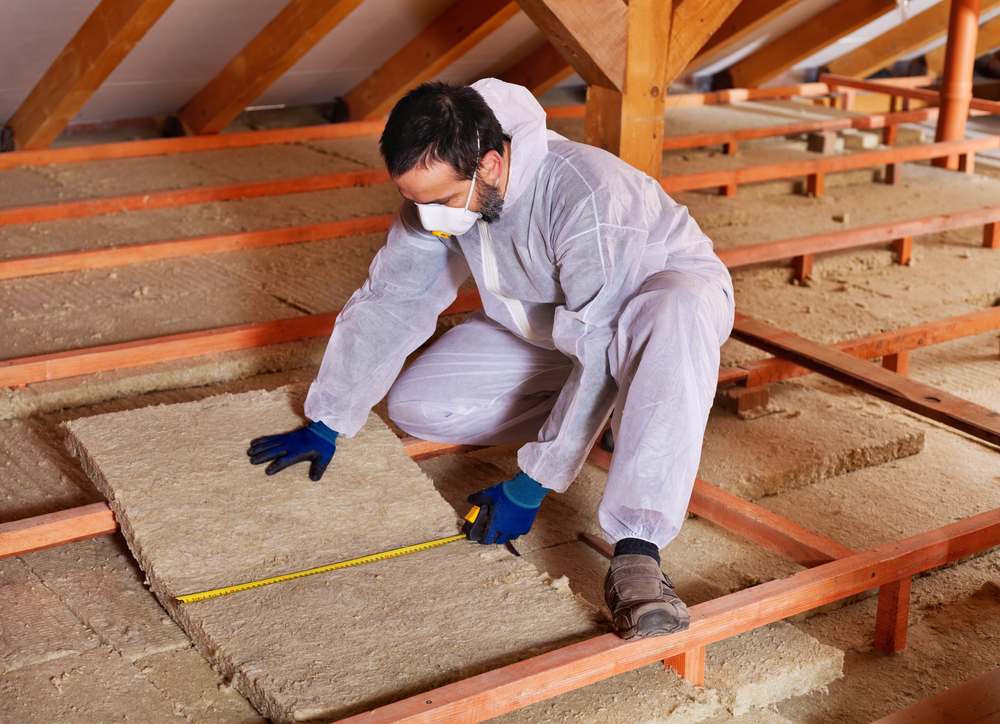
Have you ever wondered why your home doesn’t stay cool in summer or warm in winter, despite cranking up the HVAC system? The culprit might be your insulation. But which type of insulation works best – a radiant barrier or a thermal barrier? Let’s break it down so you can make an informed decision.

What’s the Difference?

A radiant barrier is like a reflective shield, bouncing heat away from your home. This type of insulation works wonders in hot climates, especially in attics where temperatures can soar. 

On the other hand, thermal barriers, like fiberglass or spray foam, trap air to slow down heat transfer. Think of it as wrapping your home in a cozy blanket that works year-round, whether it’s hot or cold outside.

Which Works Better for Your Home?

The answer depends on your climate and your home’s specific needs.

  • Radiant Barriers – If you live in a hot, sunny area, radiant barriers can reduce cooling costs by reflecting heat before it enters your home. They are most effective in attics and can cut cooling expenses by 5–10%. Plus, they are lightweight, easy to install, and require little maintenance.
  • Thermal Barriers – For colder climates, thermal barriers are the go-to choice. They trap heat inside during winter, keeping your home warm and reducing heating costs. Thermal barriers also provide added perks like soundproofing and fire resistance.

Can You Combine the Two?

Absolutely! In fact, pairing radiant barriers with thermal insulation can give you the best of both worlds. Radiant barriers keep your home cooler in the summer, while thermal insulation locks in warmth during the winter. Together, they create a more energy-efficient and comfortable home all year long.

What Factors Should You Consider?

Before choosing the right type of insulation for your home, think about – 

  • Your local climate
  • The size and construction of your home
  • Where you need insulation (e.g., attic, walls, floors)
  • Your budget for insulation

If you are unsure about what you should choose, consulting an insulation expert can help you decide which solution or combination will be perfect for your home.

The Bottom Line

Both radiant and thermal barriers have unique benefits. Your choice depends on whether you need to beat the heat, stay warm, or achieve both.

Looking to make your home more energy-efficient? Contact Service Champions today for expert advice on the best insulation services based on your requirements 
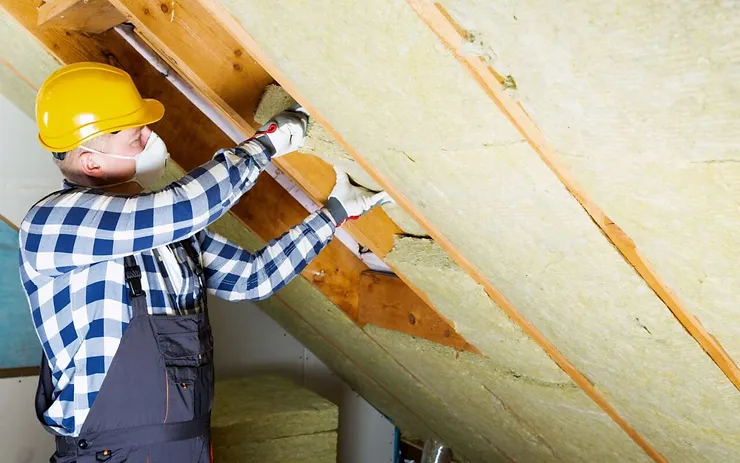
When we think about being eco-friendly, recycling or saving water often comes to mind. But did you know that good home insulation is one of the simplest ways to help the environment? 

Let’s break it down and see why upgrading or maintaining your insulation is not only great for your wallet but also for the planet.

Reduces Energy Consumption

Good insulation keeps your home cozy in the winter and cool in the summer by creating a barrier that slows the transfer of heat. This means your HVAC system doesn’t have to work as hard to maintain a comfortable temperature. 

The less energy your home uses, the less fuel is burned at power plants, which helps conserve nonrenewable resources like coal, natural gas, and oil.

In fact, over its lifetime, insulation can save more than 100 times the energy used to produce it. That’s a huge win for energy efficiency!

Cuts Greenhouse Gas Emissions

By reducing energy consumption, insulation also cuts down on greenhouse gas emissions, including carbon dioxide and nitrogen oxide, which contribute to climate change. 

Think of it like this: installing insulation in just a small percentage of homes is the equivalent of planting millions of acres of trees!

This means that insulating your home isn’t just about personal comfort—it’s an actionable way to make your home greener.

Prevents Waste with Recycled Materials

Many insulation products are made from recycled materials, which helps reduce waste and saves natural resources. For example –

  • Fiberglass insulation often contains up to 60% recycled glass.
  • Mineral wool insulation uses blast furnace slag, a byproduct of steel production, with some products containing up to 75% recycled content.
  • Cellulose insulation is primarily made from recycled paper, with an impressive recycled content of 80% or more.

By choosing home insulation with recycled content, you are giving these materials a second life and keeping them out of landfills.

Reduces Pollution

Using less energy means producing less pollution. Good insulation minimizes the release of harmful pollutants like sulfur oxides and nitrogen oxides, which can harm ecosystems and reduce air quality.

A Greener Future Starts at Home

Improving your home’s insulation is a small step with big benefits for the environment. From reducing energy use and greenhouse gases to supporting recycling efforts, good insulation is a sustainable choice that makes your home eco-friendly and more efficient.

Want to make your home more energy-efficient and eco-friendly? Call Bell Brothers today to explore insulation services that are good for your home and the planet!


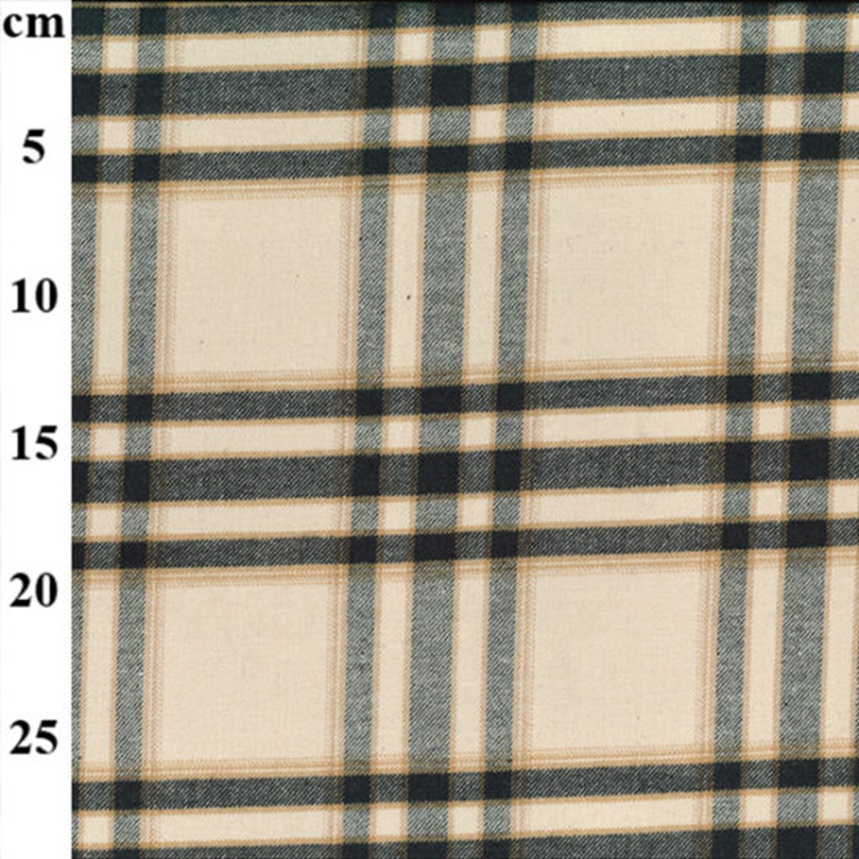
When it comes to selecting the perfect fabric for dressmaking, cotton dress fabric consistently stands out as a firm favourite. Known for its versatility, comfort, and aesthetic appeal, cotton has been a staple in wardrobes for centuries. Whether you’re a seasoned dressmaker or a beginner, cotton dress fabric offers an ideal blend of style and practicality.

Why Choose Cotton Dress Fabric?

Cotton dress fabrics are made from natural fibres, making them breathable, durable, and soft to the touch. These qualities are why cotton is often the first choice for crafting garments that are comfortable and long-lasting. Let’s explore some of the standout features:

  • Breathability: Perfect for both summer and layering in cooler seasons, cotton allows air to circulate, keeping the wearer cool and comfortable.
  • Ease of Sewing: Cotton is beginner-friendly, thanks to its stability and forgiving nature. It doesn’t slip or fray excessively, making it an excellent choice for first-time projects.
  • Versatility: Available in countless weaves, prints, and colours, cotton dress fabrics can be used to create everything from casual dresses to more structured garments.

Styling with Cotton

One of the best things about cotton dress fabric is how easily it can adapt to any design vision. Want a breezy summer dress with floral patterns? Cotton can deliver. Looking for a bold, geometric look for a modern outfit? Cotton’s wide array of prints has you covered. It’s a fabric that works as beautifully with traditional styles as it does with contemporary fashion trends.

A Sustainable Choice

With sustainability becoming an ever-more important consideration, cotton remains a popular eco-conscious choice. Many cotton dress fabrics are produced with an emphasis on sustainability, ensuring minimal environmental impact. Choosing cotton is not only good for your wardrobe but also for the planet.

Find Your Perfect Cotton Dress Fabric

If you’re looking for high-quality cotton dress fabrics in the UK, at Remnant House Fabric you can buy fabric online, they offer a stunning collection to suit all tastes and projects. From timeless plains to vibrant patterns, their range ensures that every dressmaker finds exactly what they’re looking for.

Whether you’re sewing for casual occasions, formal events, or anything in between, cotton dress fabric is a reliable choice. Start your next dressmaking adventure with this incredible fabric and create something truly unique!


Navigating the world of real estate can be a daunting task, whether you’re buying or selling. The property market is complex, with a range of services available to guide you through the process. Leveraging professional services not only simplifies the experience but can also help ensure you make the right choices, whether you are looking for your dream home or preparing to sell your property for the best price.

Apartment Housing Locators: Your Guide to Finding the Perfect Rental

When searching for a rental property, apartment housing locators can be invaluable. These professionals specialize in matching individuals or families with available apartments that meet their specific criteria. Whether you’re looking for a short-term lease or a long-term residence, apartment housing locators have an extensive network of listings and insider knowledge that can save you time and effort. They take into account factors such as location, budget, amenities, and your personal preferences, helping to streamline the search for your next apartment.

Seller’s Agent: Expertise in Pricing and Negotiation

Property Search

When selling a property, working with a seller’s agent is essential for ensuring you get the best value for your home. A sellers agent brings expertise in pricing your property correctly, which is crucial in a competitive market. They conduct a thorough market analysis, consider comparable sales, and assess the condition of your property to recommend an ideal asking price. Additionally, they handle negotiations with potential buyers, ensuring that you get the best possible offer while navigating any counteroffers or contract terms.

Real Estate Agents: Broad Market Access and Support

Real estate agents are an indispensable resource for both buyers and sellers. They have access to a wide range of property listings, including some that may not be publicly advertised. For buyers, a real estate agent can save time by narrowing down options based on your criteria, offering advice on neighborhoods, and helping you navigate the intricacies of the buying process. On the selling side, real estate agents handle marketing, open houses, and the negotiation process, freeing you from the details and ensuring a smooth transaction.

Mortgage Brokers: Simplifying Financing Options

A mortgage broker plays a crucial role for buyers, helping you secure financing for your property purchase. These professionals work with multiple lenders to find the best mortgage rates and terms based on your financial situation. Whether you’re a first-time homebuyer or looking to refinance, a mortgage broker can save you time and money by offering access to a variety of loan products, ensuring that you find the one best suited for your needs.

Property Inspectors: Ensuring Quality and Peace of Mind

Before purchasing a property, hiring a property inspector is an essential step in ensuring you are making a sound investment. A property inspector examines the condition of the home, identifying potential issues such as structural damage, plumbing or electrical problems, and other hidden concerns. This information can give you peace of mind and help you negotiate repairs or price adjustments with the seller before closing the deal.

Closing Agents: Facilitating Smooth Transactions

Once you’ve found the right property or a buyer for your home, the final step is the closing process. A closing agent, also known as a title agent or escrow officer, facilitates the transaction. They ensure all necessary documents are in order, help with the transfer of funds, and manage the disbursement of payments. Their job is to ensure that the closing process goes smoothly, and they help you navigate the legal paperwork involved in the sale or purchase of property.

Conclusion

Streamlining your property search and sale is no easy task, but with the help of professional services, it becomes a much more manageable process. Apartment housing locators, seller’s agents, real estate agents, mortgage brokers, property inspectors, and closing agents all play essential roles in guiding you through each step. By working with these professionals, you gain access to their expertise, saving time and effort while ensuring a smoother, more successful real estate transaction. Whether you’re buying or selling, these services help simplify the journey, giving you the confidence to make informed decisions.