
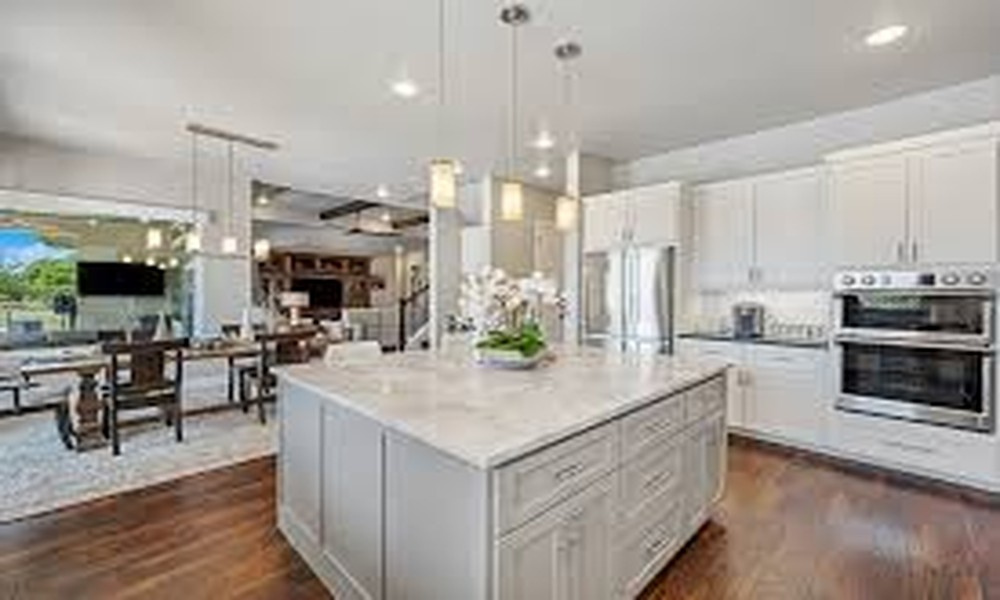
Homes in premium markets usually have different buying and selling “rules”. Here, comparable sales don’t tell the full story, timing feels unpredictable and sometimes you may wonder why one extraordinary home moves quietly at record numbers while another sits, untouched, despite looking flawless on paper. Luckily, High Value Ultra Luxury Real Estate on the French Riviera has several homes that you can buy to settle in or sell. But before you make such a decision, you need to understand why they perform differently in premium markets. Keep reading to find why.
1. They’re Scarce
At the ultra-luxury level, nobody is buying because they need a roof over their head. You’re dealing with buyers who already have options, often many of them. So what moves the needle? Scarcity. Not manufactured scarcity. Real, undeniable, “you’ll never see this exact thing again” type of scarcity.
You see it play out all the time. Two properties may have similar square footage, similar finishes, even similar price tags. But one has a protected sea view that can never be built out. Or historical provenance that can’t be recreated. Or architectural details tied to a specific era, architect, or location that simply no longer exists. That’s the home that performs differently. Because it’s not competing on features: it’s competing on irreplaceability.
2. Ultra-Wealthy Buyers Aren’t Market-Dependent
Here’s a question worth asking: If you’re a buyer, how sensitive are you to interest rates, inflation headlines, or short-term market cycles? In premium markets, the answer is often . . . not very. Ultra-luxury buyers tend to be insulated from the pressures that slow down mainstream real estate. They’re buying with liquidity, not leverage. With strategy, not urgency.
That changes everything. While broader markets may cool, ultra-luxury properties can remain surprisingly resilient, or even appreciate, because the buyer pool isn’t reacting to the same triggers. These buyers are thinking globally. They’re reallocating assets, hedging currencies, or securing legacy properties. To them, a home is a store of value, a lifestyle anchor, or a generational move.
You know what’s interesting? Sometimes uncertainty can accelerate ultra-luxury activity. When markets feel unstable, tangible assets in prestigious locations feel safer. So while volume drops elsewhere, premium homes in elite markets quietly continue trading, often off-market, often without noise.
3. Their Pricing Isn’t Mathematical but Psychological
This might be the most misunderstood part of ultra-luxury performance. Pricing at this level isn’t about hitting the “right” number. It’s about sending the right signal. And those two things aren’t always the same.
In premium markets, price communicates status, confidence, and positioning. Set it too low and buyers start asking uncomfortable questions. What’s wrong with it? Why is it discounted? Is there urgency? Set it too high without justification, and you lose credibility. But when pricing aligns with narrative, rarity, and presentation, something interesting happens. Buyers lean in instead of negotiating down.
And here’s the part people don’t always say out loud: ultra-wealthy buyers often expect resistance. They expect exclusivity. A property that feels too accessible doesn’t carry the same emotional weight. That’s why ultra-luxury homes can sometimes perform better at prices that would stall a conventional listing.
Summing Up
Ultra-luxury homes don’t play by the same rules because they exist in a different ecosystem altogether. Scarcity outweighs features. Psychology outweighs math. Privacy outweighs promotion. And timing follows people and not markets. When you understand these dynamics, you’ll stop asking why ultra-luxury homes behave differently. Good luck in your home buying or selling journey.

Comments are closed.