

Archive

2024

Browsing

Welcome to our latest blog post, where we delve into the world of interior design and explore the transformative power of accent walls. If you’re looking to add personality and visual interest to your home, accent walls are a fantastic way to achieve that wow factor without overwhelming your space. From bold colours to textured finishes, let’s dive into Accent Walls 101 and discover how strategic house painting in Melbourne can elevate your interior design game.

Choosing the Perfect Wall:

The first step in creating a stunning accent wall is selecting the right wall to highlight. Think about the layout of your room and consider which wall naturally draws the eye or serves as a focal point. This point could be the wall behind your bed in the bedroom, the wall opposite the entryway in the living room, or even a recessed wall in the dining area. By strategically choosing the perfect fence, you can instantly add depth and dimension to your space.

Colour Psychology: 

Once you’ve identified your accent wall, it’s time to choose the perfect colour. Colour psychology plays a significant role in interior design, as different hues can evoke different emotions and moods. For example, warm tones like reds and oranges can create a cozy and inviting atmosphere, perfect for living rooms or dining areas. On the other hand, cool tones like blues and greens can promote relaxation and tranquillity, making them ideal for bedrooms or home offices. Consider the mood you want to achieve in each room and select a colour that reflects that vision.

Bold Statements:

If you’re feeling adventurous, don’t be afraid to go bold with your accent wall. Vibrant colours like deep blues, rich purples, or daring yellows can make a dramatic statement and infuse your space with personality. Experiment with different shades and hues to find the perfect balance between impact and harmony. Remember, an accent wall is meant to stand out, so don’t shy away from bold choices that reflect your unique style and taste.

Texture and Patterns: 

In addition to colour, texture and patterns can also play a key role in creating dynamic accent walls. Interior house painters in Melbourne must consider using wallpaper, stencils, or textured paint techniques to add depth and visual interest to your chosen wall. Whether it’s a subtle geometric pattern, a faux brick finish, or a whimsical mural, incorporating texture and patterns can take your accent wall to the next level and make it a true focal point of your room.

Strategic Placement: 

Accent walls aren’t just for adding colour or texture—they can also be used to highlight architectural features and design elements within your home. For example, painting an accent wall behind a built-in bookcase or fireplace can draw attention to these focal points and make them stand out even more. Similarly, accentuating a wall with architectural details like crown moulding or wainscoting can create a sense of elegance and sophistication.

Lighting Considerations: 

Don’t forget to consider lighting when designing your accent wall. Proper lighting can enhance the impact of your accent wall and bring out its full potential. Natural light can highlight the colour and texture of your wall during the day, while strategically placed lighting fixtures can create drama and ambience in the evening. Experiment with different lighting options to find the perfect balance that showcases your accent wall in its best light.

Furniture Arrangement:

When planning your accent wall, consider how it will interact with your furniture arrangement. Ensure that the colours and patterns of your accent wall complement your existing furnishings and decor elements. You can use your accent wall to tie together different pieces of furniture or to create a focal point that anchors the room’s design. By harmonizing your accent wall with your furniture arrangement, you can make a cohesive and inviting space that feels well-balanced and thoughtfully curated.

DIY vs. Professional: 

While painting an accent wall can be a fun and rewarding DIY project, sometimes it’s best to leave it to the professionals. If you’re not confident in your painting skills or if you’re tackling a complex design, hiring a professional interior house painter in Melbournecan ensure a flawless result. Professional painters have the expertise, tools, and experience to execute intricate designs and achieve professional-quality finishes. Plus, they can save you time and effort, allowing you to sit back, relax, and enjoy your newly transformed space.

Additional Tips:

  • Incorporate natural elements such as wood or stone accents to complement your accent wall and add warmth and texture to your space.
  • Consider using metallic paints or finishes to add a touch of glamour and sophistication to your accent wall.
  • Don’t be afraid to experiment with different paint application techniques, such as ombre or sponge painting, to create unique and eye-catching effects.
  • Use your accent wall to showcase artwork, photographs, or decorative items that reflect your style and interests.
  • Regularly update your accent wall to keep your space feeling fresh and dynamic, whether it’s with a new colour, pattern, or texture.
  • Explore the concept of “floating” accent walls, where the colour extends onto the ceiling or adjacent walls, creating a seamless and cohesive look throughout the room.

Conclusion: Transform Your Space with Accent Walls

 In conclusion, accent walls are a fantastic way to elevate your interior design and infuse your home with personality and style. By strategically choosing the perfect wall and making the right choice between DIY and professional painting, you can create a stunning focal point that transforms your space. So go ahead, unleash your creativity, and let your accent walls take centre stage in your home’s design story.
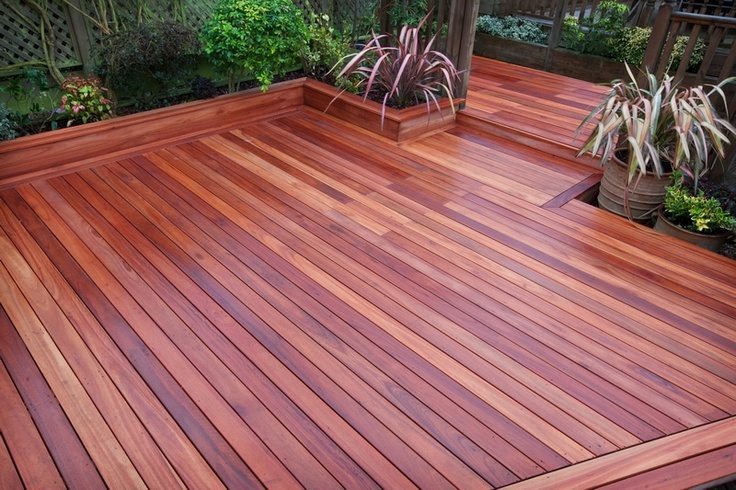

When it comes to improving your outside space, a few modifications can match the attractiveness and adaptability of a timber decking surface. An effective timber deck becomes an attraction for entertainment, relaxing, and creating pleasant recollections with friends and family, in addition to its essential purpose. Let’s journey together to discover how timber decking can become an unparalleled entertaining space, making every occasion a lasting memory.

Design for Entertainment 

The first step toward constructing the ideal outdoor entertainment area is careful planning. Examine the structure of your timber flooring in Melbourne and how it might support various events and activities. Consider designing separate zones for dining, relaxing, and interacting, allowing guests to move while keeping a relaxed ambience. 

When designing your deck’s arrangement, consider traffic movement, availability to utilities like barbecues or outdoor kitchens, and observing for conversation places. Create appealing settings that promote socializing and leisure by intelligently placing furniture and devices.

Furnishing Your Oasis 

Once you’ve decided on the arrangement of your entertainment area, it’s time to find the ideal furniture that will bring your ideas to life. Select outdoor furniture that combines elegance and resilience, using elements that can survive harsh weather while accentuating the organic appeal of your timber deck. 

Consider investing in comfortable choices for seating, such as lounge chairs, couches, and dining sets, to ensure guests have enough space to relax and decompress. Add comfortable accents like outdoor carpets, toss mattresses, and quilts to create an inviting environment that encourages conversations that last well into the night.

Entertainment Characteristics 

Every outdoor entertainment space includes a few unique additions that enhance the overall experience. Whether you enjoy cooking, listening to music, or stargazing, there are numerous ways to personalize your timber deck to reflect your hobbies and interests. 

Consider including a barbecue or grill station in your deck for individuals who like cooking and entertaining outside. Built-in grills, countertops, and cabinets allow you to create beautiful meals great for bulking without leaving the party.

If music creates the tone for your meetings, why not add outdoor speakers or an audio system to improve the atmosphere? With Bluetooth connectivity and waterproof speakers, you can create an effortless audio environment that elevates each moment.

Consider installing a fire station or outdoor fireplace on your timber deck for stargazers and nature lovers. A fire element provides lighting and comfort on cool evenings and serves as a focus point for outdoor gatherings and storytelling.

Lighting and Ambiance 

As the sun goes down and dusk begins, the correct lighting may convert your timber deck into a lovely retreat. Use a combination of ambient, task, and accent lights to add dimension and richness while increasing visibility and security. 

String lights, lanterns, and torches offer a unique element to your outdoor space, producing a soothing glow that entices visitors to stay long after dusk. For additional drama, put LED strip lighting or concealed lamps along steps, staircases, and walkways to establish an elegant mood that showcases the splendour of your wood deck.

Shade and Shelter Solutions 

Consider including shade and shelter options in your timber deck layout to provide a pleasant experience irrespective of the weather. Pergolas, awnings, and adjustable canopies offer shade from the sun’s beams throughout the day while making a warm sanctuary during light rain or cool evenings. These constructions add aesthetic appeal to your deck and increase its functionality throughout the year, letting you party outside all year.

Outdoor Dining Experiences

Creating a designated dining space on your timber deck will enhance your outdoor dining experience. Select a robust and beautiful dining set that can easily seat your guests while also matching the design of your deck. Consider installing a built-in bar countertop or serving station to improve comfort while hosting meals or events. Enhance the environment with table linens, dinnerware, and floral designs that indicate your particular style and set the tone for unforgettable outdoor dining occasions.

Greenery and Landscaping

Integrating greenery and landscaping elements into your timber deck design creates a lush and inviting outdoor oasis. Incorporate planter boxes, hanging baskets, or vertical gardens filled with colourful flowers, aromatic herbs, or verdant foliage to add beauty and character to your deck space. Create natural privacy screens with strategically placed shrubs or trellises adorned with climbing vines to enhance seclusion and tranquillity. Embrace the therapeutic benefits of nature by surrounding yourself with lush greenery that soothes the senses and fosters a deeper connection to the outdoors.

Water Features and Relaxation Zones

Transform your timber decking into a sanctuary for relaxation and rejuvenation by incorporating water features and dedicated relaxation zones. Add a soothing fountain, bubbling spa, or tranquil pond to create a sense of serenity and calm. Design cozy seating areas furnished with plush cushions, hammocks, or swinging chairs where you can unwind and recharge amidst the gentle sounds of nature. Encourage mindfulness and contemplation with elements like meditation gardens, zen rock gardens, or reflection ponds that invite moments of introspection and self-discovery.

Interactive and Playful Elements

Infuse your timber deck with interactive and playful elements that appeal to guests of all ages and interests. Install a backyard games area with options like cornhole, bocce ball, or giant Jenga for friendly competitions and laughter-filled moments. Create a designated play space for children with features like a sandbox, swing set, or playhouse that sparks imagination and encourages outdoor play. Incorporate amenities like a hot tub, outdoor shower, or plunge pool for refreshing dips and relaxation on hot summer days.

Building Memories 

Finally, the true enchantment of a timber deck entertainment zone is found in the recollections made within its confines. Whether you’re organizing summer barbecues, elegant dinner parties, or spontaneous reunions with loved ones, your deck serves as the background for endless moments of joy, laughter, and connectivity. 

When making your timber flooring in Melbourne into the ultimate entertainment zone, try to infuse it with your distinct style and individuality. With careful preparation, imaginative design, and a dash of creativity, you may develop an environment where every meeting seems like an important event and each experience becomes a treasured memory.

Maintaining the longevity and appeal of your driveway is vital for both aesthetic and practical reasons. Among the various maintenance tasks, asphalt resealing stands out as a crucial step in preserving the integrity of your driveway.

In this comprehensive guide, we delve into the importance of driveway asphalt resealing and provide a detailed walkthrough of the process, ensuring your driveway remains durable and visually pleasing for years to come.

Importance of Driveway Asphalt Resealing:

Before diving into the intricacies of the resealing process, it’s essential to understand why it’s necessary. Over time, exposure to harsh weather conditions, UV rays, and vehicular traffic can deteriorate the surface of asphalt driveways, leading to cracks, potholes, and overall degradation.

Asphalt resealing acts as a protective barrier, shielding the pavement from these elements and extending its lifespan significantly.

Assessing the Condition of Your Driveway:

Before embarking on the resealing journey, a thorough assessment of your driveway’s condition is imperative. Inspect the surface for any existing cracks, potholes, or areas of wear and tear. Additionally, consider factors such as drainage patterns and the presence of oil stains, as these can impact the effectiveness of the resealing process.

Preparing for Resealing:

Proper preparation is key to ensuring the success of the resealing endeavor. Begin by cleaning the surface thoroughly, and removing any debris, dirt, or vegetation that may have accumulated. Utilize a pressure washer for optimal results, ensuring a clean and smooth surface for the sealant to adhere to.

Additionally, fill in any cracks or potholes with a suitable filler material, ensuring a level surface across the entire driveway.

Introduction to BOMA Calculations:

BOMA calcs, or Building Owners and Managers Association calculations, are industry-standard methods used to measure and evaluate various aspects of commercial real estate properties.

These calculations provide essential data for property managers, owners, and tenants to make informed decisions regarding space utilization, operating costs, and overall building efficiency.

Gross Area Calculation:

The Gross Area calculation encompasses the total floor area within the building’s perimeter walls, including all interior spaces such as lobbies, corridors, stairwells, and mechanical rooms. It is a fundamental measure used to determine the overall size and scope of a property.

Rentable Area Calculation:

Rentable Area, also known as Net Rentable Area, refers to the space within a building that is available for lease to tenants. This calculation excludes areas such as common areas, mechanical rooms, and vertical penetrations. Rentable Area is a crucial metric for both landlords and tenants, as it directly impacts leasing agreements and rental rates.

Efficiency Ratio Calculation:

The Efficiency Ratio, also known as the Load Factor or Common Area Factor, compares the Rentable Area to the Usable Area within a building. This calculation helps assess the efficiency of space utilization and distribution, providing valuable insights for property managers and tenants alike.

Conclusion:

Driveway asphalt resealing is a vital maintenance task that should not be overlooked. By taking proactive measures to protect and preserve your driveway, you can ensure its longevity and sustainability for years to come.

Whether you’re looking to enhance the curb appeal of your property or simply prolong the lifespan of your driveway, resealing is a cost-effective solution that yields significant returns in terms of both aesthetics and functionality.

BOMA calculations serve as invaluable tools for evaluating and managing commercial real estate properties effectively.

By understanding and utilizing these calculations, stakeholders can optimize space utilization, streamline operations, and maximize the value of their investments.

Embarking on the journey to build a dream pool in your backyard is an exciting endeavor. However, amidst the anticipation of lounging by the water and hosting memorable gatherings, there lies a crucial step: obtaining pool permits. Navigating the intricate process of securing permits can be daunting, but fear not! In this comprehensive guide, we delve into the world of pool permits services, elucidating their significance, the steps involved, and expert tips to streamline the process.

Understanding Pool Permits:

Before diving into the specifics of pool permits services, it’s essential to grasp their significance. Pool permits serve as official approval from local authorities, ensuring that your pool complies with safety standards, zoning regulations, and building codes. While the requirements may vary depending on your location, obtaining permits is universally mandated to safeguard the well-being of swimmers and maintain the integrity of your property.

The Process Unveiled:

Securing pool permits involves navigating a series of steps, each crucial to the overall success of your project. Here’s a breakdown of the typical process:

  1. Research Local Regulations: Begin by familiarizing yourself with the pool regulations and building codes specific to your area. Contact your local municipal office or visit their website to access pertinent information regarding permit requirements, zoning ordinances, setback regulations, and safety guidelines.
  1. Design and Documentation: Collaborate with a reputable pool contractor or designer to create detailed plans for your pool project. These plans should encompass the pool’s dimensions, materials, safety features, fencing specifications, and drainage systems. Compile all necessary documentation, including site surveys, engineering reports, and construction drawings, to support your permit application.
  1. Submit Permit Application: Armed with comprehensive documentation, submit your permit application to the relevant authorities. Ensure that the application is accurately completed and includes all requisite information. Be prepared to pay applicable fees, which may vary depending on the scope of your project and your locality’s fee structure.
  1. Review and Approval Process: Upon receipt of your application, the permitting authority will conduct a thorough review to assess compliance with regulatory standards. This process may involve multiple departments, such as building, zoning, health, and safety. Any discrepancies or deficiencies identified during the review will necessitate revisions or additional documentation.
  1. Inspections: Following approval of your permit, periodic inspections will be conducted throughout the construction process to verify adherence to approved plans and regulations. These inspections typically encompass structural integrity, electrical wiring, plumbing systems, and safety barriers. Cooperate closely with inspectors and promptly address any issues or concerns raised during inspections.

Expert Tips for Streamlining the Process:

Navigating the labyrinth of pool permits services can be expedited by implementing the following expert tips:

  1. Partner with Professionals: Collaborate with experienced pool contractors, designers, and permit expeditors who possess intimate knowledge of local regulations and procedures. Their expertise can streamline the permit acquisition process and mitigate potential delays.
  1. Plan Ahead: Initiate the permit application process well in advance of your desired construction timeline. Anticipate potential delays due to administrative processing, regulatory reviews, or seasonal fluctuations in permit issuance.
  1. Communicate Effectively: Maintain open lines of communication with permitting authorities throughout the process. Proactively address any inquiries or requests for additional information to expedite the review and approval process.
  1. Stay Informed: Remain abreast of any updates or revisions to local building codes, zoning ordinances, or permitting procedures that may impact your project. Subscribe to newsletters, attend informational seminars, or consult with industry professionals to stay informed.

Securing pool permits is a vital precursor to transforming your vision of a backyard oasis into a tangible reality. By understanding the significance of permits, navigating the requisite steps, and implementing expert tips, you can streamline the process and embark on your pool construction journey with confidence. Remember, diligence and attention to detail are paramount in ensuring regulatory compliance and the safety of your future aquatic haven. So, dive in and navigate the waters of pool permits services with finesse!