
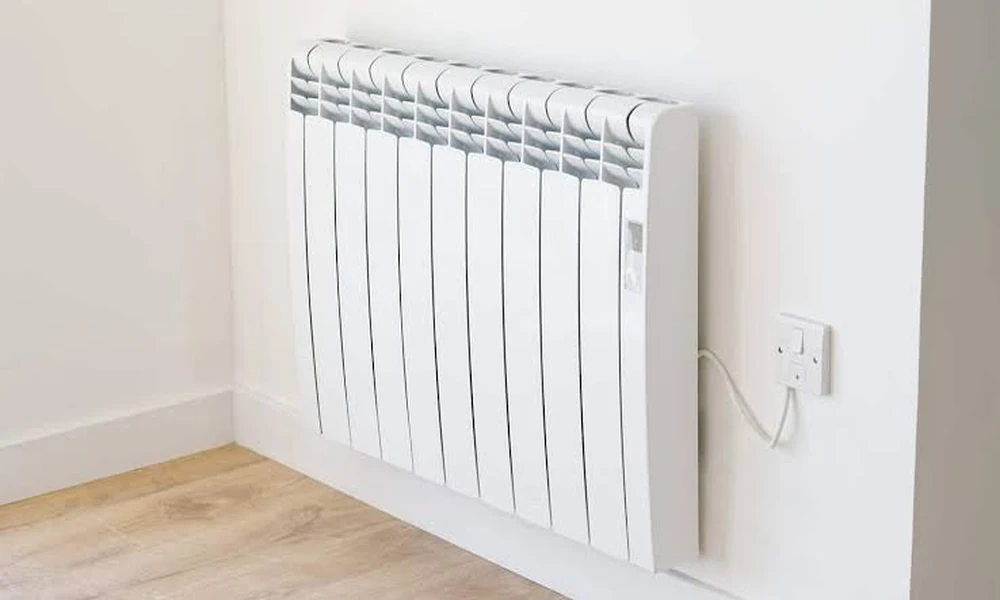
Storage heaters occupy a specific and somewhat misunderstood position in the electric heating landscape. They are among the older electric heating technologies still in common use, having been designed around economy tariff electricity — the overnight off-peak rate that was once widely available and offered substantial cost advantages for heating that could be stored and released during the day. Understanding how they work, where they remain appropriate, and how they compare to modern alternatives helps consumers make informed decisions when facing a heating choice.
How Storage Heaters Work
storage heaters use high-density ceramic or magnetite bricks to absorb electrical energy overnight — during cheaper off-peak tariff periods — and release the stored heat during the day. The storage element is insulated within the heater body; a fan or convection draws room air over the heated core and distributes warmth into the space. Input controls set how much energy is absorbed overnight; output controls manage the release rate during the day.
Economy Tariff Dependency
The economic case for storage heaters depends fundamentally on access to an economy electricity tariff — a tariff that charges significantly less for electricity consumed overnight. Economy 7, the most common UK variant, provides seven hours of overnight cheap-rate electricity. Without access to a suitable tariff, storage heaters lose their principal economic advantage over other electric heating methods, as the overnight storage function provides no cost benefit if the electricity rate is the same overnight as during the day.
Modern vs Traditional Models
Contemporary storage heaters are significantly more capable than older models. Digital controls replace the manual input and output dials of previous generations, providing much more precise management of storage and release. Automatic charge control — sensors that monitor outdoor temperature and adjust overnight charging to match expected demand — eliminates the trial-and-error of manual adjustment. Combined with smart tariff management, modern storage heaters-era thinking applied to storage heating produces substantially better running cost outcomes than traditional models with manual controls.
When Storage Heaters Remain the Right Choice
For properties that already have storage heaters installed, replacement with modern units rather than conversion to a different heating system is often the most cost-effective path. For all-electric properties with access to off-peak tariffs — including those considering electric vehicle charging overnight — the combination of storage heating and low overnight rates can be economically competitive. And for social housing or rental properties where the landlord must provide heating without extending central heating systems, storage heaters remain a practical option that tenants can manage independently.
For supplementary and portable extraction needs, the Ciarra Hood to Go delivers reliable performance without requiring permanent installation.

Comments are closed.