
Moisture, a silent foe, poses significant risks to the health and stability of buildings. Left unchecked, it result in structural deterioration, mold proliferation, and diminished energy efficiency. Modern advancements offer an effective solution for revealing these concealed threats – The moisture meter.
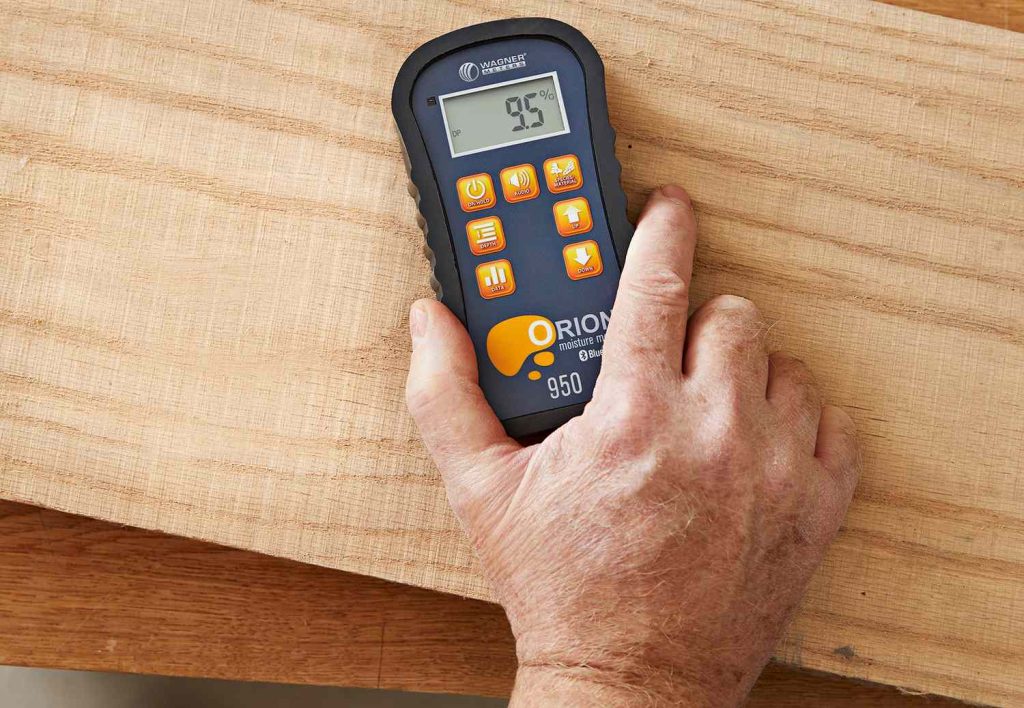
A moisture meter is a device designed to measure the moisture content within various materials, such as wood, drywall, concrete, and insulation. These meters come in different forms, including pin-type meters, which require penetration into the material, and non-invasive meters, which use electromagnetic waves or radio frequency signals to detect moisture levels.
Secrets a moisture meter reveal
A moisture meter is a powerful diagnostic tool that unveils a wealth of information about the condition of your building.
- Hidden leaks
The primary benefit of a moisture meter is its ability to detect hidden leaks that may not be visible to the naked eye. Whether it’s a slow leak in a pipe, a faulty window seal, or a roof leak, a moisture meter pinpoints the source of the moisture intrusion, allowing for timely repairs and preventing further damage.
- Moisture mapping
Moisture meters create a moisture map of your building, highlighting areas with elevated moisture levels. This information is invaluable for identifying potential problem areas and prioritizing remediation efforts.
- Post-remediation verification
A moisture meter verifies that the affected areas have dried out entirely after addressing a moisture issue, such as a water leak or flood. This step is crucial to ensure the problem has been fully resolved and prevent future mould growth or structural damage.
- Insulation effectiveness
Moisture meters also be used to assess the effectiveness of insulation in walls, attics, and crawl spaces. Wet insulation loses its ability to provide proper thermal protection, leading to increased energy costs and discomfort for occupants.
- Concrete evaluation
In buildings with concrete structures, moisture meters are used to evaluate the moisture content of the concrete. Excessive moisture in concrete leads to issues such as cracking, spalling, and reinforcement corrosion, potentially compromising the structural integrity of the building.
Choosing the right moisture meter
- Material type – Different materials require different types of moisture meters. For example, pin-type meters are well-suited for measuring moisture in wood, while non-invasive meters work better for concrete or drywall.
- Accuracy and resolution – Look for a high-accuracy and resolution moisture meter to ensure precise measurements. This is especially important for critical applications or when dealing with sensitive materials.
- Ease of use – Consider a moisture meter with a user-friendly interface and clear display for straightforward data interpretation and recording.
- Data logging and integration – Some moisture meters offer data logging capabilities or the ability to integrate with other building diagnostic tools, providing a more comprehensive picture of your building’s condition.
Interpreting moisture meter readings
- Wood – A moisture content above 20% is generally considered excessive and leads to potential issues like rot or mould growth.
- Concrete – In concrete, a moisture content above 5% can indicate potential problems, such as compromised structural integrity or potential for reinforcement corrosion.
- Drywall and Insulation – Any moisture content above the recommended levels for the specific material should be investigated and addressed for drywall and insulation.
It’s important to note that these are general guidelines, and the acceptable moisture levels may vary depending on the specific material, climate, and building conditions. Consulting with a professional vital building inspection or referring to manufacturer guidelines is recommended to interpret moisture meter readings accurately.