Archive

2023

Browsing

As technology continues to reshape the way we shop, buy ceiling fans online has become a convenient and efficient way to enhance the comfort of our homes. However, with the plethora of options available, it’s essential to navigate the virtual marketplace wisely. This ultimate guide will equip you with tips and tricks to make informed decisions when purchasing ceiling fans online.

Measure Twice, Click Once: 

Before delving into the world of online ceiling fan shopping, take accurate measurements of your room. Consider both the square footage and ceiling height. This information will guide you in choosing the right size and airflow capacity for optimal performance.

Style Matters: 

Ceiling fans are not only functional but also contribute to the aesthetics of your space. Explore different styles that complement your interior design – from sleek and modern to classic or rustic. Online platforms offer a wide array of designs, ensuring there’s a perfect match for every taste.

Energy Efficiency: 

In an era where sustainability is paramount, opt for energy-efficient ceiling fans. Look for the ENERGY STAR label and check the Energy Information label for details on consumption. Investing in an energy-efficient fan not only benefits the environment but also saves you money in the long run.

Understanding the Basics: 

Familiarise yourself with the basic components of a ceiling fan. Learn about blade pitch, motor power, and the significance of reversible functionality. The pitch of the blades affects airflow, while a powerful motor ensures longevity and efficient performance. Reversible fans are versatile, providing both cooling and heating options.

Noise Levels: 

The last thing you want is a noisy ceiling fan disrupting the tranquility of your home. Online reviews and product descriptions often provide insights into the noise levels of different models. Look for fans with quiet motors, ensuring a peaceful and comfortable environment.

Smart Features: 

Embrace the era of smart technology by considering fans with additional features. Remote controls, adjustable speeds, and integration with smart home systems enhance convenience. Some advanced models even come with temperature sensors and adaptive speed settings, providing a seamless and automated cooling experience.

Check Customer Reviews: 

Harness the power of collective wisdom by reading customer reviews. Real-world experiences shared by other buyers can provide valuable insights into the performance, durability, and ease of installation of a particular ceiling fan model.

Compare Prices and Warranties: 

Don’t settle for the first attractive deal you come across. Compare prices across different online platforms to ensure you’re getting the best value for your money. Additionally, check the warranty offered by the manufacturer. A more extended warranty period often indicates the manufacturer’s confidence in the product’s quality.

Installation Considerations: 

Evaluate your comfort level with DIY installation or consider hiring a professional. Many online platforms provide installation guides or video tutorials to assist buyers. Choose a fan that aligns with your installation preferences and skills.

Shipping and Return Policies: 

Before finalising your purchase, review the shipping and return policies of the online store. Ensure that the ceiling fan will be delivered within a reasonable timeframe, and there is a hassle-free return process in case of any issues.

Conclusion:

Buying ceiling fans online can be a rewarding experience when armed with the right knowledge. By considering factors such as size, style, energy efficiency, and customer reviews, you can confidently make an informed decision. The ultimate guide provided here serves as a roadmap, ensuring that your online ceiling fan purchase not only cools your space but also adds a touch of style and efficiency to your home.


In the ongoing global quest for sustainable living, the spotlight has shifted towards the energy sector, with a particular focus on heating solutions. Traditional heating methods, often associated with high carbon emissions and environmental impact, are undergoing a transformation. One notable player in this green revolution is heizöl kaufen, which is experiencing a paradigm shift towards eco-friendly practices.

The Transition to Biofuels:

Historically, heating oil has been criticized for its contribution to air pollution and dependence on fossil fuels. However, recent advancements in technology have paved the way for a more sustainable heating oil industry. One key development is the integration of biofuels, such as biodiesel, into the production of günstig heizöl kaufen. Biofuels, derived from organic materials like plant oils and animal fats, offer a cleaner alternative to traditional fossil fuels.

Biofuels have several environmental advantages. They are renewable, as the raw materials can be replenished, and they emit significantly lower levels of greenhouse gases when burned compared to conventional heating oil. This transition to biofuels represents a pivotal step towards a more sustainable and eco-friendly heating oil industry.

Efficiency and Conservation:

In addition to the adoption of biofuels, the eco-friendly revolution in heating oil emphasizes efficiency and conservation. Modern heating systems are designed to maximize energy output while minimizing waste, resulting in a leaner and more environmentally friendly operation. High-efficiency boilers and furnaces, coupled with advanced insulation technologies, ensure that the energy derived from heating oil is used optimally.

Furthermore, the integration of smart technologies allows homeowners to monitor and control their heating systems remotely, optimizing energy usage and reducing unnecessary consumption. These technological advancements contribute to a more sustainable heating oil industry by promoting energy efficiency and conservation.

Reducing Carbon Footprint:

The reduction of carbon footprint is a central goal in the eco-friendly revolution of heating oil. As the industry embraces cleaner alternatives like biofuels and adopts energy-efficient technologies, the overall impact on the environment diminishes. This reduction in carbon emissions aligns with global efforts to combat climate change and create a more sustainable future.

Government Incentives and Regulations:

Governments around the world are recognizing the importance of incentivizing and regulating the transition to eco-friendly heating oil practices. Financial incentives, tax credits, and subsidies are being offered to homeowners and businesses that adopt cleaner heating technologies. Simultaneously, stringent environmental regulations are pushing the industry towards greener practices, ensuring that heating oil providers prioritize sustainability in their operations.

Conclusion:

The eco-friendly revolution in heating oil marks a significant shift towards a more sustainable and environmentally conscious energy sector. The integration of biofuels, emphasis on efficiency and conservation, and the concerted efforts of governments and industry players are driving this positive change. As homeowners and businesses increasingly prioritize eco-friendly heating options, the heating oil industry is poised to play a pivotal role in the broader movement towards a greener future. The ongoing commitment to innovation and sustainability ensures that heating oil remains a relevant and responsible choice in the evolving landscape of eco-friendly energy solutions.

If you could see the microscopic world around you, a dirty mattress would seem to be a disease generator to you. Humans shed millions of dead cells every day. All these gather in the crevices of your mattress.

Lured by this stack of exfoliated dead cells tiny bugs like dust mites begin to infest the mattress surface. Their droppings can be a significant source of asthma allergens.

The problem is that humans do not see all these and simply ignore them. In simple words, an untidy mattress can be a threat to your health and hygiene in more than one way. Let’s understand the treats in more detail.

Growth of Mould

Much like fungus and bacteria, moulds need a warm and dark place to thrive. When you do not clean your mattress for long durations, it becomes a breeding ground of mould and mildew.

If you or your family members sleep on this mattress the risk of mould-caused health hazards skyrockets.

For babies, people with compromised immunity capacities, and elderlies, sleeping on a mould-laden mattress can be particularly dangerous.

Respiratory Issues

Using dirty mattresses can cause a plethora of health hazards. Sneezing after waking up every morning or coughing vehemently can be indications that your mattress needs cleaning. Sleeping on an unclean mattress can also trigger respiratory tract infections and breathing troubles.

According to recent findings, body heat helps release toxic fumes from the mattress. It might not be worrying for adults, but for children, it could be a reason for concern.

Poor Sleep Quality

Sleeping on an unclean mattress degrades the quality of sleep. Several studies have found that people who sleep on clean mattresses sleep better.

Your overall physiological and psychological well-being depends on your sleep quality. So, not cleaning the mattresses you use can jeopardise your quality of life as well.

To stay healthy and fit, hire experts for mattress cleaning in Singapore. When you sleep well, you live a healthier and happier life.

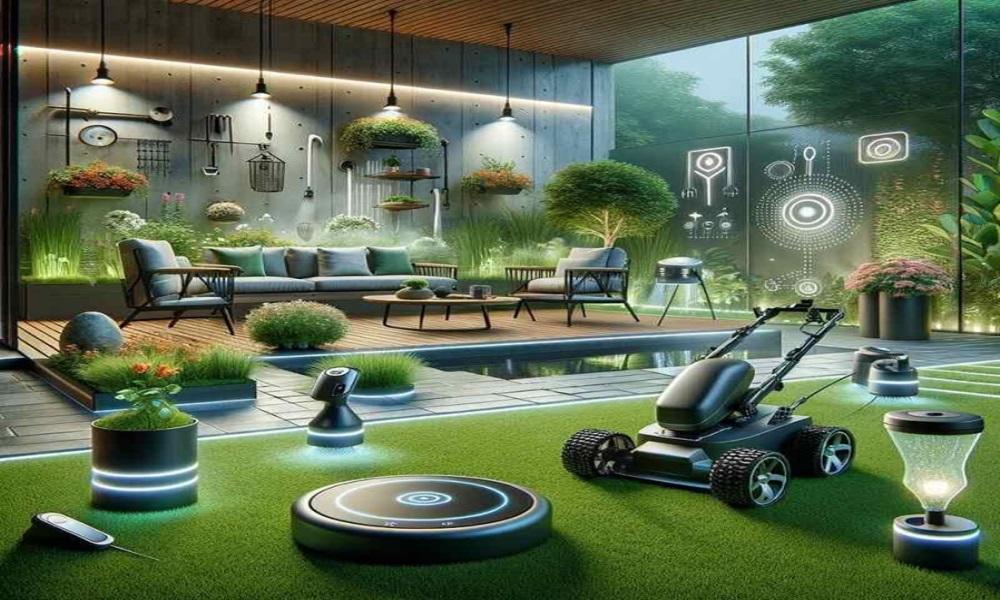
In an age where technology seamlessly blends into every aspect of our lives, gardening too has undergone a digital revolution. The traditional image of gardening, often associated with rural settings and time-intensive care, is being reimagined in the context of modern, urban lifestyles. Today’s gardeners, equipped with an array of high-tech tools, are finding that maintaining a lush, thriving garden is not just possible but also more enjoyable in their busy lives. This article explores the innovative world of high-tech gardening tools tailored for modern living spaces. These tools are revolutionizing the way we approach gardening, transforming it from a labor-intensive chore to a tech-driven, rewarding experience.

Revolutionizing Gardening with Smart Technology

The integration of smart technology in gardening tools has brought about a paradigm shift in how we interact with our plants. Automated irrigation systems, for example, have replaced the traditional watering can. These systems are designed to deliver the precise amount of water needed by plants, at the right time, ensuring optimal growth conditions. They are especially beneficial for urban dwellers who may not have the time to water plants daily.

Similarly, soil sensors have become an invaluable tool for gardeners. These devices provide real-time data on soil moisture, pH levels, and nutrient content, allowing gardeners to tailor their care to the specific needs of each plant. This targeted approach not only promotes healthier plant growth but also conserves resources by preventing overwatering and excessive fertilizer use.

Another significant advancement is the development of app-controlled garden management systems. These applications allow gardeners to monitor and control various aspects of their garden from their smartphones or tablets. From scheduling watering sessions to receiving alerts about potential plant health issues, these apps offer a level of convenience and control that was unimaginable a few years ago.

The Rise of App-Controlled Garden Environments

The emergence of app-controlled garden environments marks a significant milestone in the evolution of urban gardening. These systems empower gardeners to manage their gardens remotely, making gardening more accessible for those with hectic schedules or limited physical abilities.

For instance, smartphone-controlled watering systems enable gardeners to manage their garden’s irrigation from anywhere, at any time. This is particularly useful for those who travel frequently or live in areas with variable weather conditions. Light-adjusting technologies have also gained traction, especially for indoor gardens. These systems automatically adjust the intensity and spectrum of light to mimic natural sunlight patterns, enhancing plant growth in environments with limited natural light.

Climate control equipment designed for indoor gardens is another area where technology is making a significant impact. These systems maintain optimal temperature and humidity levels for indoor plants, creating a controlled environment that can support a wide range of plant species, from common houseplants to exotic tropical varieties.

Sustainable Gardening in Urban Spaces

As urbanization continues to rise, sustainable gardening practices have become more important than ever. High-tech gardening tools are playing a crucial role in promoting sustainability in urban spaces.

Water conservation technologies are at the forefront of this movement. Drip irrigation systems, for example, deliver water directly to the base of the plant, minimizing evaporation and runoff. Moisture sensors further enhance water efficiency by ensuring that plants are watered only when necessary.

In addition to conserving water, high-tech tools are also enabling urban gardeners to diversify their plant selections. With advancements in hydroponic and aeroponic systems, gardeners can grow a wider variety of plants, including vegetables and herbs, without the need for traditional soil-based planting. This not only adds to the aesthetic value of urban spaces but also contributes to local food production and biodiversity.

The Future of Gardening – Trends and Innovations

Looking to the future, the field of high-tech gardening is poised for even more groundbreaking innovations. One of the most exciting developments is the integration of artificial intelligence (AI) in garden management. AI-driven garden assistants, capable of learning and adapting to specific garden environments, are set to revolutionize the way we approach plant care.

Emerging technologies like Virtual and Augmented Reality are revolutionizing garden planning and management. These innovations enable gardeners to create and tweak their garden layouts in a simulated setting, ensuring optimal design and preemptively spotting potential challenges. Equally exciting is the advent of robotic gardening aids. These advanced tools, armed with sensors and AI, are designed to handle routine tasks like weeding, pruning, and harvesting. While these technologies are still evolving, they hint at a future where gardening becomes less labor-intensive, broadening its appeal. Discover these advancements and more in Huxo Home’s modern gardening tools, promising to transform gardening into a more inclusive and enjoyable activity.

The integration of high-tech tools in gardening is not just a testament to human ingenuity; it is a reflection of our evolving relationship with nature. These tools have made gardening more accessible, efficient, and enjoyable, especially for those living in urban environments. They allow us to stay connected with nature, despite our busy lifestyles, and play a vital role in promoting sustainable living practices. As we look to the future, it is clear that technology will continue to shape and redefine our gardening experiences, bringing us closer to nature in ways we never imagined possible.

Frequently Asked Questions

What are the Best High-Tech Tools for Urban Gardening?

The best high-tech tools for urban gardening include smart irrigation systems, which automate watering schedules, soil moisture sensors for optimal watering, and smart plant monitors that provide real-time updates on plant health. Other popular tools are LED grow lights for indoor plants and automated climate control systems for greenhouses.

How Do Smart Irrigation Systems Work?

Smart irrigation systems work by using sensors and programmable controllers to regulate the watering schedule of a garden based on various factors like soil moisture levels, weather conditions, and plant type. These systems can be controlled remotely via smartphone apps, allowing gardeners to customize watering plans, conserve water, and ensure healthy plant growth.

Can Technology Help in Growing Plants Indoors?

Yes, technology can significantly assist in growing plants indoors. LED grow lights provide the necessary spectrum of light for photosynthesis, while hydroponic systems allow for soil-free growth with nutrient-rich water solutions. Smart indoor garden kits, equipped with automated lighting and watering, make it easier to grow herbs and vegetables indoors.

Are There Any Apps for Garden Planning and Maintenance?

Yes, there are several apps available for garden planning and maintenance. These apps offer features like plant identification, reminders for watering and fertilizing, customized garden planning tools, and advice on plant care. Some popular apps also integrate with smart gardening devices to provide a comprehensive gardening solution.

What is the Role of AI in Modern Gardening?

AI plays a significant role in modern gardening by providing advanced data analysis for plant care, optimizing watering and feeding schedules, and identifying potential plant diseases. AI-driven garden assistants can analyze environmental conditions and make recommendations for garden maintenance, thereby enhancing plant growth and health.