Category

Gardener

Category

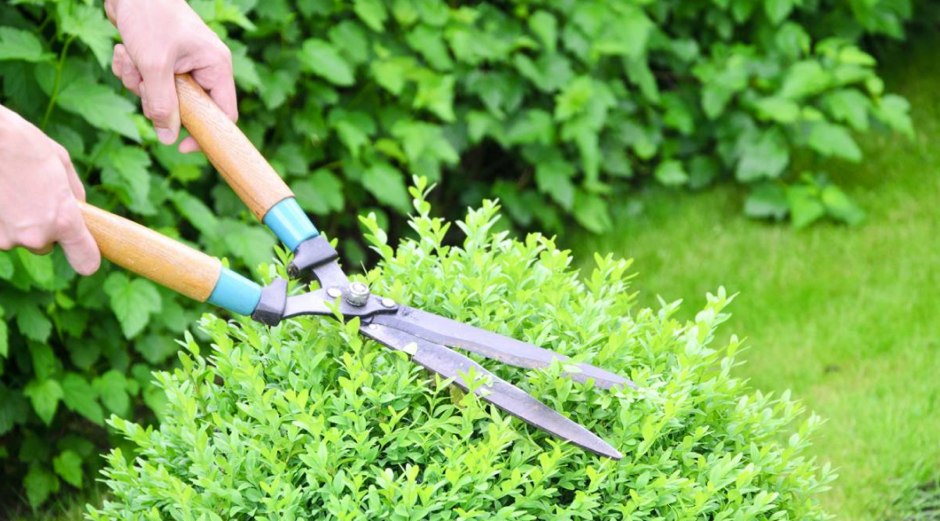
Walk past an office complex where the hedges are spilling into sidewalks, uneven, maybe even hiding the front sign. The impression? Neglect. Now picture the same space where the greenery is shaped, balanced, sharp lines guiding the eye. Totally different feel. That’s what commercial hedge trimming does—it changes the mood of a property. And not just the mood. It shapes safety, plant health, even the way people behave in the space.

Why Timing Can’t Be Random

One of the biggest errors is cutting hedges when they “look messy.” It feels natural, but plants don’t operate on appearance—they operate on growth cycles. Cut them at the wrong moment and you’re forcing weak, soft growth that the next frost will burn off. Or worse, you stress the plant so badly it spends energy in the wrong season.

Evergreens, for example, usually need two or three trims a year. The heavy one? Late spring, once the main flush of growth appears. Deciduous hedges are a little more forgiving, but even they respond best when growth is strong. Ignore that rhythm and the hedge might survive, but it won’t thrive. Professionals know this instinctively; amateurs often learn after a hedge starts thinning out.

Shape Is More Than Looks

Most people love a flat, vertical hedge face. Crisp, clean. But cut like that, sunlight never reaches the lower sections. Result? Bare legs at the base, green only on top. It looks fine for a while, then suddenly you’ve got a hedge with gaps you can’t fix.

The smarter way is counterintuitive: cut so the hedge is slightly wider at the base than the top. Just a few degrees of taper. Landscapers sometimes call this the “green triangle.” It doesn’t look very different at first glance, but years later, you’ll notice the difference. Thick bottom growth, no hollow spaces, no dead wood hiding underneath.

Safety Gets Overlooked

When managers think “landscape safety,” they picture icy steps or uneven paving stones. Hedges barely cross their minds. But imagine a hedge at a parking lot exit—grown too tall, too bulky. Drivers pull out blind. That’s not just untidy, it’s a liability.

And there’s more. Overgrown hedges block streetlights, smother building signage, even cover security cameras. One client I worked with discovered that half their CCTV footage was useless because shrubs had crept up unnoticed. Trimming fixed it overnight. Landscaping connects directly to visibility and security. Ignore that, and problems build quietly until something happens.

Part of a Larger Ecosystem

Hedges aren’t just “green walls.” Birds nest in them. Pollinators feed. Small mammals shelter. If you hack away without considering timing, you destroy habitats. That’s why good maintenance often means trimming in rotation—leave one side dense while cutting the other, so wildlife still has somewhere to go.

And then there’s the functional role. Thick hedges block traffic noise, act as windbreaks, even create warmer microclimates near patios or courtyards. But that only works if the hedge is managed to stay dense. Cut too hard, too often, and you lose the very qualities that make them valuable. This is why thoughtful schedules matter, not just clippers and free afternoons.

The Psychological Effect

People feel landscapes before they consciously notice them. Ragged hedges give off tension. Clean, shaped hedges? Calm, order, competence. It’s subtle, but it matters. A hospital framed by uneven shrubs sends the wrong message. A courthouse with precise greenery communicates seriousness and stability.

For businesses, this becomes part of brand identity. Shaped hedges whisper discipline. Attention to detail. Even if visitors never articulate it, the impression sinks in. Which is why commercial hedge trimming belongs in the same conversation as signage, paint color, or lighting—it’s not just background, it’s communication.

Cost: The Lesson Everyone Learns Too Late

Skip a year, maybe two, and suddenly hedges are sprawling, woody, and way too large for easy correction. At that point, trimming isn’t enough. You’re looking at heavy cutbacks that strip the hedge bare—or in some cases, replacement. Both expensive. Both disruptive.

Regular trimming avoids this spiral. It keeps growth in check so hedges never cross that invisible line between “manageable” and “out of control.” Landscapers will tell you the truth: steady, consistent maintenance costs less in the long run. Property owners who delay? They usually pay double later, and often dislike the harsh look that comes with recovery cuts.

Conclusion:

Hedges are never just hedges. They’re barriers, habitats, safety features, and design elements rolled into one. If they’re left alone, they turn into problems—blocking sightlines, thinning out, or overwhelming architecture. If they’re trimmed with skill, though, they add life, structure, and authority to the spaces they frame. Timing, angle, rhythm, all of it matters. Which is why commercial hedge trimming is more than routine care. It’s one of the quiet foundations of a healthy, functional, and truly impressive landscape.
Ponds make the spaces we live in serene and peaceful. They are perfect for relaxation and besides they provide shelter to many different water living creatures. However, keeping water clear and free of green algae and frothy scum is a daily chore requiring time and effort. Amorphous water in your pond is an indication of several problems that if not handled may affect the overall pond ecosystem.

Cloudy or unclear pond water is a common issue. It indicates the presences of particles in the water such as algae, bacteria or organic wastes. These particles reflect light that creates a cloudy effect and reduces visibility through the water.

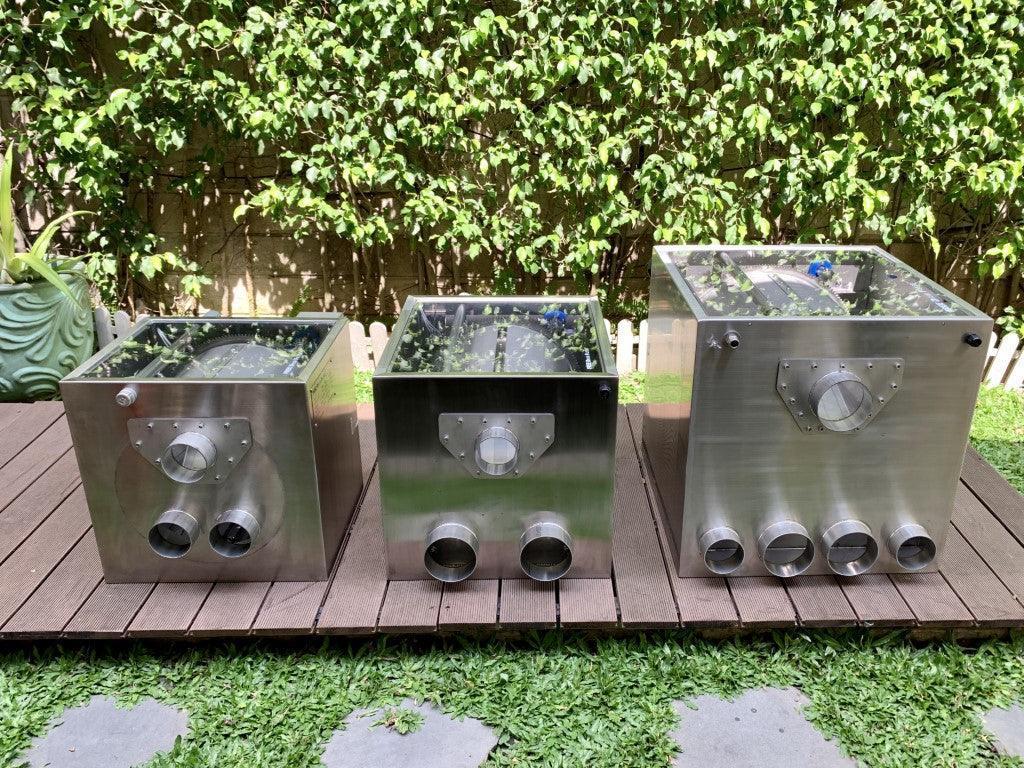
One of the many common problems might be the failure of your pond’s filtration system or koi pond drum filter. Drum filter is useful to maintain a general healthy environment of your pond. If this filter fails to perform, the pond water turns muddy or cloudy.

Therefore, it is important to maintain the pond so that there is no confusing haze in the water.

  • First check your filter system to ensure it is working properly. You have to clean the filter regularly to eliminate the clogs.
  • The second feature to check is the indicator of water acidity and its temperature. These can also influence the water transparency. It is important that you balance your pond well enough so that it can be in good condition as well as have clear water. As with any ecosystem, an imbalance in chemical content of the water may result in overgrowth of algae and phytoplankton – which causes water fog in ponds.
  • It is important to avoid feeding fish and other aquatic animals to point of over feeding. Food remains lying around make more waste and this leads to cloudy water.
  • Finally, make sure that there is sufficient amount of fresh water in the pond because there is a close connection between oxygen supply in the pond and ecosystem. For the opposite reason, that is if there is too little oxygen in water, then the growth of anaerobic bacteria leads to muddy or unclear water.

Consult professionals for the repair and other related matters like foggy water hitches and also learn how to maintain the healthy pond. The Pond Guy from Kent is a professional known for their services that include pond inspection, renovation, and maintenance. They assess your pond for specific problems and recommend changes, if any. Besides, they also check that your system is in the right order and performing the best all time.

Conclusion

Ensuring that the water in your pond is clear does not only make your fishpond look beautiful, but also supports the health of the plants and fishes surviving in it. It is advisable to respond to problems like for instance cloudy state of water without delay since this will help to avoid headaches in the future. Maintaining proper filtration system in your pond and involving expert solution providers will help in creating a proper aquatic ecosystem in the pond that adds beautify to your outdoor living spaces.

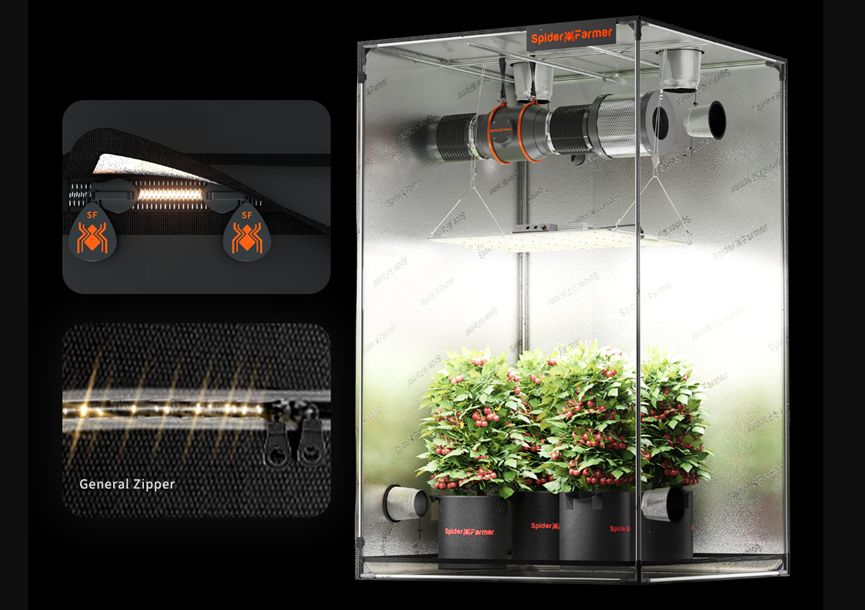
A grow tent is a specially designed enclosed space that provides an ideal environment for indoor gardening. It acts as a miniature greenhouse, allowing individuals to create a controlled environment for plants to thrive. With features like reflective interior lining, ventilation systems, and adjustable lighting, grow tents offer a customizable and efficient solution for growing plants indoors. These portable and versatile structures provide protection from external factors like pests and harsh weather conditions, allowing gardeners to cultivate a wide range of plants year-round, regardless of the outdoor climate.

Grow lights, on the other hand, are artificial lighting systems that mimic the natural sunlight required for plant growth. These lights emit a spectrum of light that supports photosynthesis, which is essential for plants to convert light energy into chemical energy and facilitate their growth. Grow lights are designed to provide the right intensity, duration, and spectrum of light necessary for different stages of plant growth, from seedlings to flowering. They are a vital component of indoor gardening, compensating for the lack of natural sunlight and enabling plants to flourish even in spaces where sunlight is limited or unreliable.

Number of LED Grow Lights for a 2×4 Grow Tent

To ensure optimal plant growth and maximize yields, the number of LED grow lights to install inside a 2×4 grow tent depends on various factors. Here are some considerations:

Light Intensity and Coverage: LED grow lights come in different wattages and coverage areas. For a small grow tent, it is recommended to have around 200-400 watts of LED lighting. This can be achieved using two 100-200 watt LED grow lights or one 400 watt LED grow light.

Plant Density and Growth Stage: The number of plants and their growth stage also impact the lighting requirements. If you have fewer plants or just starting with seedlings or clones, one LED grow light may be sufficient. However, if you have a dense canopy with mature plants, two LED grow lights spread evenly can provide more uniform light distribution.

Light Hanging Height and Adjustability: LED grow lights should be hung at an appropriate height to ensure sufficient light penetration. Consider LED lights with adjustable hanging heights or with dimming capabilities to tailor the light intensity as per the specific needs of your plants.

Remember, it’s crucial to monitor and adjust lighting conditions based on your plants’ response and growth. Regularly assess the light intensity, coverage, and health of your plants to optimize their growth and productivity inside the 2×4 grow tent.

Looking for top-quality LED grow lights and grow tents? Look no further than Spider Farmer! With a reputation for excellence, Spider Farmer offers a wide range of reliable and efficient LED grow lights and grow tents designed to meet the needs of indoor gardeners. Whether you’re a beginner or an experienced grower, Spider Farmer provides cutting-edge technology and exceptional performance to ensure healthy plant growth and abundant yields. From their energy-efficient LED lights to their sturdy and well-ventilated grow tents, Spider Farmer is a trusted choice for growers seeking optimal conditions for their plants. Elevate your indoor growing experience with Spider Farmer’s premium products today!

Conclusion

In conclusion, creating an optimal indoor growing environment is crucial for the success of your plants. By carefully considering factors such as lighting, temperature, humidity, and ventilation, you can provide the ideal conditions for healthy growth and abundant yields. Regular monitoring and adjustment of these factors based on your plants’ response and growth stage is essential. Remember to prioritize the health and well-being of your plants by regularly assessing their light intensity, coverage, and overall health. With proper care and attention to detail, you can create a thriving indoor garden that yields impressive results. Happy growing!

Secure tool storage is vital for any person that has gardening tools that they wish to store away over the cold winter months. If you have green fingers and love gardening during spring and summer, then you’ll have plenty of gardening tools and equipment that you put away when not in use. When you are active in your gardening, you need somewhere secure, but also easily accessible to gain access most days throughout the warm months of the year. During winter though, it is unlikely that you will perform many gardening duties, and it is time to securely store away all of your gardening items for a few months. When it comes time to get them all back out again in springtime, you want to know that they are in good working condition, but also that they have remained safe from potential theft.

How to store your gardening tools over winter

When the time comes to put down the trowel and place the lawnmower away for a few months, there are a few things that you should do to ensure that you are optimising the condition of the tools the next time that you use them.

Thoroughly clean the tools

No matter what type of tool or gardening equipment you use, it is beneficial to its long-term condition that you regularly clean between use. When it comes time to place away the items into storage for a few months, you must first thoroughly clean and disinfect the tools. Use alcohol or disinfectant to wipe away and fully remove any harmful fungi, dirt, or debris.

Store in a galvanised metal shed

Your gardening tools and equipment should always be stored in a cool, dry, and ventilated area. A galvanised metal shed is the perfect storage solution for any gardening tools, as they are built to last and to offer protection from corrosion and rust, protecting against the weather and the damage that can cause to a shed and items stored within it. When placing items, never store on the floor, as moisture can cause long-term damage. Other garden storage solutions that are good for gardening tools include storage boxes and benches.

Use racks and storage solutions

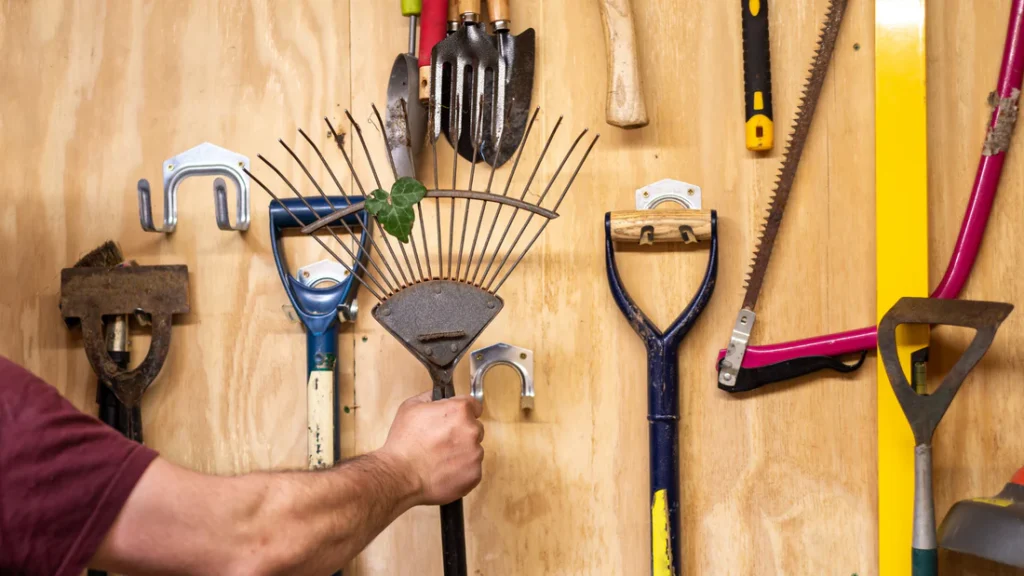
Within a large metal shed, or wherever you decide to store away your gardening tools, use shelves, racks, and hooks to maintain clear organisation. A good, galvanised shed with a pre-integrated organisational system provides the perfect storage solution. This helps to keep everything in its place, prevents accidental slips and trips, and makes it easier to find what you are looking for when you re-open the galvanised shed in the spring.

Remove any batteries

If you have electric tools that require the use of batteries, always ensure that you remove the batteries before you store the tools away for winter. You can keep the batteries to use next year, but they should be stored separately, in a cool, dry place.

Be careful with wooden tools

Any gardening tools and items that you own that are made of wood should be treated with extra care. Never leave items with wooden handles resting on the floor, as this can cause them to rot due to excess moisture over time.

Choosing a galvanised shed for your back garden will help you when it comes time to clean and maintain it over a long period of time. By going through a galvanisation process, the materials that are used to manufacture the shed help to protect it from corrosion and rust. Add to that a powder coating that helps to give it its clean and sleek finish, you have a secure metal shed that will stand the test of time, and is incredibly easy to wipe down and clean, and to maintain for many years to come. Make sure that you choose a supplier that can provide you with a large metal shed that fits the bill for what you are looking for and gives you somewhere secure to store away your gardening tools over the winter months.