
Category

Featured

Category

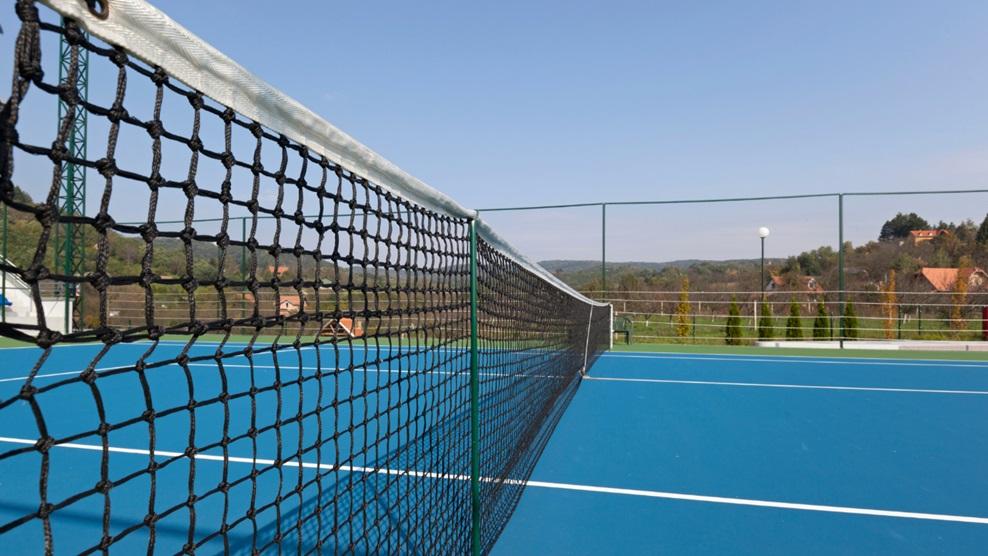
When it comes to tennis court resurfacing, there are a lot of factors to consider. How often your courts need to be resurfaced will depend on a variety of things, such as the type of surface you have, how often it is used, and the climate conditions in your area. In this article, we will discuss some of the key things you need to consider when making this decision for your tennis court.

How frequently do tennis courts need to be resurfaced?

In general, most tennis courts will need to be resurfaced every four to eight years. Therefore, it is important to keep an eye out for any signs of deterioration, such as large cracks, peeling, or puddles. As soon as you notice a problem, contact a professional for tennis court resurfacing to help fix the issue. They will have the experience and knowledge to properly assess the situation and recommend the best course of action.

In addition, it will also benefit you if you know how the court surface affects your tennis game, as this can help you to make necessary changes. This is important because different types of court surfaces will have different effects on your game. And, of course, you will want to keep your court in the best possible condition to ensure peak performance.

What are the benefits of resurfacing a tennis court?

Some of the benefits of resurfacing a tennis court include extending the life of the court, improving playing conditions, and providing a safer environment for players. Resurfacing can also help to improve the overall appearance of the court. This is especially important if you have a public court that is used by many people. If you have a private court, resurfacing can still be a good idea. This is because it can help to improve the condition of the court and make it last longer.

But it is important to note that the cost of resurfacing will also depend on a number of factors, such as the size of the court and the type of surface you have. If you are considering resurfacing your tennis court, be sure to contact a professional for an estimate. They will be able to give you a better idea of the cost and help you to find the best option for your budget.

To Conclude

Overall, resurfacing a tennis court is a significant investment to make. However, it is also important to keep in mind that it is crucial to maintain the court so that players can enjoy the game. By resurfacing the court every few years, you can be sure that the court will be in good condition for many years to come.
The spiral freezer is an industrial freezer that uses a spiral-shaped conveyor to freeze food. This freezer is known for its ability to freeze food quickly and evenly, making it an ideal choice for frozen food manufacturers. In this blog post, we’ll take a closer look at the spiral freezer’s working principle and how it helps to produce high-quality frozen food products. Stay tuned!

What is a spiral freezer and what is it used for?

A spiral freezer is a food processing equipment that helps freeze food products. It is mostly used for mass food production in food processing plants. The freezing process in a spiral freezer is done by circulating cold air over the food product. This cold air helps reduce the temperature of the food product and eventually freezes it.

The different parts of the spiral freezer and their functions

The spiral freezer comprises several parts that work together to freeze food quickly and efficiently. The evaporator coils are responsible for removing heat from the food, while the condenser coils help to cool the air inside the freezer. The fan helps to circulate the cold air, and the control panel lets the user set the temperature and timer. Finally, the door provides access to the freezer so that food can be placed inside. Each of these parts plays an important role in the proper functioning of the spiral freezer.

How the spiral freezer works, from freezing to packaging

The spiral freezer uses a series of metal plates kept at a very cold temperature. The food to be frozen is placed on these plates and the cold air from the freezer circulates the food, causing it to freeze. Once the food is frozen, it is packaged and sent to the customer. The spiral freezer is a very efficient way to freeze food and can also be used to package food that is already frozen. This type of freezer is often used in restaurants and other food service businesses.

Advantages and disadvantages of using a spiral freezer

A spiral freezer is a type of freezer that can be used to store food. The spiral freezer works by circulating cold air around the food, which helps to keep the food frozen. The advantage of using a spiral freezer is that it is very efficient at freezing food. The disadvantage of using a spiral freezer is that it is more expensive than other types of freezers.

Conclusion paragraph

A spiral freezer is a type of industrial freezer that can be used to freeze or package food products. The working principle behind a spiral freezer is that the product travels around a long, continuous track while being cooled by blasts of cold air. This design allows for more efficient cooling and freezing than other freezers.

There are different parts to a spiral freezer, each with its function in the overall process. The spiral freezer frees the food product and then packages it into individual units. The advantage of using a spiral freezer is that it is an efficient way to cool and freeze food products. The disadvantage is that it can be expensive to purchase and maintain.

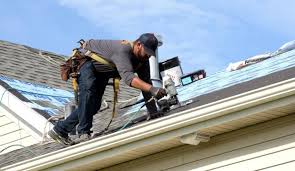
Are you looking for a roofing contractor for your project but aren’t sure where to start? Asking your neighbors for recommendations is the first step in hiring a roofer. You should look up your state’s roofing contractor standards and directories, as well as research and read reviews. Then, schedule consultations with two or three area roofers. Compare bids and negotiate the final price after checking references, reviews, and credentials. Look for the best roofing hammond la.

Look for qualifications for Roofing Contractors

Roofing contractors must meet the requirements of their local government. Before selecting a roofer, look into the credentials and directories in your state. Roofing contractors who are good are:

  • Experienced
  • Bonded and insured 
  • References are available upon request.
  • In your location
  • License
  • Willing to write a proposal

What to look for when hiring a Roofing Contractor?

There are two sorts of roof repair contractor Grayson County TX to consider when you’re ready to hire one: independent contractors and roofing businesses. Both have advantages and disadvantages. Always compare bids to find the best deal, and check roofer reviews, references, and credentials. For speedy repairs, independent roofing contractors can be useful. Large jobs, such as replacing your old roof, may take longer to complete because they work independently or with subcontractors. They may, however, specialize in a specific style. Hiring a single person can be risky, but it ensures that you’ll see and work with the same person throughout the project. Roofing firms are more likely to complete major tasks faster, have manufacturer warranties on their work, give discounts or free consultations, and deal with a wider range of materials. However, each phase of the project may not have the same point of contact.

A competent roofing contractor will provide you with greater roof warranty options.

The roof warranty options are the final reason you should choose a skilled roofing contractor. After your roofing project is completed, you’ll be covered by two warranties if you use a skilled roofing contractor. The first will focus on the quality of the roofing contractor’s work. To protect your roof from installation faults, a workmanship warranty is in place.

This means that if a problem arises as a result of bad workmanship, the roofing contractor should fix it at no cost to you. Just keep in mind that the period of a workmanship warranty differs from one contractor to the next. The second roof warranty will cover your roofing materials and will safeguard you from manufacturing flaws. Every roofing material comes with a manufacturer’s warranty out of the box.


Final thoughts

Many professional roofing contractors have manufacturer qualifications, allowing them to provide higher warranties overall. Architectural asphalt shingles, for example, come with a 30-year prorated warranty out of the box. If the roofing contractor is certified by the shingle manufacturer, you’ll be eligible for a 50-year non-prorated enhanced guarantee. To obtain this, you’ll have to invest in and employ all of the components from a single manufacturer to create a full roof system. Both guarantees are in place to protect the investment you’ve made in your roof. You can expect more protection in the long term if you hire a competent roofing contractor.

Be it granite, quartz, or marble, New York’s buildings and homes use stones in various forms, from esthetics to functional. But, when the white, chalky material known as efflorescence appears on your recently poured surface, it may be highly frustrating. Fortunately, professionals in stone cleaning Mahopac NY can help you with efflorescence removal from stonework in the future.

What is Efflorescence?

The white material generated by naturally occurring salts in gravel, soil, cement, water, and sand is known as efflorescence. These salts can then migrate through the water to the surface of your natural stone, leaving crystalline deposits behind. Although this chalky material is not dangerous, it will detract from the beauty of your natural stonework by generating chalky white areas. This will require professional help in the form of stone cleaning Mahopac NY

How to Avoid Efflorescence?

The likelihood and intensity of efflorescence can be reduced by an array of installation procedures, including:

  • Keeping stone dry and off the ground by storing it on pallets.
  • Ensure correct grading and drainage to avoid standing water on the stone.
  • Damp proofing beneath and behind installations, primarily when porous materials such as Indiana Limestone are used.
  • At the end of each day, cover unfinished walls to avoid dampness behind the stone.
  • It’s also worth mentioning that less porous stones absorb less water and may be less prone to efflorescence.

Treatment of Efflorescence on Concrete and Masonry Surfaces

The following variations lie in treating efflorescence:

  • Material Choice 
  • Design and Details
  • Construction Methods
  • Material Choice 

Avoid selecting materials that are likely to effloresce. The possibility of efflorescence development increases with alkali content, so use cement with a low alkali content. Additionally, use potable water and cleaned sand when making grout or mortar mixes. The possibility of efflorescence production also increases if building trimmings such as copping, sills, and guards are made of low-salt content materials. Lastly, it is possible to determine whether a material will likely form efflorescence in the future

  • Design and Details 

Every brick wall may be infiltrated in some way by rainwater. It is still possible to minimize or eliminate water penetration that might cause efflorescence by carefully designing and detailing. 

The following design measures are advised to avoid efflorescence formation: 

Groundwater that is below grade can contain soluble salts, which can accumulate in brickwork and cause efflorescence. It is possible to eliminate this cause of efflorescence by installing waterproof masonry below grade and a foundation flashing above grade. The base flashing below the air space should be supported by grout or mortar.

Trim flashing: The purpose of flashing is to prevent capillary action and prevent moisture from entering masonry and trim materials.

Masonry walls do not produce efflorescence since they have an air space between their outside and inner walls. A brick wythe with an air gap separates the brick wythe from the surrounding materials, allows water to flow down the back of the brick wythe, and prevents salts from moving from the backing materials.

  • Construction Practices 

The following are some beneficial building approaches that contribute to less efflorescence formation: 

  • Water Consumption: Use water that is devoid of salts. 
  • It is important to keep masonry units clean and free from dirt, pollution, groundwater, snow, and rainwater during transit and construction.
  • Efflorescence can only be minimized by a solid wall’s head and bed mortar joints, and by using grapevine mortar joints on its outer face. Providing an appropriate connection between the masonry sections will prevent wind-driven water from entering.