Author

Jenny aniel

Browsing

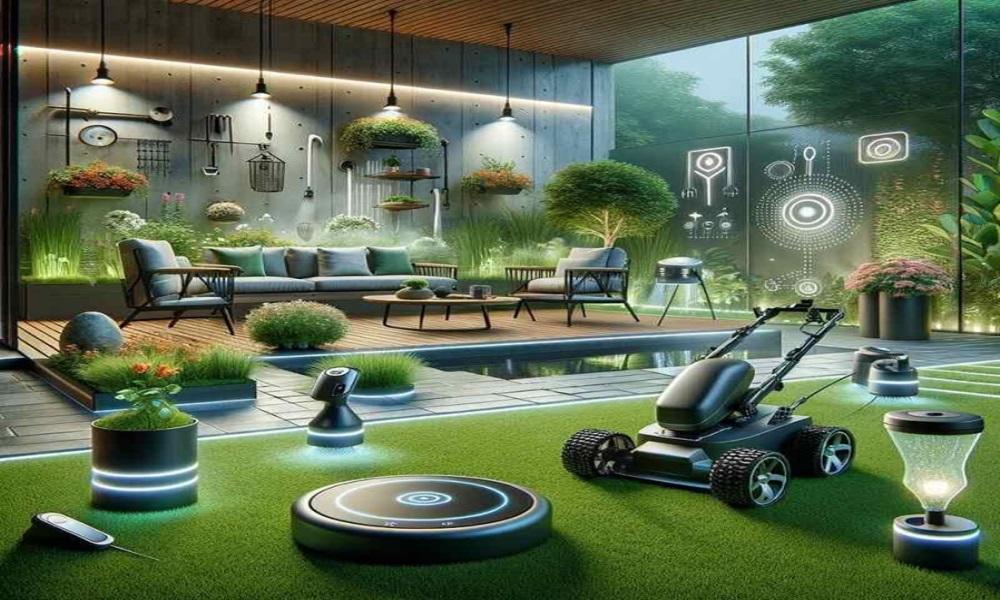
In an age where technology seamlessly blends into every aspect of our lives, gardening too has undergone a digital revolution. The traditional image of gardening, often associated with rural settings and time-intensive care, is being reimagined in the context of modern, urban lifestyles. Today’s gardeners, equipped with an array of high-tech tools, are finding that maintaining a lush, thriving garden is not just possible but also more enjoyable in their busy lives. This article explores the innovative world of high-tech gardening tools tailored for modern living spaces. These tools are revolutionizing the way we approach gardening, transforming it from a labor-intensive chore to a tech-driven, rewarding experience.

Revolutionizing Gardening with Smart Technology

The integration of smart technology in gardening tools has brought about a paradigm shift in how we interact with our plants. Automated irrigation systems, for example, have replaced the traditional watering can. These systems are designed to deliver the precise amount of water needed by plants, at the right time, ensuring optimal growth conditions. They are especially beneficial for urban dwellers who may not have the time to water plants daily.

Similarly, soil sensors have become an invaluable tool for gardeners. These devices provide real-time data on soil moisture, pH levels, and nutrient content, allowing gardeners to tailor their care to the specific needs of each plant. This targeted approach not only promotes healthier plant growth but also conserves resources by preventing overwatering and excessive fertilizer use.

Another significant advancement is the development of app-controlled garden management systems. These applications allow gardeners to monitor and control various aspects of their garden from their smartphones or tablets. From scheduling watering sessions to receiving alerts about potential plant health issues, these apps offer a level of convenience and control that was unimaginable a few years ago.

The Rise of App-Controlled Garden Environments

The emergence of app-controlled garden environments marks a significant milestone in the evolution of urban gardening. These systems empower gardeners to manage their gardens remotely, making gardening more accessible for those with hectic schedules or limited physical abilities.

For instance, smartphone-controlled watering systems enable gardeners to manage their garden’s irrigation from anywhere, at any time. This is particularly useful for those who travel frequently or live in areas with variable weather conditions. Light-adjusting technologies have also gained traction, especially for indoor gardens. These systems automatically adjust the intensity and spectrum of light to mimic natural sunlight patterns, enhancing plant growth in environments with limited natural light.

Climate control equipment designed for indoor gardens is another area where technology is making a significant impact. These systems maintain optimal temperature and humidity levels for indoor plants, creating a controlled environment that can support a wide range of plant species, from common houseplants to exotic tropical varieties.

Sustainable Gardening in Urban Spaces

As urbanization continues to rise, sustainable gardening practices have become more important than ever. High-tech gardening tools are playing a crucial role in promoting sustainability in urban spaces.

Water conservation technologies are at the forefront of this movement. Drip irrigation systems, for example, deliver water directly to the base of the plant, minimizing evaporation and runoff. Moisture sensors further enhance water efficiency by ensuring that plants are watered only when necessary.

In addition to conserving water, high-tech tools are also enabling urban gardeners to diversify their plant selections. With advancements in hydroponic and aeroponic systems, gardeners can grow a wider variety of plants, including vegetables and herbs, without the need for traditional soil-based planting. This not only adds to the aesthetic value of urban spaces but also contributes to local food production and biodiversity.

The Future of Gardening – Trends and Innovations

Looking to the future, the field of high-tech gardening is poised for even more groundbreaking innovations. One of the most exciting developments is the integration of artificial intelligence (AI) in garden management. AI-driven garden assistants, capable of learning and adapting to specific garden environments, are set to revolutionize the way we approach plant care.

Emerging technologies like Virtual and Augmented Reality are revolutionizing garden planning and management. These innovations enable gardeners to create and tweak their garden layouts in a simulated setting, ensuring optimal design and preemptively spotting potential challenges. Equally exciting is the advent of robotic gardening aids. These advanced tools, armed with sensors and AI, are designed to handle routine tasks like weeding, pruning, and harvesting. While these technologies are still evolving, they hint at a future where gardening becomes less labor-intensive, broadening its appeal. Discover these advancements and more in Huxo Home’s modern gardening tools, promising to transform gardening into a more inclusive and enjoyable activity.

The integration of high-tech tools in gardening is not just a testament to human ingenuity; it is a reflection of our evolving relationship with nature. These tools have made gardening more accessible, efficient, and enjoyable, especially for those living in urban environments. They allow us to stay connected with nature, despite our busy lifestyles, and play a vital role in promoting sustainable living practices. As we look to the future, it is clear that technology will continue to shape and redefine our gardening experiences, bringing us closer to nature in ways we never imagined possible.

Frequently Asked Questions

What are the Best High-Tech Tools for Urban Gardening?

The best high-tech tools for urban gardening include smart irrigation systems, which automate watering schedules, soil moisture sensors for optimal watering, and smart plant monitors that provide real-time updates on plant health. Other popular tools are LED grow lights for indoor plants and automated climate control systems for greenhouses.

How Do Smart Irrigation Systems Work?

Smart irrigation systems work by using sensors and programmable controllers to regulate the watering schedule of a garden based on various factors like soil moisture levels, weather conditions, and plant type. These systems can be controlled remotely via smartphone apps, allowing gardeners to customize watering plans, conserve water, and ensure healthy plant growth.

Can Technology Help in Growing Plants Indoors?

Yes, technology can significantly assist in growing plants indoors. LED grow lights provide the necessary spectrum of light for photosynthesis, while hydroponic systems allow for soil-free growth with nutrient-rich water solutions. Smart indoor garden kits, equipped with automated lighting and watering, make it easier to grow herbs and vegetables indoors.

Are There Any Apps for Garden Planning and Maintenance?

Yes, there are several apps available for garden planning and maintenance. These apps offer features like plant identification, reminders for watering and fertilizing, customized garden planning tools, and advice on plant care. Some popular apps also integrate with smart gardening devices to provide a comprehensive gardening solution.

What is the Role of AI in Modern Gardening?

AI plays a significant role in modern gardening by providing advanced data analysis for plant care, optimizing watering and feeding schedules, and identifying potential plant diseases. AI-driven garden assistants can analyze environmental conditions and make recommendations for garden maintenance, thereby enhancing plant growth and health.


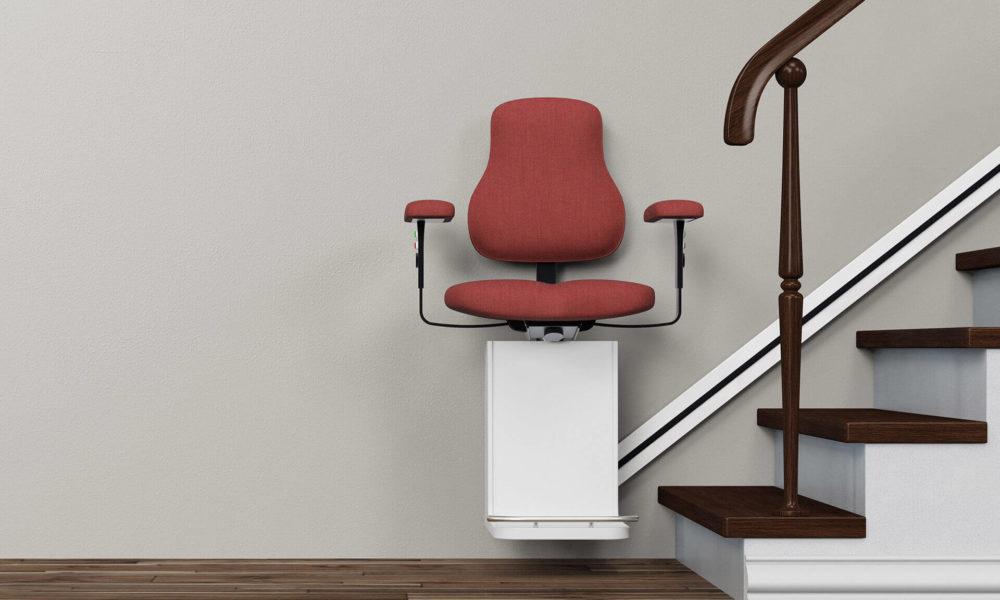
In the world of mobility solutions within homes for people with permanent or temporary disabilities, the debate often centres on stairlifts versus home elevators. While home elevators undeniably offer unique advantages, there is a compelling case to be made for stairlifts, and the decision might not always hinge on the most apparent factors. Beyond the conventional considerations, stairlifts present several under-discussed attributes that make them a practical and viable choice for enhancing accessibility in many homes. Let us focus on the often-overlooked aspects to help you recognise why, for a significant number of individuals, stairlifts might be the ideal option.

Stairlifts stand out for their cost-effectiveness. While home elevators often carry a higher price tag, both in terms of the initial investment and maintenance, stairlifts are comparatively more budget-friendly especially when you approach the best installers for stairlifts Scotland has to offer. This financial advantage can be especially pertinent when dealing with unexpected mobility challenges. Choosing a stairlift can bring immediate relief without incurring significant financial strain, making them a wise choice for those who need a swift and economical solution.

One compelling yet frequently underestimated feature of stairlifts is their adaptability to various types of staircases. Whether your home has a straight or curved staircase, stairlifts can be custom-designed to fit seamlessly, ensuring that no part of your home remains inaccessible. This versatility is often a deciding factor for individuals residing in homes with unique architectural layouts, which might not easily accommodate home elevators.

Moreover, the installation process for stairlifts is far less intrusive compared to home elevators. Stairlifts are typically mounted directly onto the stairs, leaving the structure of your home largely untouched. This not only reduces the time required for installation but also minimizes the disruption to your daily life. In contrast, installing a home elevator can be a more complex undertaking, involving construction work that can be intrusive and time-consuming. Search for “installers of stairlifts near me” to find the best experts in your area.

Stairlifts also promote physical activity to a certain extent. While mobility-impaired individuals benefit from using a stairlift, the act of getting on and off the chair and moving up or down the stairs can contribute to maintaining a degree of physical activity. This element is frequently underestimated but plays a vital role in preserving strength and mobility, even for those with limited mobility.

Another under-discussed advantage of stairlifts is the convenience of operation. These devices are designed to be user-friendly, with straightforward controls that individuals of all ages can operate with ease. This ensures that the elderly or those with limited dexterity can confidently and independently navigate their homes, which can be empowering and emotionally reassuring.

Furthermore, when considering home accessibility solutions, the speed of implementation can be of paramount importance. Stairlifts are typically quick to install, providing an almost immediate solution to mobility challenges. Home elevators, on the other hand, often require a more extended planning and construction phase, which can be a drawback for those in need of rapid assistance, or you don’t want to do much more structure changes to your home.

In the bustling confines of urban living, maximizing limited outdoor space is essential. Many residents are turning to innovative solutions to transform their balconies, terraces, and small yards into green retreats. Artificial grass is at the forefront of this urban green revolution, providing a practical and attractive solution that infuses a touch of nature into compact outdoor areas.

The Art of Space Utilization

When space is at a premium, every square inch counts. Artificial grass offers a versatile way to beautify these areas without the concerns of traditional lawn maintenance. It can be cut to fit any shape or size, allowing for a seamless integration into the urban landscape. This adaptability is especially useful for irregularly shaped or constrained spaces that would otherwise remain underutilized.

Low Maintenance, High Impact

One of the biggest advantages of artificial turf in small urban spaces is its low maintenance. There’s no need for mowing, watering, or waiting for the grass to grow. It’s a set-and-forget solution that stays green and lush throughout the year, freeing up precious time for city dwellers to enjoy their outdoor sanctuaries without the fuss.

Aesthetic Harmony and Functionality

Integrating artificial grass into a small space also adds a layer of functionality. It creates a comfortable area for relaxation, socializing, and even light exercise. Additionally, it complements other elements such as potted plants, outdoor furniture, and decorative accents, bringing together aesthetic harmony and practicality.

In creating these versatile urban spaces, companies like Artificial Grass UK play a pivotal role. They provide the expertise and quality materials that ensure a well-executed installation, fitting the unique needs of each urban oasis.

Environmental Considerations

In addition to its practical benefits, synthetic turf can be an environmentally responsible choice. It eliminates the need for watering, which is a significant boon in areas where water is scarce or conservation is a priority. The absence of chemical fertilizers and pesticides supports a healthier urban environment, aligning with the sustainability goals of many eco-minded city residents.

Transforming small urban spaces with artificial grass is more than a trend; it’s a lifestyle adjustment that brings nature closer to those in the urban jungle. Whether it’s creating a play area for children, a relaxing nook for adults, or a communal space for gatherings, artificial grass is an elegant solution that ticks all the right boxes for aesthetics, functionality, and sustainability.

It’s no secret that selling a home involves many factors, including the appearance of your property. Many prospective buyers will form an opinion of your residence within the first few seconds of seeing it from the outside. As a result, curb appeal is no laughing matter, as an unattractive exterior can easily repel these potential homeowners before they even set foot inside. But, have you ever considered that your dirty windows might be a significant issue to would-be buyers? In this article, we’ll explore how clean windows can positively impact your home-selling prospects.

A Step Ahead of the Competition

In a competitive real estate market, every opportunity to differentiate your home from the other listings is crucial. By enlisting the services of a reputable company offering window cleaning in The Villages, FL, you’ll ensure that your property stands out from the rest. A home with spotless windows not only looks more inviting but also demonstrates the care and attention to detail that you’ve given your property. This level of commitment will likely instill trust and confidence in potential buyers who appreciate a well-maintained home.

A Clearer Vision of Your Home

Dirty windows can obstruct a visitor’s view of your home, literally and figuratively. By neglecting to maintain a pleasant appearance, you’re essentially preventing these prospective buyers from having a clear vision of what living in your residence could be like. Clean windows allow natural light to enter your home and make it appear brighter, more inviting, and larger. This can help potential buyers imagine themselves living in the space, making them more likely to consider purchasing.

A Matter of Maintenance

Maintaining clean windows is not only important for selling your home but also for its overall maintenance. Dirty windows are not just unappealing; they can also cause damage over time. Mineral deposits, dust, and other debris can etch into the glass, making it weaker and prone to cracks or breakage. Regularly cleaning your windows can prevent this damage and save you from costly repairs in the long run. You may also check out this blog post to understand what window cleaners do inside and out so you can comprehend the process of professional cleaning better.

Increased Property Value

It may seem like a small detail, but having clean windows can contribute significantly to a home’s perceived value. A potential buyer will see a well-kept home as more valuable and, therefore, worth the asking price. Besides enhancing your home’s curb appeal, regular window cleaning can also help preserve the longevity of your windows, framing, and seals, preventing any further damage or the need for expensive replacements.

Showing Off Your Home’s Best Features

Natural light is a sought-after feature for many homebuyers, as it can greatly impact the look and feel of a living space. Dirty windows can limit the amount of sunlight entering your home, preventing prospective homeowners from experiencing the full potential of your property. Clean windows will maximize the natural light and better showcase your home’s best features, creating a more inviting environment.

A Worthwhile Investment

While professional window cleaning may come with a cost, it’s an investment that can pay off when it comes to selling your home. By knowing why window cleaning is important, you can make a confident decision to enlist the services of a reputable company and reap the benefits during the home-selling process.

In conclusion, your dirty windows could hinder your chances of attracting potential homebuyers. By making a small investment in professional window cleaning services, you’ll be able to maximize your home’s curb appeal and showcase its value to prospective buyers, getting you one step closer to that coveted “sold” sign.