
Author

Dale M. Douglas

Browsing

Wood heating is an environmentally friendly approach that utilises wood energy to provide heat, hot water, or steam. Proper management makes it possible to turn it into a sustainable energy source, enabling trees to grow and replace fuel. Wood heating may be carbon-neutral because carbon dioxide emitted during burning is countered by carbon absorbed during tree development. However, proper equipment and best practices are required to improve efficiency, restrict emissions, and reduce environmental concerns.

This post will discuss the environmental advantages of wood heating and how it may help you construct a greener, more comfortable house. You will understand why convection wood heaters are a guilt-free method to remain warm, regardless of whether you are considering installing them or currently have them.

What Is Wood Heating?

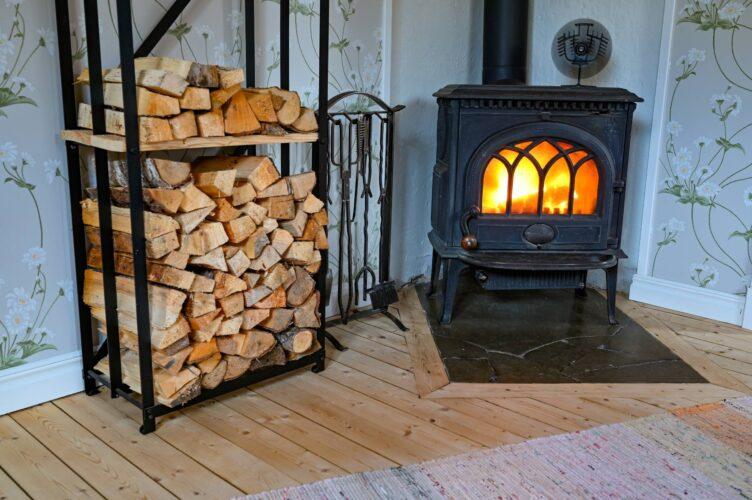
Wood heating produces heat in a home, commercial, or industrial setting by burning wood as a fuel source. Wood heating, a long-standing and popular option worldwide, involves burning wood in controlled environments to generate heat and hot water or steam, with its numerous advantages making it an attractive choice.

Wood is an effective heating method because it converts stored energy into heat when burnt. When collected and handled correctly, it is considered a renewable and sustainable energy source since new trees may be grown to replace those cut down.

Wood heating may be carbon-neutral because the carbon absorbed by growing trees counters the carbon dioxide emitted during burning. However, appropriate equipment and best practices must be utilised to maximise efficiency, limit emissions, and lessen the effect on air quality and the environment.

The Eco-Friendly Advantages of Wood Heating

When handled properly, wood heating, such as utilising wood stoves or fireplaces, has various eco-friendly benefits:

A Renewable Energy Source

One of wood heating’s biggest environmental advantages is using renewable energy. Wood is a greener fuel than coal and natural gas, which use limited resources and generate harmful pollutants. Trees may be replanted and cultivated expressly for heating, providing consistent and environmentally friendly fuel.

Reduced Carbon Footprint

Wood heating may have a much smaller carbon impact when effectively maintained than many alternative heating systems. While burning wood emits CO2, the carbon released is part of the natural carbon cycle. Trees absorb CO2 as they develop, and when they are burnt for heat, the CO2 emitted is absorbed by new trees. As a result of this closed carbon loop, wood heating is practically carbon neutral.

Localised Sourcing

When you use wood heating, you usually get your fuel locally. This lowers the requirement for long-distance transportation, which is typical of other fuel sources such as natural gas or oil. Local sourcing reduces fuel transportation’s environmental effect while supporting the local economy.

Efficient Use of Biomass

Wood heating efficiently utilises biomass, an important component of a sustainable energy plan. Biomass refers to organic resources such as wood that may be utilised to create heat and electricity. By using this resource for heating, you reduce waste and promote responsible resource management.

Using Convection Wood Heaters as a Greener Choice

Convection wood heaters are an environmentally responsible solution for heating areas, with various features that make them a greener option than other heating techniques. The following are the primary reasons why convection wood heaters are regarded as ecologically friendly:

Efficient Heat Distribution

Convection wood heaters are intended to disperse heat across a space evenly. They draw in chilly air, heat it, and then release it into the living room as warm air. This excellent heat distribution reduces energy loss while providing warmth to every area of the space.

Reduced Emissions

Modern convection wood heaters use sophisticated combustion technology, which results in lower emissions. They are intended to burn wood more effectively and cleanly, releasing less environmental pollutants. This is critical in reducing the environmental effect of wood heating.

Eco-Design Compliance

Many convection wood heaters are certified to satisfy eco-design requirements, guaranteeing challenges and environmental criteria are met. These qualities include minimal emissions and excellent efficiency, making them an environmentally beneficial solution for home heating.

In Summary

Wood heating is an efficient method to remain warm and cosy during the winter months and an environmentally responsible option that aligns with contemporary environmental concerns. It provides a guilt-free solution to build a pleasant and ecologically responsible home due to its renewable energy source, decreased carbon footprint, localised sourcing, and effective use of biomass.

Convection wood heaters are a fantastic alternative for individuals looking for a wood heating in Mandurah. Because of their excellent heat distribution, lower emissions, and compliance with eco-design regulations, they are a more environmentally friendly solution for keeping your house warm. You can optimise the eco-friendly advantages of wood heating while enjoying the pleasure of a warm and sustainable home by following best practices, such as utilising seasoned fuel and ensuring adequate maintenance. Stay warm while being environmentally friendly with wood heating – the ethical option for a better future.


If you live in New Zealand, you know how unpredictable the weather can be – from scorching hot summers to rainy or stormy seasons. As such, it’s no surprise that many homeowners look for ways to protect their decks from the elements. One popular way to do this is by installing a waterproof deck membrane in NZ.

This blog post will discuss the top 10 benefits of installing a waterproof balcony membrane in New Zealand. From extending the lifespan of your deck to providing a slip-resistant surface, there are plenty of reasons to consider this option.

Protection Against Water Damage

The primary benefit of a waterproof deck membrane is that it protects your deck from water damage. In New Zealand, we receive significant rainfall, and water damage can lead to issues like rotting, warping, or even mould growth. A waterproof membrane places a barrier between your deck and water, preventing these types of problems.

Longevity for Your Deck

A waterproof membrane can extend the longevity of your deck significantly. Not only does it protect against water damage, but it also shields your deck from UV radiation, high temperatures, and other environmental factors that can cause decay. With little upkeep, a waterproof membrane can allow you to enjoy your deck for years to come.

Low-Maintenance

When it comes to decking options in New Zealand, a waterproof membrane is a top pick for those seeking a low-maintenance solution. Not only does it resist rot and decay, providing a durable surface that can withstand harsh weather conditions, but it also requires minimal upkeep. Say goodbye to the hassle of staining or sealing wooden decks as this waterproof membrane doesn’t need any of that. You can even give it a good wash with mild soap and water to keep it looking as new as the day it was installed. 

Cost-Effective

Investing in a waterproof deck membrane in NZ may seem expensive at first, but in the long run, it can be a cost-effective solution for homeowners. Not only does it provide protection against water damage, but it also has a longer lifespan and requires lower maintenance costs. By choosing a waterproof membrane, homeowners can avoid costly repairs and renovations caused by water damage, saving them significant amounts of money in the future.

Enhanced Visual Appeal

Waterproof membranes come in various colours, types, and styles. Choosing a membrane that complements the aesthetic of your home can give it an aesthetically pleasing look and enhance its curb appeal. Moreover, installing a membrane can bring new life to an old and worn-out deck.

Added Safety

Wet wood decks can result in a plethora of safety hazards in New Zealand, from slips to falls and other accidents. This is particularly worrisome for the young, the old, and anyone who enjoys the outdoors. To mitigate such risks, consider the installation of a waterproof deck membrane. This innovative solution ensures that your deck is slip-resistant even when wet, significantly reducing the chances of any unpleasant mishaps. 

Improved Comfort

A waterproof membrane provides an additional layer of insulation, making your deck more comfortable to stand or walk on even during cold or hot weather conditions. The cushioned surface also provides heat resistance, allowing it to remain cool even when exposed to direct sunlight.

Sustainable

Waterproof deck membranes also offer a sustainable alternative to traditional wooden decks. By being made from recycled materials or having a longer lifespan, these environmentally friendly products are essential in reducing waste and contributing to a healthier environment. Investing in a waterproof patio membrane not only protects your outdoor living space from the elements but also contributes to sustainable living practices.

Increased Home Value

Installing a waterproof terrace membrane in NZ to elevate your outdoor space and attract potential buyers. Not only will this upgrade add an extra layer of protection and durability to your deck, but it will also provide a low-maintenance solution for homeowners who want to spend more time enjoying their backyard oasis and less time maintaining it. With a well-constructed and well-maintained deck, you can be confident that your home will stand out in a competitive market and fetch a higher price. 

Easy Installation

Lastly, installing a waterproof membrane is a relatively easy process. The installation process is quick, and you can start using your deck within a few days. Moreover, you can install a membrane on existing wooden decks, making it an ideal option for those looking for a way to protect their current outdoor space.

Conclusion:

In conclusion, installing a waterproof deck membrane in NZ is a smart investment for homeowner who wants to protect their outdoor space from the elements. It offers several benefits, including protection against water damage, slip resistance, low maintenance, improved comfort, and enhanced visual appeal. Moreover, it’s a cost-effective alternative to traditional wooden decks, and installation is relatively easy. By opting for a waterproof patio membrane, you can extend the lifespan of your deck and increase your home’s overall value.

When it comes to furnishing your home, choosing the right pieces is essential for creating a comfortable and aesthetically pleasing environment. In Auckland, a city known for its diverse design sensibilities, navigating the plethora of furniture stores can be both exciting and overwhelming. To ensure you make the best choices, consider the following steps as your roadmap to selecting top-notch furniture in Auckland.

  1. Research Reputable Furniture Stores in Auckland

Begin your journey by researching reputable furniture stores in Auckland. A simple online search using the keyword “furniture stores Auckland” will yield a list of options. Look for stores with positive reviews and a wide range of furniture styles to cater to different tastes.

  1. Define Your Style and Needs

Before diving into the sea of options, define your style preferences and needs. Whether you prefer modern, classic, or eclectic styles, having a clear vision will help narrow down your choices. Consider your lifestyle and the functionality of the furniture you need, ensuring it aligns with your daily activities.

  1. Quality Matters: Check Materials and Craftsmanship

Top-notch furniture is not just about style; it’s also about quality. When browsing through furniture stores in Auckland, pay attention to the materials used and the craftsmanship of the pieces. Solid construction and durable materials ensure that your furniture will stand the test of time.

  1. Consider Size and Scale

Auckland’s homes vary in size, and selecting furniture that fits your space is crucial. Take measurements of your rooms and doorways to ensure that the furniture you choose will not only fit comfortably but also navigate through your home without any issues.

  1. Budget Wisely

While exploring furniture stores in Auckland, keep your budget in mind. Quality doesn’t always come at a high price, and with a bit of patience, you can find pieces that align with your style and financial constraints.

  1. Test Comfort and Functionality

Don’t hesitate to sit, lay, or interact with the furniture in the showroom. Testing the comfort and functionality of each piece will help you make an informed decision. Check for features such as storage, ease of use, and overall usability.

In conclusion, selecting top furniture in Auckland involves thorough research, understanding your preferences, and prioritizing quality. By following these steps and exploring the diverse offerings of furniture stores in Auckland, you can transform your living space into a haven of comfort and style.


The transition to renewable energy sources is more crucial than ever, and solar power installation represents a significant step in this direction. This guide provides a comprehensive look into solar power systems, explaining how they can be a game-changer for both homes and businesses.

Understanding Solar Energy: The Basics

Solar Energy 101: How it Works Solar energy is harnessed using photovoltaic (PV) panels that convert sunlight into electricity. This section will delve into the science behind solar power, offering a clear understanding of how it serves as a reliable and sustainable energy source.

Choosing the Right Solar Panels

Selecting Panels for Your Needs The market offers a variety of solar panels, each suited to different needs and budgets. This part of the guide will help readers understand the types of solar panels available and how to choose the best fit for their specific requirements.

The Economics of Solar Energy

Cost-Benefit Analysis Installing solar panels is an investment. This section will cover the costs involved in solar power installation, potential savings, and return on investment, helping readers make an informed financial decision.

Installation Process: Step by Step

A Comprehensive Guide to Installation Installing solar panels is a complex process that requires professional expertise. This segment provides an overview of the steps involved in the installation process, from initial assessment to the final setup.

Navigating Legal Requirements

Understanding Permits and Regulations This part of the guide will discuss the legal aspects of solar panel installation, including necessary permits and standards that must be adhered to, ensuring a smooth and compliant installation process.

Maximizing Efficiency: Placement and Positioning

Optimizing Solar Panel Performance The efficiency of solar panels heavily depends on their placement and angle. This section offers insights on how to optimize the positioning of solar panels for maximum energy production.

Maintenance and Care of Solar Panels

Long-Term Performance and Upkeep Maintaining solar panels is crucial for their longevity and efficiency. This segment provides tips on regular maintenance, cleaning, and monitoring of the solar panel system.

Incentives and Rebates: Financial Support

Government Incentives and Tax Rebates Many regions offer incentives for solar panel installation, including tax credits and rebates. This part of the guide will explore these financial incentives and how they can make solar power more accessible.

Integrating Solar Power with Existing Systems

Harmonizing New and Old Energy Sources For many homes and businesses, integrating solar power with existing electrical systems is vital. This section discusses how solar power can complement current energy sources and the technicalities involved in integration.

The Environmental Impact of Solar Power

Going Green with Solar Energy Adopting solar power significantly reduces the carbon footprint. This segment highlights the environmental benefits of solar energy, underlining its importance in the fight against climate change.

Conclusion: A Brighter, Sustainable Future

Making the shift to solar energy is a forward-thinking choice for both economic and environmental reasons. This concluding section will recap the benefits and considerations of solar power installation, encouraging readers to take this positive step towards a sustainable future.