Author

Clare Louise

Browsing

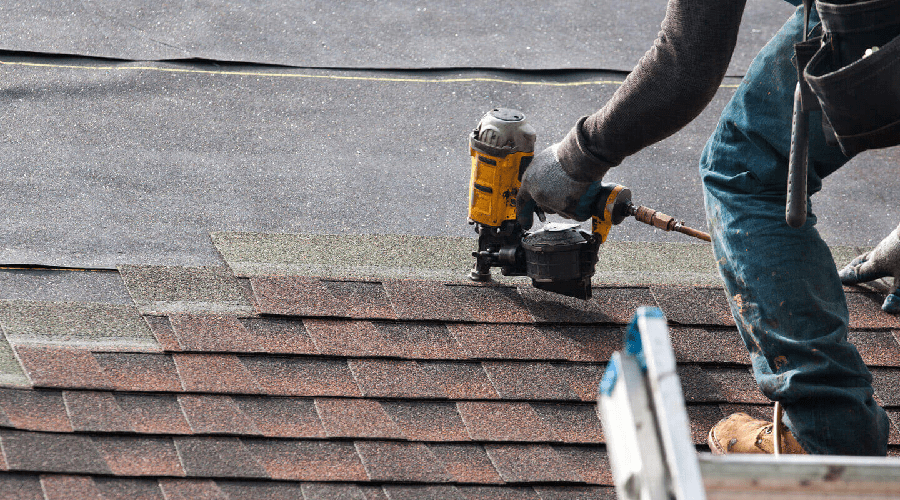
The roof is one of the most important parts of your home and if it leaks, you are going to need a new one. We understand that sometimes things happen and you may not have any idea what to do next. You don’t want to be stuck with an expensive bill for something that could have been avoided. That’s why we’ve compiled this list of tips on how to file a claim after getting water damage from your roof.

What Is A Roof Insurance Claim?

A roof insurance claim is a process that you have to go through in order to get your insurance company to pay for the damage that has been done. If you don’t have any idea what to do next, we’re compiling a list of tips on how this whole process works so you can file your claim as soon as possible and reduce the cost of getting it fixed.

How To File For A Roof Insurance Claim

If you have gotten a roof insurance claim, here are the steps that you need to take in order to file for it.

1. Figure Out The Damage That Has Been Done And How Much It Will Cost

The first step is figuring out how much money you’re going to need to get your whole roof fixed. This includes getting an estimate from a contractor of how many days they will be working on it and what materials they’ll need. This should give you enough information about whether or not this project can be considered worth filing a claim for.

2. Find Your Policy Documents

To find your policy documents, go through all of your files and try to locate your policy number as well as any other paperwork that was given to you when you first filled out the paperwork. This will make it easier for you to get in touch with your insurance company and find how much coverage you have on this type of claim.

3. Contact Your Insurance Company

If you’re having trouble finding anything that you need, then call up your insurance company and ask them to provide the policy number. After they do so, ask them if there’s any deductible that comes with filing a roof claim even if it’s not too high. You also want to confirm that there are no other things that would cause complications when filling out a roof claim like preexisting damage or missing shingles before getting in touch with an adjuster from the company to talk about what needs to be done next.

Steps Of Filing For A Roof Insurance Claim

Here are the steps that you need to follow in order to file for a roof insurance claim.

1. Contact an adjuster

The first thing you need to do is contact an adjuster from your insurance company and let them know what happened and how much damage there’s been. They’ll ask you questions about the incident, schedule a time with the contractor for them to look at it, and then provide you with any paperwork that they may require for making repairs such as receipts or estimates.

2. Choose your contractor

After everything has been settled down, then you will want to go through your contacts and find someone local who specializes in roofing jobs so they can start working on getting the process started as soon as possible. You are also going to need to keep in touch with your adjuster from the insurance company so you can provide them with more information about what’s going on as well as get everything settled.

3. File your paperwork

After all of this, make sure that you file your paperwork correctly and follow through whatever the process is so that you receive your compensation quickly without any problems. You’ll want to do this so that you won’t have any trouble getting anything fixed if it happens again or having to deal with too much money being taken out of your bank account. Doing everything right is a big part of how you can successfully file for a roof insurance claim.

Things To Ask Before Filing For A Roof Insurance Claim

Here are some things that you may want to ask your adjuster before filing for a roof insurance claim.

1. Are there any pre-existing conditions that could cause complications?

You don’t want to file for a roof claim only to find out that the company is saying that they won’t cover anything because there has been preexisting damage or other problems. That’s why it’s smart to figure this kind of thing out before your contractor even does their work, so make sure that you’re very clear with what needs to be done and how so that you’ll be able to move forward with this process as quickly as possible without any kinds of issues popping up.

2. How much will the repairs cost me?

Another big part of figuring out if it’s worth filing a claim for is how much this project will cost you in terms of time, money, and effort. You’ll want to talk with an adjuster about who the contractor is that they’re going to use as well as how much it cost to get everything fixed so that you can decide if all of this is worth your time or not.

3. What kind of paperwork do I need to file?

One thing that you’ll be asked right away when talking with your insurance company about filing a roof insurance claim is what kind of paperwork you have on hand along with information such as receipts or estimates from your contractor. If anything seems unusual or unclear, then make sure that you ask them about what needs to be done and when you can start getting things done so that this process goes smoothly from beginning to end.

4. How long will everything take?

Depending on the size of the job and what needs to get fixed, it’s possible that filing a roof insurance claim may take longer than expected. If that’s the case, then make sure that you’re prepared for it and know what to expect before starting any work on your home. You want everything to go as quickly and as easily as possible in order to reduce any negative feelings about having to file a claim in general since it’s never fun dealing with an insurance company who might not always be trustworthy or fair. That’s why being ready for anything is important if you plan on filing for a roof insurance claim.

The roof is one of the most important parts of a house, and it should be taken care of to ensure that your home stays in good shape. A new roof can help with problems like leaks or water damage as well as increase the value of your property. If you’re wondering whether you should go with a re-roof or replace your roof entirely, here are some reasons why replacing may be a better option for you.

Roof Replacement is usually less expensive than a Re-Roof

Repaving a road can cost hundreds of thousands of dollars, while re-roofing a roof may only set you back. A completely new roof often costs less, making it an economical choice for many people.

If your roof is damaged in one specific area and there’s no visible damage to the rest of the structure, why waste money on repairing just that space when you can get a whole new roof for less? Furthermore, if multiple spots are damaged and require repairs repeatedly over time, getting a replacement will save you from having to worry about leaks year after year.

A Roof Replacement will last much longer than a Re-Roof

The asphalt shingles that are used for re-roofs usually last about 20 years, but if your roof is made out of wood shake or slate, it can easily last you for up to 50 years. If you go with a traditional roof replacement, there are several options available for long term protection such as metal roofs and tile roofs that will provide excellent durability and last decades at the same time.

If your home already has a very strong structure and waterproof foundation, it may just be more economical to replace the entire roof instead of trying to repair certain spots. The cost difference between repairing and replacing can be quite significant even when you don’t take into account the costs of any potential leaks this could cause over time. Think about how much money you could save if you never have to call a roofer again for repairs.

New Roofs look Great and add Value to your Home

Numerous studies have shown that people will pay more money for properties with new roofs. The association between good construction and an expensive looking home is one of the reasons why these types of homes sell faster than others. If you’re selling your home, selling it for more money can make quite a difference in whether or not you’ll be able to buy another property when the time comes.

Roof Replacement Preserves Your Existing Structure

Re-roofing involves removing and replacing the old material but doesn’t change anything about the underlying structure like a replacement does. This means that re-roofing can cause your walls to warp as moisture gets trapped between them and the roof.

Roof replacement, on the other hand, is a much more straightforward and failsafe process that doesn’t alter anything about your house except for replacing the actual roofing material. If you’re worried about damaging your home in any way during this process, consider going with new materials instead of repairing or re-roofing the existing ones.

A Roof Replacement Can Improve Airflow Within Your Home

Replacement will not just provide protection from rain and snow but also give you better air circulation because it won’t trap heat when compared to asphalt shingles or wood shake in your attic. You’ll never have to worry about being too hot in the summer or being cold in the winter again once you go with a replacement.

The durability and protection that it provides, as well as its potential to increase the value of your home in the future makes replacing your roof a great decision. The only question left is whether you want asphalt shingles or metal roofing. If you’re not sure which one will be best for your home, talk to an expert.

A superior roofing company can only do it if there is a need for roof restoration, repair, replacement, and new installation. But selecting a desire roofing company for high-quality services undoubtedly qualifies as a big decision based on cost and longevity viewpoints. Before making any big decision, it is compulsory to go through the required qualities and features of the company to ensure that you are making an appropriate choice.

Below we have listed a few characteristics that every contracting roofing company should have. 

  • Legal License: A good roofing company https://oneworldroofing.com/ must be licensed under the state license agreement. If a company has a legitimate license, the company has passed through both the roofing and business exam for getting authority that they are eligible for getting a roofing license.
  • Skilled workers: Always ensure before hiring that team of the roofing company is capable enough to provide you an excellent service. Read the customer’s reviews on the company’s website; you can quickly evaluate the quality of professional staff they include. They should well train professionals who went through a company’s training program to ensure a high standard of work.
  • Provide warranties: No doubt roofs are an expensive investment for every customer, so there is always a need for warranties and guarantees that make customers feel more secure. Warranty from a roofing company is necessary to feel safe; if something goes wrong, there is a solution. You should always check shingle warranty, quality warranty, manufacturer warranty, and installation warranty.
  •  Honest estimate: Although every business provides services to make a profit, it should be done lawfully. Companies like One World Roofing always offer fair and free estimates for different roofing projects, which permit clients to evaluate what their experts are recommending, how much the other roofing processes will cost, and when it will be accomplished. 
  • Established in a local area: Always deal with the roofing company that is trusted. That means ensuring before hiring that the dealing company is experienced in the domain and has executed different projects in the local area near you.


Essential oils are aromatic compounds extracted from various parts of plants. These components can now be isolated and used in the same quantity as they exist in nature.

Before it was not possible to extract all of the perfumes and aromas that make up an entire plant into one small bottle. Now with advancements in science, essential oils are created in labs and only essential components are extracted.

Essential oils can be used for a variety of purposes, such as aromatherapy, cleaning products, and personal hygiene. Those who are using a scented diffuser may also use essential oils.

How to Choose the Right Essential Oils

Great essential oils will have the best quality ingredients, with little to no additives or fillers. These types of essential oils take time to create and should not be cheapened by adding extra ingredients that do not need to be added.

When picking out an essential oil brand, it is important to ask questions about how they make sure their essential oils are clean and pure. When looking at all brands make sure the herbs they use come from sustainable agriculture sources.

When using essential oils, always make sure you dilute them before applying them topically on the skin. It is also important to research any contraindications of your essential oil brand.

For example, essential oils that contain pulegone should not be used by pregnant women or people with liver complications. If you are unsure if your essential oil blend contains something like this it is best to check first before use.


The Benefits of Essential Oils

Aside from using essential oils on scented diffusers, essential oils have been shown to be great ways to promote the health and well being of your body.

Essential oils have been used for thousands of years as natural remedies for many health ailments. Some essential oils can also help boost focus, relieve stress, and even repel bugs.

Great Essential Oils You Can Use

Lavender

Lavandula angustifolia or lavender essential oil is an essential oil that comes from the flowers of the lavandula plant. This essential oil is typically used for aromatherapy and relaxation purposes.

In ancient cultures this essential oil was used to help promote restful sleep and relieve tension. Lavender is also used to help relieve muscle pain, fevers, headaches, and joint pains.

Lemon

Lemon essential oil comes from the peels of citrus fruits. This essential oil is typically used to help relieve skin conditions and promote healthy hair. Lemon essential oil can be used in aromatherapy to promote a sense of happiness and joy, and is often added to cleaning products because it has deodorizing properties.

Research shows that using lemon essential oils topically may help with reducing cellulite, helping with acne, or clearing up blemishes on the skin. If you suffer from hair loss, lemon essential oil could help promote healthy hair growth and gain back your lost volume.

Essential oils that contain basil, cilantro, oregano and thyme essential oils should be avoided while pregnant. Essential oils that contain bergamot essential oil may interact with medications such as blood thinners.

Peppermint

Peppermint essential oil comes from the leaves of the peppermint plant. This essential oil is typically used to help relieve pain, reduce nausea symptoms, promote healthy digestion, provide energy and improve mental alertness.

Research shows that using peppermint essential oils topically may help reduce symptoms associated with arthritis inflammation such as swelling and joint pain. If you are suffering from any type of medical condition or illness make sure you consult your doctor before trying any essential oils because essential oils interact with many medications.

Essential oils are commonly known to promote a sense of happiness and joy, but peppermint essential oil also provides relief from bad breath, headaches, and nausea symptoms caused by motion sickness. Peppermint essential oil is one of the safest essential oils available so it can be safely used on the skin and in food preparation.