

Archive

April 2024

Browsing

Moving to a new location is an exciting and simultaneously hard event. The fact that the move could extend from the same town to a different state demands a lot of intricacy in terms of packing and relocating one’s belongings safely which can be bothersome.

This is where moving companies play a crucial role. In this article, we shall talk about several factors for you to dwell on before you pass on your important possessions to a moving company so you to enjoy a safe and satisfying transfer of your valuables.

Reputation and Reliability

Before putting trust in a moving company, you need to check its reputation and reliability. One way to establish the quality of a service is to go for reviews and testimonials from previous customers.

As you check on these items, it is possible to tell how well a service delivers to its customers and how they are rated on reliability. A top-notch moving firm will have a record of delivering items on time. Another piece of advice is to make sure that the contractor is licensed and insured.

Services Offered

It is imperative to establish the list of services you would like to have and then select the moving company with such goals. To mention a few, some moving companies are well known for their local relocations within the same towns while others take pride in offering a wide range of services from long distance to international relocations. Seek advice from the moving company about the services they provide.

Cost and Transparency

The moving process is inevitably expensive and for this reason, upfront costing and honoring of the contract terms become of high importance and thus the movers company has to be transparent.

Request a comprehensive quote that contains all the defined expenses such as packing services, transportation in addition of other services. Moreover, you must get to know the company’s terms and conditions, especially their policies of deposit and payment way of acceptance.

Working together with a moving company can be an invaluable tool to make the relocation faster and smoother, which is huge while tackling the stress of packing all your belongings. By taking into account these decisive determinants you can guarantee a smooth and successful move.

Living in a climate with hot summers, we all depend on our air conditioners for cool and comfortable surroundings. However, air conditioners require regular maintenance and sometimes repair to keep them running efficiently. When your AC unit starts malfunctioning, prompt and professional AC repair in Manassas, VA, can prevent a small problem from escalating into a major headache. A well-maintained and properly repaired AC unit not only ensures comfort but also safety in your home. In this guide, we will discuss the importance of professional AC repair and how it can keep your home safe and efficient.

Why Regular Air Conditioning Maintenance Matters?

Air conditioners are complex machines and require regular maintenance to work at their optimal capacity. Here are a few reasons why regular servicing is essential:

  • To Ensure Safety: Electrical issues can cause major problems in air conditioners, which can be a potential safety hazard. Professionals can identify and rectify these issues during routine maintenance.
  • For Better Efficiency: Proper maintenance can help your AC run more efficiently, reducing energy consumption and saving on your electricity bills.
  • To Increase Lifespan: Regular maintenance services can help enhance the life of your unit, saving you from the cost of an early replacement.

Recognising When Your AC Needs Repair

Understanding the signs that your air conditioner requires repair is crucial. Some common symptoms include your AC producing unusual noises, drastically reduced cooling, sudden spikes in the power bill, and frequent cycling.

The professionals associated are trained to identify and address such issues promptly. They can help you restore your AC to its optimal working condition, ensuring comfort and peace in your home.

Advantages of Professional AC Repair Services

Hiring professionals for your AC repair brings in a host of benefits, such as:

  • Expertise and Experience: They bring in-depth knowledge about various AC models and are equipped to handle even complex repairs.
  • Use of Original Parts: Professionals ensure the use of quality parts during repairs, enhancing the lifespan of your air conditioner.
  • Guarantee on Services: Most professional AC repair services offer a warranty on their services, providing you peace of mind.

Planning Ahead: When to Consider a Replacement

Although regular maintenance and timely repairs can considerably boost the life of your AC, no unit can last forever. Paying close attention to your air conditioner’s performance and knowing how to tell when it’s time for a new air conditioner can be a major advantage. From your unit’s age to escalating energy bills, multiple factors can indicate it’s time to consider a new device.

Conclusion

Regular professional maintenance and timely repairs can ensure the safety and efficiency of your air conditioner. Don’t wait for your AC to completely stop working before seeking assistance from professionals. Keep an eye out for any signs of malfunctioning and address them promptly to maintain a comfortable home environment. Remember, prevention is always better than cure when it comes to your AC unit!


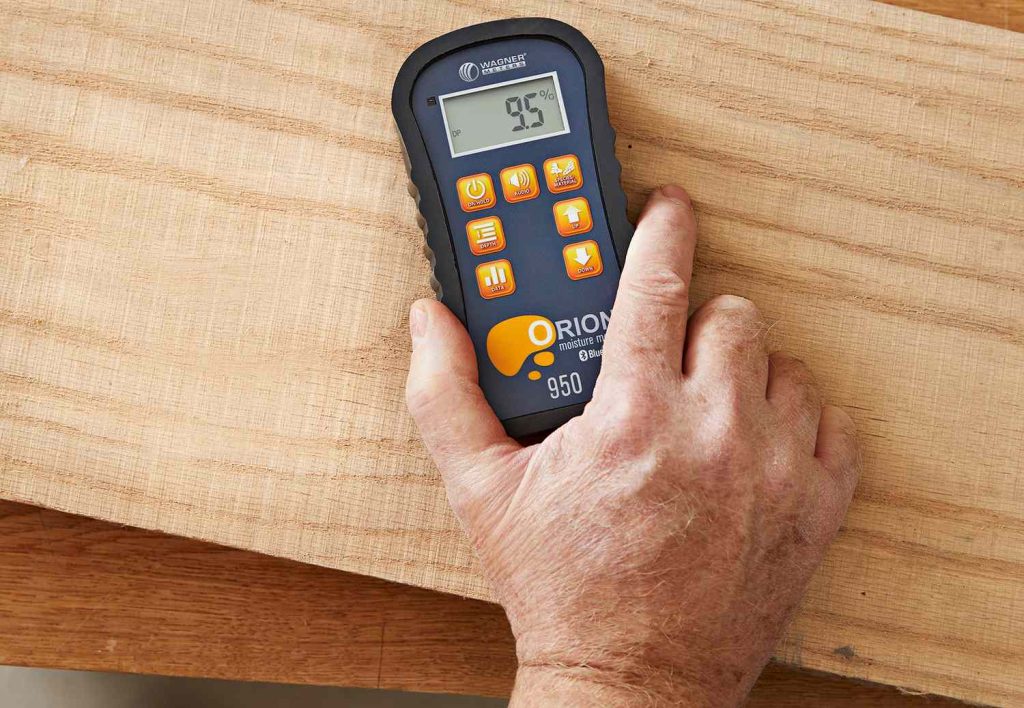
Moisture, a silent foe, poses significant risks to the health and stability of buildings. Left unchecked, it result in structural deterioration, mold proliferation, and diminished energy efficiency. Modern advancements offer an effective solution for revealing these concealed threats – The moisture meter.

A moisture meter is a device designed to measure the moisture content within various materials, such as wood, drywall, concrete, and insulation. These meters come in different forms, including pin-type meters, which require penetration into the material, and non-invasive meters, which use electromagnetic waves or radio frequency signals to detect moisture levels.

Secrets a moisture meter reveal

A moisture meter is a powerful diagnostic tool that unveils a wealth of information about the condition of your building.

  1. Hidden leaks

The primary benefit of a moisture meter is its ability to detect hidden leaks that may not be visible to the naked eye. Whether it’s a slow leak in a pipe, a faulty window seal, or a roof leak, a moisture meter pinpoints the source of the moisture intrusion, allowing for timely repairs and preventing further damage.

  1. Moisture mapping

Moisture meters create a moisture map of your building, highlighting areas with elevated moisture levels. This information is invaluable for identifying potential problem areas and prioritizing remediation efforts.

  1. Post-remediation verification

A moisture meter verifies that the affected areas have dried out entirely after addressing a moisture issue, such as a water leak or flood. This step is crucial to ensure the problem has been fully resolved and prevent future mould growth or structural damage.

  1. Insulation effectiveness

Moisture meters also be used to assess the effectiveness of insulation in walls, attics, and crawl spaces. Wet insulation loses its ability to provide proper thermal protection, leading to increased energy costs and discomfort for occupants.

  1. Concrete evaluation

In buildings with concrete structures, moisture meters are used to evaluate the moisture content of the concrete. Excessive moisture in concrete leads to issues such as cracking, spalling, and reinforcement corrosion, potentially compromising the structural integrity of the building.

Choosing the right moisture meter

  • Material type – Different materials require different types of moisture meters. For example, pin-type meters are well-suited for measuring moisture in wood, while non-invasive meters work better for concrete or drywall.
  • Accuracy and resolution – Look for a high-accuracy and resolution moisture meter to ensure precise measurements. This is especially important for critical applications or when dealing with sensitive materials.
  • Ease of use – Consider a moisture meter with a user-friendly interface and clear display for straightforward data interpretation and recording.
  • Data logging and integration – Some moisture meters offer data logging capabilities or the ability to integrate with other building diagnostic tools, providing a more comprehensive picture of your building’s condition.

Interpreting moisture meter readings

  1. Wood – A moisture content above 20% is generally considered excessive and leads to potential issues like rot or mould growth.
  2. Concrete – In concrete, a moisture content above 5% can indicate potential problems, such as compromised structural integrity or potential for reinforcement corrosion.
  3. Drywall and Insulation – Any moisture content above the recommended levels for the specific material should be investigated and addressed for drywall and insulation.

It’s important to note that these are general guidelines, and the acceptable moisture levels may vary depending on the specific material, climate, and building conditions. Consulting with a professional vital building inspection or referring to manufacturer guidelines is recommended to interpret moisture meter readings accurately.

When it comes to protecting your home and belongings, understanding what does flood insurance cover is essential. In regions where floods can occur unexpectedly, securing flood insurance ensures that you are not left out in the cold should disaster strike. Floods can cause extensive damage to not just the structure of homes but also to the personal possessions within. This is where the importance of flood insurance becomes undeniable, offering a safety net that can help you recover without bearing the overwhelming costs alone.

NIA Home recognizes the significance of having comprehensive flood insurance. In an era where climate change and unexpected weather patterns are becoming more common, having a reliable policy that covers flood damage is indispensable. It emphasizes that a standard homeowners’ insurance policy might not cover flood damage, highlighting the importance of obtaining a separate flood insurance policy to ensure full protection.

What flood insurance usually covers?

Understanding what does flood insurance cover is vital for homeowners and renters alike. Here are five key aspects usually covered by a flood insurance policy. 

Structural damage 

Flood insurance covers damage to the physical structure of your home. This includes the foundation, walls, and roof, ensuring that the main components of your home can be repaired or rebuilt.

Electrical and plumbing systems 

Flood insurance plays a crucial role in mitigating financial losses by covering repair costs for damaged electrical wiring and plumbing systems, essential for restoring a home’s functionality after flood-induced damage. 

Personal property 

Personal belongings such as furniture, electronics, and clothing can also be protected under flood insurance. This coverage helps you replace or repair items that have sentimental or high monetary value.

Appliances 

Major appliances like refrigerators, washing machines, and dryers are often covered. Given their cost, having them included in your flood insurance policy can save you significant money.

Detached structures 

Many policies extend coverage to structures not attached to your home, such as garages, sheds, and fences. This comprehensive coverage ensures that every part of your property is protected. 

To sum up 

Flood insurance is essential for safeguarding your house and financial security. With a plethora of services at your disposal, affordably priced flood insurance provides peace of mind against the unpredictable nature. Never forget that your goal should be to recover from a calamity with the least amount of financial hardship possible. Flood insurance offers that security for every homeowner or tenant, which makes it a priceless asset.