Archive

January 2024

Browsing

The appeal of doing repairs, construction, and crafts by hand is a satisfying and age-old pastime. Having a designated location to let your imagination run wild is crucial whether you’re an expert at DIY home projects, a carpentry hobbyist, or an automobile tinkerer. Workshop sheds, sometimes known as “man caves” or “she sheds,” provide the perfect hideaway for your DIY projects. We’ll dig into the realm of workshop sheds Perth in this detailed guide and examine why they make the best DIY workshop hideaway.

The DIY Workshop: A Centre for Innovation and Skill

A do-it-yourself workshop is a place where one’s creativity is given shape, where thoughts are materialised, and where ordinary materials are elevated to the level of amazing inventions. Whether you prefer building furniture, restoring classic automobiles, or creating one-of-a-kind presents, having a room that is exclusively devoted to your hobby makes the process more pleasurable and productive. The purpose of workshop sheds is precisely to provide individuals with a location in which they may hone their creative impulses, pursue their hobbies, and engage in a wide variety of do-it-yourself tasks.

The Versatility of Workshop Sheds

Sheds that function as workshops provide flexibility, making them an excellent location for a wide range of pursuits. The following is a list of some of the most important uses that workshop sheds are put to:

Woodworking Shop

Those who like woodworking may outfit their workshop sheds with the necessary equipment, workbenches, and storage options for a full woodworking experience. Your workshop shed may be adapted to accommodate a wide variety of projects, including the construction of cabinets, intricately carved patterns, and furniture making.

Automotive Workshop

Those who are passionate about automobiles may turn the sheds that house their workshops into oases dedicated to the industry. These locations are ideal for doing vehicle maintenance and repairs, as well as restoration projects for automobiles. You will be able to preserve your automobile collection or remodelling projects in pristine shape if you have sufficient room and enough airflow.

Studio for Crafting and Hobbies

If painting, drawing, or other creative pursuits are more your thing, consider converting your workshop shed into a personal studio where you can concentrate on your hobbies. These sheds provide a dedicated and inspiring environment for the artists, craftspeople, and hobbyists that utilise them.

Do-It-Yourself Home Improvement

Workshop sheds are the perfect place to store all of your tools and equipment if you like working on home improvement tasks on your own. You will have a place to plan and carry out your tasks, whether they include repairing plumbing problems or constructing a new deck.

Gardening and Glasshouse Spaces

Some tool sheds may also be used as areas for gardening or for housing glasshouses. You may use your shed as a nursery for seedlings, a place to keep potted plants, or for storing gardening supplies if you have a green thumb.

The Function of Workshop Sheds Perth Builders

The knowledge of professional sheds Perth builders is sometimes crucial to the accomplishment of a workshop shed project, regardless of whether it is being undertaken in Perth or anywhere else. These specialists are very helpful for the following reasons:

1. Personalisation

Workshop shed manufacturers will collaborate closely with you to ascertain your specific needs and will create a shed that is appropriate for your engagement in do-it-yourself projects. They help you create a strategy that enhances the workflow and makes the most out of the area you have available.

2. Compliance

The construction of a workshop shed may be subject to the legislation and building requirements of the local area. Constructors of workshop sheds are well-versed in these standards and will ensure that your shed is created in accordance with them, so preventing any possible legal complications that may arise.

3. High-Quality Materials

Expert workshop shed builders have an extensive range of superior materials at their disposal, guaranteeing the longevity and robustness of your shed. They will be able to provide you advice on what will be most useful for the activities you want to engage in and for the environment in which you want to operate.

4. Construction Done by a specialist

Constructing a workshop shed calls for the assistance of a construction specialist to ensure the building’s safety and structural soundness. Craftsmen that specialise in building workshop sheds have the training and expertise necessary to create your shed to the highest possible standards.

5. Attractive design

Workshop sheds may be more than simply useful; they can also be attractive. The professional workshop shed builders that you choose may offer you design choices that are in keeping with the aesthetics of your property, resulting in a shed that enriches the entire landscape of your property.

In Summary

A workshop shed is a sanctuary for those who are enthusiastic about do-it-yourself projects; it’s more than just a space. It’s the space where concepts are developed, ideas are realised, and unbridled creativity may flourish. Whether you’re building, repairing, or manufacturing anything, having a designated workspace makes the task more enjoyable and productive overall.

Workshop sheds have evolved into the hub of all things do-it-yourself (DIY) in a city like Perth, where the DIY movement is booming. These versatile structures protect do-it-yourselfers from the elements and their ongoing undertakings. Furthermore, they provide strategies for space management and design an environment that is adaptable and inspiring for a wide range of activities.
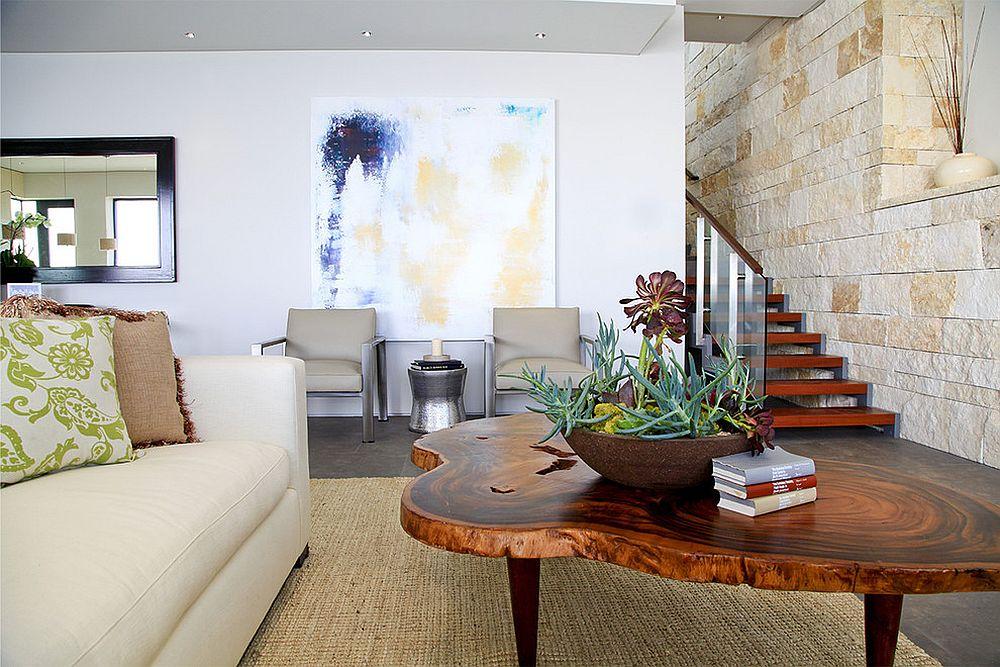
A live edge coffee table, also known as a natural edge or live edge wood coffee table, is a distinctive piece of furniture showcasing wood’s raw, organic beauty. Unlike conventional tables, live edge variants preserve a tree trunk or slab’s natural contours, knots, and bark. This creates a unique and visually striking focal point that brings a touch of nature into your living space.

In this article, we’ll explore the allure of live edge coffee tables and why they make a compelling addition to any home. Whether you’re drawn to their one-of-a-kind aesthetics or seeking to infuse rustic charm into your decor, these unique coffee table ideas offer a blend of functionality and artistic expression that can transform your living space into a haven of natural beauty.

The Beauty of Imperfections: Why Live Edge Furniture Adds Character to Your Space

Here’s why live edge furniture is celebrated for its imperfections and how it can add character to your space.

Embracing Nature’s Artistry

Live edge furniture preserves the natural contours, knots, and grains of wood, allowing you to bring a piece of the outdoors into your home. Each imperfection tells a story, adding depth and authenticity to your space.

Handmade Craftsmanship

Live-edge furniture is typically handcrafted by skilled artisans. The meticulous attention to detail and the human touch imbue these pieces with a sense of warmth and character absent in mass-produced furniture.

One-of-a-Kind Piece

No two live-edge pieces are exactly alike. Each slab of wood has a distinct form and quality, ensuring that your furniture is one-of-a-kind. This exclusivity gives your place a feeling of personality, making it yours.

Blending with Modern Aesthetics

Live-edge furniture can seamlessly integrate with modern and contemporary interiors despite its rustic origins. The juxtaposition of raw, organic wood with sleek, clean lines creates a visually captivating contrast that can anchor a room’s design.

Enhanced Visual Appeal

The natural irregularities and variations in colour and grain patterns of live edge furniture add visual interest to any room. They become focal points that draw the eye and invite exploration.

Versatility in Design

Live edge furniture comes in various forms, from a dining table to a timber coffee table, shelves to countertops. This versatility allows you to incorporate these pieces into different areas of your home, creating a cohesive aesthetic that carries a touch of nature throughout.

How to Incorporate Live Edge Coffee Tables into Different Interior Styles

Here are some ideas on how to incorporate live edge coffee tables into various interior styles:

  1. Modern and Minimalist: Opt for a live edge coffee table with clean lines and a sleek design.
  2. Industrial Loft: Select a live edge coffee table with a rugged, reclaimed wood top and metal accents.
  3. Scandinavian: Choose a live edge coffee table with a light wood finish and clean, simple lines. Combine it with neutral-toned furniture, such as light grey or beige sofas and chairs.
  4. Bohemian Eclectic: Embrace the eclectic nature of a live edge coffee table by mixing it with colourful and textured accessories. Layer the table with vibrant rugs, patterned cushions, and global-inspired décor.
  5. Mid-Century Modern: Opt for a live edge coffee table with a clean, geometric design and warm wood tones.
  6. Rustic Farmhouse: Choose a live edge coffee table with a thick, substantial wood top and a distressed finish. Surround it with cosy, comfortable furniture like overstuffed sofas and plush cushions.

Maintaining and Caring for Your live edge Coffee Table to Preserve its Charm

To ensure a live edge coffee table stays in prime condition and retains its charm, following some maintenance tips tailored explicitly for natural wood surfaces is important. Here are some steps you can take:

  • Dust Regularly: Your live edge coffee table’s surface may gather dust, so it’s critical to dust it often using a gentle, lint-free cloth. 
  • Avoid Direct Sunlight: Prolonged exposure to direct sunlight can fade and damage the wood. Position the table away from windows, or consider using curtains or blinds to regulate sunlight.
  • Use Coasters and Mats: Always use coasters under glasses and cups to prevent water rings and heat damage. Place mats or trivets under hot dishes or cookware to protect the wood from heat.
  • Clean Spills Promptly: If a spill occurs, wipe it up immediately with a clean, damp cloth. Avoid using harsh chemicals or abrasive materials that could damage the wood.
  • Avoid Sharp Objects: Be careful with sharp objects like knives or scissors. Avoid dragging them across the surface to prevent scratches.
  • Apply Wood Polish: Apply a premium wood polish or wax meant for natural wood surfaces on a regular basis. This helps to nourish the wood and maintain its natural lustre.

In Summary

Investing in a striking live edge coffee table is more than just acquiring a piece of furniture; it’s about elevating your living room’s entire aesthetic and atmosphere. Its natural beauty brings a little of the outdoors into your house, making it seem alive, welcome, and distinctively yours. This addition draws attention and improves the whole experience of your living space. With its blend of functionality and artistry, a live edge coffee table is a testament to the beauty found in the raw and unprocessed, making it a truly exceptional choice for enhancing your living space.

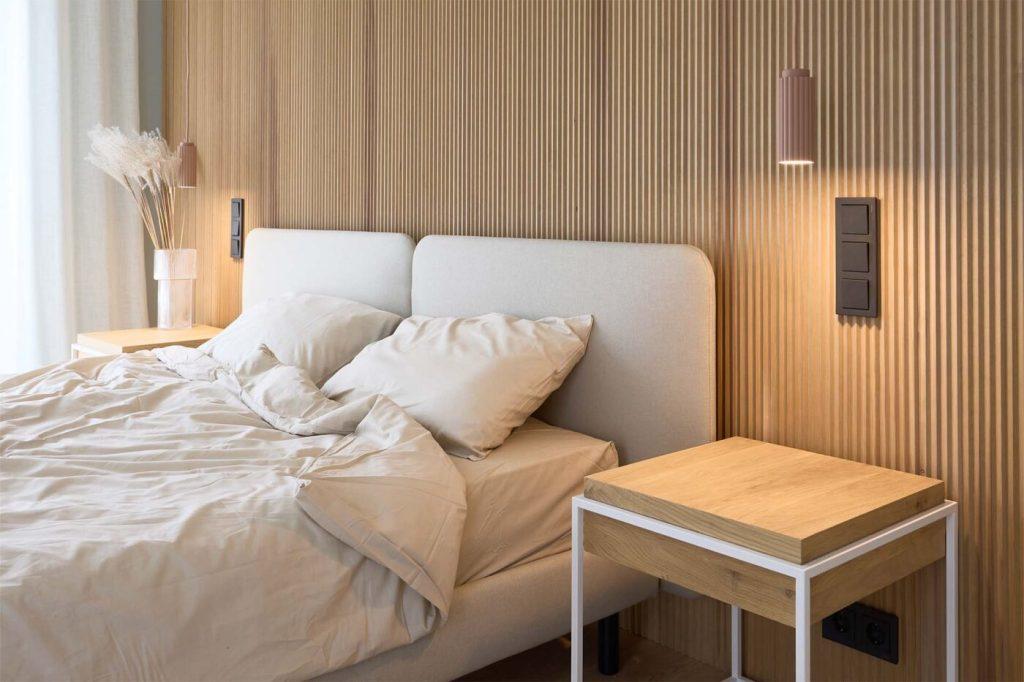
In interior design, few elements exude timeless allure and warmth, like internal timber cladding. These exquisite wooden wall panels have transcended eras, gracing spaces with natural elegance and rustic charm. From rustic retreats to contemporary sanctuaries, interior wood cladding has become indispensable in modern architectural aesthetics.

In this article, we embark on a journey to explore the multifaceted world of internal timber cladding. We delve into the myriad benefits it brings to spaces, both in terms of aesthetics and functionality. Join us as we unravel the secrets behind the enduring popularity of this age-old technique, shedding light on why interior wood cladding continues to be a cherished choice for discerning designers and homeowners alike.

The Benefits of Using Internal Timber Cladding in Your Space

Using internal timber cladding in your space can offer a range of benefits:

Enhancing Warmth and Texture

Incorporating internal timber cladding into your space can bring warmth and texture to your interiors, creating a cosy and inviting atmosphere. Timber cladding refers to the application of wooden panels or boards on a room’s interior walls or ceilings.

One of the key benefits of using timber cladding is its ability to add warmth to a space. Wood has inherent natural qualities that can create a sense of comfort and cosiness. The warm tones and natural grain patterns of timber can instantly transform a room, making it feel more inviting and relaxing.

Additionally, timber cladding adds texture to your space. The unique patterns and textures found in different types of wood can create visual interest and depth in any room. Whether you prefer a rustic, reclaimed look or a sleek, modern aesthetic, various timber options can suit your style preferences.

Creating a Natural and Organic Ambience

Internal timber cladding is a flexible and visually appealing solution for creating a natural and organic ambience inside interior areas. It is possible to bring the beauty of nature within and create a warm and welcoming atmosphere by using wood cladding in interior design.

One of the most important advantages of adopting internal wood cladding is that it can provide warmth, texture, and character to any area. The natural patterns and rich wood tones can instantly transform a room, making it feel more cosy and inviting.

In addition to its visual appeal, timber cladding also offers practical advantages. Wood is a good insulator, helping regulate temperature and lowering energy use. It also enhances acoustics by absorbing sound and making the space quieter.

Improving Acoustic Insulation and Soundproofing

Internal timber cladding has gained popularity as a solution for improving acoustic insulation and soundproofing in various spaces. This natural material has exceptional sound absorption capabilities, significantly minimising noise pollution and providing a quieter atmosphere.

The capacity of wood panelling to absorb and reduce sound waves is one of its main benefits for soundproofing. With its porous nature and fibrous composition, wood’s structure efficiently absorbs sound energy rather than reflecting it into space.

Additionally, timber cladding can act as a barrier to block out unwanted external noise. By installing wooden wall coverings, the transmission of airborne sounds from outside can be significantly reduced. This is particularly beneficial for spaces near busy roads, airports, or other sources of excessive noise.

Trending Designs and Styles for Internal Timber Cladding

Here are some popular styles and designs for internal timber cladding:

  • Natural Finishes: Emphasising the natural beauty of timber is a timeless trend. This involves using clear finishes or stains that enhance the wood’s natural grain and colour.
  • Vertical and Horizontal Panelling: Both vertical and horizontal cladding arrangements are popular. Vertical panelling can create the illusion of higher ceilings and a sense of grandeur, while horizontal panelling tends to be more traditional and can make a space feel wider.
  • Reclaimed and Weathered Wood: Using reclaimed or weathered wood can add character and a sense of history to a space. This trend supports sustainability and adds a rustic touch.
  • Geometric Patterns: Creating geometric patterns with timber panels can add visual interest and a modern touch to a space. This can be achieved through various cuts and arrangements of timber.
  • Multi-toned Cladding: Using different tones or species of timber in the same space can create a striking visual effect. This can be done by alternating panels, creating patterns, or using different wood types for architectural elements.
  • Charred Timber Cladding (Shou Sugi Ban): Shou Sugi Ban is a Japanese technique that charms the wood surface to create a weatherproof, insect-resistant finish. Charred timber cladding Australia has gained popularity for its unique, dark appearance.

In Summary

Incorporating internal timber claddings is a statement of sophistication and an investment in your space’s enduring beauty and functionality. Their ability to infuse a sense of timelessness into any interior ensures they remain a coveted choice for discerning homeowners, architects, and designers alike. Elevate your space with the timeless beauty of internal timber claddings, and revel in a living environment that exudes character and comfort.

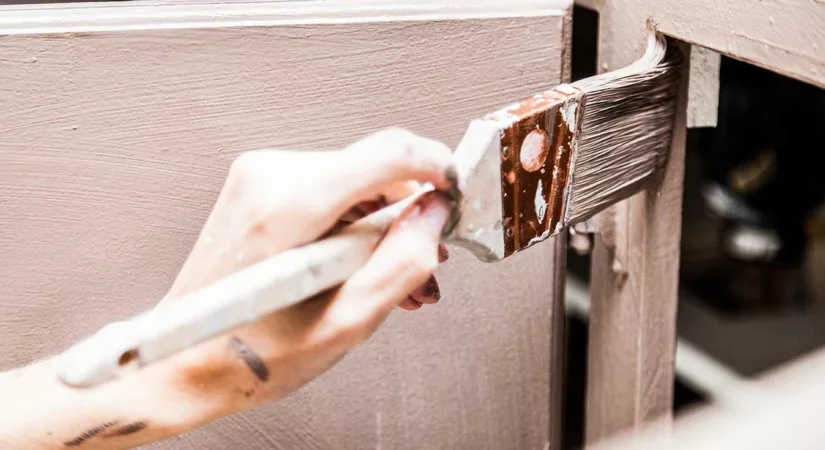
Painted cabinets can be a stunning focal point in any kitchen or living space, but the longevity of their beauty can be compromised if paint begins to chip off. Preventing paint chipping off cabinets requires careful consideration of both the painting process and subsequent maintenance. 

Here are three vital tips to ensure your cabinets retain their flawless finish over time. 

Proper Surface Preparation 

The foundation of a durable paint job lies in meticulous surface preparation. Before applying any paint, it is essential to thoroughly clean and sand the cabinet surfaces. Remove any existing paint, grease, or grime to create a clean and smooth canvas. Properly prepared surfaces ensure better paint adhesion, reducing the likelihood of chipping. 

Additionally, choosing the right primer is crucial. A high-quality primer creates a strong foundation for the paint to adhere to, enhancing durability. Select a primer that is compatible with both the cabinet material and the chosen paint type. Applying a primer also helps prevent moisture from penetrating the wood, reducing the risk of paint chipping due to swelling or warping. 

Use Quality Paint and Application Techniques 

The type of paint used plays a significant role in preventing chipping. Invest in a high-quality, durable paint specifically designed for cabinets. Enamel or latex paints with a semi-gloss or satin finish are popular choices for cabinets due to their durability and ease of cleaning. Consider applying multiple thin coats rather than a single thick coat to achieve even coverage without compromising the integrity of the paint. 

Proper application techniques also contribute to preventing chipping. Ensure that each coat is allowed to dry completely before applying the next. Rushing the painting process can result in inadequate bonding between layers, making the paint more prone to chipping. Use quality brushes or rollers to achieve a smooth finish, and pay attention to corners and edges where chipping is more likely to occur. 

Implement Preventive Maintenance Measures 

After successfully painting your cabinets, ongoing preventive maintenance is key to preserving the paint finish. Avoid harsh cleaning agents or abrasive materials that can damage the paint. Instead, use a mild soap and water solution for routine cleaning. Wipe spills promptly to prevent prolonged exposure to moisture, which can lead to chipping over time. 

To further protect cabinets, consider installing soft-closing mechanisms to reduce the impact of slamming doors. Place felt bumpers on cabinet doors and drawers to prevent them from hitting each other when closed. 

To conclude 

By following these vital tips, you can safeguard the beauty of your painted cabinets, ensuring they remain a stunning and durable feature in your living space for years to come.