Archive

August 2023

Browsing

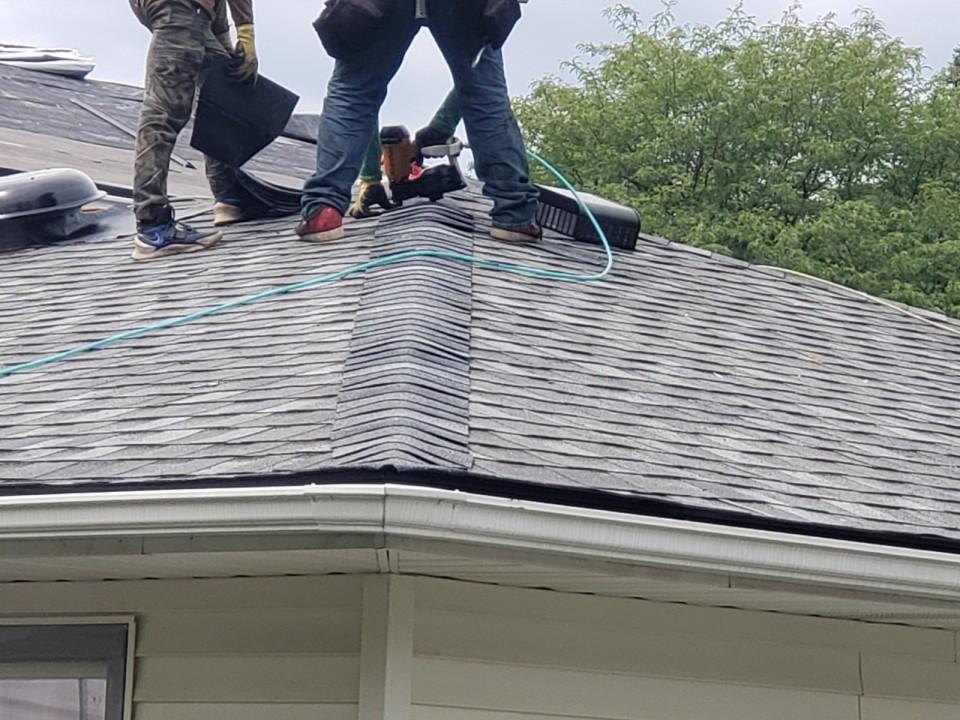
Owning a property means encountering a series of maintenance challenges over the years, and one of the most significant issues homeowners might face is roof damage. Whether due to natural wear and tear, a severe storm, or unforeseen incidents, there could come a time when your roof needs a full replacement. Coupled with the stress of the damage itself, navigating a roof replacement insurance claim can feel overwhelming. However, understanding the claim process can significantly simplify this experience.

Understanding the Importance of a Roof Replacement Insurance Claim

Your roof isn’t just an architectural element; it’s a shield, protecting your home from external elements, ensuring safety, and preserving the overall structure. The cost of replacing a roof can be substantial, depending on the materials used, the size of your property, and the extent of the damage. An insurance claim can alleviate a significant portion, if not all, of this financial burden, ensuring that you can restore your property to its optimal state without undue strain on your finances.

Key Steps in Navigating the Claim Process

  1. Assessment of Damage: Before anything else, it’s essential to get a clear understanding of the extent and cause of the damage. Engaging professionals can give you a detailed report, which will be crucial when filing your claim. They can pinpoint specific damages, whether it’s missing shingles, water damage, or structural issues, and provide a clear estimate of the replacement costs.
  2. Document Everything: The more evidence you have, the smoother your claim process will be. Take clear photographs of all the damage from various angles. If the damage was due to a specific event, like a storm, document the date, time, and any other relevant details.
  3. Review Your Insurance Policy: Before filing a roof replacement insurance claim, review your homeowner’s insurance policy to understand the specifics of what’s covered. Some policies might have clauses about wear and tear, while others might cover specific events like natural disasters. Understanding the nuances of your policy will prepare you for discussions with your insurance provider.
  4. Initiate the Claim: Reach out to your insurance company to initiate the claim. It’s essential to do this as soon as possible after the damage occurs. They will provide you with a claim number and assign an adjuster to assess the situation.
  5. Meeting the Adjuster: The insurance adjuster will visit your property to evaluate the damage. It’s advisable to have the roofing professional who assessed your damage present during this meeting. Their expertise can offer clarity and can ensure all damage aspects are duly noted.
  6. Claim Approval and Payout: Once the adjuster submits their report, the insurance company will determine the amount they’re willing to cover. If you feel the amount is unfair, you can contest it, especially if you have a detailed damage report from a roofing professional.

Conclusion

While a roof replacement might feel like a daunting endeavor, especially when juggling the intricacies of an insurance claim, the process can be streamlined with preparation and understanding. By actively engaging with professionals, documenting everything meticulously, and ensuring clear communication with your insurance provider, you can navigate the complexities of a roof replacement insurance claim with ease and confidence. A sturdy, newly replaced roof isn’t just a repair; it’s an investment in the safety and longevity of your cherished home.
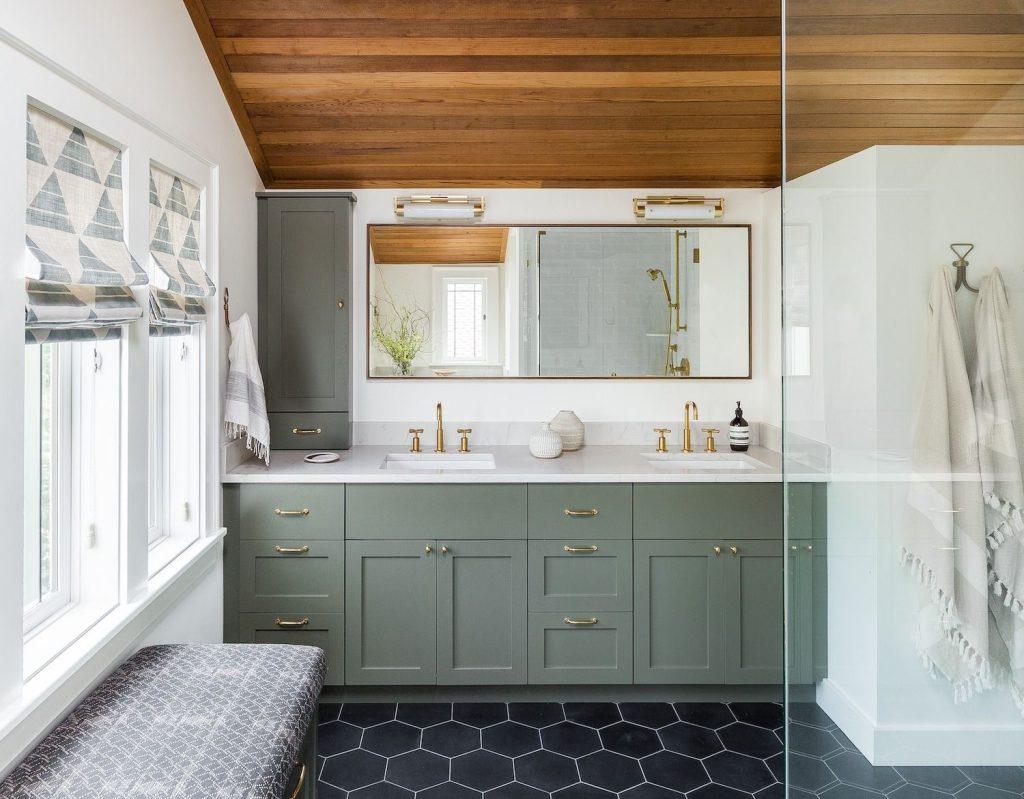

Personalisation is key to creating spaces that reflect our unique tastes and preferences in interior design. When it comes to bathroom design, one way to achieve this level of customisation is through tailor-made mirror shaving cabinets.

These cabinets, often combined with vanity mirrors equipped with lights for the bathroom or smart mirrors, providevarious features that allow you to create a personalised oasis right in your home.

Vanity Mirror with Lights for Bathroom

A vanity mirror with lights for the bathroom is an excellent choice for those looking to customise their reflection. These mirrors provide stunning illumination and add a touch of sophistication to any bathroom.

The integrated lights around the mirror provide even and flattering lighting that enhances your grooming routine. Combining a vanity mirror with lights and a mirror shaving cabinet creates a well-lit and visually appealing space, whether applying makeup, shaving, or styling your hair.

Smart Mirrors for Next-Level Personalisation

If you want to take personalisation to the next level, consider incorporating a smart mirror into your bathroom design. Smart mirrors have advanced features that allow for a truly tailored experience. These mirrors often have built-in digital displays, touch controls, and voice assistant integration.

With a voice command or a simple touch, you can adjust the lighting, play music, check the weather, or even get news updates while preparing for the day. Customising your reflection and interacting with your mirror adds a modern and high-tech element to your bathroom.

Customisation Options

Tailor-made mirror shaving cabinets offer a range of customisation options to suit your specific needs. From sizes and shapes to finishes and materials, these cabinets can be customised to blend in with your bathroom decor seamlessly. Additionally, you can choose features such as adjustable shelves, built-in power outlets, and even integrated magnifying mirrors for added functionality.

The ability to personalise these cabinets ensures ample storage space while maintaining a cohesive and personalised aesthetic.

Conclusion

Customising your reflection with tailor-made mirror shaving cabinets elevates your bathroom design. Whether you opt for a vanity mirror with lights for the bathroom or a smart mirror, these personalised additions create a unique and inviting space.

As per Remer, a well-known company that customizes smart bathroom mirrors, mirrors with features like stunning illumination, advanced technology, and a range of customisation options, you can create a bathroom that reflects your style and enhances your grooming experience.

Invest in a tailor-made mirror shaving cabinet for your personalised bathroom oasis to embrace the power of customisation.


Attic conversion projects have gained popularity as a way to maximise space in homes. This option offers the potential to transform an underutilised attic into a functional living space. However, like any home improvement project, attic conversions come with their share of advantages and challenges. 

Pros of Attic Conversions

Increased Living Space

One of the most significant advantages of attic conversion Australia is the creation of additional living space without expanding the footprint of your home. This can be beneficial for growing families or those needing a home office or guest room.

Enhanced Property Value

A well-executed attic conversion can increase the overall value of your property. The added square footage and functional space can be attractive to potential buyers, making your home more marketable.

Cost-Effective Alternative

Attic conversions are often more cost-effective than building an extension. Since the basic structure already exists, you’ll save on foundation work and exterior construction costs.

Utilisation of Unused Space

Attics are typically overlooked or used for storage. Converting this space allows you to make the most of an area that might otherwise go unused.

Cons of Attic Conversions

Structural Considerations

Attic conversions require careful consideration of the existing structure. The attic’s load-bearing capacity, roof pitch, and support beams must be assessed to ensure safety and stability.

Limited Headroom and Layout Challenges

Attics may have limited headroom due to the slope of the roof. This can impact the design and layout of the converted space. Creative solutions are needed to optimise functionality.

Insulation and Ventilation

Adequate insulation and ventilation are essential in attic conversions to regulate temperature and prevent moisture buildup. Proper insulation may require adjustments to the existing roof structure.

Planning and Regulations

Attic conversions often require planning permission and adherence to building regulations. These processes can be time-consuming and may involve additional costs.

Is It the Right Choice for You?

The decision to undertake an attic conversion depends on various factors, including your home’s structural suitability, your budget, and your specific needs. If you’re looking for additional space and value enhancement and are willing to address potential challenges, an attic conversion could be a viable option.

Seeking Professional Guidance

Given the complexities involved in attic conversions, consulting with professionals is advisable. Architects, structural engineers, and contractors can assess your attic’s feasibility for conversion, guide you through the design process, and ensure that all legal and safety requirements are met.

Conclusion

Before embarking on an attic conversion project, carefully weigh the advantages and drawbacks against your goals and circumstances. Assessing factors, such as budget, structural feasibility, and the impact on your daily life will help you make an informed decision. With careful planning and expert guidance, an attic conversion can transform your home and provide the additional space you desire.

For more information about attic conversion, check out AtticPlus—a Sydney company that specialises in attic ladders, attic storage, skylights, and illume. 

In the modern world, where comfort and energy efficiency are paramount, the role of certified HVAC technicians (Heating, Ventilation, and Air Conditioning) technicians cannot be overstated. These skilled professionals play a crucial role in ensuring the optimal functioning of HVAC systems, which have become an integral part of our daily lives.

The Expertise of Certified HVAC Technicians:

Certified HVAC technicians undergo rigorous training and education to acquire the necessary skills and knowledge to install, repair, and maintain HVAC systems. Their expertise extends beyond mere temperature control; they understand the intricacies of airflow, ventilation, humidity regulation, and air quality. This comprehensive understanding allows them to diagnose issues accurately and implement effective solutions, ensuring the longevity and performance of HVAC systems.

Quality Installations:

One of the key aspects of HVAC systems is their installation. Certified HVAC technicians follow industry best practices and local codes to install systems correctly. Improper installation can lead to inefficiencies, uneven cooling or heating, and even safety hazards. Certified technicians ensure that the equipment is sized appropriately for the space, the ductwork is properly sealed, and all components are integrated seamlessly.

Efficient Repairs and Maintenance:

Regular maintenance is vital for the efficient operation of HVAC systems. Certified technicians conduct thorough inspections, clean components, and replace worn-out parts. This proactive approach not only prevents major breakdowns but also optimises energy efficiency, leading to lower utility bills. In the event of a malfunction, certified HVAC technicians are adept at diagnosing the problem and performing effective repairs, minimising downtime and inconvenience.

Energy Efficiency and Sustainability:

As energy costs continue to rise and environmental concerns become more pronounced, energy efficiency is a top priority. Certified HVAC technicians can recommend and implement energy-saving measures, such as programmable thermostats, zoning systems, and high-efficiency filters. By maximizing energy efficiency, these technicians contribute to reducing carbon footprints and promoting sustainable practices.

Conclusion

Certified HVAC technicians are unsung heroes in our pursuit of comfort, efficiency, and well-being. Their expertise and dedication ensure that our HVAC systems operate optimally, providing us with comfortable indoor environments while minimising energy consumption.