Category

Home

Category

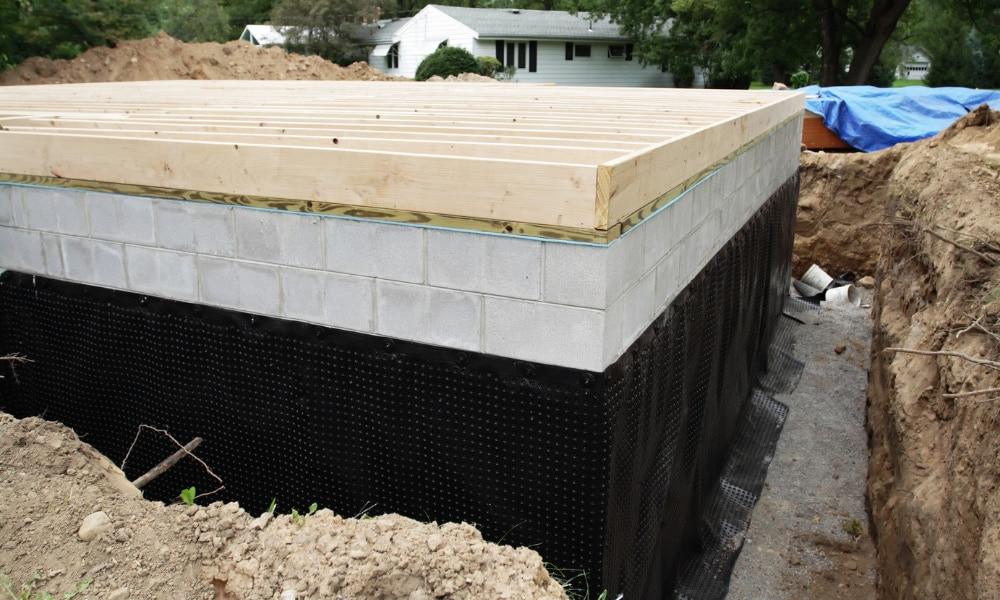
As a homeowner in Toronto, dealing with basement waterproofing is critical, especially given the city’s climate. The cost of basement waterproofing can vary widely, and understanding these costs is crucial for budgeting and planning purposes. This guide aims to demystify the basement waterproofing cost in Toronto, providing homeowners with the knowledge needed to make informed decisions.

  1. Factors Influencing Basement Waterproofing Cost

Several factors can influence the cost of waterproofing your basement in Toronto. The size of your basement is a primary determinant; larger basements require more materials and labour, thus increasing the cost. The condition of your basement also plays a role – if your basement has existing damage or severe water issues, it may require more extensive work. Additionally, the waterproofing method chosen (internal vs. external) can significantly impact the cost. While more effective, exterior waterproofing is typically more expensive due to the extensive labour involved.

  1. Average Costs for Basement Waterproofing

Homeowners in Toronto can expect a range of costs depending on the method and scale of waterproofing. On average, internal waterproofing can cost between $50 to $100 per linear foot, while external waterproofing can range from $100 to $250 per linear foot. It’s important to remember these are average figures; actual costs can vary based on individual circumstances.

  1. Cost-Effective Strategies

To manage basement waterproofing costs effectively, consider several strategies. First, regularly inspect and maintain your basement to prevent significant issues from developing. Minor repairs and preventative measures can be more cost-effective than extensive waterproofing. Additionally, seek multiple quotes from different contractors to ensure competitive pricing. Don’t forget to inquire about warranties and guarantees that can provide long-term value.

  1. The Importance of Professional Assessment

A professional assessment can provide a clearer picture of the necessary work and associated costs. Experienced contractors can offer detailed insights into the specific needs of your basement, ensuring that you pay for only what is essential. This can prevent overspending on unnecessary work.

  1. Long-Term Benefits and Considerations

Investing in basement waterproofing in Toronto is not just a cost; it’s an investment in your property’s health and value. A well-waterproofed basement prevents structural damage, mould growth, and improves the overall living environment. While upfront costs may seem high, the long-term benefits, including a potential increase in property value, often justify the investment.

Conclusion

Understanding basement waterproofing costs in Toronto requires consideration of various factors, including the size of the basement, the chosen method, and the current condition. Homeowners can effectively manage these costs and protect their homes by taking a proactive approach and seeking professional advice. Remember, waterproofing is not just a cost; it’s an investment in your home’s future.

In the ongoing global quest for sustainable living, the spotlight has shifted towards the energy sector, with a particular focus on heating solutions. Traditional heating methods, often associated with high carbon emissions and environmental impact, are undergoing a transformation. One notable player in this green revolution is heizöl kaufen, which is experiencing a paradigm shift towards eco-friendly practices.

The Transition to Biofuels:

Historically, heating oil has been criticized for its contribution to air pollution and dependence on fossil fuels. However, recent advancements in technology have paved the way for a more sustainable heating oil industry. One key development is the integration of biofuels, such as biodiesel, into the production of günstig heizöl kaufen. Biofuels, derived from organic materials like plant oils and animal fats, offer a cleaner alternative to traditional fossil fuels.

Biofuels have several environmental advantages. They are renewable, as the raw materials can be replenished, and they emit significantly lower levels of greenhouse gases when burned compared to conventional heating oil. This transition to biofuels represents a pivotal step towards a more sustainable and eco-friendly heating oil industry.

Efficiency and Conservation:

In addition to the adoption of biofuels, the eco-friendly revolution in heating oil emphasizes efficiency and conservation. Modern heating systems are designed to maximize energy output while minimizing waste, resulting in a leaner and more environmentally friendly operation. High-efficiency boilers and furnaces, coupled with advanced insulation technologies, ensure that the energy derived from heating oil is used optimally.

Furthermore, the integration of smart technologies allows homeowners to monitor and control their heating systems remotely, optimizing energy usage and reducing unnecessary consumption. These technological advancements contribute to a more sustainable heating oil industry by promoting energy efficiency and conservation.

Reducing Carbon Footprint:

The reduction of carbon footprint is a central goal in the eco-friendly revolution of heating oil. As the industry embraces cleaner alternatives like biofuels and adopts energy-efficient technologies, the overall impact on the environment diminishes. This reduction in carbon emissions aligns with global efforts to combat climate change and create a more sustainable future.

Government Incentives and Regulations:

Governments around the world are recognizing the importance of incentivizing and regulating the transition to eco-friendly heating oil practices. Financial incentives, tax credits, and subsidies are being offered to homeowners and businesses that adopt cleaner heating technologies. Simultaneously, stringent environmental regulations are pushing the industry towards greener practices, ensuring that heating oil providers prioritize sustainability in their operations.

Conclusion:

The eco-friendly revolution in heating oil marks a significant shift towards a more sustainable and environmentally conscious energy sector. The integration of biofuels, emphasis on efficiency and conservation, and the concerted efforts of governments and industry players are driving this positive change. As homeowners and businesses increasingly prioritize eco-friendly heating options, the heating oil industry is poised to play a pivotal role in the broader movement towards a greener future. The ongoing commitment to innovation and sustainability ensures that heating oil remains a relevant and responsible choice in the evolving landscape of eco-friendly energy solutions.

In the world of mobility solutions within homes for people with permanent or temporary disabilities, the debate often centres on stairlifts versus home elevators. While home elevators undeniably offer unique advantages, there is a compelling case to be made for stairlifts, and the decision might not always hinge on the most apparent factors. Beyond the conventional considerations, stairlifts present several under-discussed attributes that make them a practical and viable choice for enhancing accessibility in many homes. Let us focus on the often-overlooked aspects to help you recognise why, for a significant number of individuals, stairlifts might be the ideal option.

Stairlifts stand out for their cost-effectiveness. While home elevators often carry a higher price tag, both in terms of the initial investment and maintenance, stairlifts are comparatively more budget-friendly especially when you approach the best installers for stairlifts Scotland has to offer. This financial advantage can be especially pertinent when dealing with unexpected mobility challenges. Choosing a stairlift can bring immediate relief without incurring significant financial strain, making them a wise choice for those who need a swift and economical solution.

One compelling yet frequently underestimated feature of stairlifts is their adaptability to various types of staircases. Whether your home has a straight or curved staircase, stairlifts can be custom-designed to fit seamlessly, ensuring that no part of your home remains inaccessible. This versatility is often a deciding factor for individuals residing in homes with unique architectural layouts, which might not easily accommodate home elevators.

Moreover, the installation process for stairlifts is far less intrusive compared to home elevators. Stairlifts are typically mounted directly onto the stairs, leaving the structure of your home largely untouched. This not only reduces the time required for installation but also minimizes the disruption to your daily life. In contrast, installing a home elevator can be a more complex undertaking, involving construction work that can be intrusive and time-consuming. Search for “installers of stairlifts near me” to find the best experts in your area.

Stairlifts also promote physical activity to a certain extent. While mobility-impaired individuals benefit from using a stairlift, the act of getting on and off the chair and moving up or down the stairs can contribute to maintaining a degree of physical activity. This element is frequently underestimated but plays a vital role in preserving strength and mobility, even for those with limited mobility.

Another under-discussed advantage of stairlifts is the convenience of operation. These devices are designed to be user-friendly, with straightforward controls that individuals of all ages can operate with ease. This ensures that the elderly or those with limited dexterity can confidently and independently navigate their homes, which can be empowering and emotionally reassuring.

Furthermore, when considering home accessibility solutions, the speed of implementation can be of paramount importance. Stairlifts are typically quick to install, providing an almost immediate solution to mobility challenges. Home elevators, on the other hand, often require a more extended planning and construction phase, which can be a drawback for those in need of rapid assistance, or you don’t want to do much more structure changes to your home.

In the bustling confines of urban living, maximizing limited outdoor space is essential. Many residents are turning to innovative solutions to transform their balconies, terraces, and small yards into green retreats. Artificial grass is at the forefront of this urban green revolution, providing a practical and attractive solution that infuses a touch of nature into compact outdoor areas.

The Art of Space Utilization

When space is at a premium, every square inch counts. Artificial grass offers a versatile way to beautify these areas without the concerns of traditional lawn maintenance. It can be cut to fit any shape or size, allowing for a seamless integration into the urban landscape. This adaptability is especially useful for irregularly shaped or constrained spaces that would otherwise remain underutilized.

Low Maintenance, High Impact

One of the biggest advantages of artificial turf in small urban spaces is its low maintenance. There’s no need for mowing, watering, or waiting for the grass to grow. It’s a set-and-forget solution that stays green and lush throughout the year, freeing up precious time for city dwellers to enjoy their outdoor sanctuaries without the fuss.

Aesthetic Harmony and Functionality

Integrating artificial grass into a small space also adds a layer of functionality. It creates a comfortable area for relaxation, socializing, and even light exercise. Additionally, it complements other elements such as potted plants, outdoor furniture, and decorative accents, bringing together aesthetic harmony and practicality.

In creating these versatile urban spaces, companies like Artificial Grass UK play a pivotal role. They provide the expertise and quality materials that ensure a well-executed installation, fitting the unique needs of each urban oasis.

Environmental Considerations

In addition to its practical benefits, synthetic turf can be an environmentally responsible choice. It eliminates the need for watering, which is a significant boon in areas where water is scarce or conservation is a priority. The absence of chemical fertilizers and pesticides supports a healthier urban environment, aligning with the sustainability goals of many eco-minded city residents.

Transforming small urban spaces with artificial grass is more than a trend; it’s a lifestyle adjustment that brings nature closer to those in the urban jungle. Whether it’s creating a play area for children, a relaxing nook for adults, or a communal space for gatherings, artificial grass is an elegant solution that ticks all the right boxes for aesthetics, functionality, and sustainability.