

Category

Home improvement

Category

Shower heaters are a marvel to any home looking for increased practicality in their water utilization. They make bathing more comfortable and assist in thoroughly cleaning dishes, laundry, and many more aspects of the home. Installing a shower heater also boosts a property’s total value.

Unfortunately, your water heater for bathroom fixtures may eventually accumulate wear and tear due to constant use. At some point, you will need to purchase a new unit to maintain efficiency and reduce safety risks. 

But, how do you know it’s time for a new water heater?

Insufficient Hot Water

The most noticeable sign that your water heater needs to retire is its inability to provide hot water. Often, this problem can be fixed with a bit of repairs, but if it still cannot provide heated water after all the work done on it, consider finding a replacement. Repeatedly hiring a professional repairman to extend the life of your old water heater will only make you spend too much.

Strange Noises

Modern water heaters operate quietly. It is typically not a good sign if your shower heater begins to make sounds when in use, and it might be a symptom of a serious mechanical issue if the noises begin to get louder and stranger.

Popping, rumbling, or grinding noises are indicative of sediments causing damage to the tank of your heater. If you have a tankless unit, certain components might have been worn out or loosened. Whichever type of heater you have, unusual sounds are a telltale sign that it’s time to shop for a new water heater.

Your Heater’s Age

Often, it all comes down to the age of your appliances. A water heater that has seen better days is enough reason to let it retire. The number one reason why is that because older water heaters are more susceptible to damage and issues, which can lead to increased expenses for repairs, maintenance, and rising power bills.

Most water heaters have a useful life of around ten (10) to fifteen (15) years. When your bathrooms shower heater is between or beyond those numbers, it is time to get a new one. You can check for the age of your water heater using the manufacturing date found on the unit’s label.

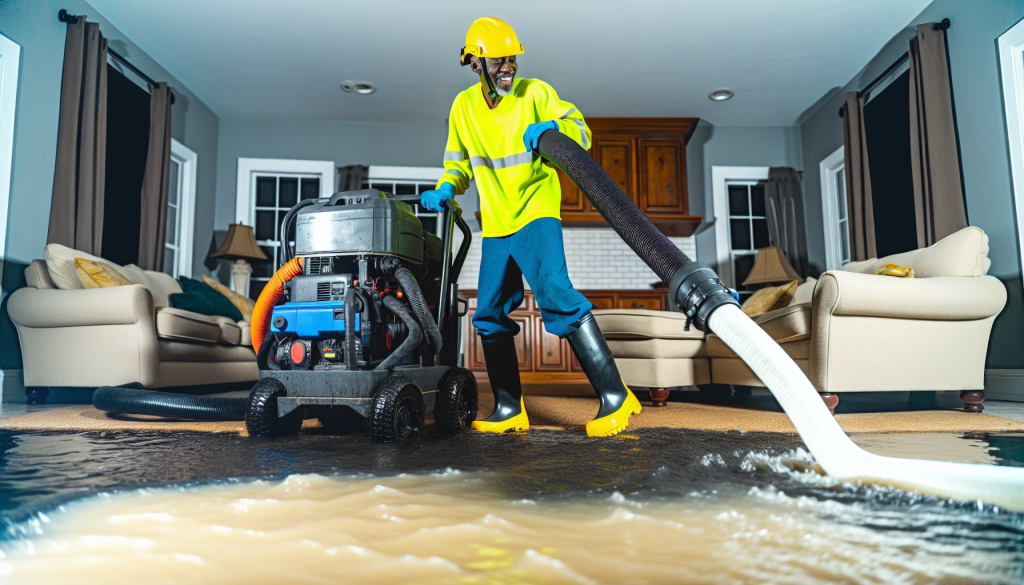
Water damage can induce considerable distress and potentially expensive restorations, constituting a homeowner’s worst dread. Regardless of the cause of the damage—a ruptured pipe, inundation, or a failing roof—immediate and effective restoration of your property is critical. By following this comprehensive guide, you will be able to effectively manage the water damage restoration services process and restore the safety and soundness of your home.

Step 1: Establish Safety Priority

Before beginning any water damage restoration work, ensure that entering the affected area is safe. Disconnect the gas and electricity supplies in order to avert potential dangers. Consider donning protective equipment, such as rubber boots and mittens, to prevent contact with contaminated water in the event of extensive water damage.

Step 2: Evaluate The Damage

Once entry is permitted, evaluate the extent of the water damage. Document the damage with photographs and recordings for insurance purposes. Recognize the water’s origin and ascertain its color (purple, grey, or black). This categorization will assist you in determining the extent of remediation that is needed and whether the assistance of experts in water damage restoration is imperative.

  • Clean water: Clean water, such as that obtained from damaged pipelines or precipitation, is generally safe but necessitates prompt attention in order to avert the growth of mildew.
  • Grey water: Grey water, which originates from appliances such as washing machines and dishwashers, may contain contaminants and necessitates meticulous management.
  • Black water: Floodwaters and black water, which originate from sources such as sewage overflows, are extremely contaminated and pose grave health risks. Expert assistance is highly recommended.

Step 3: Eliminate Standing Water

It is then necessary to eliminate any residual water. Utilize a dry/wet vacuum to maximize water extraction. You might be required to rent a submersible pump for greater volumes. Thoroughly dry the area, as any residual water may cause additional harm and promote the growth of mildew. Consider engaging the services of a professional water damage restoration company to manage the extraction if the water level is substantial.

Step 4: Dehumidify And Dry

Once the stagnant water has been extracted, it is critical to dry the afflicted area. Open windows, fans, and dehumidifiers can be utilized to increase ventilation and accelerate the drying process. Prioritize the drying of floors, walls, and any other compromised structures. Several days may be required to complete this task, contingent upon the severity of the harm. Maintain a close eye on the moisture levels to guarantee that all items are completely dehydrated.

Step 5: Clean And Disinfect

Clean and disinfect all affected surfaces once the area has dried to prevent the growth of fungi and bacteria. Water and a moderate detergent solution should be utilized to sanitize furniture, surfaces, and walls. For more severe contamination, disinfect with a solution of water and bleach (1 cup of bleach to 1 gallon of water). When using chlorine, adhere to all safety precautions and ensure that the area is adequately ventilated.

Step 6: Remove Damaged Materials

Identify any materials in your residence that are beyond salvaging. Hardwood, insulation, carpeting, and furniture may be included. Eliminate and dispose of these items in an appropriate manner in order to mitigate the growth of mold and fungus. If you are uncertain as to what can be salvaged, seek professional guidance from water damage restoration services.

Step 7: Restore And Repair

After the area has been thoroughly cleansed and dry, the restoration and repair process can commence. This may entail wall repainting, drywall replacement, or the installation of new flooring. Contractors might be required to perform specific remedies, contingent upon the extent of the damage. Ensure that all repairs adhere to building standards and regulations.

Step 8: Prevent Future Water Damage

To prevent future water damage, implement the following preventative measures:

  • Plumbing Maintenance And Inspection: Conduct routine leak inspections and address any issues immediately.
  • Sealing Windows and Doors: Window and door seals must be in good condition to prevent water infiltration during inclement weather.
  • Installing a Sump Pump: A sump pump can assist in keeping a basement dry if you reside in an area prone to flooding.
  • Gutter Consistency: Gutters and downspouts must be maintained and repaired in order to direct water away from a residence.

Conclusion

Restoring a residence that has been damaged by water can be a daunting endeavor, but you can successfully navigate the procedure by following this step-by-step guide. Consider engaging the services of a professional water damage restoration company to ensure that your property is adequately restored, while placing safety first and acting swiftly. You can protect your property for the future and mitigate the effects of water damage by being proactive and well-prepared.

An unattractive ceiling can make a whole room feel dated. Damage, stains, or outdated designs become eyesores. Fortunately, a suspended ceiling offers a budget-friendly fix. This system hangs below the existing ceiling, hiding imperfections. Contractors easily install panels that transform any space.

Why Install a Suspended System?

Several reasons exist to conceal an ugly ceiling. Safety issues like cracked plaster pose risks. Water leaks cause messy repairs. Dated popcorn or acoustic tile styles feel outdated. Suspended ceilings hide these eyesores cost-effectively. Homeowners gain upgraded aesthetics without a disruptive renovation. Contractors perform the work quickly to minimize disturbances. The modular panel design allows future access above, too.

Seeking a General Contractor

Finding the right contractor makes the project stress-free. Ask for referrals from friends with similar home projects. Check reviews of local general construction contractor companies online. Ask potential contractors about their experience with suspended ceilings. Look for licenses and insurance documentation. Request estimates with timelines and payment schedules in writing. Choose a trusted name for the installation.

Celebrating a Job Well Done

Once finished, show clients before-and-after photos highlighting the ceiling’s transformation. Point out how any defects or dated styles disappeared. Note the on-schedule, on-budget completion made possible by a professional team. Discuss maintenance like occasional light bulb changes that can now occur from above. Thank clients for trusting the general contractor with their home improvement project. Together celebrate completing another quality installation the client can enjoy for years to come.

Choosing Temporary or Permanent

For some situations, a more temporary suspended ceiling may fit the bill. In renovations where future access above remains needed, or if the budget demands a temporary solution, lighter modular panels are installed just as easily but at a lower cost. Contractors simply lift away such ceilings later when no longer required. Portable lights and outlets are used during construction periods too. With proper bracing, these lighter-duty ceilings withstand normal usage with care. Overall, the suspended ceiling offers countless options to suit any need or budget.

Future Projects Big or Small

Help clients recognize how effectively suspended ceilings transformed a part of their home or office with minimal hassle and expense. Note the contractor’s expertise across numerous other trades if future projects arise like bathroom renovations, kitchen or home remodels, roofing, siding, additions, and more. Provide business cards and referrals for specialty services too. Offering multi-faceted services builds loyalty and trust and reminds clients they remain the “go-to” name for all construction needs large and small. Express thanks again for allowing the team to help improve clients’ living spaces.

Conclusion

In summary, installing a suspended ceiling provides a simple, affordable, and sturdy solution for hiding imperfections in existing ceilings. General contractors expertly handle the process from start to finish with precision and care. Whether concealing damage, updating appearance, or preparing for future projects, this versatile system transforms any room in the home or office painlessly and inexpensively. Finding the right professional ensures stress-free results that deliver beauty and renewed functionality for years of enjoyment. Overall, a suspended ceiling offers unequaled advantages that beautify living spaces.

There is no space for compromise when it comes to your first home’s electrical system. Engaging a professional from electricians Murrieta is not only a practical choice, but also an essential financial commitment to the security and efficiency of your home. The following four factors emphasize why hiring an expert is essential to protecting your investment:

1 – Prioritizing safety 

A skilled electrician puts safety first above anything else. Their expertise and experience enable them to recognize possible risks like malfunctioning wiring or overloaded circuits. As a result, they may easily take proactive steps to reduce hazards. Hence, by paying close attention to detail, electrical fires and shocks that might be fatal can be avoided. It also guarantees that you and your loved ones will always have a secure sanctuary in your house.

2 – A Dedication To Protocol:

Some electricity regulations are in place to ensure the safety of your electrical systems. An electrician with certification will be knowledgeable about these codes. This guarantees that the highest standards are met by all installations and maintenance. This maintains your house in compliance and shields you from future legal and insurance problems.

3 – High-quality craftsmanship: 

Although hiring unskilled technicians can first appear cost-effective, it frequently ends in mediocre work. Skilled professionals from electricians Murrieta do high-quality work supported by industry knowledge. Their proficiency in precise troubleshooting and exact wiring installations guarantees the long-term optimal operation of your electrical system.

4 – Advanced troubleshooting: 

Electrical problems may be complicated, necessitating specialist knowledge to identify and handle successfully. Expert electricians use modern equipment and procedures to accurately analyze and locate the problem. This not only saves time but also avoids unneeded disturbances to your everyday life caused by reoccurring electrical troubles.

In summary

Choosing an experienced professional from electricians Murrieta for your first home is a wise move that will benefit you in a variety of ways. Their knowledge protects your investment against calamities by assuring both safety and long-term savings. Don’t compromise your home’s electrical integrity; instead, choose a professional electrician for a safe and efficient living environment.