
Category

Home improvement

Category

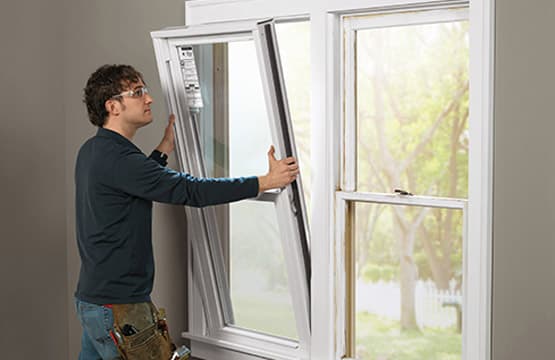
Glass is a common material in our homes, used for everything from windows to doors to table tops. While it’s durable, glass can get damaged in various ways. It is possible to maintain the safety and appearance of your home by understanding the types of glass damage and how to address them.

Chips

A chip is a small piece of glass that has broken away from the surface. They often occur when something hits the glass with force. For small chips, you can use a glass repair kit. These kits usually contain a resin that fills the chipped area. Here’s a basic process:

  • Clean the area around the chip.
  • Apply the resin according to the kit instructions.
  • Let it cure, often using the provided UV light.
  • Scrape off excess resin with a razor blade.
  • For larger chips or if you’re unsure, it’s best to consult a professional.

Cracks

Cracks are lines that run across the glass. They can be caused by impact, stress, or temperature changes. Cracks can spread over time, weakening the glass. Small cracks (less than 6 inches) can sometimes be repaired at home:

  • Clean the crack and surrounding area.
  • Apply glass repair resin along the crack.
  • Use a tool to push the resin into the crack.
  • Let it cure and remove excess.

Larger cracks often require professional help. In many cases, it’s safer and more cost-effective to replace the glass entirely.

Scratches

Scratches are surface damage to the glass. Abrasive materials, pets, or accidents can cause them. For light scratches:

  • Clean the area thoroughly.
  • Use a glass scratch repair kit or a mixture of cerium oxide and water.
  • Apply the mixture and buff gently with a soft cloth.
  • Repeat if necessary.

Deep scratches may need professional attention. Glass Repair Canberra experts has specialized tools for dealing with tough scratches.

Thermal breaks

Thermal breaks happen when glass expands and contracts due to temperature changes. Thermal breaks usually require glass replacement:

  • Remove the damaged glass carefully.
  • Install new glass designed to handle temperature fluctuations better.
  • Ensure proper installation to prevent future breaks.
  • To prevent thermal breaks, avoid exposing glass to extreme temperature differences.

Regular maintenance to prevent damage

Preventing glass damage is often easier than repairing it. Here are some maintenance tips:

  • Clean glass regularly with appropriate cleaners.
  • Avoid using abrasive materials on glass surfaces.
  • Inspect glass periodically for small damages that could worsen.
  • Preventing further damage requires immediate attention to any issues.

When to call a professional

While some minor glass repairs can be DIY projects, many types of damage require professional attention. Consider calling a professional when:

  • The damage is large or complex.
  • You’re dealing with speciality glass (like tempered or laminated).
  • The glass is in a critical area (like a front door or large window).
  • You’re unsure about the extent of the damage or how to fix it safely.

In order to handle glass repairs safely and effectively, professionals have the right tools, experience, and knowledge.

Conclusion

Maintaining your home’s glass features can be made easier by understanding the different types of damage and how to deal with them. While some minor repairs can be done at home, many types of glass damage require professional attention. Always prioritize safety when dealing with damaged glass, and don’t hesitate to call a professional when in doubt. It is possible to prevent more serious and expensive glass issues in the future through regular maintenance and prompt attention to small issues.

In an era where present day innovation and smooth plans dominate the market, it could come as a shock that cast-iron radiators are encountering a resurgence in popularity. These classic heating gadgets, often remembered as relics of the past, are currently being celebrated for their timeless elegance and various practical advantages, with many homeowners turning to a Cast Iron Radiator Company to bring these stylish and efficient units back into their homes.

Esthetic Appeal

One of the primary reasons for the re-established interest in cast iron radiators is their undeniable esthetic appeal. Dissimilar to the uniform, often unsuitable plans of present-day radiators, cast iron radiators offer a remarkable charm that can enhance the character of any room. Available in a variety of styles, from ornate Victorian plans to smooth, minimalist models, these radiators can act as a statement piece in both traditional and contemporary insides.

Prevalent Heat Maintenance

Past their visual appeal, cast iron radiators are prestigious for their predominant heat maintenance properties. Cast iron is a thick material that heats up leisurely yet retains warmth for a drawn-out period. This means that even after the heating framework is switched off, the radiators keep on transmitting heat, maintaining a comfortable temperature for longer.

Durability and Life span

Durability is another significant advantage of cast iron radiators. These powerful radiators are solid, often outlasting their advanced counterparts by decades. Their durable development can withstand everyday hardship, making them a savvy venture for property holders searching for reliable, long haul heating arrangements.

Eco-Accommodating Choice

In today’s environmentally cognizant world, cast iron radiators offer an eco-accommodating heating choice. Their life span means less replacements and less waste, adding to a decrease in environmental impact. Additionally, their phenomenal heat maintenance can lead to bring down energy utilization, further lessening the carbon impression of a family.

Versatility

Cast Iron Radiator Company are extraordinarily versatile, capable of being integrated into various heating frameworks, including high temp water, steam, and even electric arrangements. This adaptability makes them suitable for various kinds of structures and heating necessities.

The comeback of cast iron radiators is a testament to their timeless elegance, practicality, and sustainability. Their remarkable mix of aesthetic charm, proficient heat maintenance, durability, eco-friendliness, and versatility makes them an attractive choice for anyone hoping to enhance their living or working space. Leading the resurgence of these classic heating solutions is the Cast Iron Radiator Company, which has become synonymous with quality and innovation in the field. As more individuals recognize the advantages of these traditional radiators, it is clear that they are not only a nostalgic choice but also a smart, trendy, and sustainable heating solution for the modern age.

In the fast-paced business environment of New York City, maintaining a clean and organized office is crucial for productivity, employee well-being, and creating a positive impression on clients. Commercial cleaning services in New York City play a vital role in achieving these standards. This comprehensive guide explores the importance of commercial cleaning, the services offered, and how to choose the right provider for your business.

The Importance of Commercial Cleaning

A clean office environment is essential for several reasons:

  1. Health and Safety
    1. Regular cleaning reduces the spread of germs and illnesses, creating a healthier workplace. This is especially important in high-traffic areas and shared spaces.
  2. Enhanced Productivity
    1. A clean and organized workspace minimizes distractions and allows employees to focus on their tasks. Clutter-free environments contribute to better mental clarity and efficiency.
  3. Professional Image
    1. A well-maintained office reflects professionalism and attention to detail. It creates a positive impression on clients, visitors, and potential employees, enhancing your company’s reputation.
  4. Compliance with Regulations
    1. Businesses must comply with health and safety regulations. Regular commercial cleaning helps ensure that your office meets these standards, avoiding potential fines and legal issues.

Services Offered by Commercial Cleaning Companies

Commercial cleaning in New York City offer a wide range of services tailored to meet the specific needs of businesses. Here are some common services provided:

  1. General Office Cleaning
    1. This includes dusting, vacuuming, mopping, and sanitizing surfaces. General cleaning ensures that all areas of the office are kept tidy and hygienic.
  2. Carpet and Upholstery Cleaning
    1. Professional cleaning of carpets and upholstery removes dirt, stains, and allergens, extending the life of these materials and maintaining a fresh appearance.
  3. Window Cleaning
    1. Clean windows enhance natural light and provide a clear view, contributing to a pleasant work environment. Professional window cleaning ensures streak-free, spotless windows.
  4. Restroom Sanitation
    1. Thorough cleaning and sanitizing of restrooms are crucial for maintaining hygiene standards. This includes cleaning toilets, sinks, mirrors, and restocking supplies.
  5. Floor Maintenance
    1. Different flooring materials require specific care. Commercial cleaning services offer floor maintenance for hardwood, tile, vinyl, and other surfaces, including stripping, waxing, and polishing.
  6. Disinfection Services
    1. In light of recent health concerns, many cleaning companies offer specialized disinfection services to eliminate viruses and bacteria, ensuring a safe work environment.
  7. Green Cleaning
    1. Eco-friendly cleaning services use environmentally safe products and practices to minimize the impact on the environment while maintaining high cleaning standards.
  8. Specialized Cleaning
    1. This includes cleaning for specific industries, such as medical facilities, educational institutions, and retail spaces, which have unique cleaning requirements.

Choosing the Right Commercial Cleaning Provider

Selecting the right commercial cleaning service is essential for maintaining a clean and efficient office. Here are some factors to consider when choosing a provider in New York City:

  1. Reputation and Reviews
    1. Research the company’s reputation by reading online reviews and testimonials. Positive feedback from other businesses can indicate reliable and quality service.
  2. Experience and Expertise
    1. Choose a provider with experience in your industry and expertise in handling various cleaning tasks. Experienced cleaners are more likely to understand and meet your specific needs.
  3. Customized Cleaning Plans
    1. Look for companies that offer customized cleaning plans tailored to your office’s requirements. Flexible schedules and personalized services ensure that your cleaning needs are met effectively.
  4. Certifications and Training
    1. Ensure that the cleaning staff is well-trained and certified in proper cleaning techniques and safety protocols. This guarantees high-quality service and adherence to industry standards.
  5. Use of Modern Equipment
    1. Modern cleaning equipment and techniques improve efficiency and effectiveness. Inquire about the tools and products used by the cleaning company to ensure they are up-to-date and effective.
  6. Insurance and Liability
    1. Verify that the cleaning company is fully insured to protect against potential damages or accidents. This provides peace of mind and ensures that you are not held liable for any incidents.
  7. Communication and Customer Service
    1. Good communication is key to a successful partnership. Choose a company that is responsive, listens to your concerns, and provides excellent customer service.
  8. Trial Periods and Contracts
    1. Some cleaning companies offer trial periods or short-term contracts, allowing you to evaluate their services before committing to a long-term agreement. This can be beneficial in assessing their performance and reliability.

The Process of Commercial Cleaning

Understanding the process of commercial cleaning can help you appreciate the thoroughness and dedication required to maintain a clean office. Here’s an overview of a typical commercial cleaning process:

  1. Initial Assessment
    1. The cleaning company conducts an initial assessment of your office space to understand your specific needs and challenges. This includes identifying high-traffic areas, specific cleaning requirements, and scheduling preferences.
  2. Customized Cleaning Plan
    1. Based on the assessment, a customized cleaning plan is developed. This plan outlines the cleaning tasks, frequency, and schedule to ensure comprehensive coverage.
  3. Scheduling and Execution
    1. Cleaning schedules are created to minimize disruption to your business operations. Cleaning tasks are executed according to the plan, ensuring thorough and consistent results.
  4. Quality Control
    1. Regular inspections and quality control measures are implemented to ensure that cleaning standards are maintained. Feedback is collected and adjustments are made as necessary.
  5. Ongoing Support and Communication
    1. Continuous communication with the cleaning provider ensures that any issues or changes in requirements are addressed promptly. Ongoing support is provided to adapt to your evolving needs.

Conclusion

Commercial cleaning in New York City is essential for maintaining a clean, healthy, and productive office environment. By understanding the importance of regular cleaning, exploring the range of services offered, and choosing the right provider, businesses can ensure their offices are always in top condition. A clean office not only enhances productivity and employee well-being but also creates a professional image that reflects positively on the company.

Investing in professional commercial cleaning services is a smart decision for any business aiming to thrive in the competitive NYC market. With the right cleaning partner, you can focus on your core operations while enjoying a spotless and inviting workspace.

Identifying a Plumbing Emergency

Examples of Plumbing Emergencies:

  • Burst Pipes:Sudden bursts can flood your home quickly, leading to significant water damage.
  • Severe Leaks:Uncontrolled water leaking, especially in areas near electrical systems or building foundations, can create immediate hazards.
  • Overflowing Toilets:Besides the mess, an overflow can pose sanitary risks and damage to flooring and fixtures.

Quick Tips on Assessing the Severity of the Situation:

  1. Check for Water Spread:Rapidly spreading water indicates a severe leak or burst pipe.
  2. Listen for Unusual Noises:Hissing or banging in the pipes can suggest pressure issues or imminent failures.
  3. Observe Water Color and Smell:Discoloration or foul odors may point to sewer line problems, which are serious concerns.
  4. Assess Accessibility:If the problem area is hard to reach or near electrical systems, it’s safer to wait for professionals.

Immediate Steps to Mitigate Damage

Shutting Off the Water

How to Locate and Turn Off the Main Water Valve:

  • Locate the Valve:In most Riverside homes, the main water shut-off valve is located near the water meter, often at the front of the house facing the street, or in the basement if applicable.
  • Turning Off the Valve:The valve typically has a wheel or lever. Turn the wheel clockwise or the lever perpendicular to the pipe to shut off the water.

When and How to Shut Off Water to Specific Fixtures:

  • When to Use:If the emergency is localized to one area, like a single toilet or sink, you can shut off water directly at the fixture to prevent unnecessary disruption in water service elsewhere in the house.
  • How to Do It:Look for a small shut-off valve near the base of the toilet or under the sink. Turn this valve clockwise until the water stops.

Turning Off the Water Heater

Instructions on When and How to Turn Off the Water Heater to Prevent Damage:

  • When to Turn Off:If you’ve had to shut off the main water supply and your water heater remains on, it could overheat, risking damage or bursting.
  • How to Turn Off:
    • Electric Water Heaters:Locate your circuit breaker and switch off the power to the area where your water heater is connected.
    • Gas Water Heaters:Turn the dial or switch on the water heater itself to the “off” position.

Additional Steps if the Water Heater is Gas-Powered:

  • Safety First:If you smell gas, evacuate immediately and contact the gas company or emergency services from a safe location.
  • Turning Off Gas Supply:For additional safety, you might also want to shut off the gas supply to the heater. Find the gas shut-off valve, usually located at the gas line leading to the water heater, and turn it to the “off” position.

Managing a Burst Pipe

A burst pipe is a serious plumbing emergency that requires immediate action to prevent extensive water damage. If you experience a burst pipe in Riverside, CA, follow these detailed steps to manage the situation effectively and minimize damage until professional help arrives.

Step-by-Step Guide on What to Do If a Pipe Bursts in Your Home

  1. Shut Off the Main Water Supply:
    • Locate the Valve:Find your main water shut-off valve, usually located near the water meter or in your basement.
    • Turn It Off:Rotate the valve clockwise or switch the lever perpendicular to the pipe to stop all water flow to your home.
  2. Turn Off the Electricity:
    • Avoid Electrical Hazards:If the burst pipe is near electrical outlets or appliances, turn off the electricity at your circuit breaker to prevent any risk of electric shock.
  3. Drain the Pipes:
    • Open Faucets:Turn on faucets in the affected area and throughout the house to drain any remaining water from the pipes.
    • Flush Toilets:Flush toilets to empty the pipes and reduce water pressure.
  4. Contain the Water:
    • Use Buckets and Towels:Place buckets under the burst pipe to catch any dripping water. Use towels, mops, or old blankets to soak up water on the floor.
    • Seal Off the Area:If possible, seal off the affected area with plastic sheeting to prevent water from spreading to other parts of your home.
  5. Document the Damage:
    • Take Photos:Photograph the burst pipe and any damage for insurance claims. Documenting the situation can help with the claims process and provide a record for your plumber.

How to Temporarily Manage the Situation Until Professional Help Arrives

  1. Apply a Temporary Patch:
    • Use Pipe Repair Tape:For a short-term fix, wrap pipe repair tape or a hose clamp around the burst area to reduce water flow and minimize leaks.
    • Seal the Pipe:If the pipe burst is small, you can use a rubber patch and duct tape to temporarily seal it. Secure the rubber patch tightly around the pipe and cover it with duct tape.
  2. Remove and Store Valuable Items:
    • Protect Your Belongings:Move any valuable items or furniture from the affected area to prevent water damage. Store them in a dry location away from the burst pipe.
  3. Monitor the Situation:
    • Keep an Eye on the Area:Regularly check the area for any signs of worsening damage or additional leaks. This will help you provide accurate information to the professional plumber when they arrive.
  4. Contact a Professional Plumber:
    • Seek Immediate Assistance:Call a local Riverside plumber experienced in handling burst pipes. Provide them with detailed information about the situation, including the location of the burst pipe and any temporary measures you’ve taken.

Dealing with Clogged Drains and Toilets

Clogged drains and toilets can cause significant disruptions and potential health hazards in your Riverside, CA home. Here’s a detailed guide on immediate actions and techniques for temporary relief.

Immediate Actions to Take When Faced with Severe Clogs

  1. Stop Using the Affected Fixture:
    • Prevent Further Damage:If a drain or toilet is clogged and causing backups, cease using it immediately to avoid exacerbating the issue or causing overflow.
  2. Turn Off the Water Supply:
    • For Toilets:Locate the shut-off valve behind the toilet and turn it clockwise to stop the flow of water.
    • For Drains:If the clog is severe and affecting multiple fixtures, consider turning off the main water supply to your home as a precaution.
  3. Contain the Situation:
    • Protect Floors:Place towels or rags around the base of the toilet or drain to absorb any spills or overflow. Use a bucket or container to catch water if there’s visible leakage.

Tools and Techniques for Temporary Relief

  1. Plunger:
    • Using a Plunger for Toilets:Ensure you have a toilet plunger (with a flange) for a better seal. Place the plunger in the bowl, and push down and up with force to create suction and dislodge the clog. Repeat several times if necessary.
    • Using a Plunger for Drains:For sinks or bathtubs, use a plunger with a flat edge. Cover the overflow drain with a wet cloth to ensure better suction. Plunge vigorously to break up the blockage.
  2. Drain Snake or Auger:
    • Using a Drain Snake:Insert the snake into the drain and twist the handle to navigate through the pipes. Continue until you feel resistance or the snake breaks through the clog. Withdraw the snake carefully and clean it before use again.
    • Using a Plumbing Auger:For more stubborn clogs, a plumbing auger can reach deeper into the pipes. Feed the auger into the drain and turn the handle to clear the obstruction. Be cautious of damaging pipes with excessive force.
  3. Chemical Drain Cleaners:
    • Using with Caution:Chemical drain cleaners can be effective for dissolving clogs but should be used sparingly. Follow the instructions on the product label, and ensure proper ventilation. Avoid using chemical cleaners in toilets, as they can damage the porcelain and plumbing components.
  4. Homemade Remedies:
    • Baking Soda and Vinegar:For a natural approach, pour a cup of baking soda into the drain followed by a cup of white vinegar. Allow the mixture to sit for 30 minutes, then flush with hot water. This can help break down minor clogs and deodorize pipes.
  5. Plumbing Tools:
    • Pipe Wrench or Pliers:If you can access the P-trap under the sink, use a pipe wrench or pliers to remove it and clear out any visible debris. Ensure you have a bucket underneath to catch any water.

Addressing Sewage Backups

Here’s a detailed guide on safety precautions and initial cleanup steps you can take.

Safety Precautions for Dealing with Sewage Backups

  1. Protect Yourself:
    • Wear Protective Gear:Use gloves, goggles, and a mask to avoid direct contact with contaminated water and to protect yourself from harmful bacteria and viruses.
    • Avoid Direct Contact:Keep your skin and eyes away from the sewage water. If you come into contact, wash thoroughly with soap and water.
  2. Ensure Ventilation:
    • Open Windows and Doors:Improve air circulation in the affected area by opening windows and doors to help disperse any unpleasant odors and reduce the risk of airborne contaminants.
    • Use Fans:Position fans to aid in drying out the affected areas and to help with ventilation.
  3. Turn Off Utilities:
    • Electricity:If sewage water is near electrical outlets or appliances, turn off the electricity at the circuit breaker to prevent the risk of electric shock.
    • Gas:If you suspect any gas leaks, evacuate the area and contact your gas company or emergency services from a safe location.
  4. Avoid Using the Plumbing System:
    • Stop All Use:Do not use sinks, toilets, or other fixtures until the sewage backup is resolved and the system is inspected by a professional plumber.

Initial Cleanup Steps That Can Be Safely Performed by Homeowners

  1. Remove Standing Water:
    • Use a Wet/Dry Vacuum:If the sewage backup involves a manageable amount of water, use a wet/dry vacuum to remove the standing water. Be cautious and ensure you are using equipment that is safe for use with contaminated water.
    • Mop Up Remaining Moisture:Use mops and towels to soak up any remaining water. Dispose of used towels and mops properly to avoid contamination.
  2. Dispose of Contaminated Items:
    • Remove and Discard:Dispose of any items that have been contaminated by sewage water, including carpets, upholstery, and any other porous materials that cannot be thoroughly cleaned or disinfected.
  3. Clean and Disinfect:
    • Clean Surfaces:Use a mixture of soap and water to clean all hard surfaces that came into contact with sewage water.
    • Disinfect:Apply a disinfectant that is effective against bacteria and viruses, such as a solution of 1 cup of bleach to 1 gallon of water. Make sure to follow the manufacturer’s instructions for proper application and ventilation.
  4. Dry the Area:
    • Use Dehumidifiers and Fans:Place dehumidifiers and fans in the affected area to help with drying and to prevent mold growth.
    • Monitor for Mold:Keep an eye out for any signs of mold growth and address them promptly. Mold can develop quickly in damp environments and pose additional health risks.
  5. Seek Professional Assistance:
    • Contact a Plumber:Even if you have taken initial steps to manage the situation, it’s crucial to call a professional Riverside plumber. They can conduct a thorough inspection, identify the cause of the backup, and provide a permanent solution.

Contacting Emergency Plumbing Services

When dealing with a plumbing emergency in Riverside, CA, it’s crucial to act quickly and efficiently to minimize damage and restore your plumbing system. Here’s a detailed guide on how to find and contact a reputable emergency plumber in Riverside, and the key information to provide to ensure prompt service.

  1. Search Online:
    • Use Search Engines:Start by using search engines like Google to find emergency plumbers in Riverside. Search for keywords such as “emergency plumber Riverside” or “plumbing emergency Riverside” to get a list of local providers.
    • Read Reviews:Check online reviews and ratings on platforms like Yelp, Google Reviews, and Angie’s List. Look for plumbers with high ratings and positive feedback to ensure reliability.
  2. Ask for Recommendations:
    • Reach Out to Neighbors and Friends:Ask for recommendations from friends, family, or neighbors who have had positive experiences with local plumbers.
    • Consult Local Community Groups:Post a request for recommendations in local Riverside community groups or forums. Often, residents can provide valuable insights and suggestions.
  3. Check Professional Listings:
    • Verify Credentials:Look for plumbers listed with professional organizations such as the Better Business Bureau (BBB) or local trade associations. Ensure they are licensed and insured.
    • Review Their Services:Confirm that the plumber offers emergency services and has experience handling the specific type of plumbing issue you’re facing.
  4. Contact Multiple Plumbers:
    • Compare Availability and Pricing:If possible, contact a few emergency plumbers to compare their availability and pricing. This can help you choose a provider who can respond quickly and fits your budget.