Author

Nelson M. Walters

Browsing

Kitchen remodels require big investments of time, money and effort. Since most homeowners only tackle such major overhauls once a decade or longer, creating a kitchen with enduring appeal is key.

Choose Timeless Over Trendy

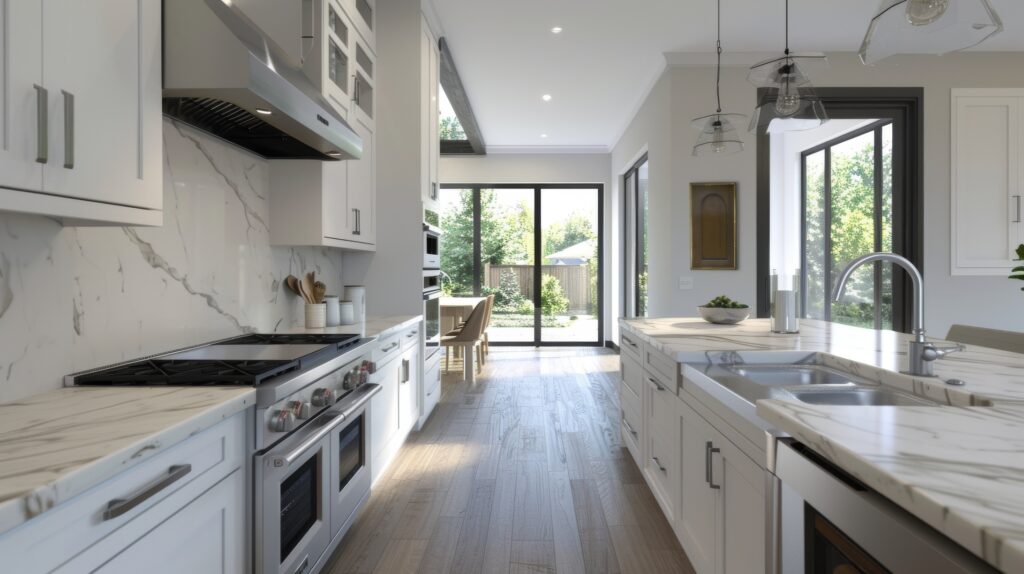
Classic kitchens centered around neutral backdrops and natural materials resist falling out of fashion. While bold color schemes or edgy finishes may feel exciting now, tamer choices age gracefully so that updated kitchens always feel current.

Choose versatile marble, granite or quartz kitchen countertops over stylish yet fleeting cement-look finishes, as recommended by the good folk over at Bedrock Quartz. Select adaptable oak or maple cabinetry over attention-grabbing but limiting colors like navy or bright white. Though trendy touches create initial wow factor, clean-lined and neutral rooms enjoy longevity.

Focus Function Over Form

The best kitchens effectively support owners’ needs and habits with specialized organization, purposeful appliances, and workflow efficiency. Before finalizing floor plans, observe your family’s patterns and daily tasks. Then tailor layouts, features and storage solutions around supporting real routines over aspirational use. Provide custom solutions for common kitchen projects like baking centers, wine refrigeration or double ovens based on how you truly live day-to-day. When designed for your reality over Pinterest appeal, you’ll relish saved time over the years.

Design for Easy Upkeep

Choices like resilient finishes, moisture-proof surfaces and low-maintenance materials ensure kitchens withstand decades of use without excessive upkeep. Select durable options like waterproof porcelain or laminate flooring over grout-filled stone tiles prone to staining. Go for stainless steel appliances rather than trendy matte versions covered in fingerprints. Solid hardwood or thermofoil cabinets clean up easily compared to painted styles revealing nicks and wear over time. Planning for simple maintenance yields kitchens equipped to weather years of activity looking stunning.

Build in Flexibility

Kitchen traffic patterns, storage behavior and family schedules often change over time along with priorities and hobbies. Design adaptable spaces able to flex with shifting needs via moveable cabinetry, adjustable shelving systems and modular furniture.

Movable kitchen carts act as freestanding islands when more prep space is required, which can be tucked neatly out of workflows as needed. Wall-mounted pot racks slide side to side to redistribute weight when cooking kit necessities change. In-cabinet organizers adjust to fit odd-shaped devices or oversized dinnerware.

Foster an Inviting Atmosphere

Beyond just functional considerations, a truly timeless kitchen design should also create an inviting and warm atmosphere that encourages gathering and memorable moments. Incorporate elements that spark joy and celebration into your kitchen’s layout and aesthetic.

An open floor plan that seamlessly blends the kitchen with adjacent living spaces can foster a sense of community and togetherness. Go for a large island or peninsula with ample seating, transforming the kitchen into a natural gathering place for friends and family. Well-positioned windows can fill the space with natural light, enhancing the ambiance.

Additionally, consider incorporating a cozy nook or banquette for casual dining or lounging. This dedicated space can become a favorite spot for enjoying a morning cup of coffee or an intimate family dinner. Thoughtful lighting design, including warm ambient and task lighting, can further contribute to the inviting feel of the kitchen.

Conclusion

Kitchens designed thoughtfully using classic materials, focused functionality, resilient finishes and flexibility stand the test of time, remaining both practical and beautiful for years ahead. Concentrate efforts on permanent elements doing the heavy lifting. Then refresh affordably around stable foundations as seasons and styles inevitably shift. The goal is to create kitchens that improve with age like fine wine; flexible enough to roll with changes yet reliably meeting needs through the decades.


The decision to build a deck transforms your outdoor space into a versatile living area that brings joy throughout the year. The significance of professional expertise in deck construction establishes the foundation for a successful project that stands the test of time.

Licensed professionals bring extensive knowledge about local building codes, permit requirements, and safety regulations. Their expertise ensures proper structural integrity, appropriate materials selection, and adherence to all necessary guidelines. These qualifications protect homeowners from potential legal issues while guaranteeing the longevity of the installation.

Material selection and design integration

Professional deck builders possess in-depth knowledge about various building materials, their durability, and maintenance requirements. They guide homeowners through selecting the right components based on climate conditions, usage patterns, and aesthetic preferences. This expertise results in decks that complement existing architecture while meeting functional needs.

 licensed deck contractor

Safety considerations and structural integrity

Building codes exist to protect people and property. Licensed professionals understand load-bearing requirements, proper anchoring techniques, and railing specifications. Their expertise prevents common mistakes that could compromise safety or lead to premature deterioration of the structure.

Project planning and timeline management

When searching for decking contractors near me, understanding the importance of proper project management becomes evident. Professional contractors create detailed timelines, coordinate with suppliers, and manage work crews efficiently. This organization minimizes disruptions and ensures timely project completion.

Budget optimization and cost management

Licensed professionals provide accurate cost estimates and help homeowners make informed decisions about materials and design features. Their experience prevents costly mistakes and unnecessary expenses while delivering maximum value for the investment.

Quality assurance and artistry

Experienced deck contractors near me maintain high standards through every phase of construction. From foundation preparation to final finishing touches, their attention to detail results in durable, beautiful outdoor spaces that enhance property value.

Warranty and long-term support

Professional deck builders stand behind their work with comprehensive warranties. This commitment provides peace of mind and ensures support for any future maintenance needs or concerns that may arise after project completion.

Essential components of professional deck construction

  • Foundation and support system engineering
  • Proper drainage integration
  • Weather-resistant material selection
  • Code-compliant railing installation
  • Appropriate fastener and hardware usage
  • Professional-grade finishing techniques

Benefits of licensed construction

  • Proven expertise and experience
  • Complete insurance coverage
  • Permit acquisition assistance
  • Code compliance guarantee
  • Professional project management
  • Quality material sourcing

Documentation and permits

Licensed professionals handle all necessary paperwork, including:

  • Building permits
  • Material certifications
  • Safety compliance documents
  • Warranty registrations
  • Inspection scheduling
  • Project specifications

Construction process overview

The construction sequence involves:

  • Site evaluation and preparation
  • Foundation installation
  • Structural framework assembly
  • Decking material installation
  • Railing system integration
  • Finishing and detail work
  • Final inspection and approval

Maintenance considerations

Understanding proper maintenance ensures long-term enjoyment:

  • Regular inspection protocols
  • Cleaning requirements
  • Sealing and protection
  • Hardware tightening
  • Surface maintenance
  • Structural evaluation

The investment in professional deck construction brings lasting value to any property. Through careful planning, expert execution, and attention to detail, licensed professionals create outdoor spaces that provide years of enjoyment. This expertise, combined with proper material selection and installation techniques, results in durable, beautiful decks that enhance both property value and lifestyle enjoyment.

As a homeowner or renter, you play a crucial role in ensuring the safety of your delicate kitchenware during a move. From delicate china to fragile glassware, these items require extra care when packing. With the right materials and techniques, you can take the necessary steps to ensure your kitchen essentials arrive safely at your new home, giving you peace of mind and confidence in the process.

This guide offers practical tips for packing and transporting fragile kitchenware, minimizing the risk of chips, cracks, or breaks.

Step 1: Gather the Right Packing Supplies

Using high-quality materials is vital in protecting your kitchenware. You’ll need:

  • Sturdy Boxes: Choose double-walled boxes for heavier items and smaller boxes for glassware.
  • Bubble Wrap and Packing Paper: Provide cushioning for delicate surfaces.
  • Dish Dividers or Inserts: Keep plates and bowls separated during transport.
  • Foam Sheets or Padded Liners: Add extra protection for oversized items like baking dishes.
  • Packing Tape: Use heavy-duty tape to secure boxes.
  • Marker for Labeling: Indicate fragile contents and the room destination.

Step 2: Sort and Organize Your Kitchenware

Group Items by Type

Separate your kitchenware into categories such as:

  • Plates and bowls
  • Glassware and cups
  • Pots, pans, and bakeware
  • Utensils and small appliances

Grouping items helps you pack more efficiently and ensures everything is noticed.

Declutter Unused Items

Moving is a great time to evaluate your kitchen inventory. Donate or discard items you no longer need, such as mismatched mugs or old pans.

Step 3: Pack Kitchenware Safely

Plates and Bowls

  1. Wrap Each Item: Use packing paper or bubble wrap to cover each plate or bowl.
  2. Stack Vertically: Place plates and bowls on their sides in the box to reduce pressure on the center.
  3. Add Padding: Use foam sheets or crumpled paper to fill gaps and prevent shifting.

Glasses and Cups

  1. Use Dividers: Insert cardboard dividers into the box to separate glasses and cups.
  2. Wrap Individually: Cover each piece with bubble wrap, focusing on handles and stems.
  3. Carefully: Create layers within the box, adding Padding between each level.

Pots and Pans

  1. Nest Items: Place smaller pans inside larger ones, separating each with packing paper.
  2. Wrap Handles: Cover handles with bubble wrap to prevent scratches or dents.

Utensils and Appliances

  1. Bundle Utensils: Group utensils together and secure them with rubber bands or tape.
  2. Protect Blades: Wrap sharp knives in cardboard or foam before packing.
  3. Disassemble Appliances: Remove detachable parts from appliances and wrap each separately.

Moving Fragile Kitchenware

Step 4: Label Boxes Clearly

Clearly label each box with the following:

  • The contents (e.g., “Glassware” or “Plates”)
  • The destination room (“Kitchen”)
  • Handling instructions (e.g., “Fragile” or “This Side Up”)

Proper labeling ensures careful handling and streamlines unpacking.

Step 5: Load Boxes Strategically

When loading fragile kitchenware onto the moving truck:

  • Stack Carefully: Place lighter boxes over heavier ones to avoid crushing.
  • Secure in Place: Use straps or ropes to prevent boxes from shifting during transit.
  • Avoid Overpacking: Leave space for airflow and reduce the risk of breakage.

Step 6: Unpack with Care

Once you’ve arrived at your new home:

  1. Inspect Items: Check for damage before unpacking entirely.
  2. Unpack Essentials First: Focus on frequently used items like plates and utensils.
  3. Dispose of Packing Materials: Recycle paper, bubble wrap, and boxes responsibly.

Common Mistakes to Avoid

MistakeSolution

Using Oversized Boxes: Pack fragile items in smaller boxes to reduce movement and weight.

Skipping Padding: Ensure every gap is filled with packing paper or bubble wrap.

Stacking Plates Horizontally: Always pack plates vertically to distribute weight evenly.

Packing Too Tightly: Leave enough space to prevent excessive pressure on fragile items.

Pros and Cons of DIY vs. Professional Packing for Kitchenware

AspectDIY PackingProfessional Packing

Cost Lower cost but higher risk of damage. Higher cost but ensures expert handling.

Time Investment: Time-consuming, especially for large kitchens. Saves significant time and effort.

Packing Materials Requires purchasing materials separately. Movers provide all necessary supplies.

Risk of Breakage Higher without proper techniques. Minimal with professional expertise.

Benefits of Hiring Professional Movers

Hiring professional movers offers peace of mind for fragile or extensive kitchenware collections. Advantages include:

  • Specialized Packing Techniques: Movers know how to handle delicate items with care.
  • Custom Packing Materials: Access to high-quality supplies like dividers and reinforced boxes.
  • Time Savings: Professionals pack quickly and efficiently, reducing stress.

For homeowners in Dubai, reliable movers provide expert services to ensure your kitchenware is transported safely and securely.

Tips for Long-Distance Moves with Kitchenware

If your move involves extended travel:

  • Use Climate-Controlled Trucks: Protect temperature-sensitive items like wine glasses or specialty cookware.
  • Secure Boxes Tightly: Double-check that boxes are sealed and won’t shift during the journey.
  • Label for Priority Unpacking: Mark certain boxes as “Open First” for quick access to essentials.

Conclusion

Packing fragile kitchenware may require time, effort, and attention to detail, but the proper techniques and materials can make all the difference. By following the steps in this guide—or hiring professional movers—you can ensure your kitchen essentials arrive safely and ready to use. The sense of accomplishment you’ll feel after a successful move will be worth the effort.

For stress-free kitchenware relocation, trusted movers in Dubai offer comprehensive packing and transportation services tailored to protect your delicate belongings.

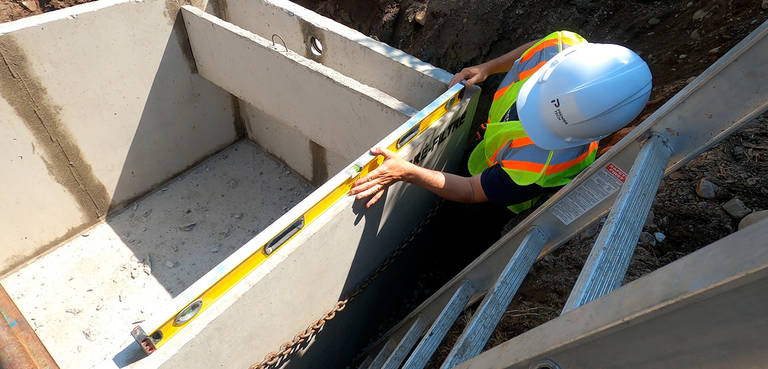
If you’re thinking about installing a new septic system or replacing an old one, it’s important to understand the process. Here are six key things to consider before starting a septic system installation:

More info about septic tank installation in Thunder Bay

1) Check Local Regulations

Each area has its own rules for septic system installation. Make sure to check with local authorities to find out about any permits, consents, or clearances needed before you begin. They may also have specific requirements for wastewater treatment, such as filtration or ozone treatment, to protect the surrounding area. Always make sure you’re following the rules set by your regional council.

2) Soil and Land Evaluation

Before installing a septic system, many areas require a soil evaluation. This involves an expert analysis of the soil to determine the type of septic system you need. The evaluation helps decide where the septic tank and soakage area will go, as well as how large the soakage area should be. It ensures the system works properly and is safe for the environment.

3) Location and Landscaping

The location of your septic system is crucial. It involves placing several components, such as the tank, pipes, and leach field. You may need to move plants or bushes if their roots could interfere with the system. Discuss your landscaping and placement options with the company installing the system to make sure it’s placed in the most efficient and safe location.

4) Septic System Options

Once the soil evaluation is complete, the installation company will suggest different septic system options for your property. They will also help determine if any advanced treatment methods are necessary for your wastewater. When choosing the size of the septic tank, think about your current needs and future ones—if you plan to sell the property later, a small tank may deter future buyers, especially if the family size is larger.

5) Costs Involved

Installing a new septic system can be expensive. There are several costs, including fees for the engineer, permits, inspections, the system itself, and installation. If you’re replacing an old septic system, you’ll also need to budget for proper disposal. It’s important to get a clear breakdown of all costs before starting the project to make sure you’re prepared.

6) Maintenance

Septic systems need regular maintenance to stay in good working condition. Some systems require annual servicing. Be sure to ask the installer about maintenance options and any additional costs. Regular upkeep is essential to avoid system failure and ensure the longevity of your septic system.

By understanding these key points, you can better prepare for installing a new septic system and ensure everything goes smoothly.


;

Superior Yard Works
Email: superioryardworks@outlook.com
Phone: 807-355-4954
Url: https://superioryardworks.ca/

;


135 Windemere Ave S
Thunder Bay, ON P7B4M5