
Author

Clare Louise

Browsing

Relocating to a new country is an exciting yet daunting task. Whether it’s for work, study, or simply a change of scenery, the process can be complex and filled with uncertainty. If you’re considering the journey across the Tasman Sea, we’ve compiled eight essential factors to help ease the process of moving from NZ to Australia.

1.   Understanding Visa and Immigration Requirements

One of the first steps in your relocation journey should be understanding the visa and immigration requirements. While New Zealanders are granted a Special Category Visa upon arrival in Australia, allowing them to live, study, and work indefinitely, it’s important to familiarize yourself with the visa conditions and any changes in Australian immigration laws. This will ensure that you’re legally covered and can avoid any unnecessary surprises down the line.

2.   Financial Considerations

Cost is a significant factor when relocating. It’s not just about the expense of moving your belongings, but the financial implications of setting up a new life in a different country. This includes securing housing, and transportation, and understanding the cost of living in different Australian cities. You’ll need to budget for initial setup costs like bond for your rental property, utilities, furniture, and even things as simple as groceries. It might also be beneficial to transfer your money to an Australian bank account to avoid international transaction fees.

3.   Healthcare Options

Australia offers excellent healthcare options, with a mix of public and private services. However, it’s crucial to understand what healthcare services you’re eligible for as a New Zealand citizen living in Australia. While some services are covered under the reciprocal healthcare agreement between the two countries, others may require additional private health insurance coverage.

4.   Job Opportunities

Australia boasts a robust job market with opportunities spanning various industries. It’s recommended, though not essential, to secure employment before your move. This not only provides financial security but can also help in determining where you want to live based on commute times and proximity to workplaces. Remember to update your CV according to Australian standards and start applying for jobs well in advance of your move.

5.   Weather and Environment

Australia’s weather varies greatly across the country. Depending on where you plan to live, you could experience everything from tropical climates in the north to mild, temperate climates in the south. Be prepared for this change and pack your belongings accordingly. Additionally, Australia also has unique environmental factors like bushfires and intense sun exposure, so it’s important to be prepared and stay informed about local conditions.

6.   Navigating the Housing Market

Securing housing in a new country can be one of the most challenging aspects of relocation. Take time to research the housing market in the area you plan to live in, and consider whether renting or buying is the best option for you. It’s also worth noting that rules and regulations around renting can vary between states, so make sure to familiarize yourself with these.

7.   Adjusting to the Australian Lingo

While English is spoken in both countries, you might find some of the local slang and expressions in Australia confusing at first. Aussies have a unique way of shortening words and using phrases that might seem foreign to Kiwis. Familiarizing yourself with common Australian phrases can make the transition smoother and help you fit in more quickly.

8.   Preparing Essential Documentation

Having all necessary documentation in order is key for a smooth transition. This includes identification like passports, visas, and driver’s licenses, as well as banking and financial records, medical documents, and education certificates. Keep these documents safe and easily accessible during your move.

Conclusion:

Moving from NZ to Australia is a big step, but with careful planning and consideration of these eight essential factors, it can be an exciting and fulfilling new chapter in your life. Whether you’re drawn by the sunny beaches, diverse job opportunities, or laid-back lifestyle, Australia has a lot to offer its Kiwi neighbours.

In the dynamic and ever-evolving world of residential construction, contractors’ prowess is often gauged by their unique blend of skills. These abilities range from practical, hands-on knowledge to advanced managerial capabilities, all of which contribute to the successful completion of projects. So, what are the crucial skills that set successful residential construction contractors apart from the rest?

1.   Analytical Skills

The first and foremost skill set that a residential contractor must possess is strong analytical ability. This industry thrives on details and precision. A contractor must be able to interpret blueprints and assess site conditions accurately. They should have a comprehensive understanding of structural calculations to ensure the stability and safety of the structures they build.

Additionally, their keen eye for detail enables them to spot potential issues before they escalate into significant problems, saving both time and resources.

2.   Customer-Service Skills

Residential erection is essentially a service industry, making customer satisfaction a paramount goal. Successful contractors understand this aspect and excel in communicating effectively with clients. They listen actively to understand their client’s needs and manage expectations transparently.

Moreover, these professionals are skilled at resolving disputes professionally and amicably. They know how to handle criticisms, use them constructively, and assure clients that their concerns are being addressed.

3.   Initiative

In the fast-paced world of construction, being proactive rather than reactive can make all the difference. Contractors who take initiative can anticipate challenges, devise solutions promptly, and keep the project on track. They do not wait for problems to arise but instead, prevent them through strategic planning and foresight.

Furthermore, contractors with initiative are more likely to identify opportunities for improvement and innovation.

4.   Building and Engineering Knowledge

A solid foundation in building and engineering principles is essential expertise for residential builders. This includes understanding various construction techniques, knowledge about different materials, and tools, and adhering to safety regulations. Contractors should also stay abreast of the latest industry trends and technological advancements.

5.   Strong Reading and Math Skills

Numeracy and literacy skills are critical in the construction industry. Contractors must be able to read and interpret technical documents, contracts, and regulations accurately. These documents contain vital information that guides the construction process, and any misinterpretation can lead to costly mistakes.

Similarly, math skills are needed for estimating costs, measuring dimensions, and calculating quantities. Contractors need to provide accurate estimates to win bids and plan budgets, making strong math skills a necessity.

6.   Project Management

Managing a residential building project requires a diverse set of skills. These include planning, scheduling, budgeting, and risk management. A good contractor can coordinate the work of various tradespeople, ensure quality control, and deliver the project on time and within budget.

Effective project management also involves monitoring the progress of the project, tracking expenses, and making necessary adjustments to stay on schedule. This skill requires a good understanding of construction processes, resource management, and the ability to multitask.

7.   Leadership

A contractor is essentially the leader of the team and must guide the team towards the successful completion of the project. This involves setting clear goals, providing constructive feedback, and fostering a positive work environment. Leadership also extends to managing subcontractors and suppliers.

Moreover, a good leader inspires trust and confidence in their team. They motivate their crew to perform their best and recognize their efforts, creating a sense of ownership and commitment among the team members.

8.   Negotiation Skills

Whether it’s securing the best prices from suppliers or resolving a dispute with a client, negotiation skills are a must. Successful contractors know how to negotiate win-win outcomes that preserve relationships and keep the project moving forward. They understand that fair negotiation is about finding a balance where all parties feel valued and satisfied.

Conclusion:

Residential construction contractors need a diverse set of skills and expertise to succeed. From analytical thinking to customer service, project management to leadership, these abilities are crucial in navigating the complexities of residential building projects. Ensuring these skills are honed and utilised effectively will undoubtedly lead to a successful career in residential erection.

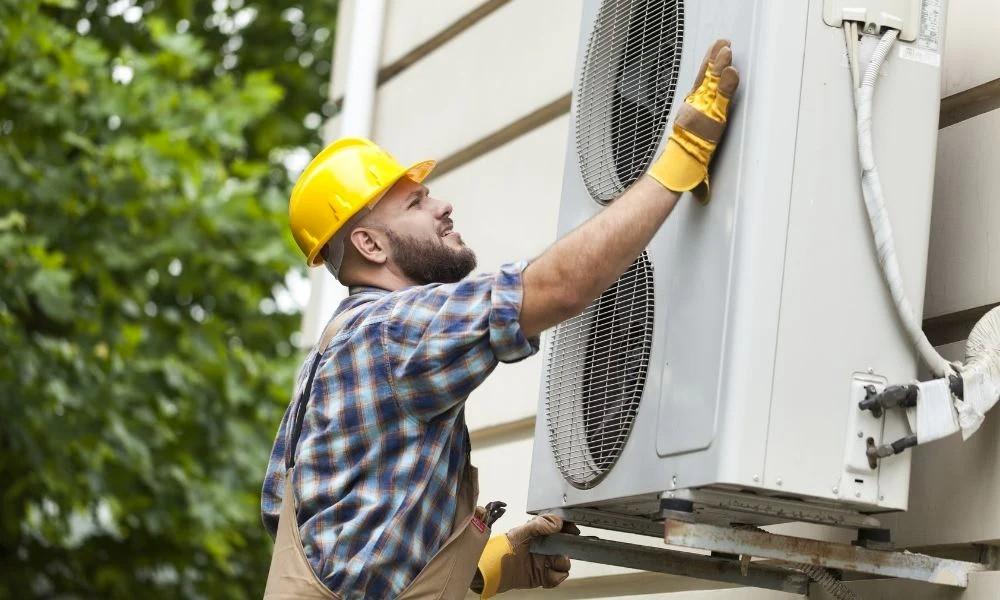
Your HVAC (Heating, Ventilation, and Air Conditioning) system plays a crucial role in maintaining a comfortable and healthy indoor environment. However, just like any other mechanical system, it can experience issues and require repairs over time. Recognizing the signs of a malfunctioning HVAC system is essential to avoid further damage and costly repairs. 

You can take proactive measures to address the problems promptly and ensure the longevity of your system by being aware of these indicators,

1. Inconsistent Temperature Distribution

One of the primary signs that your HVAC system requires repairs is inconsistent temperature distribution throughout your home. If certain rooms feel noticeably warmer or cooler than others, it may indicate airflow issues, a malfunctioning thermostat, or ductwork problems. These disparities can make your living spaces uncomfortable and indicate underlying problems that need to be addressed by an HVAC professional.

2. Unusual Noises

Unusual noises coming from your HVAC system, such as banging, grinding, or squealing sounds, should not be ignored. These noises are often a clear indication of mechanical issues within the system. Components like belts, bearings, or motors may be worn out or damaged, requiring immediate attention. Ignoring these sounds can lead to more severe damage and potentially costly repairs.

3. Increased Energy Bills

If you’ve noticed a sudden and unexplained increase in your energy bills, your HVAC system might be at fault. A malfunctioning system often operates less efficiently, resulting in higher energy consumption. Higher bills without a corresponding change in usage patterns could indicate issues with your HVAC system’s components, such as a clogged filter, faulty thermostat, or leaky ductwork. Seeking professional HVAC repair services can help identify the underlying problems and restore your system’s efficiency.

4. Frequent Cycling

An HVAC system that cycles on and off too frequently, also known as short cycling, can indicate several issues. It may be due to a malfunctioning thermostat, clogged air filters, improper refrigerant levels, or an oversized unit. Short cycling not only compromises your comfort but can also put unnecessary strain on your system, leading to potential damage and reduced lifespan. It’s essential to have an HVAC technician inspect and diagnose the root cause of this problem.

5. Poor Air Quality

If you notice a decline in indoor air quality, such as excessive dust, musty odors, or increased allergy symptoms, your HVAC system may be to blame. A malfunctioning HVAC system can fail to properly filter and circulate the air, allowing pollutants, allergens, and contaminants to linger indoors. This can negatively impact your respiratory health and overall comfort. If you suspect that your HVAC system is contributing to poor air quality, it’s important to have it inspected and repaired by professionals who can identify and rectify the issue.

Being able to identify the signs that your HVAC system requires repairs is crucial for maintaining a comfortable and efficient indoor environment. Whether it’s inconsistent temperature distribution, unusual noises, increased energy bills, frequent cycling, or poor air quality, recognizing these indicators early on can help you take prompt action and prevent further damage to your HVAC system.

Publisher’s Details:

ICE Heating & Cooling
4731 W Post Rd Suite 110, Las Vegas, NV 89118
(702) 820-2184
iceaclv.com
info@iceaclv.com

If you’re looking for top-rated air conditioning repair services in Enterprise, NV, ICE Heating & Cooling is the other name for quality. Their highly skilled technicians can pinpoint any problems with your air conditioning system and expediently address them, ensuring your home is promptly restored to a comfortable temperature. ICE Heating & Cooling’s latest blog post, Common HVAC Emergencies That Might Need Immediate Repairs, discusses common HVAC emergencies that need to be addressed immediately, be sure to check out to be informed and prevent risks.

Kitchen cabinets are some of the most important elements of any kitchen. They can add to the look of a kitchen and are also useful for storage. Installing new kitchen cabinets can be very exciting, and you can have the creative freedom to make a statement in your kitchen however you want to. There are many kitchen cabinet options to choose from, and you may want to look at Armoires En Gros kitchen cabinets if you are interested in choosing kitchen cabinets and learning more about them. 

Benefits of custom kitchen cabinets 

If you have the budget, custom cabinets can be a great option for your kitchen. Although more expensive than the other options, custom cabinets north palm beach fl have great benefits. Some of the benefits of custom kitchen cabinets are:

  • You get a personalized kitchen. 

Custom cabinets are highly sought after since they are customized to your requirements. They are usually a better alternative for uniquely shaped kitchens as well. Having custom cabinets ensures that the cabinets fit the area of your kitchen without any filler space. The amazing part about custom cabinets is that you can choose the color, wood, design, and finish, giving you virtually limitless options. You can customize your kitchen to match the decor of your home. 

  • More storage options 

Custom cabinets usually imply that you can work directly with a specialist to help determine all the details to meet your lifestyle and storage needs. They may help you brainstorm ideas and determine how to incorporate items such as a cutlery cabinet, a spice cabinet, or island cabinetry that allows you to store more than stock cabinets. You can utilize your kitchen’s storage space more efficiently with custom kitchen cabinets. 

  • Durability 

Another advantage of custom kitchen cabinets is their durability. Custom-designed and installed cabinets have been shown to provide higher quality craftsmanship than stock cabinets due to how they are constructed. Custom cabinets are handcrafted one at a time, utilizing improved processes to piece them together. 

  • Local sourcing 

If the origin of the wood used to build the kitchen cabinets is a concern for you, you can immediately see the benefits of opting for custom kitchen cabinets. With this option, you have a far greater selection of wood for your project, including domestic or local hardwoods with a lower environmental impact. 

  • Personalized to you 

If you are short or tall, a stock cabinet designed for the average individual may not be the perfect fit. Custom cabinets allow you to design a kitchen that fits your lifestyle without having step stools on hand or bending over all day.