Author

Clare Louise

Browsing

A chimney, with its timeless charm and warmth, is a centerpiece of comfort in many homes. However, beneath its inviting exterior lies a potential threat if it’s damaged that can compromise both your home and the safety of your loved ones.

This makes chimney maintenance of high importance. The dangers of a damaged chimney are not to be underestimated, encompassing a range of risks that demand immediate attention.

Creative Masonry & Chimney is a professional service provider offering chimney repair and rebuilding services for damaged chimneys. They have a team of experienced chimney sweeps, serving multiple Connecticut areas for the past two decades.

This piece unveils the hidden hazards of a compromised chimney, from fire risks to carbon monoxide leaks, structural vulnerabilities, and more. This piece will also shed light on the crucial role of professional chimney repair and maintenance in protecting your home and family.

What Are The Hidden Dangers of a Damaged Chimney?

Here are the top five hidden dangers of a damaged chimney;

1.    Fire Risks: Beyond the Hearth

A damaged chimney can pose a severe fire risk to your home. Cracks, gaps, and deteriorating masonry provide pathways for sparks and embers to escape from the flue, potentially igniting nearby combustible materials.

These fire hazards not only jeopardize the structural integrity of your home but also endanger the safety of your family. The warmth and ambiance that a fireplace brings should never come at the cost of fire safety.

2.    Carbon Monoxide Leaks: Silent Threat

One of the most insidious dangers of a damaged chimney is the potential for carbon monoxide leaks. A compromised chimney can hinder proper ventilation, leading to the buildup of this odorless, colorless gas.

Carbon monoxide poisoning can result in serious health consequences, including headaches, dizziness, nausea, and, in extreme cases, even death. Protecting your family from this silent threat requires prompt chimney repairs and regular maintenance to ensure optimal airflow and prevent the escape of dangerous gases.

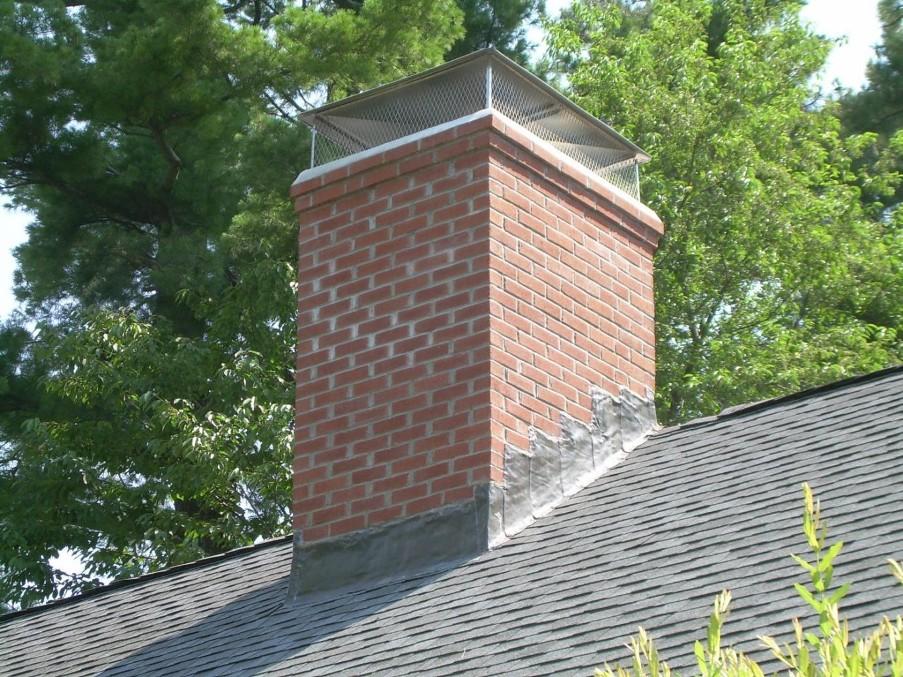
An image showing a fireplace

3.    Structural Integrity Issues: Crumbling Foundations

A chimney that appears sturdy on the outside may be silently crumbling on the inside. Structural integrity issues can arise from freeze-thaw cycles and deterioration of the chimney’s mortar and bricks.

These issues not only affect the chimney’s ability to function properly but also compromise the overall stability of your home. Preventing structural problems requires proactive maintenance and timely repairs to address any signs of wear and tear.

4.    Water Damage and Mold Growth: Stealthy Invaders

A damaged chimney is a gateway for water infiltration through its cracks, which can lead to a host of issues. Water damage weakens the chimney’s structure and accelerates deterioration.

Additionally, moisture-laden environments created by water intrusion can become breeding grounds for mold and mildew, which pose health risks to your family. Protecting your home involves addressing chimney damage promptly and preventing water from infiltrating your living spaces.

5.    Energy Efficiency Loss: Escaping Warmth

A damaged chimney can compromise the energy efficiency of your home. Cracks and gaps allow warm air to escape and cold air to enter, forcing your heating system to work harder and increasing energy bills.

This loss of energy efficiency not only impacts your wallet but also undermines your home’s overall comfort. Proper chimney maintenance and repair play a crucial role in maintaining optimal energy efficiency.

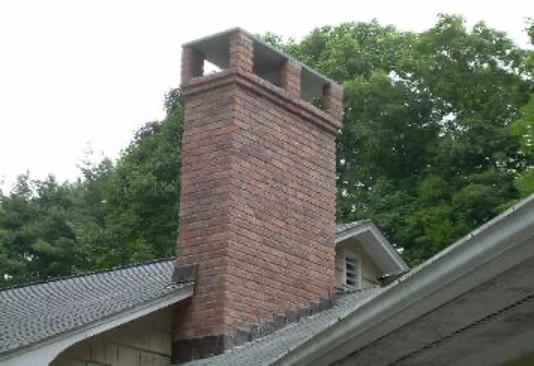
An image showing a chimney on an old stone house

The Importance of Professional Chimney Repair and Maintenance

Amidst these hidden dangers, the role of professional chimney cleaning, repair, and maintenance becomes paramount. Certified chimney technicians possess the expertise to identify even the subtlest signs of damage and deterioration.

They can address issues ranging from cracks and leaks to damaged flue liners and deteriorating masonry. Regular inspections and maintenance not only prevent potential hazards but also extend the life of your chimney and ensure its optimal performance.

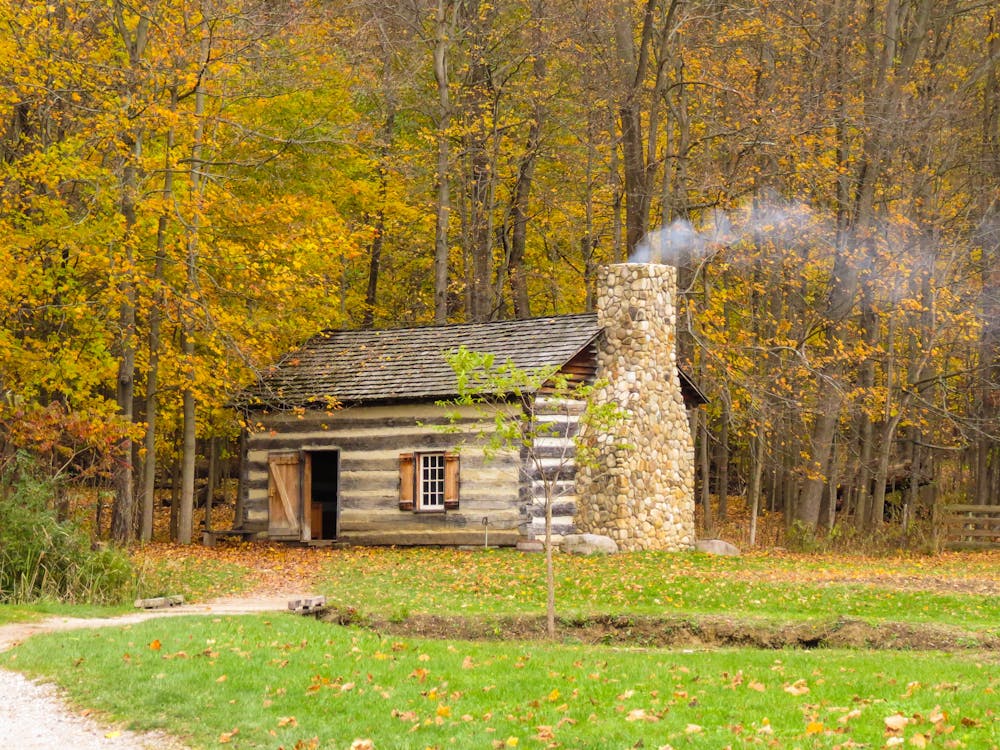
An image showing smoke coming out of a well-functioning chimney

Creative Masonry & Chimney Is Your Trusted Chimney Repair Service Provider

As the guardian of warmth and comfort, your chimney has a significant role in your home’s ambiance.

However, it also carries hidden risks that can’t be ignored. The potential fire hazards, carbon monoxide threats, structural vulnerabilities, water damage, mold growth, and energy efficiency loss associated with a damaged chimney are reminders that its maintenance goes beyond aesthetics.

Therefore, by entrusting the care of your chimney to professionals like Creative Masonry & Chimney, you can protect your property and loved ones. They have been offering chimney cleaning Southington CT, chimney repair Middletown CT, and maintenance services in New Britain, Newington, Rocky Hill, Wethersfield, Middletown, Cheshire, Waterbury, Cromwell, and Berlin for the past 20 years. Via their exceptional services, they are considered one of Connecticut’s most reputable chimney services companies.

So, just get in touch with them now and stay safe from chimney dangers.


Granite paving slabs are long-lasting and seldom need to be changed, making them a great option for walkways and driveways. However, you may find a variety of interesting natural stones for use in different garden tasks. While granite paving slabs may initially cost more than other varieties of stone, its durability and beauty will more than make up for the initial investment.

Different kinds of granite paving

You’ve decided that textured granite pavement would give your outdoor project the refined finish you’ve been hoping for. The last step is to decide which granite kind is most suited for your purposes. Whether you’re going for a more contemporary or traditional look, we at The Premium Paving Company have something that will work for you. Grey Galaxy, Diamond Black, Charcoal, and Silver Grey are just few of the hues available for granite pavers from Premium Paving. Granite is perfect for a cutting-edge, high-end design because of its consistent coloration, tight grain, and rough surface. The different color options also allow for easy mixing to produce contrastive lines or patterns if necessary.

Granite Paving: How to Cut It

Despite its hardness, granite paving slabs can be carved by hand with the correct equipment and a lot of perseverance. Using a diamond-tipped circular saw blade, you can make clean, accurate cuts. Aside from that, it’s much the same as working with any other kind of natural stone.  In addition, before you get started, make sure your eyes and hands are protected by wearing safety glasses and gloves.

Measure your granite paving slab precisely.

Use a pencil and ruler to get accurate measurements, or, if you’re feeling inventive, draw the design directly onto your slab to get the shape just right. If you’re just starting out, it’s advisable to stick to simpler, more regular shapes since they’ll be less of a challenge to cut.

The granite slabs need to be trimmed down to fit

To do this, a diamond floor saw is required. Make sure the granite block is fixed on a solid, secure platform before you start cutting. Maintaining a steady hand is essential for getting the clean cut you desire.

Smooth up the rough edges

Since you may easily cut yourself on the sharper corners of your natural granite slabs, you should round over the sharp edges. If you want to get the job done quickly and efficiently, you may use a power sander.

The Proper Method for Laying Granite Pavement

Mark out the area you want to pave before you get started. Add the thickness of the pavers, an inch for the sand foundation, four to six inches for the gravel base for walks and patios, and six to twelve inches for the gravel base on a driveway to get the total excavation depth. Since clay soils are less permeable to water, they need a considerably more substantial foundation than sand-based soils. When the base is thicker, the pavers have a more stable foundation on which to stand.

To get the necessary depth, dig down as far as possible. Consider the following: Two inches of pavers, one inch of sand, and four inches of gravel are all that’s needed to provide a solid foundation for a sidewalk or patio on clay soil. In contrast, a driveway using 4-inch-thick granite pavers on clay soil with poor drainage would need an excavation depth of 17 inches to account for the pavers themselves, the 1-inch sand foundation, and the 12-inch gravel base necessary to optimize water runoff.

  1. Once the excavation site has been leveled and spread out equally, it may be backfilled with gravel or another kind of foundation material.
  2. The base material should be packed using a plate compactor once it has been leveled. Add the remaining foundation material a third at a time, compacting it between additions. It’s feasible to add all of the gravel or crushed rock at once, but spreading it out helps it compress more securely into the foundation.
  3. After compacting the base layer, adding a 1-inch layer of coarse masonry sand on top and then leveling it with a two-by-four screed is the next step. If you use the edge restrictions as a guide, you can keep the sand where it belongs.
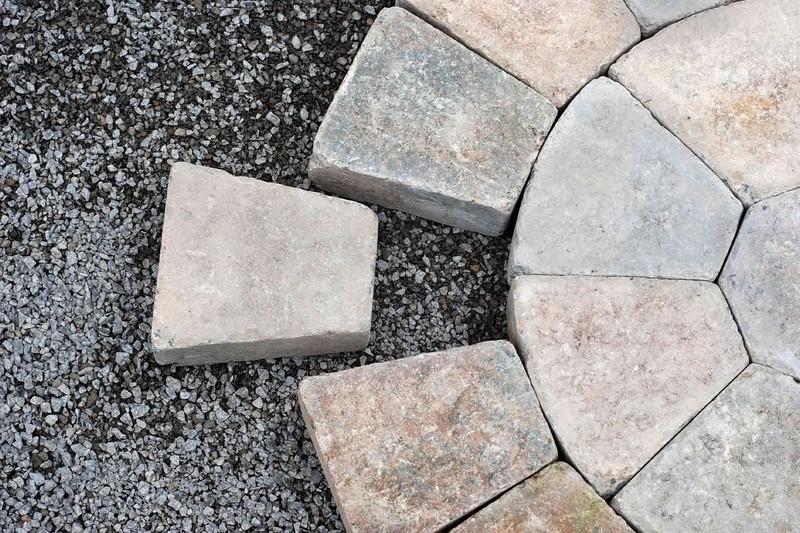
  4. Using the design you’ve chosen, lay the granite pavers directly on the sand bedding. It’s best to keep them close together so they don’t move about.

Fine sand should be spread over the silver grey granite paving 900 x 600 and brushed into the crevices between the stones. Before adding additional sand to fill in the cracks, you should spritz the area with water to get the sand to settle.

Conclusion

A simple solution of soap and water is usually all that’s needed to clean dirt and debris from your granite pavement stones. To avoid any discoloration or staining, just mix one tablespoon of dishwashing liquid without acid into one pail of warm water. Start by brushing off any loose dirt and debris, and then use the cleaning solution to make the surface shine like new.

Polished concrete floors have become increasingly popular in both residential and commercial spaces due to their durability, low maintenance requirements, and sleek appearance. However, to keep your polished concrete floors looking pristine and long-lasting, it’s essential to follow a proper maintenance routine. In this article, we will discuss five valuable tips for maintaining polished concrete floors.

  1. Regular Cleaning is Key

The first and most crucial tip for maintaining polished concrete floors is regular cleaning. Dust, dirt, and debris can accumulate on the surface over time, diminishing the floor’s shine and causing minor scratches. To prevent this, sweep or dust mop your polished concrete floors daily. This simple step helps to remove loose particles that can act as abrasives.

For deeper cleaning, use a neutral pH cleaner specifically designed for polished concrete. Avoid harsh chemicals like ammonia or vinegar, as they can damage the surface. Instead, opt for a cleaner that is gentle on the polished finish while effectively removing stains and grime. Regular cleaning not only enhances the floor’s appearance but also prolongs its lifespan.

  1. Protect Against Stains

Polished concrete floors are susceptible to staining, especially from acidic or oil-based substances. To prevent stains, promptly clean up spills as they occur. Use a clean cloth or mop to blot and absorb the liquid rather than wiping it, as wiping can spread the stain. For tough stains, consult your flooring professional for appropriate stain-removing solutions.

Additionally, consider applying a quality concrete sealer to your polished floor. Sealers act as a protective barrier against stains and can make it easier to clean up spills before they penetrate the surface. Be sure to reapply the sealer as needed, typically every one to three years, depending on the level of foot traffic in your space.

  1. Use Furniture Pads

Furniture legs and other heavy objects can scratch or damage your polished concrete floors if not adequately protected. To prevent this, use furniture pads or felt protectors under the legs of chairs, tables, and other furnishings. These pads create a buffer between the floor and the furniture, reducing the risk of scratches and dents.

Regularly check and replace these pads when they show signs of wear. Additionally, when moving heavy objects, lift them rather than dragging them across the floor to avoid surface damage.

  1. Maintain a Consistent Maintenance Schedule

Consistency is key to preserving the beauty and integrity of your polished concrete floors. Create a maintenance schedule that includes regular cleaning, resealing as needed, and addressing any repairs promptly. Keeping a record of your maintenance activities can help you stay on track and ensure your floors receive the care they deserve.

  1. Address Cracks and Damage

Over time, your polished concrete floors may develop cracks or minor damage. It’s crucial to address these issues promptly to prevent them from worsening. Contact a professional concrete flooring contractor to assess and repair any cracks or damage. Prompt repairs can prevent moisture from seeping into the subfloor, which can lead to more extensive problems.

In conclusion, maintaining polished concrete floors requires a combination of regular cleaning, stain prevention, protective measures, consistent maintenance, and addressing any issues promptly.

By following these five tips, you can ensure that your polished concrete floors continue to shine and provide an attractive, durable surface for many years to come. Proper care and attention will not only enhance the aesthetics of your space but also protect your investment in floor polishing.

A place where residents can escape the busy and chaotic outside world, rejuvenate themselves, and connect with like-minded individuals who share their interests and values. Experience the captivating scent of positive vibrations and pure joy that can help eliminate negative energy in your home through simple transformative practises.

In this article, we will explore the key elements of designing a home that fosters an atmosphere of tranquilly and happiness. Discover how to effectively maximise the impact of your efforts by incorporating one or more of these innovative approaches.

Removing All That Are Negative

Hindus and Hindu followers in India celebrate the start of the monsoon season in the fifth month of the Hindu solar calendar. Fasting and Shiva worship make this season special. By removing negativity from oneself and the world, helpful and purifying rituals may lead to enlightenment and riches. This includes the person’s internal and exterior surroundings. Cleanliness in the house and surrounding area is crucial. To attract Lakshmi, a Hindu house must be clean and organised. The goddess considers this setting ideal for her requirements. Choosing the spiritual lotions can be quite effective.

You need the Best protection

Negative energy permeates every corner of the globe and is always present in our immediate environment. It is easy for negative vibes to creep into our houses even though we make an attempt to maintain a positive attitude. A person’s physical well-being is affected by bad energy, and it may also cause friction in relationships and even start fights. This problem-creating potential may also lead to interpersonal conflict. As a result, people feel a range of negative emotions, including indifference, despair, and anger.

The Spiritual Options for Body and Mind

If the mind and body are constantly bombarded with negative energy, eventually they will run out of positive reserves. This might cause you to feel exhausted and despondent. If you feel that the vibe around your home has died down, it may be time to rid the space of any negative energy that may have accumulated there. Selecting effective spiritual creams is crucial, and its relevance must not be underestimated.

Are you waiting for the best Environment?

Do you want to create a more pleasant and inviting environment by clearing your home of any negative energy that may have been lingering there for some time? If you follow the simple steps outlined in this manual, you should be able to succeed.

Conclusion

Maximising the health benefits of sun exposure is as simple as soaking up the daily required quantity of rays. The most light may enter a room by simply pulling back the curtains or raising the blinds. One of the fastest and simplest methods to get rid of potentially harmful pollutants and bad energy in your house is to simply open the windows. This method is not only feasible, but also very efficient. There is a wide range of responses that may be triggered by negative energy in the house, including feelings of irritation and tension. It’s possible that by opening the windows the air quality will improve and any negative energy in the house will be dissipated. Spending time outside in natural light has been demonstrated to boost mood and alleviate depression symptoms in some people.