Author

James Williams

Browsing

Electrical maintenance represents the invisible backbone of Singapore’s 57-terawatt electrical infrastructure, yet most property owners remain dangerously unaware of the regulatory requirements, escalating costs, and catastrophic consequences that follow when this critical work gets deferred, neglected, or performed incorrectly.

With electrical generation capacity reaching 13,062 MW in 2023 and energy costs constituting 77.3% of regulated electricity tariffs, the margin for error has vanished. Power generation expenses directly impact every consumer’s quarterly bills, yet the burden of maintaining electrical installations falls squarely on property owners who often lack the expertise to understand what’s required.

The regulatory framework governing electrical system maintenance has evolved into a complex web of obligations that can trap unwary property owners in costly compliance failures. Singapore’s electrical maintenance requirements demand professional expertise that most businesses and homeowners underestimate.

The Hidden Regulatory Framework: When Maintenance Becomes Mandatory

Singapore’s electrical maintenance standards operate through a tiered inspection system that matches maintenance frequency to installation risk and complexity. Licensed electrical installations must be inspected and certified fit for operation by the appointed Licensed Electrical Worker at least once a year, with installations in higher-risk settings requiring more frequent inspections and certifications.

Mandatory Inspection Frequencies:

  • Standard commercial installations: Annual inspection minimum
  • Hazardous trade installations: Enhanced inspection schedules based on risk assessment
  • High-voltage installations (6.6kV and above): Specialised maintenance protocols
  • Residential premises: RCCB testing requirements monthly, full compliance by July 2025
  • Supply installations: Customised maintenance schedules reflecting operational conditions

The appointed Licensed Electrical Worker bears legal responsibility for determining appropriate maintenance schedules, factoring in equipment age, operational demands, environmental conditions, and wear patterns that affect system reliability. This assessment process isn’t optional—it creates binding obligations that extend throughout the installation’s operational life.

The Economics of Electrical System Upkeep: When Maintenance Becomes Investment

Electrical servicing Singapore involves costs that extend far beyond immediate labour and materials to encompass insurance implications, regulatory compliance, and operational continuity. Poor maintenance creates cascading financial consequences that can dwarf the initial investment in proper system upkeep.

Critical Maintenance Components Requiring Professional Attention:

  • Residual Current Circuit Breakers (RCCB) testing and certification
  • High-voltage switchgear inspection and cleaning
  • Transformer oil analysis and dielectric testing
  • Cable insulation monitoring and thermographic analysis
  • Protection system coordination and relay testing
  • Emergency generator load testing and fuel system maintenance

The sophistication required for electrical installation upkeep has increased dramatically as Singapore’s electrical infrastructure has modernised. Solar PV systems and smart grid technologies demand maintenance expertise that traditional electrical workers may lack.

Risk Assessment: When Maintenance Failures Create Liability

Electrical installations operate under different environments with site-specific requirements to ensure electrical safety, requiring appointed LEWs to assess specific situations and recommend appropriate maintenance measures. This site-specific assessment creates legal responsibility that extends beyond basic regulatory compliance to encompass operational safety and insurance coverage.

Maintenance failures don’t merely create regulatory violations—they void insurance protection, expose property owners to personal liability, and provide grounds for operational shutdown by authorities. The Energy Market Authority maintains enforcement powers that include immediate license suspension for installations that fail safety inspections.

Environmental and Operational Factors Affecting Maintenance Requirements:

  • Coastal exposure requiring enhanced corrosion protection
  • Industrial environments with contamination concerns
  • High-humidity conditions affecting insulation integrity
  • Vibration and thermal cycling in manufacturing settings
  • Chemical exposure in laboratory and processing facilities
  • Emergency response requirements for critical infrastructure

The Professional Imperative: Why DIY Maintenance Fails

Singapore’s regulatory framework mandates that electrical maintenance work be performed by licensed professionals, but the reasoning extends beyond bureaucratic requirements to encompass genuine technical complexity. Modern electrical systems integrate protection devices, monitoring equipment, and control systems that require specialised knowledge and testing equipment.

The introduction of mandatory RCCB requirements for all residential premises by July 2025 exemplifies the increasing sophistication of electrical safety systems. Monthly testing requirements create ongoing maintenance obligations that most property owners lack the expertise to perform correctly.

Specialised Equipment Required for Proper Maintenance:

  • Insulation resistance testers and megohmmeters
  • Thermal imaging cameras for hotspot detection
  • Power quality analysers for harmonic assessment
  • Ground resistance testing equipment
  • Protective relay test sets and injection equipment
  • High-voltage testing apparatus for dielectric assessment

Compliance Integration: Maintenance as Risk Management

Effective electrical preventive maintenance requires integration with broader facility management and regulatory compliance strategies. The annual inspection cycle creates opportunities for system upgrades, load assessment, and capacity planning that support business growth while maintaining regulatory compliance.

Licensed Electrical Workers must balance immediate safety concerns with long-term system reliability, often recommending maintenance schedules that exceed minimum regulatory requirements. This professional judgement reflects the reality that electrical systems operate in dynamic environments where preventive action costs less than reactive repairs.

The appointment of appropriate LEWs creates ongoing relationships that extend beyond individual maintenance events to encompass system lifecycle management, regulatory compliance monitoring, and emergency response planning. These relationships represent essential infrastructure for business continuity.

Future Challenges: Maintenance in Singapore’s Evolving Grid

Singapore’s electrical infrastructure continues evolving with solar capacity increasing 46% in 2023 and energy storage systems expanding across the grid. These technological shifts create new maintenance challenges that require ongoing adaptation of skills, equipment, and procedures.

The integration of renewable energy sources, smart grid technologies, and distributed generation creates maintenance complexity that exceeds traditional electrical systems. Property owners must navigate not only existing regulatory requirements but also emerging standards for new technologies that lack established maintenance protocols.

Understanding Singapore’s electrical maintenance requirements isn’t optional for responsible property ownership—it’s essential protection against regulatory violations, insurance gaps, and operational failures that can halt business operations and create significant personal liability in one of the world’s most sophisticated electrical environments.

During the summer seasons, as the temperature of the environment increases, the activity of the flies also increases simultaneously, and as a result, they become a common regular household pest in every British household. Though it has been estimated that there are thousands of species of flies worldwide, only a few among them are commonly found within UK properties.

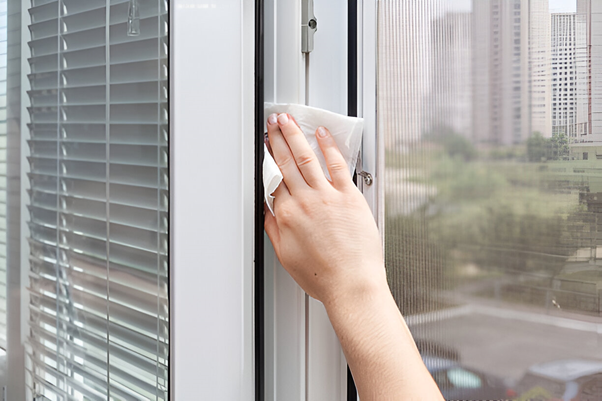
One of the most viable solutions in the UK is the installation of a set of fly screens that keep flies out while continuing to admit fresh air into the homes. Specialized firms such as Premier Screens Ltd provide custom solutions to allow houses to remain safe without having to endure a lack of ventilation.

Common UK Fly Species

Identifying the types of flies that buzz in your house is useful in addressing the infestation problem easily.

The following are the most frequent offenders:

1. Bluebottle Fly

  • Appearance: Their size is probably 5 to 8mm long, with having metallic-blue body.
  • Attracted to: Old meat left in the home, animal droppings, and open trash cans.
  • Risk: Indicates decaying organic matter nearby (e.g., dead rodents).
  • Solution: Remove all the food supplies and partially block all the entry points by installing a fly screen.

2. Cluster Fly

  • Appearance: Larger than houseflies (6 to 10mm), with golden hairs on a dark body.
  • Behaviour: During the winters, they hibernate in the holes in the wall and attics.
  • Solution: Seal openings and vacuum dormant flies to prevent re-entry.

3. Fruit Fly

  • Appearance: Tiny (3mm), tan-and-black body.
  • Attracted to: Rotten fruit, liquids that are being fermented, and drenched mops.
  • Solution: Keep fruit in the fridge and use traps with vinegar to get rid of them.

4. Housefly

  • Appearance: Grey-coloured with striped body, size 5-8mm.
  • Attracted to: Decaying foodstuffs, trash, and animal faecal matter.
  • Solution: Keep the areas clean and have fly screens on the windows.

Why Flies Invade Homes

The flies are in search of shelter, food, and breeding grounds.

Some of their main reasons for entering are:

  • Warmth: Cluster flies try to spend time during the winter in the house.
  • Food sources: Exposed garbage or degrading organic materials.
  • Moisture: Drain flies are attracted to damp places such as drains.

Prevention Tips

It takes a combination of cleanliness and physical prevention to keep flies out:

  • Seal entry points: Leaks near the windows, doors, and vents.
  • Use fly screens: Premier Screens Ltd provides durable options for all window types.
  • Eliminate attractants: Keep the foodstuffs well, empty the garbage frequently, and repair leaks.

When to Call Professionals

For severe infestations—especially those linked to hidden decay (e.g., bluebottles near walls)—professional pest control may be necessary. In the meantime, there is also a long-term preventative measure available, such as a fly screen.

Final Thoughts

The fly pests that are found in UK homes during the summer include buzzing of houseflies and swarms of clusters, among others. Simple things, such as sealing the holes and fitting a fly screen, will make a world of difference.

When you need professional services, Premier Screens Ltd prevents pests from entering your home and introduces fresh air. Stay vigilant, and don’t let these pests ruin your summer!

When it comes to maintaining a safe and functional home in Singapore’s humid tropical climate, securing reliable electrical service Singapore residents can trust becomes paramount to protecting both property and family. The unique environmental challenges of our island nation—from monsoon rains to year-round humidity—place extraordinary demands on electrical systems that require specialised knowledge and professional expertise.

The Hidden Dangers Lurking in Your Walls

Singapore’s electrical infrastructure faces constant challenges that many homeowners underestimate. The combination of high humidity, frequent thunderstorms, and aging building stock creates a perfect storm for electrical problems that can escalate from minor inconveniences to life-threatening hazards within hours.

Consider the case of moisture infiltration—a silent destroyer that creeps through the smallest gaps in electrical fittings. What begins as a barely perceptible dampness can transform into corroded connections, short circuits, and ultimately, electrical fires that devastate families and communities. The statistics paint a sobering picture: electrical faults contribute to a significant portion of residential fires across Singapore each year.

Recognising the Warning Signs Before It’s Too Late

Your home speaks to you through subtle signals that demand immediate attention. Professional electricians understand these languages of distress that untrained eyes often miss:

•       Flickering lights that pulse like a heartbeat, indicating loose connections or overloaded circuits

•       Warm switch plates that radiate heat, suggesting dangerous electrical resistance building within walls

•       Burning odours that drift through rooms without obvious sources, often the first whisper of electrical components failing

•       Frequent circuit breaker trips that interrupt daily life, signalling systems pushed beyond safe operating limits

•       Mild electrical shocks from appliances or switches, revealing potentially fatal grounding issues

These symptoms represent your home’s urgent plea for professional intervention. Ignoring them transforms minor repairs into major renovations—or worse, tragedies that could have been prevented.

The Singapore Advantage: Why Local Expertise Matters

Singapore’s electrical standards and regulations reflect decades of learning from both international best practices and local environmental realities. The Building and Construction Authority’s stringent requirements exist not as bureaucratic obstacles, but as carefully crafted safeguards that protect residents from the unique electrical challenges our climate presents.

As one senior electrical engineer recently observed: “Working with Singapore’s electrical systems requires understanding not just the technical specifications, but how our tropical environment affects every component over time. What works in temperate climates often fails spectacularly here without proper adaptation and maintenance.”

Professional electricians operating in Singapore undergo rigorous training that addresses these specific environmental factors. They understand how salt air from our coastal location accelerates corrosion, how humidity affects insulation integrity, and how frequent temperature fluctuations impact electrical connections.

The True Cost of DIY Electrical Work

The internet overflows with tutorials promising simple electrical fixes, but Singapore’s unforgiving environment makes amateur electrical work particularly dangerous. A poorly executed repair that might survive years in a dry climate can fail within months here, creating hazards that endanger entire housing blocks.

Consider the hidden costs of DIY electrical work:

•       Insurance complications when untrained modifications contribute to damage claims

•       Regulatory violations that surface during property inspections or sales

•       Safety risks that multiply in Singapore’s humid, conductive environment

•       Property value impacts when substandard work requires complete system overhauls

•       Emergency repair costs that dwarf the price of initial professional installation

Professional electrical work carries guarantees, insurance coverage, and regulatory compliance that protect homeowners from these cascading financial and safety risks.

Beyond Repairs: Proactive Electrical Health

The most effective electrical service extends beyond reactive repairs to embrace preventive care that anticipates problems before they develop. Regular professional inspections identify deterioration patterns unique to Singapore’s climate, allowing targeted interventions that preserve system integrity.

Modern electrical systems require updates that reflect both advancing technology and evolving safety standards. Professional electricians help homeowners navigate these changes, recommending upgrades that enhance safety whilst improving energy efficiency—a critical consideration given Singapore’s rising electricity costs.

Smart Electrical Solutions for Modern Singapore Homes

Today’s electrical professionals bring sophisticated diagnostic tools and smart home integration expertise that transforms houses into responsive, efficient living environments. From surge protection systems designed for Singapore’s volatile weather patterns to smart switches that optimise energy consumption, professional installation ensures these technologies deliver promised benefits safely.

The integration of renewable energy solutions, particularly solar installations, requires electrical expertise that understands both Singapore’s regulatory framework and the technical challenges of grid-tied systems in tropical environments.

Making the Right Choice for Your Family’s Safety

The decision to engage professional electrical services represents an investment in family safety, property protection, and long-term financial security. In Singapore’s demanding environment, this choice becomes even more critical as environmental factors amplify both risks and potential consequences.

When electrical problems arise—and they inevitably will in any home—the response determines whether families face minor inconveniences or major catastrophes. Professional intervention provides the expertise, tools, and regulatory compliance that protect Singaporean families from the unique electrical challenges our environment presents.

Your home’s electrical system deserves the same level of professional care you’d expect for any critical infrastructure. Don’t gamble with your family’s safety or your property’s integrity—invest in the peace of mind that comes from knowing your electrical needs are handled by qualified professionals who understand Singapore’s unique demands and deliver the reliable electrical service Singapore homeowners need to protect what matters most.

Installed on flat or low-slope roofs, roof scuppers are crucial drainage elements that let water go down the roof surface and avoid collecting. They serve as overflow drains, channelling snowmelt and rainfall into storm drains or downspouts. When scuppers are operating properly, they prolong the roof structure’s lifespan and shield it from water damage. Like any roofing component, scuppers may eventually have issues that reduce drainage effectiveness and result in leaks or structural problems. Maintaining a healthy roof system requires early detection of typical scupper issues.

Clogging and Blockages: The Most Frequent Issue

Common scupper concerns include debris clogging. In the drainage path or scupper aperture, debris, twigs, leaves, and other detritus can block water flow. Failure to remove water from the roof can cause leaks, material deterioration, and structural damage. Clogged scuppers require frequent cleaning and inspection. Use a garden hose or pressure washer to remove debris and manually remove impediments. Protection screens or grates over scuppers can prevent future clogs.

Leaks around Scupper Openings

Scupper holes often leak due to poor sealing or flashing. Since they penetrate the roof, scuppers must be waterproofed to prevent water from entering the walls or roof deck. Leaks often result from corroded metal flashing, damaged sealant, or roof membrane-scupper overlap. Clean the area and remove damaged items before addressing leaks. After that, replace rusty flashing and seal the scupper edges with quality roofing sealant. Applying a new waterproof membrane patch can enhance the barrier and stop leaks.

Corrosion and Material Deterioration

Usually composed of metal, roof scupper can corrode over time from exposure to weather and water. The scupper is weakened by corrosion, which might result in holes, splits, or structural failure that hinders drainage. Check scuppers frequently, especially on older roofs, for indications of corrosion or degradation. The lifespan of the scupper can be increased by using paint and primer that inhibits rust if the corrosion is not severe. However, in order to guarantee adequate drainage and prevent leaks, severe corrosion frequently necessitates replacing the scupper completely.

Proper Maintenance and Professional Repairs

Regular maintenance is the best defence against scupper issues. To check for debris, leaks, corrosion, and flashing condition, schedule routine roof inspections. Address any problems as soon as possible to prevent further, expensive damage. Professional roofing contractors are best suited to address more complicated issues like substantial corrosion or membrane damage, but do-it-yourselfers can undertake small repairs. Professionals possess the equipment and know-how to guarantee that the scuppers are replaced or repaired appropriately, restoring efficient drainage and safeguarding your roof investment.

Conclusion

Finally, clogging, leaks, and corrosion are common roof scupper issues that, if ignored, can hurt your roof’s drainage and cause damage. Maintaining the health of your roof and keeping your scuppers operating correctly require routine cleaning, prompt repairs, and expert inspections.