Author

James Williams

Browsing

When it comes to protecting your home, your roof is the first and most important line of defense against the elements. However, not all roofing materials perform equally well in every environment. Choosing the right material for roof replacement largely depends on the climate you live in—whether it’s hot and humid, cold and snowy, or windy and coastal. By understanding how different materials perform under various conditions, homeowners can make informed decisions that ensure durability, efficiency, and long-term value.

Understanding How Climate Affects Roofing Materials

Your local climate plays a crucial role in determining the lifespan and performance of your roof. High heat can cause certain materials to warp or crack, while heavy rain and humidity may lead to mold or corrosion. Likewise, freezing temperatures and snowfall can stress your roof structure.
When planning a roof replacement, you should always consider factors such as:

  • Average yearly temperature and humidity
  • Wind speeds and storm frequency
  • Sun exposure and UV index
  • Potential for snow or hail

Each of these environmental elements impacts how long your roofing system will last and how much maintenance it will require.

Best Roofing Materials for Hot and Humid Climates

If you live in areas with intense heat and moisture—such as Florida, Texas, or other southern coastal states—you’ll need materials that reflect sunlight, resist moisture, and prevent mold growth.

1. Metal Roofing

Metal roofs are one of the top choices for hot, humid, and coastal climates. They reflect solar heat, which keeps your home cooler and reduces energy costs. Additionally, they resist mildew and corrosion when properly coated, making them perfect for humid areas.

2. Clay or Concrete Tiles

These materials are excellent at withstanding heat and sun exposure. Their natural thermal resistance keeps interiors cooler while adding an attractive, Mediterranean-style appearance to homes.

3. Asphalt Shingles (Cool Roof Options)

Special “cool roof” asphalt shingles have reflective granules that minimize heat absorption, extending the roof’s lifespan and lowering cooling bills.

Best Roofing Materials for Cold or Snowy Climates

For homeowners living in northern regions with harsh winters and heavy snowfall, durability and insulation are key.

1. Asphalt Shingles

These remain one of the most affordable and resilient choices. When installed with proper underlayment and ventilation, asphalt shingles perform well in cold weather and can resist ice buildup.

2. Metal Roofing

Metal is also ideal for snowy areas. Snow and ice slide off its smooth surface easily, preventing ice dams and roof overload. Plus, modern metal roofs are strong enough to withstand hail and wind.

3. Slate Roofing

While more expensive, natural slate provides exceptional longevity and can last for over a century. Its density and low water absorption make it highly resistant to freeze-thaw cycles.

Best Roofing Materials for Windy or Coastal Areas

Living near the coast means dealing with salty air, strong winds, and tropical storms. Choosing the right roofing material is crucial to prevent wind damage and corrosion.

1. Metal Roofing

Again, metal roofing stands out as a leading choice due to its wind resistance (often rated for up to 140 mph winds) and corrosion-resistant coatings.

2. Asphalt Shingles (Architectural Grade)

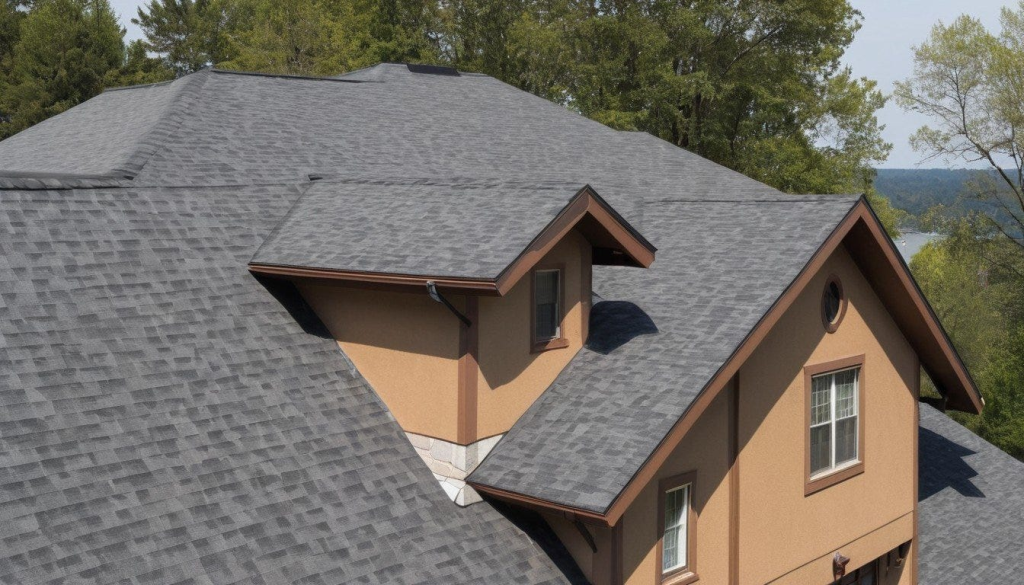
Architectural or laminated shingles offer improved wind resistance and impact durability compared to standard shingles.

3. Tile Roofing

Concrete and clay tiles are heavy enough to stay in place during high winds, but must be properly installed to avoid uplift.

Energy Efficiency and Environmental Factors

No matter where you live, energy efficiency is an added benefit of choosing the right roof. Reflective metal or cool asphalt shingles reduce heat absorption in warm climates, while insulated roofing systems retain warmth in colder zones. Many modern roofing options also include recycled content and are fully recyclable, helping reduce environmental impact.

Making the Right Choice for Your Home

When selecting the best material for roof replacement, consider not just aesthetics and cost, but also long-term performance in your specific environment. Each region poses unique challenges, and what works well in one climate may fail in another.

That’s why it’s best to consult with a trusted local roofing company. A professional can inspect your property, assess your climate’s impact, and recommend the best options to suit your budget and home style.

Final Thoughts

Choosing the right roofing material isn’t just about looks—it’s about protection, efficiency, and peace of mind. The right material can safeguard your investment for decades while keeping your home comfortable year-round.

If you’re considering a roof replacement and want expert guidance on what materials perform best for your climate, reach out to a professional roofing contractor in your area. Their expertise ensures your home gets the durable, weather-resistant roof it deserves.

This post was written by Ted Williams! Ted is the owner of A Old Time Roofing which is the premier Largo Roofing Contractor! Ted is a Master Elite Weather Stopper GAF Roofing Contractor, a double award winner of Best Steep-Slope Contractor from GAF and achiever of Master Elite Consumer Protection Excellence from GAF. He has been serving the Pinellas County area since 1978. Old Time Roofing has a tradition of quality workmanship, servicing residential and commercial properties.

When it comes to home improvements, few things make as big an impact as updating your front entrance. Imagine coming home after a long day, and the first thing that greets you is a sturdy, welcoming door that didn’t break the bank. That’s the magic of finding a billig ytterdør that fits your style and needs perfectly. In a world where everything seems to cost more these days, it’s refreshing to know that you can enhance your home’s security, energy efficiency, and overall look without spending a fortune. This guide dives deep into the world of affordable exterior doors, helping you navigate options, make smart choices, and even handle installation like a pro. Whether you’re a first-time homeowner or just looking to refresh your space, a billig ytterdør could be the simple upgrade you’ve been searching for.

Exterior doors are more than just barriers; they’re the face of your home. They protect against the elements, keep intruders at bay, and set the tone for your property’s aesthetic. But with so many choices out there, how do you find one that’s both cheap and reliable? The key is understanding what makes a door affordable without sacrificing durability. We’ll explore everything from materials to maintenance, ensuring you walk away with practical insights. By the end, you’ll feel confident in selecting a billig ytterdør that stands the test of time.

What Makes a Door “Cheap” Yet Reliable?

The term “cheap exterior door” often conjures images of flimsy materials that won’t last through a single season. However, affordability doesn’t have to mean low quality. In fact, many budget-friendly options are built with modern manufacturing techniques that prioritize strength and longevity. Think about it: a door’s price is influenced by factors like material, design complexity, and added features such as insulation or decorative glass. A basic model without fancy extras can still provide excellent performance if it’s made from the right stuff.

For instance, manufacturers often use cost-effective processes to produce doors that meet industry standards for weather resistance and security. This means you can find a cheap exterior door that withstands rain, wind, and even extreme temperatures. Reliability comes from choosing reputable designs that have been tested over time. It’s not about the cheapest price tag; it’s about value. A door that costs a bit more upfront but saves on energy bills or repairs down the line is truly a smart investment. When shopping, look for certifications that indicate the door has been rated for energy efficiency or impact resistance. These small details ensure your cheap exterior door doesn’t turn into an expensive headache later.

Types of Cheap Exterior Doors

Exploring the variety of cheap exterior doors available can feel overwhelming at first, but breaking it down by material helps simplify the process. Each type offers unique advantages, allowing you to match the door to your home’s architecture and climate. Let’s take a closer look at some popular options that keep costs low while delivering on functionality.

Steel Doors: Tough and Budget-Savvy

Steel doors are a go-to choice for those seeking a cheap exterior door that’s as tough as nails. Made from galvanized steel, these doors resist dents, cracks, and warping better than many alternatives. They’re particularly ideal for homes in areas with harsh weather, where durability is key. The outer layer can be painted to match any color scheme, giving you flexibility in design without adding much to the price.

What sets steel apart is its inherent security features. The solid construction makes it harder for potential intruders to force entry, providing peace of mind on a budget. Plus, many come with foam insulation cores that help regulate indoor temperatures, potentially lowering your heating and cooling costs. If you’re dealing with a busy household or live in a noisy neighborhood, the sound-dampening qualities of a steel cheap exterior door can make a noticeable difference. Installation is straightforward, often requiring just basic tools, which further keeps expenses down.

Fiberglass Doors: Lightweight and Low-Maintenance

For a modern twist on affordability, fiberglass doors shine as an excellent cheap exterior door option. These doors mimic the look of wood grain without the hefty price or upkeep. Fiberglass is resistant to moisture, which means it won’t swell, rot, or peel like some other materials might in humid environments. This makes it a fantastic pick for coastal homes or regions with heavy rainfall.

One of the standout benefits is energy efficiency. Fiberglass naturally insulates well, and when combined with weatherstripping, it creates a tight seal against drafts. You can find models with glass inserts for natural light, adding elegance without inflating the cost. Painting or staining fiberglass is easy, allowing you to refresh the look over time. If you’re aiming for a contemporary vibe, a fiberglass cheap exterior door can elevate your home’s exterior while staying within a modest budget.

Wood Doors on a Budget: Classic Charm Without the Cost

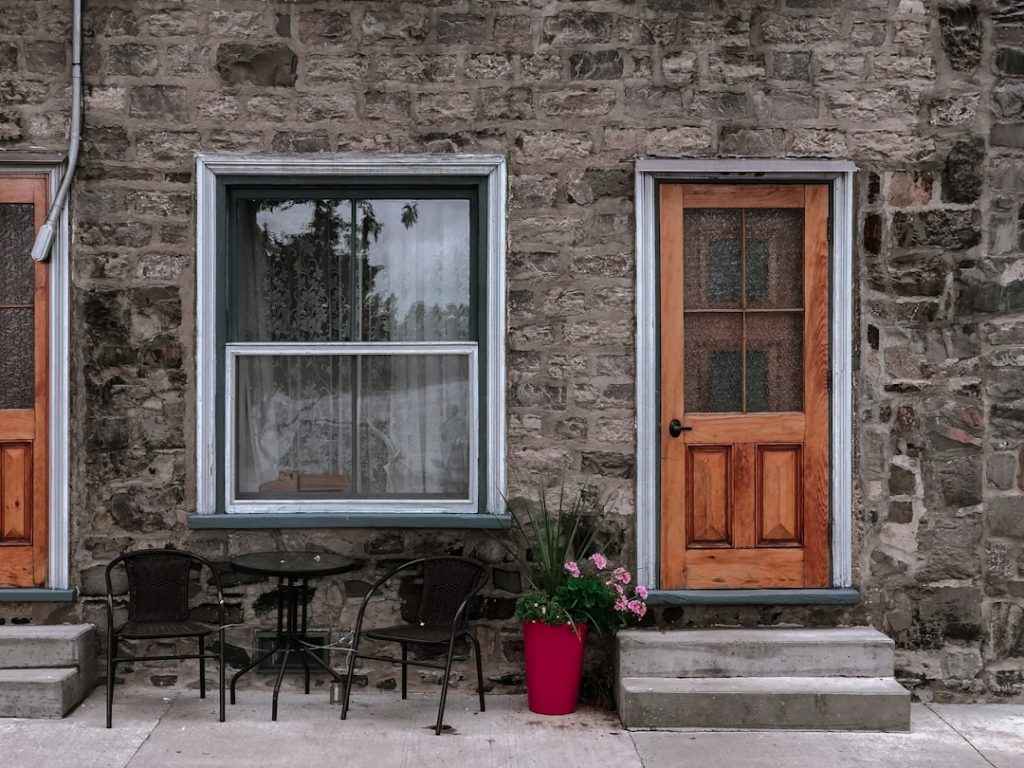
Wood has long been associated with luxury, but there are ways to incorporate it into a cheap exterior door setup. Opting for engineered wood or composite cores wrapped in veneer keeps prices accessible while capturing that timeless appeal. These doors offer warmth and character, perfect for traditional or rustic homes where a natural finish is desired.

Though wood requires a bit more maintenance to protect against the elements, budget versions often come pre-treated with sealants. This extends their lifespan and reduces the need for frequent refinishing. A wood cheap exterior door can be customized with hardware like knobs and hinges, making it feel personalized. In milder climates, where extreme weather isn’t a constant threat, wood provides an inviting entryway that feels premium despite the low cost.

Benefits of Installing a Cheap Exterior Door

Swapping out an old, worn door for a cheap exterior door brings a host of advantages that go beyond aesthetics. First and foremost, it boosts your home’s curb appeal, making a strong first impression on visitors or potential buyers. A fresh door can transform a dated facade into something modern and inviting, all without a major renovation.

Energy savings are another big win. Many affordable doors are designed with insulation in mind, helping to keep your home comfortable year-round. This means less reliance on heating in winter or air conditioning in summer, which translates to lower utility bills. Security is enhanced too; even basic models often include reinforced frames and multi-point locking systems that deter break-ins.

Don’t overlook the noise reduction aspect. A well-fitted cheap exterior door can muffle outdoor sounds, creating a quieter indoor environment. For families with young children or those working from home, this added tranquility is invaluable. Overall, the return on investment is impressive, as these doors can increase your property’s value while requiring minimal upfront expenditure.

How to Choose the Right Cheap Exterior Door

Selecting the perfect cheap exterior door involves considering your specific needs and home setup. Start by measuring your existing doorway accurately to ensure a proper fit. Think about the direction the door swings and whether you need left- or right-hand operation.

Climate plays a crucial role. In cold areas, prioritize insulation ratings; in sunny spots, look for UV-resistant finishes. Style should align with your home’s exterior—whether it’s colonial, modern, or something in between. Budget-wise, set a limit and compare features across options to find the best value.

Consider additional elements like sidelights or transoms if you want more light, but keep it simple to stay affordable. Reading user experiences can provide insights into real-world performance, helping you avoid common pitfalls.

Installation Tips for Your New Door

Installing a cheap exterior door might seem daunting, but with the right approach, it’s manageable for many homeowners. Begin by removing the old door carefully, taking note of how the frame is secured. You’ll need tools like a level, shims, and screws to ensure everything aligns properly.

Weatherproofing is essential—apply caulk around the edges to prevent leaks. If the door comes pre-hung, it simplifies the process, as the frame is already attached. Test the swing and lock multiple times before finalizing. For added stability, reinforce the hinges. If you’re unsure, consulting a professional can save time and ensure a seamless fit.

Maintenance and Care for Longevity

To keep your cheap exterior door looking and functioning like new, regular maintenance is key. Clean the surface periodically with mild soap and water to remove dirt and grime. Inspect for any signs of wear, such as loose hardware, and tighten as needed.

In areas with varying weather, apply a fresh coat of paint or sealant every few years to protect against fading or moisture damage. Lubricate hinges and locks to prevent squeaks. Simple habits like these extend the door’s life, maximizing your investment.

Common Mistakes to Avoid When Buying

One frequent error is overlooking size compatibility, leading to costly adjustments. Another is ignoring energy ratings, which can result in higher bills. Rushing the decision without comparing options might mean missing out on better deals. Always double-check measurements and features to sidestep these issues.

FAQs

What is the average cost of a cheap exterior door?

A cheap exterior door typically ranges from basic models starting low to mid-range options with added features, depending on material and design.

Are cheap exterior doors energy-efficient?

Yes, many cheap exterior doors include insulation that helps maintain indoor temperatures, potentially reducing energy costs.

Can I install a cheap exterior door myself?

Absolutely, with basic tools and instructions, many people successfully install their own cheap exterior door, though professional help is an option for complex setups.

How long does a cheap exterior door last?

With proper care, a cheap exterior door can last many years, often matching the durability of pricier alternatives.

Do cheap exterior doors come with warranties?

Often, yes—most manufacturers offer limited warranties on cheap exterior doors, covering defects in materials or workmanship.

Conclusion

In wrapping up, a cheap exterior door proves that quality and affordability can go hand in hand. From steel’s robustness to fiberglass’s ease, there’s an option for every home and budget. By choosing wisely, installing carefully, and maintaining diligently, you’ll enjoy enhanced security, efficiency, and style for years to come. This upgrade isn’t just about saving money; it’s about smartly enhancing your living space.

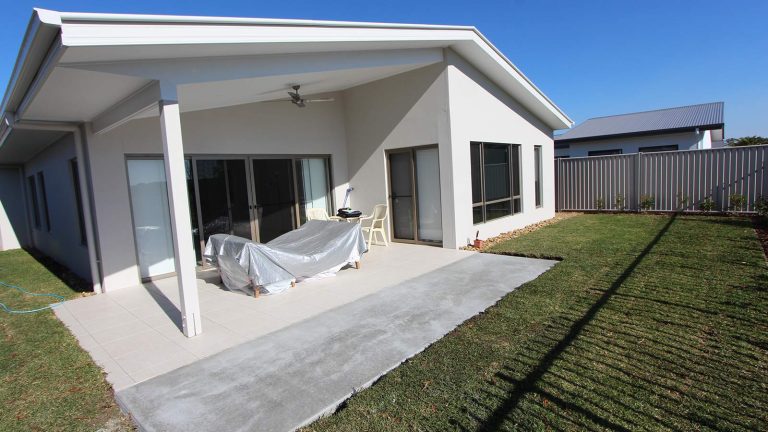
Choosing an asphalt company for a commercial job is a big decision. Your parking lot, driveway, or roadway significantly impacts safety, traffic flow, and the overall appearance of your property to customers. Poor paving can lead to cracks, puddles, and costly repairs. The right company will help your pavement last longer and stay smooth. Here are simple steps to help you choose the best asphalt company for your project.

Look for Real Commercial Experience

Commercial paving is not the same as a small home driveway. It often needs thicker asphalt, solid drainage, and careful planning for heavy traffic. Ask how many commercial projects the company has done. Good companies can explain past jobs like shopping centers, warehouses, schools, or office parks. Experience means they know how to handle large spaces and tight timelines.

Check Licenses, Insurance, and Safety

A trusted asphalt company should be licensed to work in your area. They should also carry insurance that protects you if something goes wrong. Ask for proof of both. Safety matters too. Commercial projects may have workers, cars, and public traffic nearby. A company with clear safety rules shows it takes your job seriously.

Ask About Site Prep and Drainage

A strong asphalt surface starts below the asphalt. If the ground is weak, the pavement will fail quickly. Ask how the company will prep the site. They should talk about grading, compacting the base, and fixing soft spots. Drainage is also key. If water does not flow away, it can break the asphalt over time. A good company will plan slopes and drains before paving.

Compare Written Estimates

Always get a full written estimate. It should list the work steps, asphalt thickness, materials, labor, and timeline. Be careful with very low bids. A low price can mean thin asphalt, weak base prep, or rushed work. Compare what each company includes, not just the final cost.

Read Reviews and Look at Past Work

Look for reviews from other commercial clients. Pay attention to comments about quality, timing, and communication. If possible, ask to see photos or visit past projects. A company that does strong work will be willing to show it. Seeing real results helps you feel more confident.

Make Sure Communication Is Clear

Commercial paving often needs planning around parking, deliveries, and business hours. You want a company that answers questions clearly and keeps you updated. Ask who your main contact will be and how they handle changes. Clear communication helps avoid delays and surprises.

Choose All About Concrete Paving for Your Commercial Asphalt Needs

Picking the right asphalt company means better quality, fewer repairs, and a smoother process. If you want a team that understands commercial projects, plans the job the right way, and delivers pavement built for heavy use, get the service from All About Concrete Paving. We guide you through every step, keep your project on schedule, and make sure we leave you with a strong, clean asphalt surface you can count on for years.

This post was written by a professional at All About Concrete. At All About Concrete, paving is our specialty. Since 1970, we’ve been proudly delivering top-quality commercial and residential asphalt companies in Dallas TX, and concrete paving services across the DFW Metroplex. Whether your project is large or small, we offer customized solutions to match your needs and budget. Contact us today for a free, no-obligation estimate, or visit our website to request your estimate online. We look forward to bringing your paving project to life!

Caring for yard machines before the colder month’s aids protect each part from strain. Focused care keeps every unit steady and reduces wear. Proper checks also support smooth action when seasons shift again. Using lawn mowers lismore as a guide for upkeep ideas helps restore overall function and prevents trouble during long pauses. Careful attention improves strength, avoids damage, supports balanced use, sustains movement, limits issues, preserves quality, and ensures tools remain ready for active days ahead.

Clean the Exterior

Clearing dirt builds a neat surface and protects working areas. Removing stuck matter stops strain across moving parts. Gentle wiping reduces stress and keeps the frame free from rough patches that gather grime and moisture.

Clear the Deck

Brushing old grass from the lower area prevents decay. A clean underside allows smooth flow during future tasks. Built-up matter often traps moisture that slowly harms metal, so a clear base guard against early corrosion.

Review Safety Features

Safety features support smooth conditions before later use.

  • Inspect each switch gently to ensure none stick during important work periods.
  • Confirm guards move freely without pressure that limits natural function anywhere.
  • Look for loose fittings that could shift and cause trouble later.
  • Keep warning labels clear to help maintain awareness during active sessions.
  • Ensure protective panels sit firmly without slight gaps that weaken reliability.

Drain the Fuel

Fuel left inside breaks down over long periods. Emptying the tank prevents clogging and protects inner tubes. Clean fuel lines ensure a steady flow once the mower is used again. This step also reduces buildup caused by stale liquid.

Clean the Air Filter

A clear filter supports calm airflow and prevents strain. Dust often collects inside during warm months. Washing or changing it helps protect internal parts and encourages smooth starting after storage without unnecessary force on the engine.

Check the Spark Plug

A clean spark plug supports proper ignition. Remove it and check for carbon marks. Replace if worn to keep the machine ready when needed. Proper ignition also reduces repeated attempts to start the tool after months of rest.

Examine the Cables

Cables manage movement across different points. Checking each line ensures free motion during use. Replace worn strands for safer operation. Smooth cables lower resistance, protect parts, and maintain efficient action when the mower becomes active again.

Store in a Dry Space

A dry place protects the machine during long idle periods.

  • Keep every surface raised slightly to limit unseen moisture damage under stored tools.
  • Place a cover that shields dust while still allowing limited breath circulation.
  • Position tools where no dripping liquid reaches essential metal areas.
  • Maintain steady airflow around each side for gradual drying.
  • Avoid stacked items that press against delicate machine parts during the months.

Proper seasonal care builds lasting value and steady performance. Each careful step guards’ inner spaces and outer parts from extended inactivity. Regular checks reduce stress and restore balance across essential areas. Thoughtful attention supports a strong return during warmer months through simple habits that protect working tools. These actions promote smooth operation while lowering repair needs. Storing with care ensures lawn mowers lismore inspired upkeep guidance remains helpful for continued, reliable service.