
Archive

June 2024

Browsing

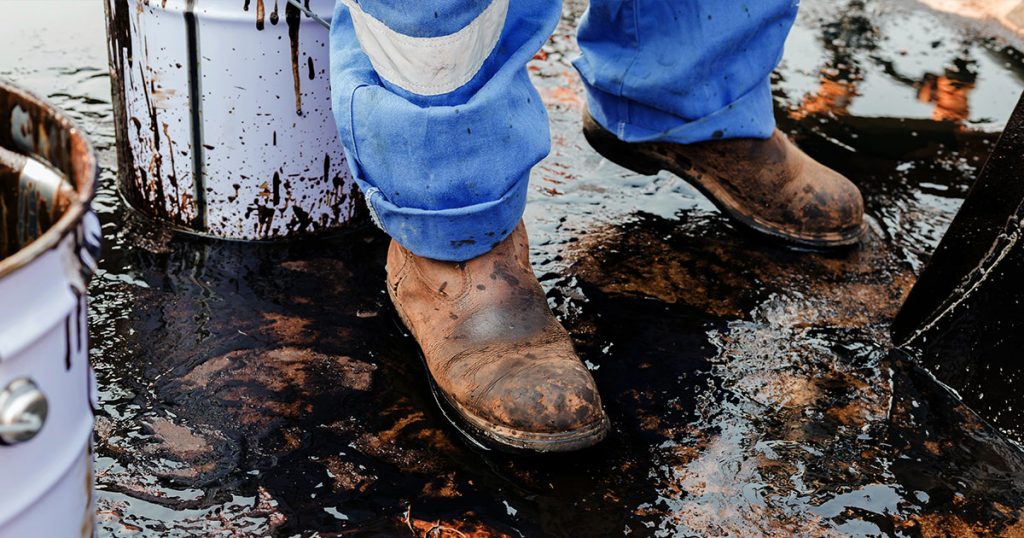
Heating oil spills and leaks can be a stressful and potentially hazardous situation for homeowners. Whether it’s a small spill from a faulty tank or a significant leak from a damaged pipe, prompt action is essential to mitigate the environmental impact and prevent further damage to your property. In this blog, we’ll discuss how to deal with heating oil spills and leaks safely and effectively from advice from heating oil services shropshire, helping you navigate this challenging situation with confidence and ease.

Assess the Situation

The first step in dealing with a heating oil spill or leak from a heating oil tank is to assess the situation calmly and carefully. Identify the source of the spill or leak and determine the extent of the damage. If the spill is small and contained, you may be able to handle it yourself. However, if the spill is large or the leak is severe, it’s best to seek professional assistance immediately.

Safety First

Safety should always be your top priority when dealing with a heating oil spill or leak. Heating oil is flammable and can pose serious health risks if inhaled or ingested. If you suspect a leak, evacuate the area immediately and avoid any open flames, sparks, or smoking materials. Ventilate the area by opening windows and doors to allow fresh air to circulate.

Contain the Spill

If it’s safe to do so, take steps to contain the spill and prevent further spread of the oil. Use absorbent materials such as cat litter, sawdust, or absorbent pads to soak up the oil and contain it within a designated area. Place barriers such as sandbags or absorbent socks around the perimeter of the spill to prevent it from spreading further.

Clean Up the Spill

Once the spill is contained, begin the cleanup process as soon as possible to minimise environmental damage and prevent contamination of soil and water sources. Use absorbent materials to soak up as much oil as possible, then dispose of them properly according to local regulations. Use a detergent or oil spill cleaner to remove any remaining residue from surfaces.

Report the Incident

In many jurisdictions, heating oil spills and leaks are subject to reporting requirements to local environmental authorities. If you experience a spill or leak, contact the appropriate authorities as soon as possible to report the incident and seek guidance on cleanup and mitigation measures. Failure to report a spill or leak may result in fines or penalties.

Repair the Source

Once the spill is cleaned up, it’s essential to address the source of the leak to prevent future incidents. Depending on the nature of the leak, you may need to repair or replace damaged heating oil tanks, pipes, or fittings. Consult with a qualified heating oil technician or plumber to assess the damage and recommend appropriate repairs.

Preventive Measures

To reduce the risk of heating oil spills and leaks in the future, consider implementing preventive measures such as regular maintenance and inspection of heating oil tanks and equipment. Schedule annual inspections by a qualified technician to check for signs of corrosion, wear and tear, and other issues that could lead to leaks. Replace ageing or damaged equipment as needed to ensure safe and reliable operation.

Conclusion

Dealing with heating oil spills and leaks can be a challenging and stressful experience, but with the right approach, you can mitigate environmental damage and prevent further harm to your property. By assessing the situation, prioritising safety, containing the spill, cleaning up effectively, reporting the incident, repairing the source, and implementing preventive measures, you can navigate this situation with confidence and minimise the risk of future incidents. If you’re unsure how to handle a heating oil spill or leak, don’t hesitate to seek professional assistance from qualified technicians or environmental authorities. Taking prompt and decisive action can help protect your home, your health, and the environment.
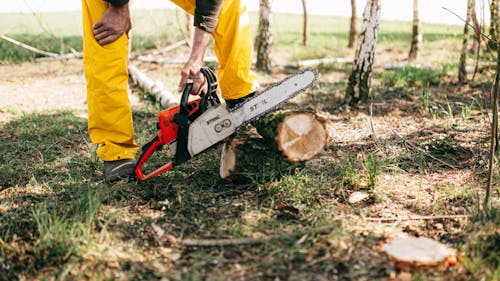
When considering tree removal service cost, several factors come into play, influencing the final price you’ll pay. From the size and condition of the tree to the location and accessibility of your property, understanding these variables can help you anticipate expenses and make informed decisions. Below, we delve into the key factors affecting tree removal service cost to help you budget effectively.

 1. Tree Size and Complexity

The size and complexity of the tree greatly impact the cost of removal. Larger trees with extensive branches or multiple trunks require more time and effort to remove safely. Additionally, factors such as the tree’s health, condition, and proximity to structures or power lines can increase complexity and, consequently, the overall cost of removal.

 2. Tree Species

Different tree species pose varying levels of difficulty during removal. Some species, such as pine or oak, may have deeper root systems or denser wood, requiring specialized equipment or techniques for extraction. Additionally, certain species may be protected by local regulations, requiring permits or additional fees for removal.

 3. Accessibility

The accessibility of your property plays a significant role in determining tree removal costs. Trees located in hard-to-reach areas, such as tight spaces between buildings or fenced yards, may require extra labor or equipment to extract safely. Limited access can also impact the transportation of equipment and debris removal, adding to overall expenses.

 4. Tree Condition and Health

The condition and health of the tree affect both the ease of removal and the associated costs. Diseased or decaying trees pose increased safety risks and may require additional precautions or specialized equipment for removal. Similarly, trees with extensive damage from storms or pests may necessitate more extensive removal procedures, driving up costs.

 5. Additional Services

Beyond basic tree removal, additional services can impact overall costs. For instance, stump grinding or removal, limb chipping, and debris cleanup may incur extra charges. It’s essential to discuss your specific needs with the tree removal service provider to obtain accurate cost estimates for all required services.

 6. Geographic Location

Geographic location can influence tree removal service costs due to variations in labor rates, equipment availability, and local regulations. Urban areas with higher living costs may have higher service fees compared to rural or suburban areas. Additionally, regions prone to inclement weather or natural disasters may experience fluctuations in pricing based on demand and resource availability.

 7. Seasonal Factors

Seasonal factors can also impact tree removal costs. Demand for tree services may fluctuate throughout the year, with peak seasons typically coinciding with periods of favorable weather or specific tree maintenance needs, such as storm damage cleanup. Planning your tree removal during off-peak seasons may result in lower service costs and greater availability from providers.

 Choosing a Reliable Tree Removal Service

When selecting a tree removal service, it’s crucial to prioritize quality, safety, and professionalism over cost alone. Here are essential considerations to help you choose a reliable provider:

1. Credentials and Insurance: Ensure the tree removal service is licensed, bonded, and insured to protect yourself and your property against liability in case of accidents or damages during the removal process.

2. Experience and Expertise: Look for a company with extensive experience and a proven track record in tree removal. Experienced professionals are better equipped to handle complex removals safely and efficiently.

3. Equipment and Techniques: Inquire about the equipment and techniques the company uses for tree removal. Modern equipment and industry-standard practices contribute to safer and more effective removals with minimal disruption to your property.

4. References and Reviews: Seek recommendations from friends, neighbors, or online reviews to gauge the reputation and reliability of the tree removal service. Positive testimonials and satisfied customers are indicators of quality service.

5. Cost Transparency: Request detailed cost estimates from multiple providers, ensuring transparency regarding pricing and any additional fees for services beyond basic removal. Compare quotes to find a balance between affordability and quality.

 Conclusion

While tree removal service costs can vary widely based on several factors, understanding the key considerations outlined above can help you budget effectively and select a reputable provider for your tree removal needs. By prioritizing safety, professionalism, and quality service, you can ensure a smooth and efficient removal process while preserving the health and aesthetics of your property.