
Archive

July 2023

Browsing

When it comes to carpets, Persian carpets are undoubtedly the most famous and sought-after in the world. But what makes them so special and unique? For starters, Persian carpets are known for their high quality and attention to detail. Each carpet is hand-knotted by skilled artisans, who have been passing down their knowledge and techniques for generations. The level of craftsmanship and skill that goes into making each carpet is unmatched.

Another reason why Persian carpets are so highly valued is because of the materials used to make them. Persian carpets are typically made from high-quality wool or silk, which is sourced from local farms in Iran. The natural fibers used in these carpets are known for their durability, softness, and ability to retain color over time. This means that Persian carpets can last for generations, and their colors will not fade or wear away over time.

Persian carpets are also famous for their intricate designs and patterns. Each carpet tells a unique story and represents a specific region or tribe in Iran. The designs and patterns are often inspired by nature, with floral and geometric patterns being the most popular. The level of detail and precision that goes into each design is truly remarkable.

What makes Persian carpets so valuable and timeless?

Persian carpets are not just beautiful works of art, they are also valuable and timeless pieces that have been passed down through generations. But what makes them so valuable and timeless? For starters, Persian carpets are known for their durability and longevity. They are made from high-quality natural fibers that can withstand the test of time and the wear and tear of everyday use.

Another reason why Persian carpets are so valuable is because of their rarity. Each carpet is hand-knotted by skilled artisans, and no two carpets are alike. This means that each carpet is a unique piece of art that cannot be replicated. Persian carpets are also highly sought after by collectors and art enthusiasts, which drives up their value.

Persian carpets are also timeless because of their ability to adapt to different styles and trends. They are versatile pieces that can be incorporated into any interior design style, from traditional to modern. They add warmth, texture, and color to any space, making them a timeless and classic addition to any home.

How have Persian carpets shaped the culture and art of Iran?

Persian carpets are not just beautiful pieces of art, they are also an integral part of Iranian culture and history. For centuries, Persian carpets have been woven by skilled artisans in Iran, and they have played a significant role in shaping the culture and art of the region.One way that Persian carpets have influenced Iranian culture is through their intricate designs and patterns. Each carpet tells a unique story and represents a specific region or tribe in Iran. The designs and patterns are often inspired by nature, with floral and geometric patterns being the most popular. These designs have influenced other forms of Iranian art, such as calligraphy, painting, and architecture.


Introduction

Companies that wish to stay ahead of the curve in today’s intensely competitive business world must create work environments that encourage creativity and innovation. The layout of the workplace can have a significant impact on employee morale, the degree of teamwork, and overall productivity. In this blog, we’ll go through 7 doable tips you can use to create a dynamic, forward-thinking workplace climate that will enable your team to function at its best.

1. Adopt open concept layouts.

A group of women working on a computer Description automatically generated

Members of a team are encouraged to collaborate and interact with one another through a design with an open philosophy. When there are fewer obstacles in the office, such as walls and cubicles, workers have more possibilities to interact with one another, share ideas, and collaborate on projects. As a result, the office as a whole feels more connected and has free access to creative energy.

2. Adaptive workstations should be used in your organization.

A group of people around a table Description automatically generated

Adaptability plays a crucial role in the design of offices that encourage creativity. Provide a variety of workspaces for your personnel, including standing desks, inviting seating areas, and shared tables. They can choose a workstation that fits their particular needs and preferences, people are more comfortable and produce more.

3. Incorporate elements of nature.

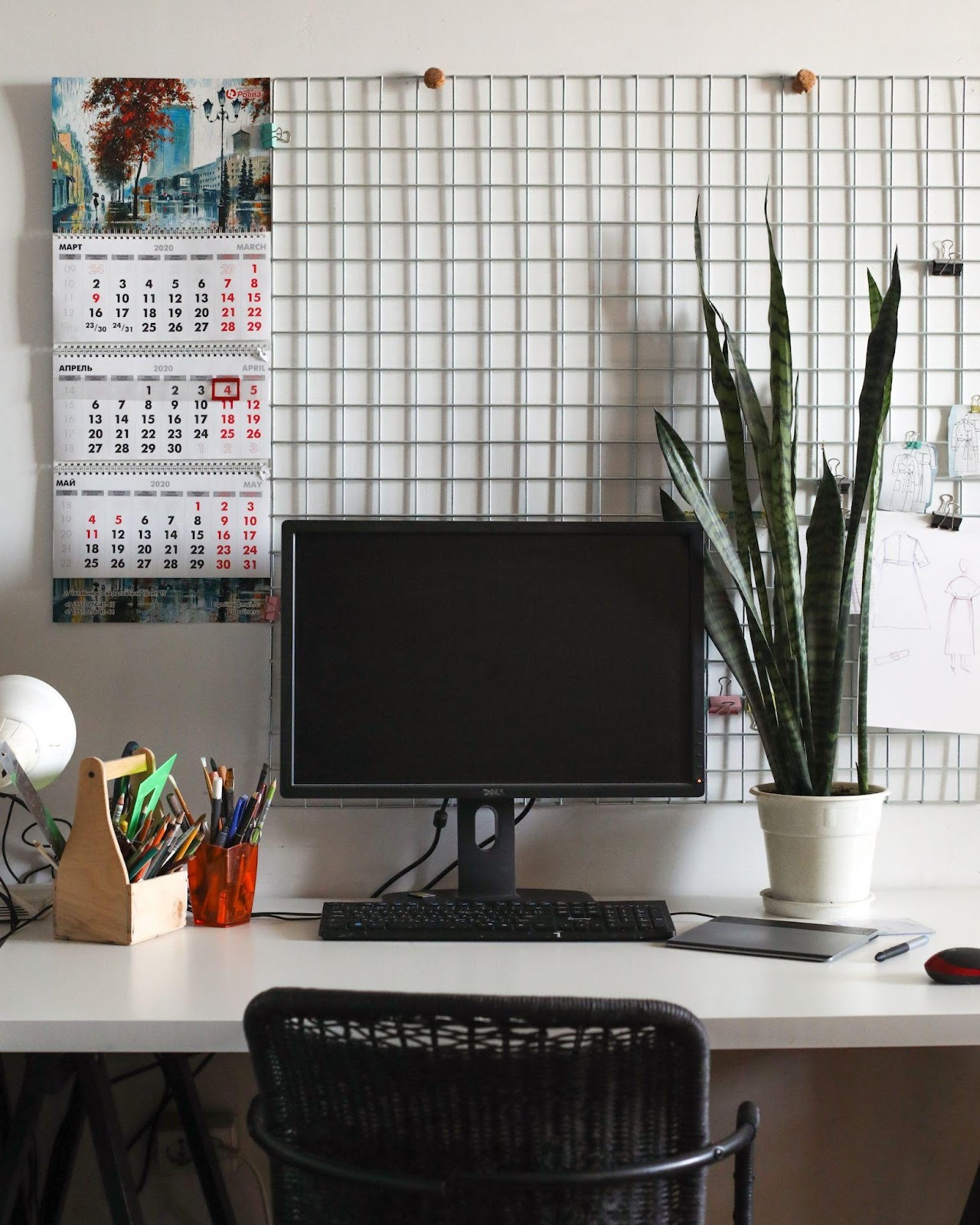
A computer on a desk Description automatically generated

It has been proven that introducing natural components into the home can boost wellbeing and creativity. Include elements of nature in the workspace by an office interior designer, such as indoor plants, windows that let in natural light, and views of the surrounding landscape. This not only enhances the aesthetics of the environment but also improves the air quality and reduces tension, both of which encourage attention and creativity in the work that is done there.

4. Develop inspiring breakout spaces.

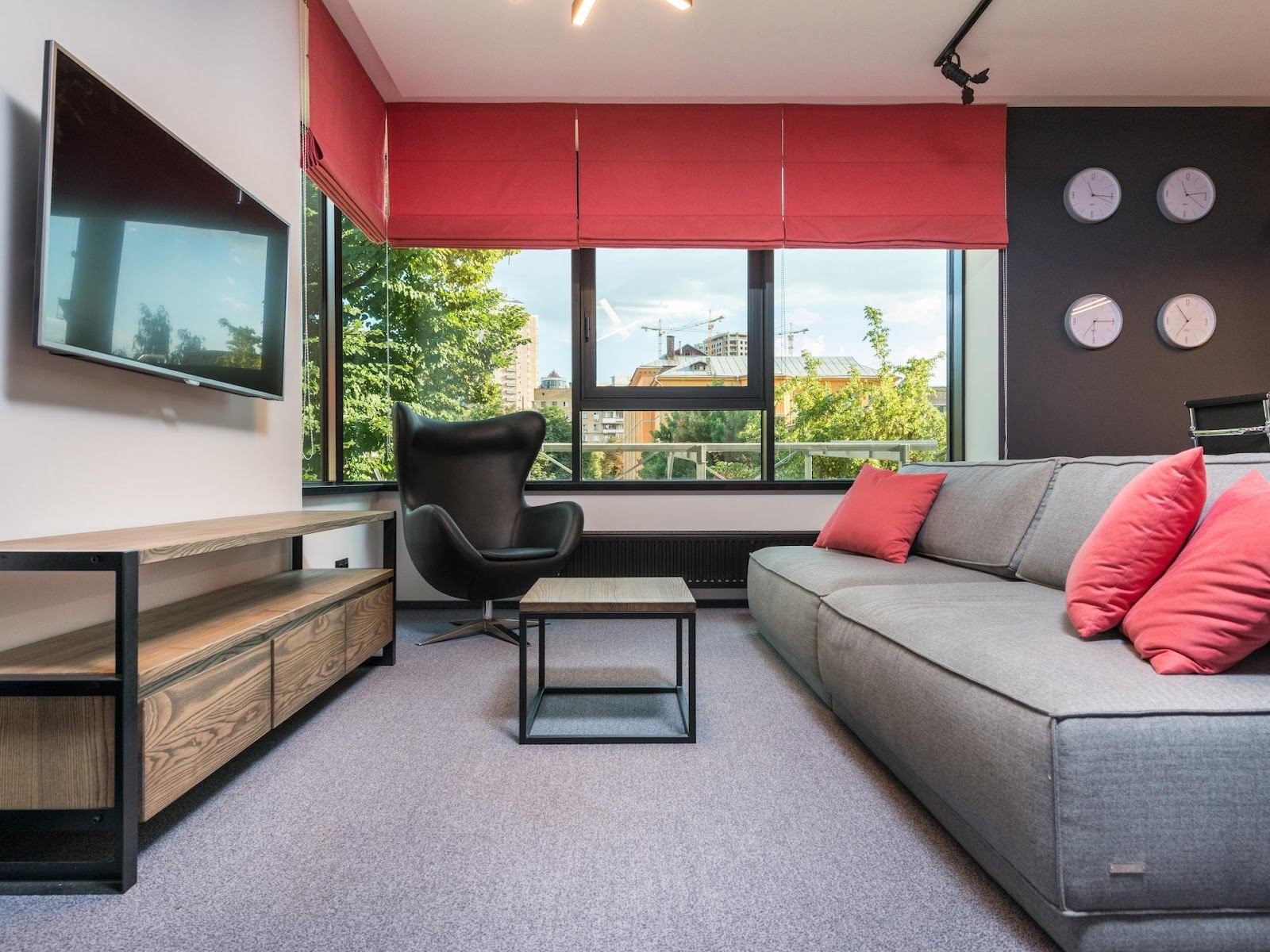
A living room with a couch and a tv Description automatically generated

Break rooms are a vital necessity since employees need a place to unwind and generate fresh ideas. For employees to congregate in so they may take a break, meet new people, and engage in casual chats, create spaces that are peaceful and pleasant. The office interior designer might want to consider including things like bean bags, game tables, or even a tiny library to encourage creative thinking while you’re relaxing.

5. Use the concepts of color psychology.

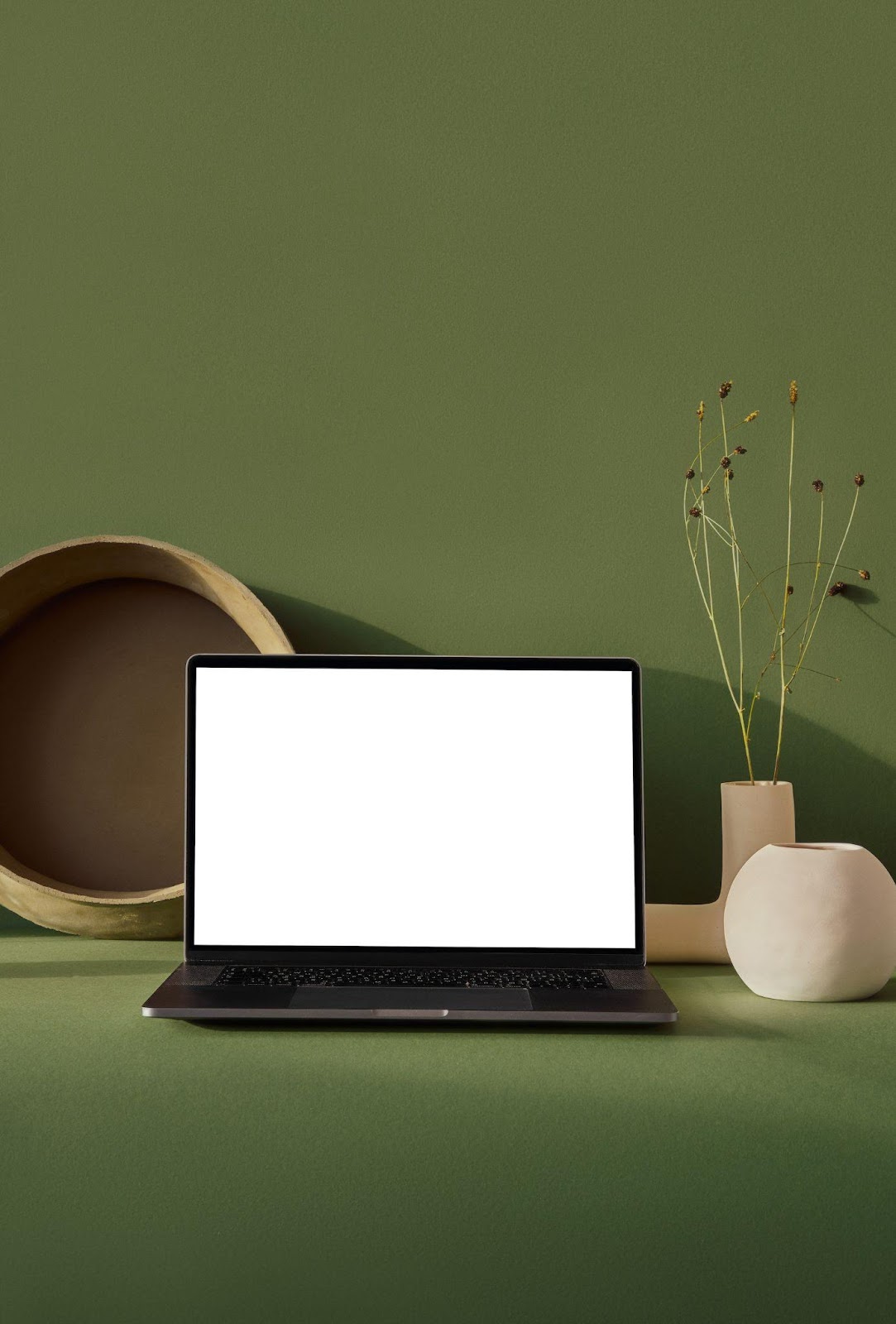
A computer on a table Description automatically generated

Color has a significant impact on our mood as well as our level of productivity. Decorate your working premises with colors like blue and green that are known to stimulate original thought. These are renowned for inspiring sensations of inspiration, inspiration, and calmness. To liven up the space and spur creativity, you should feel free to sprinkle in a few dashes of vibrant color here and there.

6. Place ergonomics as a priority.

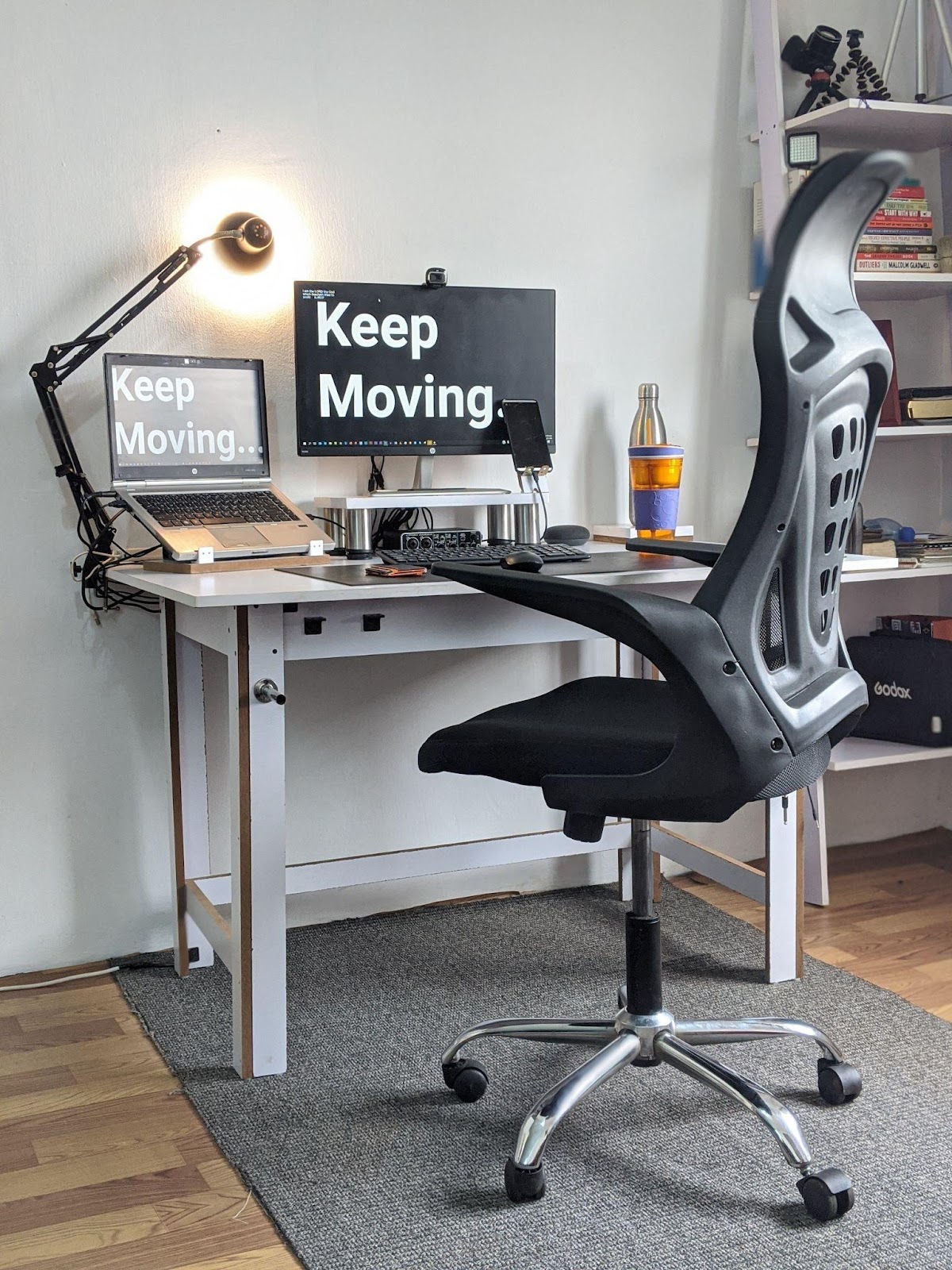
A desk with a chair and a computer Description automatically generated

Creating an ergonomic and comfortable work environment is crucial for employees’ productivity as well as their overall health. You can maintain proper posture and reduce your risk of developing musculoskeletal issues by investing in monitor stands, chairs that can be adjusted, and ergonomic keyboards. When workers are not preoccupied with their physical comfort, they may concentrate more readily on their task and reach their full creative potential.

7. Encourage uniqueness and customization as items.

A person looking at a light bulb Description automatically generated

It has been demonstrated that giving employees the chance to customize their working environments significantly boosts both creativity and motivation. Allow them the freedom to add pictures, pieces of art, or plants to their workspaces that inspire them. Employees are inspired to take pride in their surroundings and feel more connected to their workstation as a result of this ownership feeling, which ultimately encourages them to come up with more creative ideas.

Conclusion

A person sitting at a desk with a computer Description automatically generated

Designing office spaces that foster creativity and innovation is essential for businesses that wish to succeed in today’s fast-paced society. By placing a strong emphasis on worker comfort, implementing open-concept floor plans, and incorporating elements of nature, you may foster an environment that inspires your team members to reach new creative heights. Remember to encourage individuality and provide distinct areas for relaxation and idea generation. By implementing these seven recommendations, you can make your workplace an inspiring setting for innovation and productivity.

Questions and Answers (FAQs) about Interior Designing and Effects on Creativity and Innovation

A computer on a table Description automatically generated

How can creativity be stimulated by an open concept design?

Using an open concept design promotes team collaboration and communication among participants. This promotes the open exchange of ideas and works to foster a sense of community.

Why is it important for workspaces to have natural light? 

The effects of natural light on mood, eye strain, and general well-being can be inherently positive. All of these effects can help with attention and creativity.

Does the color one chooses genuinely affect how productive they are?

The psychological impact of color on mood and productivity is confirmed. Choosing the right colors can make it easy to create an inspiring environment that encourages creativity.

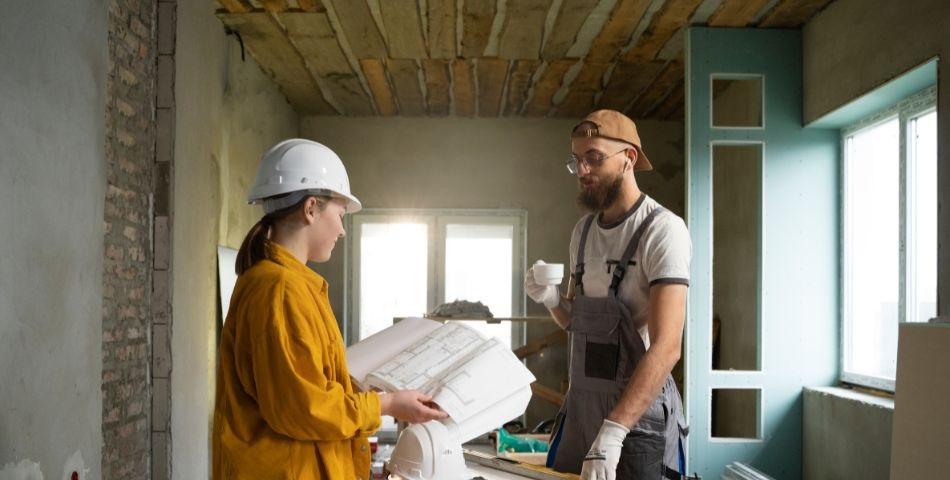
Hiring a home improvement contractor is a crucial step in ensuring the success of your renovation project. However, the process can be daunting, and making the wrong choices can lead to costly mistakes and disappointing results. To find a qualified and reliable contractor who can deliver your vision, it’s essential to avoid common pitfalls. In this article, we will explore the most frequent mistakes made when hiring a home improvement contractor and provide valuable tips to help you make an informed decision.

1. Verify Licensing and Insurance

One of the most critical aspects of hiring a contractor is ensuring they are properly licensed and insured. A qualified contractor should possess both a contractor’s license and a business license. Additionally, they must carry general liability insurance and workers’ compensation coverage. Verifying these credentials protects you from potential liabilities and ensures you are working with a legitimate professional.

2. Check References and Previous Work

Never skip the step of checking references from past clients. Request a list of references from the contractor and follow up with them to get an idea of their work quality and professionalism. Additionally, ask to see examples of their previous work or a portfolio of completed projects. This firsthand information will give you valuable insights into the contractor’s capabilities and reliability.

3. Get a Detailed, Written Estimate

Obtaining a quote over the phone is a common mistake that can lead to misunderstandings and unexpected costs. Instead, have the contractor visit your home to assess the project thoroughly. A detailed, written estimate should outline the scope of work, materials, timelines, and costs involved. This document will serve as a crucial reference point throughout the project.

4. Consider Experience and Reputation, Not Just Price

While staying within your budget is essential, automatically hiring the cheapest contractor may not yield the best results. Take into account the contractor’s experience, reputation, and references when making your decision. A seasoned professional with a solid track record is more likely to deliver high-quality work and better customer service.

5. Have Backup Contractors in Mind

Always have backup contractors in mind in case your first choice falls through. Delays in the hiring process can set back your project’s timeline, but having a backup plan ensures that you can keep the project on track even if your initial choice doesn’t work out.

6. Conduct a Background Check

Before hiring a contractor, conduct some research to assess their reputation and any history of legal issues or complaints. Checking online reviews, ratings, and testimonials can provide valuable insights into the contractor’s reliability and trustworthiness.

7. Avoid Hiring Friends or Family Solely for Cost Savings

While the idea of hiring a friend or family member who offers a discount may be appealing, prioritize their skills and experience. It’s crucial to choose a contractor based on merit, ensuring they have the necessary expertise to meet your expectations.

8. Address Concerns and Communicate Effectively

If the contractor is not meeting your expectations, don’t try to fix the problem yourself. Instead, communicate your concerns openly and work together to find a solution. Effective communication is key to resolving any issues and ensuring a successful outcome.

9. Gather Multiple Recommendations and Do Your Research

Relying on just one recommendation may not give you a comprehensive view of the contractor’s capabilities. Gather multiple recommendations from various sources and conduct your own research to ensure you find a qualified and reliable contractor.

10. Obtain Necessary Permits

Always make sure to obtain the necessary permits for your home improvement project. A reputable contractor will prioritize compliance with local regulations and should guide you through the permitting process.

11. Be Transparent About Your Budget and Expectations

Being upfront with the contractor about your budget and expectations is crucial for a successful project. Clear communication ensures that both parties are on the same page and can help prevent misunderstandings or surprises later on.

Conclusion

Avoiding common mistakes when hiring a home improvement contractor is key to achieving a successful renovation project. By verifying licensing and insurance, checking references, obtaining written estimates, and prioritizing experience and reputation over price, you can find a qualified and reliable contractor to fulfill your home improvement dreams. Additionally, effective communication, conducting background checks, and being transparent about your budget and expectations will lead to a smoother and more satisfying renovation experience. By making informed decisions and staying proactive throughout the hiring process, you can confidently entrust your project to a skilled professional who will deliver exceptional results.

When it comes to Christmas decorations, professionals have a wealth of experience and creativity to draw upon. Their expertise allows them to transform spaces into enchanting wonderlands that capture the spirit of the season. 

You should always hire professional Christmas light installers because they understand their vision and preferences for the holiday lighting display. They use their creativity and knowledge of lighting techniques to design a unique and tailored setup that suits the specific property and enhances its features.

Hiring professionals saves clients time and effort. The installation process can be time-consuming and challenging for those without experience. Professionals efficiently complete the task, allowing clients to focus on other holiday preparations and activities.

If you’re looking to elevate your holiday decor game and make your home shine like never before, here are five Christmas decoration ideas that professionals use to create breathtaking displays.

1- Layered Lighting

Professionals understand the importance of layered lighting to create a warm and inviting ambiance. They use a combination of different light sources, such as string lights, candles, and accent lighting, to add depth and create a magical atmosphere. Warm white lights are commonly preferred for a cozy and traditional look. 

In the hands of skilled professionals, layered lighting becomes an art form, enchanting the senses and igniting the holiday spirit in all who behold it. The interplay of string lights, candles, and accent lighting adds depth and dimension to the decor, turning ordinary spaces into extraordinary realms of magic and joy. With warm white lights casting a soft, inviting glow, the layered lighting technique masterfully captures the essence of Christmas, creating a lasting impression on all who experience its splendor.

2- Natural Elements

Professionals often blend natural elements into their Christmas decorations to add texture and a touch of rustic charm. They use fresh greenery like pine branches, holly, and mistletoe to create beautiful wreaths, garlands, and centerpieces. Mixing in pinecones, berries, and dried twigs can enhance the natural feel. 

3- Statement Pieces

Instead of overwhelming the space with numerous small decorations, professionals opt for a few statement pieces that stand out. A stunning centerpiece on the dining table, an elaborately decorated Christmas tree, or an eye-catching wreath on the front door can make a big impact. 

4- Color Coordination

Professionals pay close attention to color coordination to ensure a cohesive and visually pleasing display. They often choose a color scheme that complements the existing decor in the house. For example, a traditional red and green scheme, a chic gold and silver theme, or a modern blue and white combination. 

5- Themed Trees

Professionals frequently decorate Christmas trees with a specific theme in mind. It could be anything from a winter wonderland theme with snowflakes and white ornaments to a vintage theme with classic decorations and nostalgic ornaments. Having a well-planned theme gives the tree a cohesive and sophisticated look. 

Conclusion

By adopting these Christmas decoration ideas used by professionals, you can elevate your holiday decor and create a stunning and memorable experience for your family and guests. Layered lighting, natural elements, statement pieces, color coordination, and creative gift wrapping are just some of the techniques that can transform your home into a festive wonderland. So, embrace your creativity, spread the holiday cheer, and enjoy the magic of Christmas!