Author

James Williams

Browsing

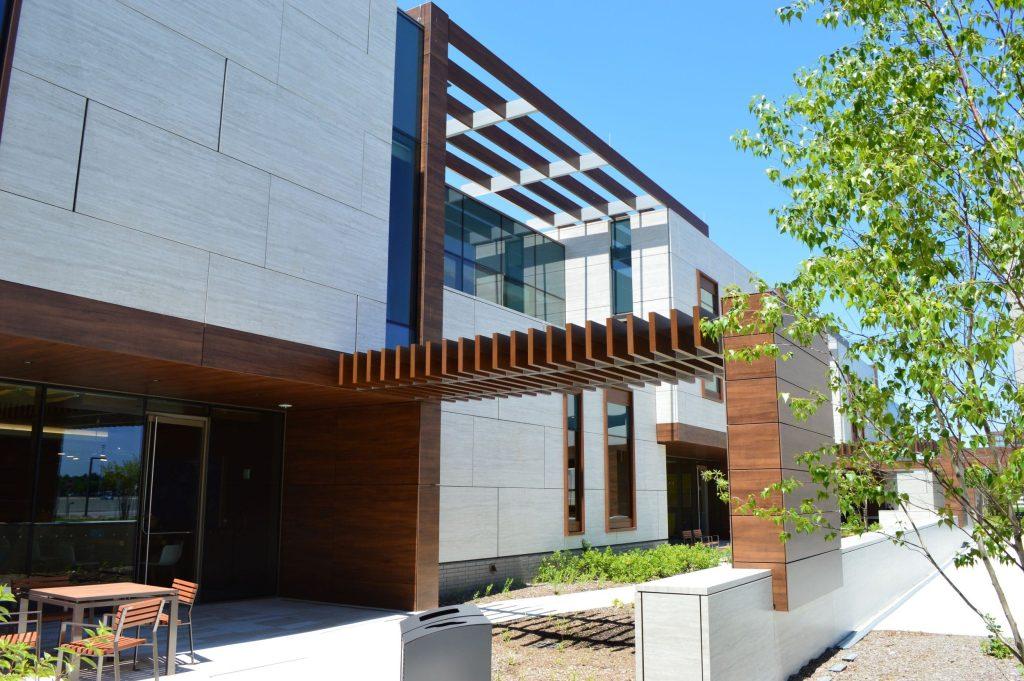
Architectural metal cladding is the perfect example of how form and function can coexist together. Because of its versatility and durability, metal cladding has been the preferred choice for architects and builders worldwide. This trip explores nine captivating metal cladding ideas, all of which push the boundaries of creativity and artistic expression. These works of art, which range from sleek modern facades to richly textured patterns, push the boundaries of what is considered possible and provide insight into how architecture may develop in the future. These designs make striking visual statements in addition to improving the structural integrity of buildings through creative material combinations and state-of-the-art construction methods. Fundamentally, metal siding goes beyond simple functionality and becomes a platform for creative inventiveness and architectural mastery.

1. Minimalist Elegance 

Simple, clean lines characterize minimalist metal cladding designs, which are the pinnacle of classic elegance. They value minimalism and subtle refinement, and they are partial to materials like aluminium or stainless steel. The combination of sleek surfaces and delicate textures creates a visually striking effect, which is why minimalist metal cladding is a popular choice for modern buildings that strive for sophisticated aesthetics. Its ageless charm goes beyond fads and gives architectural designs a perpetual charm. These designs, which can be found on private residences or skyscrapers, elegantly combine practicality and style to improve the aesthetic appeal while retaining a feeling of refinement and modernity.

2. Rustic Charm 

Rustic metal cladding styles contrast sharply with modern structures, highlighting the beauty of flaws. Corten steel, often known as weathered steel, is frequently used to create an aged, worn look that evokes nostalgia and authenticity. Rustic metal cladding, whether it be used on an urban loft or a farmhouse in the country, lends character and warmth to any space while evoking bygone ages.

3. Futuristic Innovations 

Modern nailstrip cladding ideas push the envelope of design by experimenting with novel materials and technologies. These designs, which include interactive features and dynamic graphics, engage the imagination with elements like kinetic panels or LED lighting. Futuristic metal cladding redefines the link between architecture and technology, providing glimpses into the urban landscapes of the future through transformative facades and interactive art pieces.

4. Organic Integration 

Organic metal cladding designs are influenced by the shapes and patterns seen in nature, which helps to blur the boundaries between architecture and the environment. These patterns, which combine materials like titanium or perforated aluminium to resemble organic forms like leaves, waves, or clouds, harmoniously blend structure and environment. Organic metal cladding encourages a closer relationship with nature by embracing biomimicry and enhancing biophilic design concepts.

5. Geometric Precision 

Exhibiting precise craftsmanship and thorough attention to detail, precision metal cladding designs embrace geometric shapes and mathematical principles. These designs offer a layer of intricacy and visual interest to architectural facades with their elaborate patterns, tessellations, and fractal geometries, using materials like aluminium composite panels or folded metal sheets. Geometric metal cladding demonstrates the beauty of mathematical order in the built world through symmetrical patterns and abstract compositions.

6. Cultural Expressions 

Ethnic metal cladding designs like nailstrip cladding highlight diversity and tradition while reflecting local heritage and cultural identity. These designs honour the diverse fabric of human civilization by taking cues from traditional craftsmanship, symbolic iconography, and indigenous motifs. Ethnic metal cladding, whether it be on community centres, museums, or religious buildings, acts as a visible reminder of our common history and cultural heritage, promoting a sense of pride and community within communities.

7. Sustainable Solutions

Sustainable metal cladding designs are leading the way in eco-friendly processes and materials that put resource efficiency and environmental responsibility first. With features like green roofs, photovoltaic panels, and recycled metal, these designs maximize occupant comfort and energy efficiency while minimizing their negative effects on the environment. Sustainable metal cladding is an excellent example of how architectural innovation and sustainable design concepts can work together, as shown in rainwater harvesting systems and passive solar techniques.

8. Industrial Inspiration

Industrial metal cladding designs embrace the raw appearance of industrial landscapes, evoking a realistic and gritty urban feel. These designs honour the industrial, warehouse, and urban infrastructure architecture vernacular by utilizing materials like galvanized steel or corrugated metal. The spirit of urban renewal and adaptive reuse is reflected in the industrial metal cladding that gives contemporary architecture a rough, industrial edge, whether it is used to repurpose industrial facilities or revitalize urban areas.

9. Dynamic Adaptability

Adaptive metal cladding concepts provide architectural expression with flexibility and versatility in response to changing needs and climatic circumstances. With features like moveable panels, modular parts, or responsive facades, these designs may change to meet changing user needs, climatic conditions, and functional requirements. Adaptive metal cladding redefines architectural flexibility by providing dynamic solutions for constantly changing urban contexts, from enhancing daylighting and ventilation to reshaping building skins.

In conclusion, 

Metal cladding ideas come in a wide range of styles, from futuristic inventions to minimalist elegance, and they all demonstrate the architects’ limitless inventiveness and ability. These nine innovative concepts, which redefine the possibilities of metal cladding, embrace tradition or push the envelope, influencing both today’s and tomorrow’s architectural landscapes.
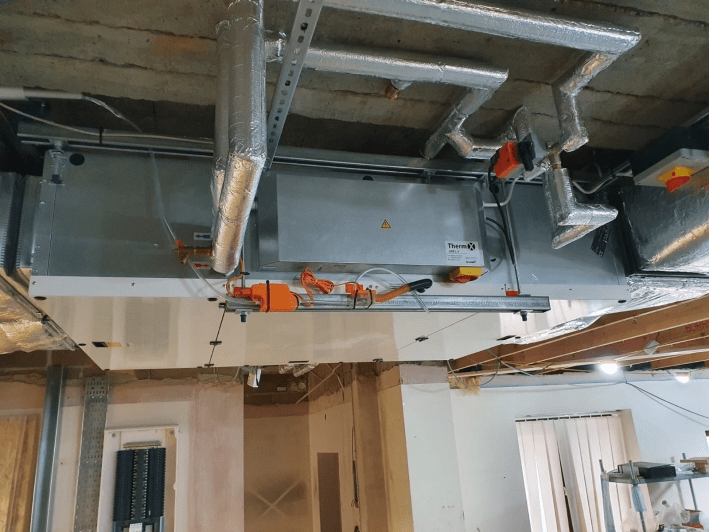
As the name implies, MVHR is a highly energy-efficient ventilation equipment with dual purposes that offer regulated ventilation in specific rooms or locations. Mechanical ventilation involves bringing in fresh, filtered air from outside and extracting stale interior air that may contain allergens, pollutants, odors, and humidity. Heat recovery is the process of recovering heat from removed interior air that would otherwise be wasted and using it to heat incoming fresh air as needed.

Why is MVHR necessary? 

The most energy-efficient ventilation system is MVHR (Mechanical Ventilation with Heat Recovery), which continuously provides fresh, filtered air while drawing stale, contaminated air out of the space it serves. This results in a high degree of indoor air quality being maintained. 

An MVHR system’s primary function is to recover up to 95% of the heat energy needed to heat the building while removing the heated, stale air from the space and transferring it to the incoming cold, filtered fresh air. 

As MVHR systems can lower a building’s heating and cooling requirements and enable businesses to save significant energy, they are quickly emerging as the preferred option for energy-efficient and airtight structures. 

One of the main reasons mechanical decentralised heat recovery units are being added to the ventilation system of energy-efficient buildings is because this renewable technology lowers the building’s carbon footprint and continuous heating and cooling requirements. Additionally, MVHR complies with the building rules, which offer guidelines for both domestic and non-domestic buildings on ventilation, air quality, and condensation prevention.

Where is MVHR useful? 

There are MVHR installations in a wide variety of locations, including light commercial and industrial settings like retail stores, offices, and hotels. They are very popular in public facilities like hospitals and schools as well. Ensuring that the workplace, where we spend a significant portion of our lives, is comfortable and that the air we breathe is clean and at the proper temperature and humidity is the goal in all situations. The following are the three most typical places that use MVHR units: 

  • Commercial structures, including retail stores, offices, and other public structures.
  • Healthcare facilities include hospitals, clinics, and structures like care homes that are devoted to providing care for the weak. 
  • Educational facilities such as colleges, universities, academies, and schools.

Trees are essential to our environment, providing us with oxygen, shade, and beauty. As a homeowner, it is important to maintain the health and appearance of your trees through regular trimming. While it may seem like a simple task, tree trimming should always be done by professionals for various reasons. In this article, we will discuss the importance of professional tree trimming for homeowners and why it should not be overlooked.

Safety

The safety of you, your family, and your property should always be a top priority. Trees that are not properly trimmed can pose a threat to people and structures surrounding them. Dead or damaged branches can fall unexpectedly, causing injury or damage. Professional tree service in Johns Creek ensures that any potential hazards are identified and removed before they become dangerous. They also have the necessary equipment and safety training to work at heights, ensuring that the job is done safely.

Health of Trees

Regular tree trimming is important for the health of your trees. Overgrowth and overcrowding can lead to weak or diseased branches, which can spread to other parts of the tree. Professional tree trimming removes these unhealthy branches, allowing for proper air circulation and sunlight exposure and promoting healthy growth.

Appearance

Trees are a key element in the overall appearance of your property. Regular professional trimming helps maintain the desired shape and size of your trees, enhancing the aesthetic appeal of your home. Professional tree trimmers have the knowledge and expertise to shape trees in a way that is visually appealing while also ensuring their health.

Proper Equipment and Techniques

Professional tree trimmers have access to specialized equipment and techniques that are necessary for safe and effective tree trimming. They are trained to use these tools properly, reducing the risk of injury or damage. Additionally, they have the knowledge and experience to identify and address any potential issues that may arise during the trimming process.

Cost Savings

While it may seem like an added expense, professional tree trimming can actually save you money in the long run. By regularly maintaining your trees, you can prevent costly damage to your property from falling branches or unhealthy trees. Professional trimmers can also identify any potential issues early on, saving you from having to pay for more extensive tree care services later.

Environmental Benefits

Well-maintained trees provide numerous environmental benefits. They help purify the air and absorb harmful pollutants, reducing carbon dioxide levels and improving overall air quality. Trees also act as natural barriers, reducing noise pollution and providing a habitat for wildlife. By investing in professional tree trimming, you are not only improving the appearance and safety of your property but also contributing to a healthier environment.

Conclusion

Professional tree trimming is an important aspect of maintaining a healthy and beautiful home. While hiring a professional, you should know the differences between tree pruning and tree trimming so you know what to ask for your trees. From safety and health benefits to cost savings and environmental impact, the importance of professional tree trimming for homeowners cannot be overstated. Don’t risk the safety and health of your trees by attempting to trim them yourself.

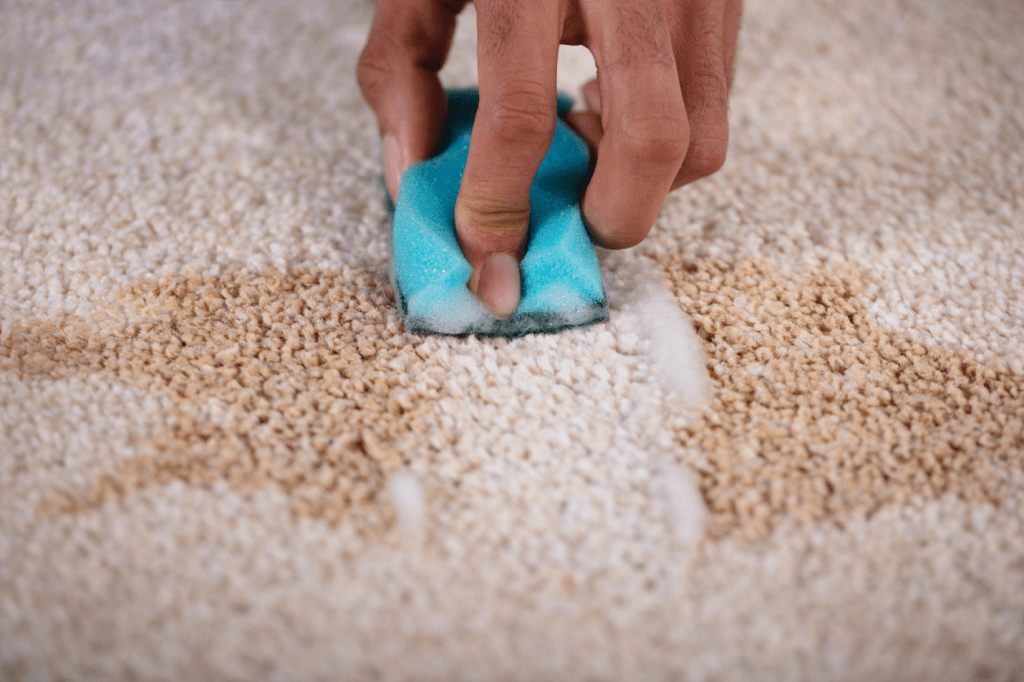
Carpets are an essential part of many homes, providing warmth, comfort, and style. However, they also accumulate dirt, dust, allergens, and even bacteria over time. Regular cleaning is crucial not only for maintaining the appearance of your carpets but also for ensuring a healthy indoor environment. But how often should you clean your carpets? Let’s delve into some key factors to consider.

1. Foot Traffic

The amount of foot traffic your carpets endure is a significant determinant of how often they should be cleaned. High-traffic areas such as living rooms, hallways, and entryways will accumulate dirt faster and require more frequent cleaning, possibly every 6 to 12 months.

2. Household Members

The number of people and pets in your household also affects carpet cleanliness. More inhabitants mean more potential dirt and allergens brought into the home, necessitating more frequent cleaning. Families with children and pets might need to carpet cleaners every 3 to 6 months.

3. Allergies and Health Concerns

Individuals with allergies or respiratory issues may require more frequent carpet cleaning to minimise allergen buildup. Pollen, dust mites, pet dander, and other allergens can embed themselves in carpets, triggering allergy symptoms. Cleaning carpets every 3 to 6 months may help mitigate these issues.

4. Environmental Factors

Environmental factors such as location, climate, and proximity to outdoor spaces can impact carpet cleanliness. Homes located in dusty or humid environments may need more frequent cleaning to prevent mold and mildew growth. Additionally, homes near busy roads or construction sites may accumulate more dirt and pollutants, requiring more frequent cleaning.

5. Carpet Type and Quality

The type and quality of your carpet also influence cleaning frequency. Some carpets, such as high-pile or plush varieties, tend to trap more dirt and require more frequent cleaning. Likewise, carpets made of natural fibres may require specialised cleaning methods and more frequent maintenance.

6. Regular Maintenance

Implementing a regular maintenance routine can help extend the lifespan of your carpets and reduce the need for deep cleaning. Vacuuming at least once a week, focusing on high-traffic areas, can remove surface dirt and prevent it from settling deeper into the carpet fibres.

7. Professional Assessment

Ultimately, it’s essential to assess your carpets periodically and consider consulting with a professional carpet cleaning service. A professional cleaner can evaluate the condition of your carpets, recommend an appropriate cleaning schedule, and provide deep cleaning services to remove embedded dirt and stains effectively.