
Archive

2023

Browsing

Are you in the market for new blinds but can’t decide between vertical blind or horizontal? Choosing the right type of blind can make all the difference in your home’s decor and functionality. Both types have their advantages, but which one is better suited to your needs? In this blog post, we’ll explore the features and benefits of both vertical and horizontal blinds so that you can make an informed decision. Let’s dive in!

Vertical Vs. Horizontal Blinds

When it comes to choosing blinds for your home or office, there are two main types of blinds to consider: vertical and horizontal. However, within each category, there are several different styles and materials to choose from.

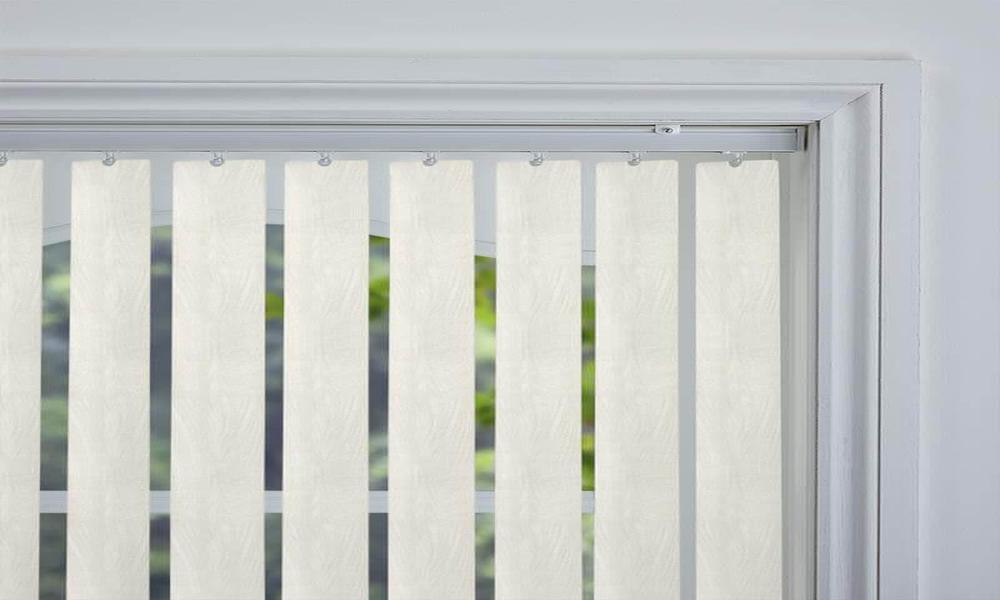
Vertical blinds feature long slats that hang vertically from a track at the top of the window. They come in a variety of materials such as PVC, fabric, and aluminum. Fabric vertical blinds offer the most options when it comes to colors and patterns.

Horizontal blinds have slats that run horizontally across the window. They also come in various materials including wood, faux wood, aluminum, and vinyl. Wood horizontal blinds add warmth and elegance to any room while faux wood is more durable in high moisture areas like bathrooms.

Ultimately, choosing which type of blind will depend on your specific needs such as style preference or functional requirements such as privacy or light control.

Which One Should You Choose?

When choosing between vertical blinds and horizontal blinds, there are a few factors to consider. Your decision may depend on the size of your windows or the overall style you want to achieve.

Vertical blinds are typically better suited for larger windows or sliding glass doors. They provide easy access when you need to open and close them frequently, making them ideal for high-traffic areas. Plus, they have a sleeker appearance that can make your room feel taller.

Horizontal blinds work well in smaller spaces or rooms with traditional decor. They offer more control over light and privacy levels than vertical blinds because they can be adjusted at different angles along their slats. Additionally, they give off a classic look that never goes out of style.

Ultimately, the decision comes down to what works best for your specific needs and preferences. Consider what type of window you have, how much natural light you want to let in, as well as any other design elements in the room before making your final choice between vertical or horizontal blinds.

No matter which type of blind you choose – vertical or horizontal – adding them to your home can significantly enhance its aesthetic appeal while providing practical benefits such as increased energy efficiency and protection from harmful UV rays.

Summing Up!

After weighing the pros and cons of both vertical blinds and horizontal blinds, it’s clear that each has its own unique advantages. Vertical blinds are ideal for sliding glass doors or large windows, while horizontal blinds work well in smaller spaces.

So go ahead – upgrade your windows with stylish new shades that improve functionality while elevating the look of any room!
To avoid overpaying on monthly energy bills, it’s crucial to ensure proper insulation in your home. Consider hiring a specialist in attic and crawlspace insulation to assess your property thoroughly. Only a trained technician can accurately determine if additional insulation is necessary.

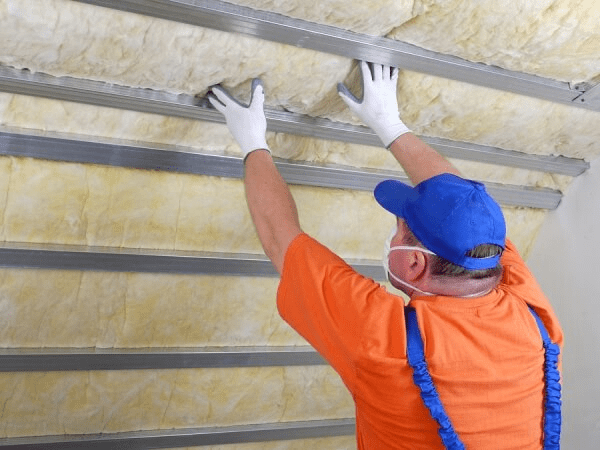
The prevalent attic insulation types include batting and blown-in insulation, typically made of fiberglass or cellulose. It’s essential to understand your project’s specific R-value requirements and what this figure signifies. To gain further insights into the importance of attic insulation installation, watch the accompanying video.

The Benefits Of Insulating Your Attic

 Insulation serves to regulate indoor temperatures, keeping homes warmer in winter and cooler in summer by minimizing air escape. Efficient attic insulation aids in the optimal operation of heating and cooling systems, leading to cost savings and reduced strain on HVAC systems, thereby lowering the likelihood of repairs or replacements. To assess the condition of your current insulation, check if floor joists are visible; if so, adding attic insulation may be necessary.

Residents of New Jersey can enjoy numerous long-term benefits from proper attic insulation. It not only decreases energy bills but also enhances indoor comfort year-round while improving indoor air quality. Moreover, correct attic insulation contributes to reducing the home’s carbon footprint by conserving energy for heating and cooling. Some eco-friendly options, such as insulation made from recycled materials or cotton, may also be available. Homeowners are encouraged to contact a professional promptly to ensure their attic insulation is ready for the upcoming weather conditions.

What’s different About New Jersey Homes?

Each region across the country presents unique factors to consider when choosing the appropriate type of attic insulation. In New Jersey alone, there are five distinct climate zones, as identified by the Office of the New Jersey State Climatologist at Rutgers University. With such diversity, homeowners may wonder how to determine the most suitable attic insulation for their specific property in New Jersey.

Where do I start with Insulation?

A professional energy audit is often the initial step in determining the most suitable attic insulation for a home. During this audit, a professional energy auditor assesses the entire home ecosystem, including the attic insulation. They examine the existing insulation to ascertain whether it requires complete replacement or if additional insulation needs to be added.

In New Jersey, the U.S. Department of Energy advises installing attic insulation with an R-value ranging between R-49 and R-60. The R-value quantifies thermal resistance, indicating how effectively the insulation resists heat flow. A higher R-value signifies better insulation performance, ensuring homes remain cool in summer and warm in winter. Location also influences the optimal R-value selection, with the temperature variations between northern and southern New Jersey most pronounced during winter. Consequently, homes in the northern part of the state benefit from slightly higher R-values compared to those in the south.

Moreover, homeowners should inspect attic insulation for signs of excess moisture. Improperly vented appliances, roof leaks, and dripping water pipes can introduce moisture, reducing the insulation’s R-value and promoting mold and mildew growth, posing health risks.

Another energy-saving measure is insulating a home’s water heater and pipes, particularly if located in a cold garage or passing through an unheated attic or basement. Water heating accounts for approximately 15 to 20 percent of monthly energy costs, and insulating pipes helps prevent freezing or bursting during extreme cold spells.

How To Choose An Attic Insulation Contractor

When selecting a contractor for attic insulation installation in San Francisco, it’s essential to adhere to specific guidelines to ensure top-quality workmanship. Proper attic insulation is crucial for maintaining indoor temperature control, making it imperative to invest time in finding the right contractor for the job.

Start by seeking recommendations from friends, family, or your utility company, as they can offer valuable insights into reputable contractors. Before hiring a contractor, inquire about the types of materials they use, their certifications, and any other pertinent details about their work. Additionally, ensure that you obtain a receipt or contract upon completion of the installation for documentation purposes.

Choosing the Best Insulation

Although often overlooked, the attic plays a crucial role in home insulation, acting as a protective barrier across the entire house. Inadequate attic insulation can result in heat and energy loss throughout the year. Here are the commonly available types of attic insulation:

Batt Insulation

Batt insulation comprises large pieces of fiberglass or cotton insulation, typically customized to fit between attic beams. However, if not accurately cut or obstructed by wires or vents, its effectiveness may be compromised. The primary objective of insulation is to provide complete coverage to prevent heat from escaping or entering the house, which may not be fully achieved with batt insulation.

Spray Foam Insulation

Spray foam insulation is a suitable option for insulating the attic ceiling rather than the floor. This is particularly beneficial if your HVAC system is located in the attic or if the space is utilized for additional storage.

Blown-In Insulation (Fiberglass or Cellulose)

Blown-in insulation, whether fiberglass or cellulose, involves injecting small chunks of material into the attic through a large hose. Both materials are equally efficient for insulation, effectively covering every square inch of the attic. Due to its comprehensive coverage, blown-in insulation is often preferred by most attic insulation installers over other options.


Are you planning to buy or sell a property in Doncaster? It’s essential to have a clear understanding of the current property market trends in the area. In this article, we will provide you with a comprehensive analysis of the property prices in Doncaster, including the average house prices, market trends, and the time it takes to sell a property.

The Average House Prices in Doncaster

According to the latest data from the Land Registry and the UK’s largest online property portals, the average sold price of properties in Doncaster is £205,960. The average time it takes to sell a property in Doncaster is 14 weeks, which is a crucial factor to consider when buying or selling a property.

If you are looking to buy a detached house in Doncaster, the average sold price is £270,667. On the other hand, flats in Doncaster have an average sold price of £126,000. It’s important to note that asking prices in Doncaster have decreased by an average of -1.7% in the past six months.

House Prices in Doncaster by Size

The average sold prices of properties in Doncaster vary depending on the number of bedrooms. Here’s a breakdown of the average sold prices in Doncaster by the size of the property:As you can see from the table, the average sold price increases as the number of bedrooms increases. If you are planning to buy a property in Doncaster, this table can help you determine the size of the property that you can afford within your budget.

The Change in Property Prices in Doncaster

One of the crucial factors to consider when buying or selling a property in Doncaster is the change in property prices over time. According to the latest data, the current average listing price of properties in Doncaster is £243,959, which is up by 4.27% since six months ago.

The chart below shows the average listing price for properties in Doncaster:

It’s essential to keep track of the change in property prices in Doncaster to make informed decisions when buying or selling a property.

The Time it Takes to Sell a Property in Doncaster

As mentioned earlier, the average time it takes to sell a property in Doncaster is 14 weeks. This chart shows the average time property listings are online before the property goes under offer or is removed from the market:

It’s important to note that the time it takes to sell a property in Doncaster can vary depending on several factors, such as the location, property type, and the current state of the property market.

Achieving the Asking Price in Doncaster

On average, the asking price of properties in Doncaster is reduced by 1.7%. However, this doesn’t necessarily mean that it’s impossible to achieve the asking price. A good estate agent can value a property accurately and price it accordingly. It’s essential to choose an estate agent with a proven track record of achieving the asking price for their clients.

Properties for Sale in Doncaster

If you are planning to buy a property in Doncaster, it’s crucial to have access to the latest properties for sale in the area. According to recent data, 269 estate agents have listed properties for sale in Doncaster in the last six months.

You can compare all estate agents in Doncaster and see which ones could get you the best price, along with reviews from people who’ve worked with them recently.

Conclusion

In conclusion, the current property market trends in Doncaster indicate that it’s a great time to buy or sell a property in the area. The average sold prices of properties in Doncaster vary depending on the size and type of the property. It’s crucial to keep track of the change in property prices over time and work with a reputable estate agent to achieve the asking price.

A bathroom is not just a comfortable space anymore; it has evolved into a sanctuary where people seek relaxation and rejuvenation. When creating a harmonious bathroom atmosphere, choosing the right colours plays a vital role. This 2023, explore the latest bathroom colour trends that will convert your space into a stylish oasis through this article.

Serene Neutrals

One of the prevailing trends for 2023 is the use of serene neutrals. Soft shades like warm beige, creamy whites, and muted greys create a soothing and spa-like ambiance in your bathroom. These versatile colours provide a neutral canvas that allows you to experiment with different textures, materials, and accessories.

Moody Blues

Moody blues make a splash in bathroom design for those seeking a touch of drama and sophistication. Deep navy, indigo, and cobalt shades bring the space a sense of opulence and depth. Pair these rich hues with metallic accents or natural materials like marble for a luxurious feel.

Earthy Greens

2023 is all about reconnecting with nature, and earthy greens are at the forefront of this trend. From lush forest greens to sage and olive tones, these colours evoke a sense of serenity and freshness. Introduce these natural shades through painted accent walls, leafy plants, or patterned tiles to bring the outdoors inside.

Playful Pinks

Injecting a touch of romance and femininity into your bathroom is a delightful trend for 2023. Soft blush pinks, dusty roses, and coral hues can transform your space into a whimsical oasis. Incorporate these shades through accessories like towels, rugs, or even a statement vanity for a playful and charming atmosphere.

Metallic Accents

Don’t forget to include metallic accents to elevate your bathroom’s aesthetic. Gold, silver, and copper finishes add a touch of glamour and elegance to any colour scheme. Incorporate these metallic accents through faucets, lighting fixtures, or decorative elements like mirrors and trays for a polished and refined look.

As you venture in 2023, the bathroom colour trends offer a range of options to suit different tastes and design preferences. Embrace these trends, experiment with textures and finishes, and create a sanctuary that reflects your personal style and elevates your daily self-care routine.You may combine these colours with bathroom mirrors ideas in Australiato make your space a dream come true.